
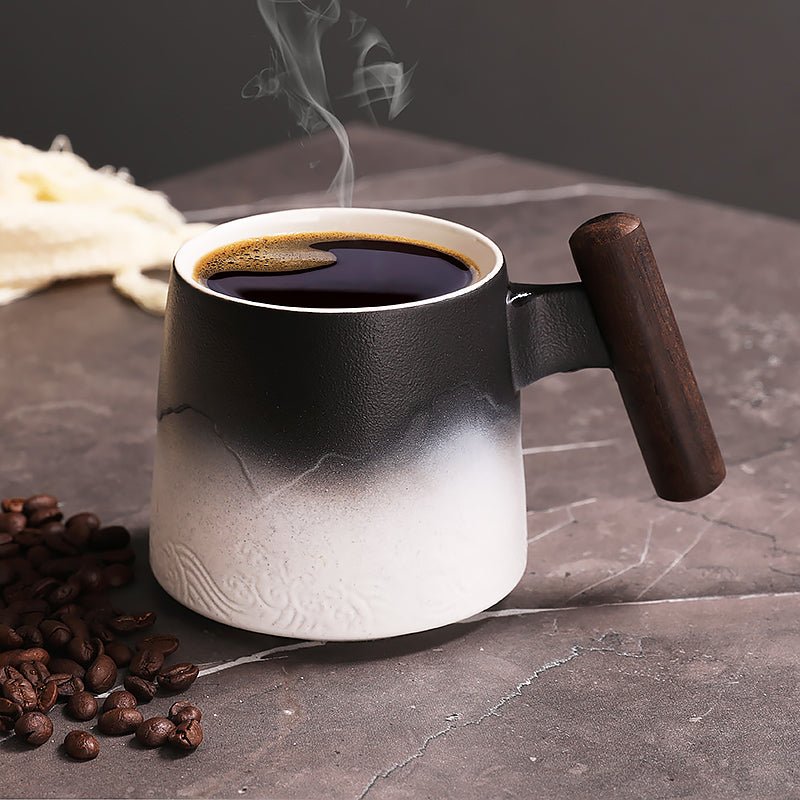
Coffee Mug in Glass: What to Check Before You Buy
Reading time: about 10 minutes
A glass coffee mug looks simple on the shelf, but the buying decision is rarely simple. We see shoppers compare clarity, heat comfort, lid fit, and how a mug feels after a week of dishwasher cycles, not just how it looks in a product photo. That is the real test for a coffee mug in glass.
In our store, we handle drinkware the same way customers use it: on a kitchen counter at 6 a.m., beside a laptop at lunch, or in a gift box headed to someone’s office desk. The best glass mug is not just pretty. It needs the right wall thickness, a comfortable handle, and a shape that works for daily coffee instead of only looking good for one pour.
If you are still comparing broad options, our all collections page is the easiest place to compare styles side by side. And if you want a broader buying framework, our guide to the best coffee mug: what actually matters for daily use covers the everyday details that matter before any style choice.
What makes a glass coffee mug worth buying?
Glass mugs usually win on presentation and on the clean, neutral taste many coffee drinkers prefer. You can see the brew color, milk layers, and crema clearly. That matters if you make pour-over, Americano, or a simple black coffee and want the cup to feel as clean as the brew.
The trade-off is that glass is less forgiving than heavier stoneware. Thin glass can feel hot at the rim, and lightweight pieces can feel less steady on a crowded desk. A good mug solves that with practical details:
- Wall thickness: thicker glass usually holds heat a little better and feels more secure in the hand.
- Handle size: a narrow handle may look elegant, but it can be awkward if you sip while carrying the mug across a kitchen or office.
- Base stability: a wide, flat base matters on smooth countertops and glass-topped desks.
One thing we tell shoppers plainly: a glass coffee mug is not the best pick if you want the toughest daily commuter mug. If your coffee leaves the house, an insulated travel mug is the better category. For that kind of purchase, our article on the best coffee travel mug is the better next stop.
Which type of glass works best for hot coffee?
Not all glass drinkware behaves the same way. The main question is whether the mug is designed for hot beverages and whether the construction feels appropriate for repeated use. A plain decorative glass cup is not the same thing as a purpose-built coffee mug.
Here is how we compare the common options:
| Glass type | What it feels like | Best for | Trade-off |
|---|---|---|---|
| Borosilicate-style glass | Usually lighter and clearer | Hot coffee, tea, everyday use | Can feel delicate if the wall is very thin |
| Thicker soda-lime style glass | Heavier and more substantial | Desk use, casual sipping, gifting | May feel warmer at the rim if not designed for heat |
| Double-wall glass | Air gap between layers helps with heat comfort | Longer sips, latte drinks, presentation | More fragile around impacts and chips at the edge |
We do not recommend choosing based on appearance alone. A double-wall mug can look excellent on a breakfast table, but it is not always the most durable option for a sink full of dishes or a household with heavy daily use. If you want something that stays warm longer, our best insulated coffee mug guide explains where insulation beats plain glass.
What size should you choose for daily coffee?
Size sounds straightforward until you try to pour a full coffee without spillover. We see the same issue over and over: buyers like the look of a smaller glass mug, then realize their morning brew or milk drink needs more headroom.
For everyday use, the right size depends on how you drink coffee:
- Small servings: good for espresso-based drinks or short black coffee.
- Mid-size mugs: better for standard drip coffee and most home brews.
- Larger mugs: useful for milk drinks, longer work sessions, or anyone who tops off several times.
If you are comparing capacity rather than style, our article on the 20 oz coffee mug is a useful reference point. A 20 oz mug can be perfect for a big morning pour, but it may feel oversized if you only drink a small cup and want something that sits neatly on a crowded counter.
The practical check we use in our store is simple: leave enough room for coffee and a little movement. A mug filled right to the top looks fine in a photo, but in a real kitchen it spills at the worst moment.
Should you buy a glass mug with a lid or straw?
Sometimes yes, sometimes no. A lid can help with dust on a desk, reduce splashes while walking from the kitchen, and make the mug more usable for iced coffee or cold brew. A straw can be helpful for cold drinks, but it is usually not our first pick for hot coffee.
For hot coffee, a lid changes the feel of the mug in a few important ways:
- It can help slow heat loss while you sip.
- It may reduce spills if you move around the house or office.
- It adds another part to clean and replace.
That extra piece is the trade-off. If the lid does not seat well, or if the straw opening is too loose, the whole setup becomes annoying fast. We break down these details in our post on the glass mug with lid and straw for hot coffee, because fit matters more than the accessory count.
Our experience: the best lid setup is the one that matches how you drink, not the one with the most features. For desk use, a fitted lid can make sense. For relaxed home sipping, a simpler mug is often easier to live with.
What details do we inspect before recommending a glass coffee mug?
We look at the same details shoppers end up caring about after the first week of use. A mug can look polished in a product image and still fail in the sink, in the microwave, or on the desk.
- Rim comfort: the lip should not feel sharp or overly thin.
- Handle clearance: fingers should fit comfortably, even if you do not have a small grip.
- Heat behavior: the mug should be appropriate for hot drinks, and the body should not feel overly awkward to hold after pouring.
- Dishwasher practicality: if the product is meant for dishwasher use, check whether there are fragile add-ons like lids, coatings, or printed details that need hand washing.
- Chip-prone spots: the rim, handle joins, and base edge are the places we inspect first.
Those details matter because the most common failures are boring ones. A mug chips on the rim. A handle feels too tight after a few days. A decorative finish looks good until repeated washing dulls it. None of that is exciting, but it is exactly what separates a one-month purchase from a mug people keep reaching for.
A glass mug should make coffee feel easier, not more delicate to manage.
Is a coffee mug in glass a good gift?
Yes, if the person likes coffee at home and appreciates clean, simple presentation. A glass mug looks thoughtful without being fussy. It works well for gift boxes, office exchanges, and small housewarming gifts because it feels practical rather than generic.
We especially like glass mugs for shoppers who want a gift that feels a little more elevated than standard ceramic. You can see the drink inside, which makes the whole setup feel more personal. That said, glass is not the safest gift for everyone. If the person tends to drop cups, stacks mugs tightly in a crowded cabinet, or prefers something rugged for daily commuting, ceramic or insulated stainless steel may be the better fit.
For people choosing a style-driven gift, our article on the best mountain coffee mug for Father’s Day 2026 is a good example of how design and daily use can overlap without losing practicality.
What should you expect from care and cleaning?
Glass usually cleans up easily, which is one of its biggest strengths. Coffee residue tends to rinse away cleanly, and clear walls make stains obvious before they build up. That said, the ease of cleaning depends on the shape.
Here is what we recommend in practice:
- Rinse soon after use: dried milk or syrup is harder to remove than fresh residue.
- Use a soft sponge: abrasive pads can scratch some finishes or decorative surfaces.
- Check the rim and handle joints: those spots collect residue fastest.
- Let the mug dry fully: water spots show up more visibly on clear glass than on opaque mugs.
If the mug is labeled for dishwasher use, that is convenient, but repeated cycles can still reveal weak points like fading prints, loosened lids, or cloudy residue from hard water. Hand washing is slower, yet sometimes better for keeping a special mug looking clear.
How do you choose between glass and other mug materials?
This is where many shoppers narrow the decision. A glass coffee mug is not better in every category. It is better in some, and worse in others.
| Material | Strength | Weak point | Best use |
|---|---|---|---|
| Glass | Clean look, easy to see contents, neutral taste | More breakable than metal or thick ceramic | Home coffee, gifting, visual presentation |
| Ceramic | Solid feel, familiar daily use | Heavier, can chip, usually opaque | General kitchen use |
| Stainless steel | Very durable, good for travel | Not ideal for seeing the drink, can affect taste perception for some users | Commutes and outdoor use |
We tell shoppers to pick the material that matches their routine, not the one that sounds best in theory. A glass mug is excellent for a morning at home or an afternoon desk refill. It is not the right choice for someone tossing cups into a tote bag every day.
Frequently asked questions
Can I put a glass coffee mug in the dishwasher?
Many glass mugs are dishwasher-safe, but not all parts of a mug are equally durable. If the mug has a lid, printed decoration, or a special finish, those pieces may need hand washing even if the glass itself is fine. We always recommend checking the care note for the exact product before using a hot cycle.
Is a glass coffee mug safe for hot coffee?
Yes, if it is made for hot beverages. A purpose-built coffee mug in glass should handle normal coffee temperatures, but thin decorative glass is a different category. If the mug feels too light or the rim is very thin, it may not be the best choice for repeated hot use.
Does glass keep coffee hot as long as ceramic?
Usually not for very long, unless the mug has double-wall construction or a well-fitting lid. A standard glass mug is great for the first part of a drink, but it is not the best option if you sip slowly over a long meeting. If heat retention is the priority, an insulated mug is usually the better pick.
What size glass coffee mug is best for everyday use?
For most people, a mid-size mug is the easiest daily choice because it leaves room for normal pours without feeling oversized. Bigger mugs work better for milk drinks and long work sessions. Smaller mugs are better if you mainly drink espresso-based coffee or shorter servings.
What should I check before buying a glass mug online?
Check the material description, capacity, care instructions, and whether the handle looks comfortable in real use. We also look at rim thickness and base stability, because those details are easy to miss in photos. If you want a broader comparison before choosing, start with our full collection and filter by the style that fits your routine.
If you are ready to narrow it down, compare the mug’s material, capacity, lid fit, and cleaning requirements against your daily coffee habit. Then check our current drinkware selection in the all collections page and choose the style that matches how you actually drink coffee at home, at work, or on the go.
More from our blog
Read more
Ceramic Coffee Mug with Lid: What to Check Before You Buy
A ceramic coffee mug with lid should do more than look neat on a desk. We break down the lid fit, mug shape, care, and real-use trade-offs so you can choose one that works for commuting, office cof...
Weiterlesen
White Coffee Mugs: What to Check Before You Buy
White coffee mugs are simple on the shelf and surprisingly picky in real use. We break down size, finish, comfort, and care so you can choose a mug that fits your kitchen, desk, and dishwasher.
Weiterlesen
Hinterlasse einen Kommentar
Diese Website ist durch hCaptcha geschützt und es gelten die allgemeinen Geschäftsbedingungen und Datenschutzbestimmungen von hCaptcha.