
Coffee Mug Holder Buying Guide: Best Options for Your Kitchen or Desk
Reading time: about 9 minutes
A mug that looks perfect on the shelf can become a daily annoyance the second it has nowhere to live. We see this all the time in our store: customers want a coffee mug holder that keeps the counter clear, protects handles from chips, and still looks good next to the coffee maker.
The tricky part is that “mug holder” can mean a few different things. Some shoppers need a countertop tree. Others need a wall-mounted rack. Some just want one well-made mug that feels better in hand and stores cleanly with the rest of the set. The right choice depends on space, weight, and how often you actually use the mugs.
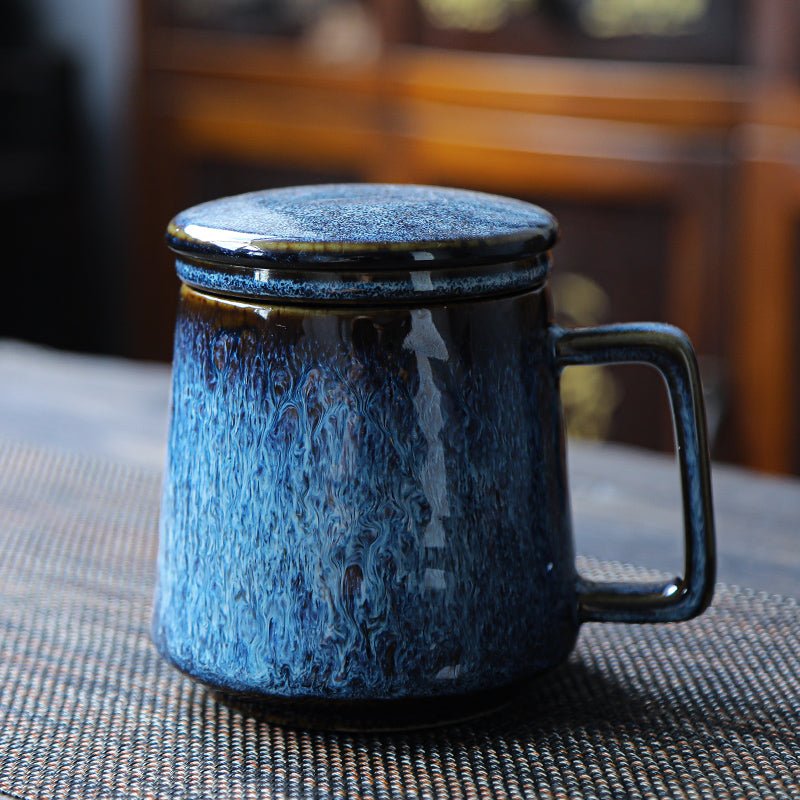
If you are comparing options, our full collection is the quickest place to see what fits your kitchen style, and if you already know you want a piece with strong everyday appeal, the Gradient Coffee Tea Mug is a good example of a mug that looks intentional on display and still works for daily use.
What does a coffee mug holder need to do in a real kitchen?
A useful coffee mug holder does three things well: it stores mugs without crowding the space, keeps handles easy to grab, and stays stable enough for daily use. The best setup depends on where your coffee lives. A kitchen counter near the coffee machine needs different storage than an office desk or a small apartment galley kitchen.
In our experience, shoppers usually underestimate two things:
- Depth and clearance — a rack that looks slim online can still block a backsplash or cabinet lip.
- Handle spacing — mugs with wide handles need more room than they first appear to need.
- Daily cleanup — if the holder collects splashes or dust, you will stop using it.
That is why we recommend thinking beyond style. A holder is not just storage. It is part of how the coffee station functions at 7 a.m. when no one wants to fumble for a cup.
Which coffee mug holder style fits your space best?
The best style depends on what problem you are trying to solve. Here is the practical breakdown we use when helping shoppers choose.
| Style | Best for | Trade-off |
|---|---|---|
| Countertop mug tree | Renters, small coffee corners, easy access | Takes up counter space |
| Wall-mounted holder | Compact kitchens, free counter goals | Needs secure installation and wall space |
| Single display mug | Gift buyers, minimal setups, everyday drinking | Not a storage solution for a large mug collection |
If your counters are already crowded, a wall option may be the better fit. We cover that trade-off in more detail in our coffee mug holder wall guide, especially for kitchens with limited prep space or shallow counters.
If you have room on the counter and want faster grab-and-go access, a tree-style holder may be easier to live with. For that setup, our coffee mug tree holder guide is useful because it walks through balance, base width, and mug arm spacing.
What should you check before buying a coffee mug holder?
We always tell shoppers to check the same handful of details before they buy. These are the differences that matter after the box arrives.
- Measure the footprint. A holder can be slim on paper but still interfere with cabinet doors or the coffee grinder.
- Check the mug diameter and handle shape. Wide ceramic mugs, oversized travel mugs, and some curved handles need more clearance.
- Look at the base or mount. A weighted base is safer on counters. A wall mount needs proper anchors and a wall surface that can support daily use.
- Think about cleaning. Powder-coated metal and smooth ceramic are easier to wipe than textured finishes that catch dust or coffee splashes.
- Match the load to the holder. If a rack looks delicate, it probably is. Thin wire arms can flex under heavier mugs, especially when the mug is fully loaded with coffee or tea.
We also recommend checking the mug itself, not just the holder. A beautiful rack will not help if the mug handle is awkward or the cup is too bulky for your shelf. That is why some shoppers prefer to pair their storage setup with a single mug that is comfortable and display-worthy, like the Retro Coffee Tea Cup.
Which materials hold up best over time?
Material choice affects both appearance and durability. In our experience, the most common coffee mug holder materials are metal, wood, and ceramic, and each has a different feel in the kitchen.
- Metal: Usually the best choice for strength and slim profiles. Good for daily use, especially if the finish is smooth and easy to wipe. Watch for welds, rough edges, and thin arms that may bend over time.
- Wood: Warmer-looking and often better for farmhouse or natural kitchen styles. It can be attractive, but it may not like repeated water exposure if mugs are stored wet.
- Ceramic display pieces: Best when you want the mug itself to be part of the display. They are less about storage capacity and more about presentation and single-cup use.
For shoppers who want a mug that feels comfortable in hand and still looks polished on an open shelf, the Ball Handled Coffee Tea Mug is a practical pick. The rounded handle changes the grip in a noticeable way, which matters if you drink hot coffee every morning or carry the mug from kitchen to desk.
A quick caution: wood and decorative finishes are not ideal if you rinse mugs and stack them while wet. That is a common cause of stains, swelling, or finish wear. If your kitchen routine is more aggressive than careful, metal is usually the safer storage material.
How do you choose between a holder for display and one for daily use?
This is where a lot of buying decisions get muddy. A display-friendly coffee mug holder looks great in photos, but a daily-use setup needs easier access and less friction.
Choose a display-focused holder if:
- the mugs stay out as part of the room decor,
- you own a small, curated set,
- you care more about visual balance than fast access.
Choose a daily-use holder if:
- you make coffee every morning and need a quick grab,
- you rotate mugs for work, tea, and weekend use,
- you want one hand free while opening cabinets or filling a kettle.
For many shoppers, the best compromise is a holder that looks clean enough to leave out but is sturdy enough to survive constant handling. That balance is exactly why we talk through real kitchen layouts before recommending a style. A pretty rack that shifts when a mug is removed is not a good buy, no matter how nice it looks online.
What are the most common mistakes shoppers make?
We see the same avoidable issues again and again. If you can sidestep these, you will usually end up with a better setup.
- Buying by appearance alone. A holder can look elegant and still be too small for your mugs.
- Ignoring weight distribution. A top-heavy tree can wobble if the arms are unevenly loaded.
- Forgetting wall conditions. Drywall, tile, and backsplash materials all change how a mounted holder should be installed.
- Using oversized mugs on a delicate rack. Heavy ceramic mugs are not kind to light-duty arms.
- Skipping cleanup access. If you cannot wipe under or behind it easily, dust builds up fast.
One more real-world issue: gift buyers sometimes choose a mug holder or mug set without checking hand size. A handle may look stylish but still feel cramped. That is why we like products with clear shape and balanced proportions, especially if they are being bought as a gift or for shared use in an office kitchen.
How do you match the holder with the mug style?
The holder and the mug should work together visually and physically. A clean geometric stand often pairs well with mugs that have simple silhouettes. More decorative mugs can soften a modern kitchen, but too many textures at once can make the coffee area feel cluttered.
Here is a simple way to match them:
- Minimal kitchen: choose a slim metal holder and one or two simple mugs.
- Retro kitchen: choose warmer colors or a mug with a vintage shape.
- Office desk setup: choose a single sturdy mug and keep the holder footprint small.
If you want to compare fit and style with real product examples, the Gradient Coffee Tea Mug, Retro Coffee Tea Cup, and Ball Handled Coffee Tea Mug each solve a slightly different use case. None of them are a substitute for a large storage rack, and that is fine. Not every buyer needs a big organizer. Sometimes the better purchase is the mug you actually want to use every day.
Our rule in the store is simple: if a mug holder makes your morning routine easier and still gets wiped clean without effort, it is doing its job. If it only looks good on day one, it is probably the wrong choice.
What are the best use cases for a coffee mug holder?
A good coffee mug holder works best in a few specific scenarios:
- Small kitchens: free up cabinet space by keeping favorite mugs visible and reachable.
- Shared households: assign each person a hook or slot so cups do not get mixed up.
- Office coffee corners: keep one or two mugs ready without cluttering the desk.
- Gift setups: make the mug part of the presentation by pairing it with a clean display space.
It is not the best solution for bulk storage, rarely used seasonal mugs, or oversized travel tumblers. If you are trying to organize 10 cups in one tight cabinet, you may need a different storage style entirely. For readers still deciding between wall, stand, and tree formats, our coffee mug holder stand guide and wall guide can help narrow it down.
Frequently asked questions
What size coffee mug holder do I need for standard mugs?
Measure the mug diameter, handle width, and the space the holder will sit in. Standard mugs are usually easy to store, but chunky handles and wide lips need more clearance than they appear to in photos. If you are buying for a shared kitchen, leave a little extra room so mugs do not knock into each other.
Is a wall-mounted coffee mug holder better than a countertop one?
Wall-mounted storage is better if counter space is tight and you are comfortable with installation. A countertop holder is easier to move, easier to set up, and usually better for renters. The better choice depends on whether you value flexibility or a completely clear counter.
Can I use a coffee mug holder for heavy ceramic mugs?
Yes, but only if the holder is built for it. Heavy ceramic mugs need sturdy arms, solid welds, and a stable base or mount. Lightweight decorative racks can flex or tip if the mugs are too heavy.
How do I clean a coffee mug holder?
For metal holders, a soft cloth and mild soap are usually enough. Dry the finish after cleaning so water spots do not build up, especially on matte coatings. Wood should be wiped gently and kept dry as much as possible.
What should I buy if I only need one good mug, not a whole rack?
Skip the storage rack and choose a mug that feels comfortable, pours well, and suits the way you drink coffee. If you want a more tactile grip, the Ball Handled Coffee Tea Mug is worth a look; if you prefer a classic display piece, the Retro Coffee Tea Cup is a stronger fit.
If you are ready to narrow it down, start with one question: do you need storage, display, or both? Then compare your space, your mug size, and how often you reach for the cup. If you want the easiest next step, browse our full collection and choose the option that matches the way your kitchen actually works.
Read more
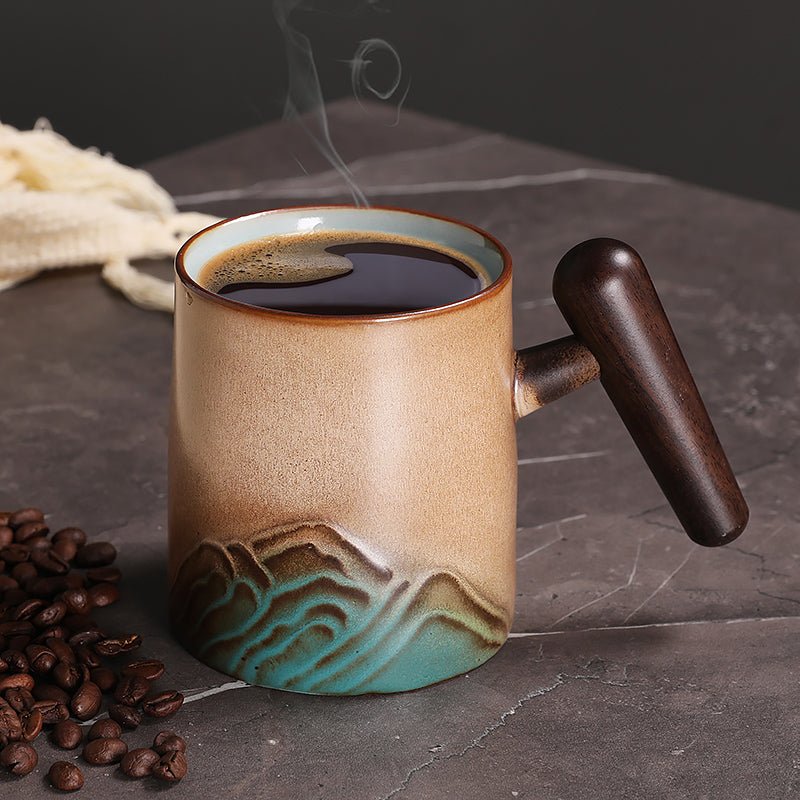
Best Mug to Drink Coffee: What to Buy for Everyday Use
A practical guide to choosing the best mug to drink coffee based on heat retention, comfort, size, and real daily use. We compare our most relevant mug styles, explain trade-offs, and point you to ...
Weiterlesen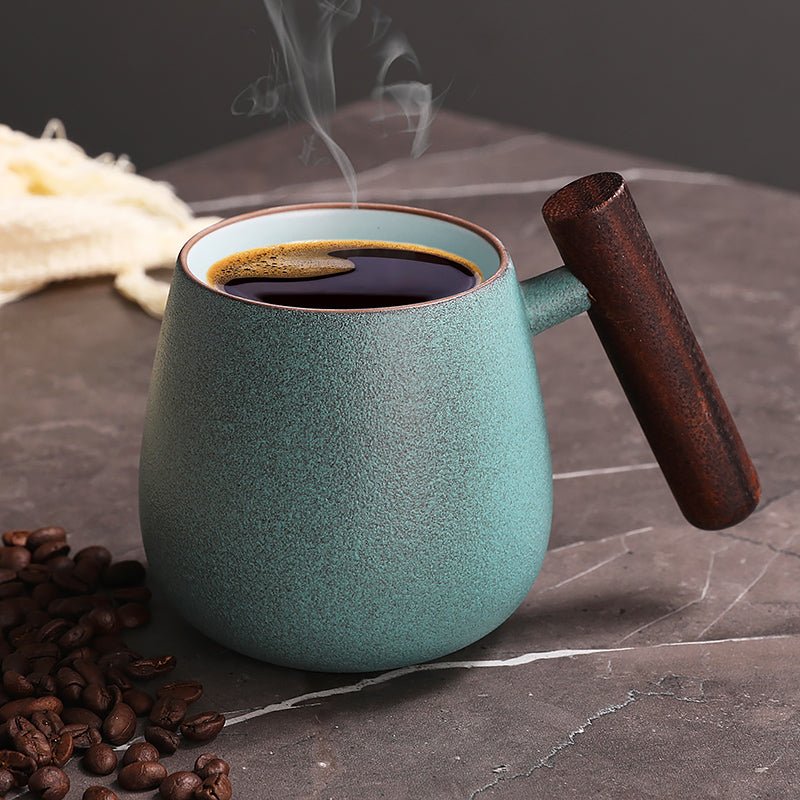
Happy Mug Coffee: Buyer’s Guide to Styles, Sizes, and Fit
A practical guide to happy mug coffee picks at CoffeifyMug, with real-size considerations, handle comfort, and everyday use cases. Compare a few of our most useful styles before you choose.
Weiterlesen
Hinterlasse einen Kommentar
Diese Website ist durch hCaptcha geschützt und es gelten die allgemeinen Geschäftsbedingungen und Datenschutzbestimmungen von hCaptcha.