
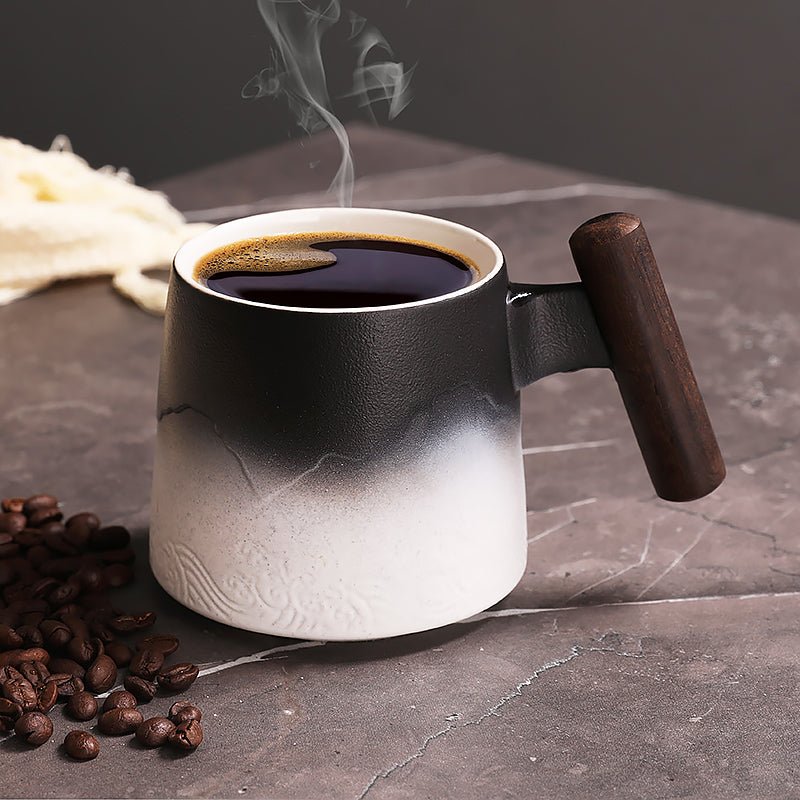
Coffee Cake Mug Cake: How to Make It Work in the Right Mug
Reading time: about 9 minutes
The first bad coffee cake mug cake usually looks the same: batter bubbles over the rim, the center stays gummy, and the mug is too small for the amount of rise the microwave gives it. We see that happen most often when shoppers grab the nearest mug instead of the right one.
A good coffee cake mug cake is supposed to be quick and comforting, not messy. In our store, we think about it the same way we think about any everyday mug use case: the mug should handle heat well, give the batter room to expand, and still be comfortable to hold after microwaving.
If you want the recipe to work more reliably, the mug matters as much as the batter. That is why we also point people to our guide on Coffee Mug Cake: What It Is, How It Works, and What to Use before they start baking.
What makes a coffee cake mug cake different from a regular mug cake?
A coffee cake mug cake is usually a mug-sized quick cake with a cinnamon-sugar style crumb or swirl, meant to taste like coffee cake rather than a plain vanilla sponge. It is not brewed coffee cake. The “coffee” part usually means the flavor profile, not that the mug cake contains coffee.
That distinction matters because coffee cake batter tends to be a little denser than a very airy single-serve cake. The crumb topping or swirl can also affect how fast the middle cooks. If the mug is too narrow, the top may set before the center finishes.
In practical terms, we look for three things:
- Enough headroom: a mug that is not filled past the halfway to two-thirds mark with batter.
- Even heating: a microwave-safe mug made from ceramic or another heat-stable material.
- Comfortable grip: a handle that stays usable after a short microwave cycle.
That is where mug choice starts to matter more than most recipes admit.
What kind of mug works best for this recipe?
For a coffee cake mug cake, a standard ceramic mug is usually the safest starting point. Ceramic tends to heat more evenly than very thin glassware and feels sturdier when you are pulling it from the microwave. We usually recommend a mug with a wider opening rather than a tall, narrow shape, because the batter has room to rise without spilling over.
If you are comparing mug sizes, our buying guides on 8 oz Coffee Mug: What to Check Before You Buy and 20 oz Coffee Mug: What to Check Before You Buy help explain why size changes the experience so much. An 8 oz mug can work for a very small portion, but it leaves less room for batter expansion. A 20 oz mug gives more margin, though the cake may look flatter if you underfill it.
| Mug type | Best use | Trade-off |
|---|---|---|
| 8 oz ceramic mug | Small portion, very controlled batter amount | Less room for rise; more spill risk if filled too high |
| 12 oz ceramic mug | Balanced single-serve coffee cake mug cake | May need a little more batter to avoid looking too shallow |
| 20 oz mug | Extra headroom and easier stirring | Cake can spread thin if the recipe is very small |
For most shoppers, we think a mid-size ceramic mug is the sweet spot. It is easier to stir in, easier to microwave, and less fussy when the recipe puffs up.
How do you keep it from overflowing or turning gummy?
Overflow and gumminess usually come from the same place: too much batter, too much liquid, or too long in the microwave. Microwave ovens vary a lot, so one person’s 70-second cake is another person’s overflow. That is why we recommend a cautious first run.
Here is the method we would use at home or in a test kitchen corner at our store:
- Mix the batter until just combined. Stop as soon as the dry spots disappear.
- Fill the mug only about halfway to two-thirds full.
- Microwave in short bursts, usually starting around 45 to 60 seconds.
- Check the center. It should look set but still moist, not wet.
- Let it rest for a minute before eating. The carryover heat finishes the middle.
A common mistake is choosing a mug with a glossy interior but a very steep shape. The batter climbs high, then collapses. Another is using a mug with a hairline crack or a damaged glaze. Those mugs are poor candidates for hot microwave use and should be retired from baking duty.
If you want a broader sense of what separates a dependable everyday mug from one that only looks good in photos, our article on Best Coffee Mug: What Actually Matters for Daily Use covers the practical side well.
Which ingredients and textures matter most in a coffee cake mug cake?
The texture of a coffee cake mug cake depends on how the dry and wet ingredients balance. Too much flour makes it dry and dense. Too much liquid makes it rubbery or undercooked. The crumb topping, if you use one, should stay sandy rather than paste-like.
For shoppers who bake a lot of quick single-serve desserts, the most useful details are the ones that prevent disappointment:
- Flour: all-purpose flour is usually the default for structure.
- Fat: butter or neutral oil gives moisture, but too much can make the cake heavy.
- Leavener: baking powder helps the cake lift in the microwave, where you do not get oven-style browning.
- Mix-in texture: cinnamon streusel or sugar topping should be fine and crumbly, not clumped.
We also like to remind buyers that microwaved cakes do not brown like oven cakes. If you want a deeply caramelized crumb top, a mug cake will not fully replace a baked coffee cake. It is faster, softer, and more personal. That is the trade-off.
What mug details actually matter before you buy one for mug cakes?
We handle mugs for everyday use, gifting, and recipe content, so we pay attention to details that are easy to miss online. A mug can look right in photos and still be awkward for baking.
Here is what we check before recommending a mug for a coffee cake mug cake:
- Material: microwave-safe ceramic is usually the most forgiving choice.
- Wall thickness: thin mugs heat faster, but they can feel hotter to hold and may stress more in repeated heating.
- Mouth width: a wider opening makes mixing easier and reduces spill risk.
- Handle clearance: a comfortable handle matters when the mug is hot and full.
- Finish: smooth interior glaze is easier to clean after sticky batter or cinnamon sugar.
Some mugs are great for coffee but not ideal for cake batter. Very tapered mugs, novelty shapes, or mugs with uneven bases can be frustrating on a kitchen counter. If you are shopping for a mug that will do both drink duty and dessert duty, browse our full collection and look for practical shapes first, decoration second.
For buyers who primarily want something comfortable for larger drinks, our guide on Awesome Coffee Mugs: How to Choose a Mug You’ll Actually Use is a useful companion read.
What should you avoid if you want the best result?
A coffee cake mug cake is simple, but there are a few things we would not recommend. These are the same trouble spots we see when customers ask why a mug cake failed even though they followed the recipe.
Skip these setups:
- Very small mugs: they leave too little room for expansion.
- Cracked or chipped mugs: they are not worth the risk in repeated heating.
- Overfilled batter: a mug cake needs breathing room.
- Overmixing: it creates a tougher texture, especially in microwave baking.
- Extra-thick crumb topping: too much topping can keep the center from cooking evenly.
There are also times when a different dessert is the better choice. If you want a crisp top, layered cake, or a dessert that serves several people, a mug cake is the wrong tool. In that case, a tray bake or a standard coffee cake is better. Mug cakes are for speed, portion control, and convenience.
Our experience is that the best coffee cake mug cake is less about chasing the fluffiest recipe and more about matching the batter to the mug. That small decision changes cleanup, cook time, and how often the recipe actually gets used.
Can you use the same mug for coffee, dessert, and everyday use?
Yes, and that is usually the smartest purchase. A good mug should do more than sit on a shelf. It should work for morning coffee, microwave dessert, and even desk use if you are reheating something fast between meetings.
That said, not every mug is equally good at all three. A decorative oversized mug may be fine for soup or a latte, but too bulky for careful mug baking. A very small espresso-style mug is charming, but it is not the right tool for a coffee cake mug cake.
If you are trying to choose one mug that earns its place, think in terms of:
- Daily coffee or tea size
- Microwave safety
- Easy cleaning after sticky batter
- Comfortable hand feel after heating
That is the real buying test. Not whether it looks good in a product photo.
Frequently asked questions
What size mug is best for a coffee cake mug cake?
A 12 oz ceramic mug is usually the most forgiving choice for a coffee cake mug cake. It gives the batter room to rise without spilling, while still keeping the portion feel like a true single-serve dessert. An 8 oz mug can work if the recipe is small, but it is less forgiving.
Can I make a coffee cake mug cake in a mug with a handle?
Yes. In fact, a handle helps when the mug is hot after microwaving. Just make sure the handle is sturdy and the mug is microwave-safe, because a damaged or very thin mug can get uncomfortable quickly.
Why does my mug cake turn out rubbery?
Rubbery texture usually means the batter was overmixed, overcooked, or built with too much liquid. Microwave time is the biggest variable, so start with a shorter cook and let the cake rest for a minute before eating. That resting time helps the center finish setting.
Can I use any ceramic mug for mug cake?
Not every ceramic mug is a good choice. We recommend a microwave-safe mug with a wide enough opening for batter expansion and no cracks, chips, or unstable glaze. Novelty shapes and very narrow mugs are more likely to cause overflow or uneven cooking.
Is a coffee cake mug cake the same as coffee-flavored cake?
No. A coffee cake mug cake usually refers to a cinnamon-swirled, crumb-topped single-serve cake, not a dessert flavored with brewed coffee. If you want a coffee-flavored version, you would need a recipe that specifically includes coffee or espresso.
What should you do next if you want better results?
Start by checking the mug before you mix the batter. Measure the opening, look for a microwave-safe ceramic body, and make sure the mug has enough room for the cake to rise. If you already know you want a practical mug that works for dessert and daily drinks, browse our collection of mugs or compare options in our store before choosing one for your next coffee cake mug cake.
If you want more context on what makes a mug genuinely useful, our related guides on mug size and daily use are a good next stop. The right mug will save you from overflow, underbaking, and unnecessary cleanup. That is the difference between a one-off experiment and a recipe you actually come back to.
More from our blog
Read more
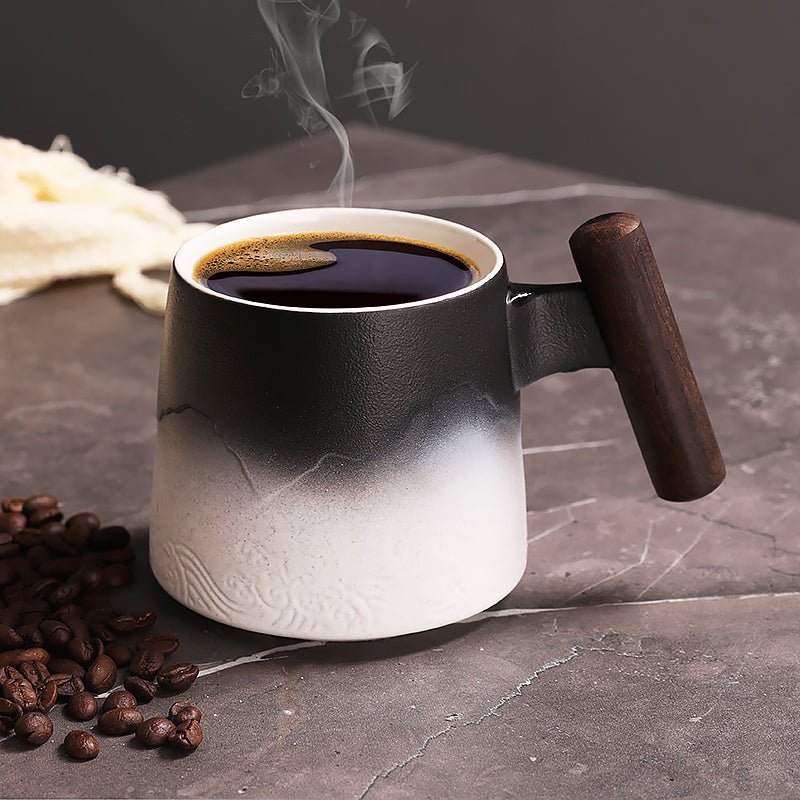
Ceramic Lid Coffee Mug: What Buyers Should Check Before They Buy
A ceramic lid coffee mug looks simple, but small details decide whether it feels solid on a desk or annoying in daily use. This guide breaks down fit, lid behavior, care, and the trade-offs that ma...
Weiterlesen
High-Quality Custom Coffee Mugs: What Buyers Should Check Before Ordering
A practical buyer’s guide to choosing high-quality custom coffee mugs, with the print, size, material, and care details that actually affect how they feel in daily use.
Weiterlesen
Hinterlasse einen Kommentar
Diese Website ist durch hCaptcha geschützt und es gelten die allgemeinen Geschäftsbedingungen und Datenschutzbestimmungen von hCaptcha.