
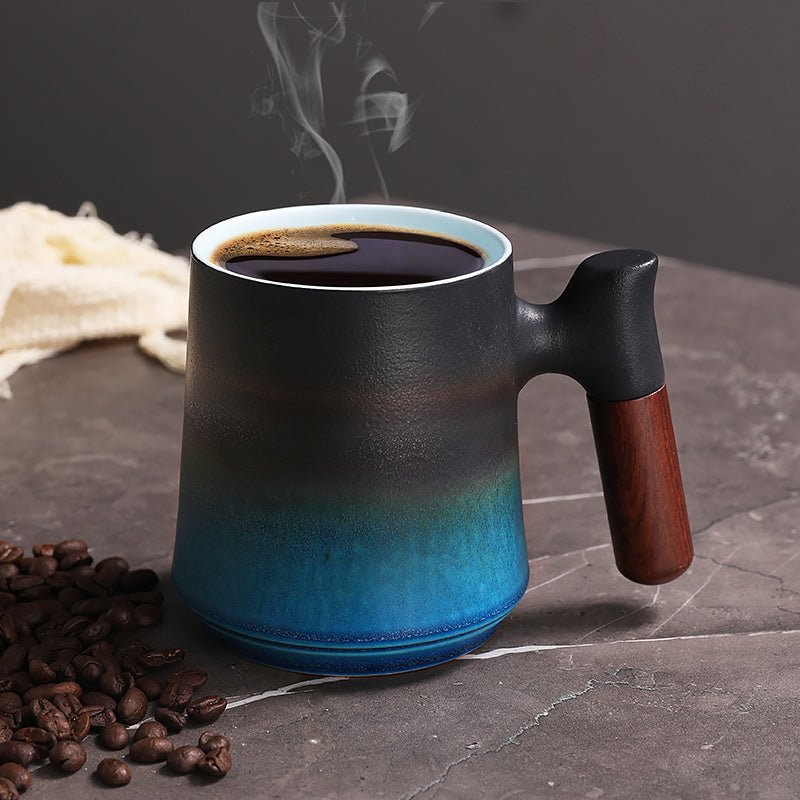
Ceremic Coffee Mug Buying Guide: What to Check Before You Buy
Reading time: about 9 minutes
A ceremic coffee mug looks simple until it starts living in the places that matter most: beside a laptop on a busy desk, in a kitchen sink after breakfast, or in a gift box where the handle has to feel right the first time someone picks it up. In our store, we judge mugs by how they behave in real use, not by how they look in a product photo.
If you are comparing options, start with our all products collection, then narrow to a shape that matches the way you drink. For a warmer grip and a more distinctive profile, see Mountain Sea II Coffee Tea Mug with Wooden Handle. If you want a softer, lighter visual feel, look at The Cloud Coffee Tea Mug Wooden Handle. For a straightforward everyday option, The Rock Coffee Tea Mug is the cleaner benchmark to compare against.
We see the same pattern over and over: shoppers love the look of a mug first, then decide whether the handle, weight, and care routine actually fit their day.
What should you check before buying a ceremic coffee mug?
The fastest way to avoid buyer's remorse is to look past the image and check the parts you will touch every day. A mug can have a nice shape and still be annoying if the handle is cramped, the base rocks slightly, or the glaze feels rough around the rim. Those are the small things that turn a mug from a daily favorite into a cupboard spare.
| What to check | What we look for | Why it matters |
|---|---|---|
| Handle comfort | Enough finger clearance and a grip that does not force your knuckles into the body | You notice this most when the mug is full and warm |
| Rim and glaze | A smooth drinking edge with even glaze coverage | Uneven glaze or a sharp rim can make a mug feel cheaper than it looks |
| Base stability | A mug that sits flat on a desk or counter | Prevents wobble on crowded kitchen counters and office desks |
| Care routine | Dishwasher tolerance, hand-wash needs, and whether any wood details need extra care | This decides whether the mug is convenient or fussy |
We also watch for common defect modes that are easy to miss online: hairline cracks near the handle join, tiny pinholes in the glaze, and a base that looks level but does not sit flat. Those issues are not always obvious in a glossy photo, but they matter once the mug is used every day.
- Check the handle with a full pour in mind, not an empty mug in your hand.
- Look for a rim that feels smooth where your lip meets the mug.
- Ask whether the finish will hold up to repeated washing.
- Think about storage. A mug that stacks awkwardly can be a nuisance in a small cabinet.
Which style fits your desk, kitchen, or gift order?
The right mug depends on where it will spend most of its time. A desk mug should feel stable and easy to grab between emails. A kitchen mug needs to survive a routine of rinse, wash, dry, repeat. A gift mug has to make sense the moment someone opens the box and wraps their fingers around the handle.
| Style | Best fit | Trade-off |
|---|---|---|
| Mountain Sea II Coffee Tea Mug with Wooden Handle | Shoppers who like a warmer grip and a more tactile feel | Wood details usually mean more care and less tolerance for rough washing habits |
| The Cloud Coffee Tea Mug Wooden Handle | Gift buyers or anyone who wants a lighter-looking mug on a home office desk | Stylish shapes can be a little more niche than a plain utility mug |
| The Rock Coffee Tea Mug | Buyers who want a direct, no-fuss daily mug | Less decorative, so it may feel plain if you want a standout gift piece |
If you are buying for someone else, a mug with a distinctive handle or silhouette can feel more thoughtful than a generic cup. If you are buying for yourself, the safest choice is usually the one that matches the hand feel you already prefer. We see fewer regrets when shoppers choose comfort first and style second, not the other way around.
How does size change how the mug feels in daily use?
Capacity changes more than the amount of coffee you pour. It changes weight, heat retention, how much foam fits under the rim, and whether the mug feels balanced while you type or read. That is why a smaller mug can be perfect for a quick pour, while a larger one is better for a slow morning or a milk-heavy drink.
If size is your main question, our 10 oz Coffee Mug: Size, Fit, and What to Check Before You Buy and 12 oz Coffee Mug Buying Guide for Fit, Comfort, and Daily Use explain the practical side of mug sizing in plain language. For a broader checklist, the Ceremic Coffee Mug Buying Guide: What Buyers Should Check covers the basics we check before we recommend a mug to a customer.
- A smaller mug usually feels lighter in the hand and fits better under compact espresso machines.
- A larger mug can be better for tea, long meetings, and drinks with milk or foam.
- If you add creamer, cocoa, or extra milk, leave room near the rim so the mug does not feel overfilled.
- For desk use, a mug that is too tall or too wide can be harder to move safely around a keyboard and notebook.
This is one reason we avoid treating mug shopping like a one-size-fits-all purchase. A mug that works for someone who drinks a short black coffee is not automatically the best pick for someone who fills the cup and leaves it on the desk all morning.
What are the trade-offs with ceramic mugs?
A ceramic mug is a strong everyday choice, but it is not the right answer for every routine. Ceramic has a solid feel, usually keeps drinks pleasant for longer than paper or thin plastic, and gives you a surface that can look clean and polished on the table. The trade-off is weight and fragility. It can chip if it gets knocked into a sink edge or dropped into a hard floor.
This is where honesty matters. A ceremic coffee mug is not ideal if you need something for a commuter bag, a car cup holder, or a camping kit that gets tossed around. It is also not the best choice if you want something ultra-light or nearly unbreakable. For those uses, another style makes more sense.
There is also a care trade-off with wooden-handle mugs. They can feel better in the hand and look warmer on a desk, but wood does not belong in the same treatment category as bare ceramic. If a product page calls out a wooden handle, we recommend treating it as a hand-wash item unless the care instructions clearly say otherwise.
- Good for: home coffee, tea, office desks, gift boxes, and everyday countertop use.
- Not good for: rough travel, hard camping use, or a bag that gets bounced around.
- Best for shoppers who want: a mug that feels substantial and looks good enough to leave out.
How should you care for it so it lasts?
We have seen the same avoidable problems come back again and again: chipped rims from careless stacking, cloudy buildup from skipping a proper wash, and small cracks from sudden temperature changes. Good care is not complicated, but it does need to be consistent.
- Rinse the mug soon after use so coffee or tea does not sit and stain.
- Wash gently if the mug has wood details, and dry the handle completely.
- Avoid sudden thermal shock, like moving a very hot mug straight into cold water.
- Stack carefully if your cabinet is tight. Do not force mugs together if the rims touch hard.
- Inspect the handle and rim every so often. Small chips usually start where the mug gets bumped the most.
If your kitchen relies on a dishwasher, make that part of the decision before you buy. A mug that needs extra care is fine if you already have the habit. It is a poor fit if you want to toss everything in the rack and move on.
Frequently asked questions
Is a ceremic coffee mug dishwasher safe?
Some ceramic mugs are dishwasher safe, but you should always check the product page first. If the mug includes a wooden handle or another mixed material, hand washing is usually the safer routine. We recommend treating decorative finishes gently even when the ceramic body itself can handle regular washing.
Can I put a wooden-handle mug in the microwave?
Usually no, or at least not without checking the specific care instructions. Wood and microwave heat are a bad mix, and a mixed-material mug can behave differently from a plain ceramic cup. If microwave use matters to you, choose a fully ceramic mug instead.
What size ceremic coffee mug is best for daily coffee?
The best size depends on how you drink. A smaller mug is often better for quick pours and compact machines, while a larger mug suits longer drinks and milk-heavy coffee. If you are unsure, start with the size guide that matches the amount you actually pour, not the size that looks best in a photo.
What defects should I check for when the mug arrives?
Look closely at the rim, handle join, base, and glaze. Hairline cracks, chips, rough spots on the drinking edge, and a mug that rocks on a flat surface are all reasons to reach out quickly. We inspect for those issues because they affect both comfort and lifespan.
Is a ceramic mug a good gift if I do not know the recipient well?
Yes, if you choose a shape that feels practical rather than overly specific. A balanced ceramic mug works for coffee, tea, and desk use, which makes it safer than a niche item. If you are unsure, a simple everyday silhouette is usually the most reliable gift choice.
What should you compare before you buy?
Before you check out, compare the mug the way a real user will experience it, not the way it appears in a product grid. The best choice is usually the one that feels stable, cleans easily, and matches the routine you already have.
- Handle comfort for your hand size.
- Base stability on a desk or counter.
- Care routine, especially if wood is involved.
- Capacity relative to the amount you actually drink.
- Whether you want a plain utility mug or a more giftable shape.
If you want to compare styles side by side, start with our all products collection and use the details above as your filter. That is the quickest way to find a ceremic coffee mug that fits your kitchen, your desk, and the way you actually drink.
Read more
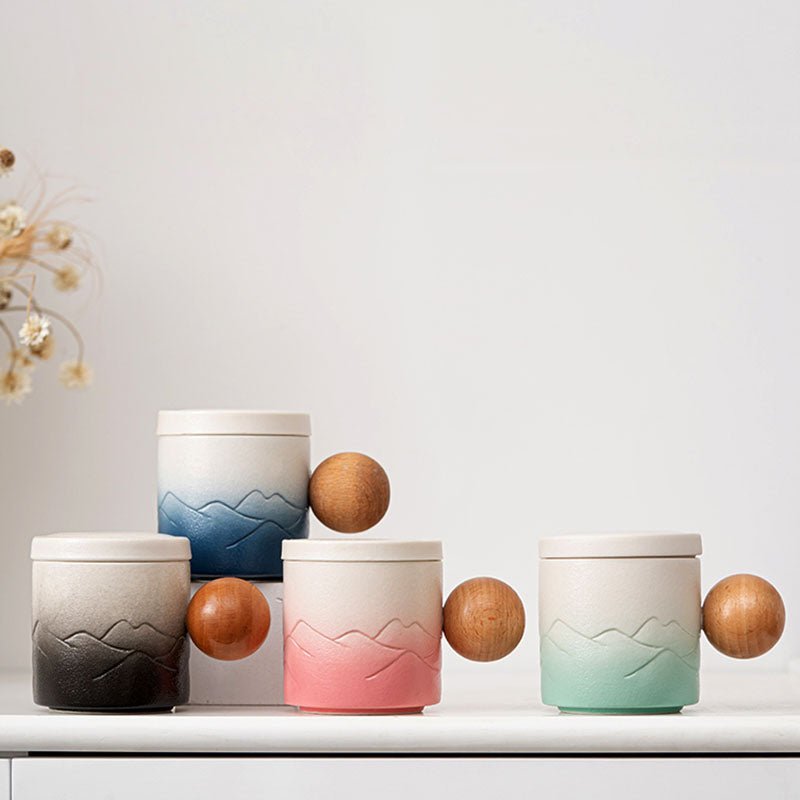
Coffee Mug Pot Buying Guide: Fit, Material, and Daily Use
A practical coffee mug pot guide for shoppers comparing fit, material, and daily use. We cover handle comfort, base stability, and the trade-offs that matter before you buy.
Weiterlesen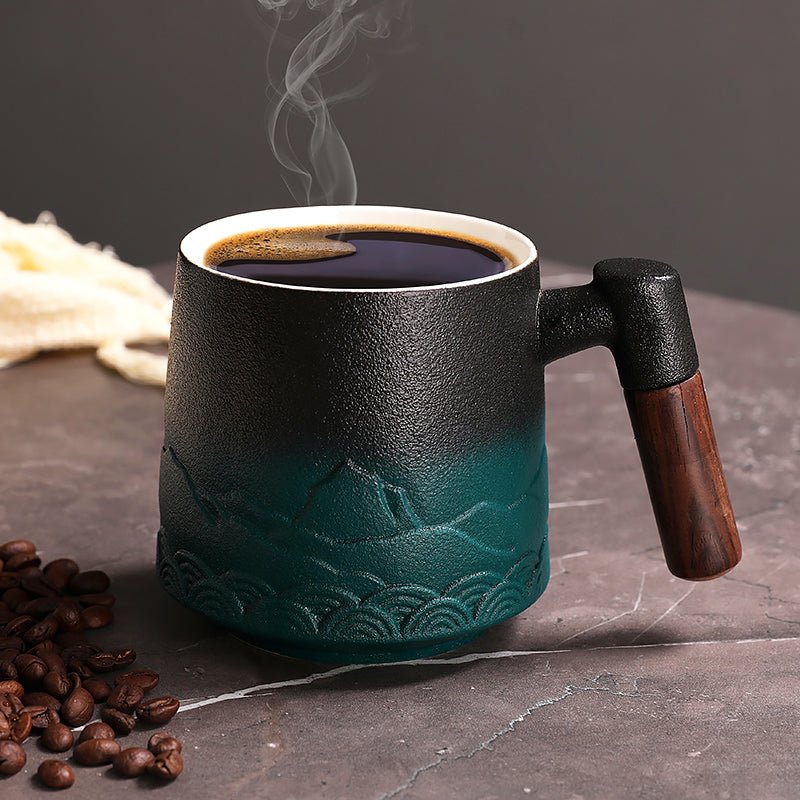
Coffee Mug Sublimation: What Works, What Fails, and What to Buy
Coffee mug sublimation works best on the right coated ceramic blank, under the right heat and pressure. Here’s what we check in our store, what can go wrong, and which mug style fits real use.
Weiterlesen
Hinterlasse einen Kommentar
Diese Website ist durch hCaptcha geschützt und es gelten die allgemeinen Geschäftsbedingungen und Datenschutzbestimmungen von hCaptcha.