
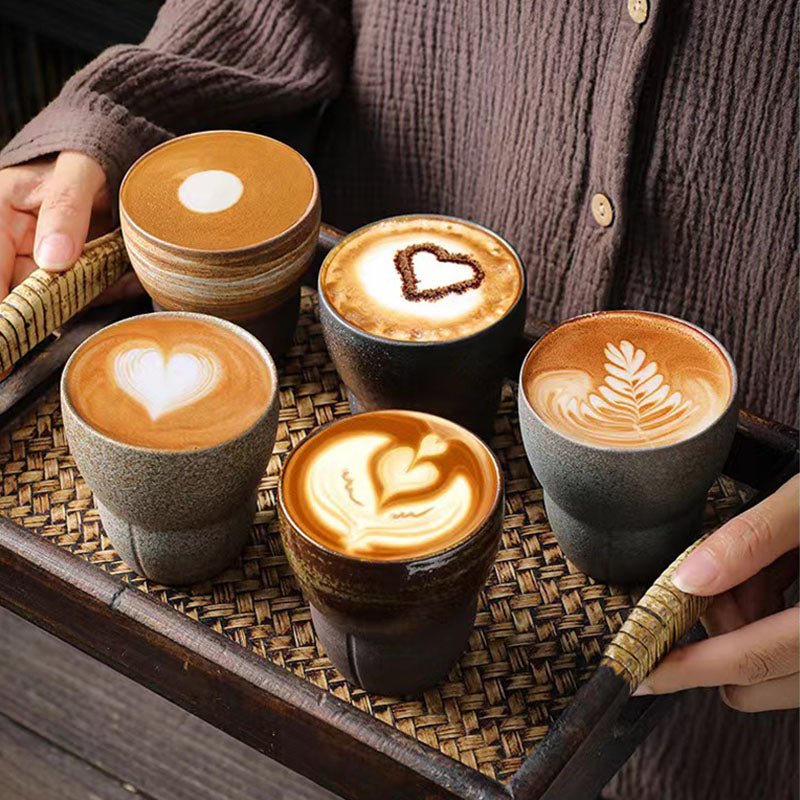
Ceramic Cup Mistakes to Avoid When Buying a Vintage Retro Small Cup
Reading time: about 9 minutes
A small retro cup can look perfect on a screen and feel wrong in the hand five minutes after unboxing. We see it happen most often with ceramic cup mistakes that sound minor at first, then become daily annoyances: a handle that feels tight, a cup that is smaller than expected, or a glaze that is harder to keep clean than the buyer assumed.
If you are comparing options for your own kitchen or a gift, start with the actual use case. For a compact, vintage-style option, take a look at our Retro Coffee Tea Cup, then browse the wider Unique Coffee Mugs collection if you want more shapes and finishes before deciding.
In our store, we spend a lot of time looking at the practical details people only notice after purchase. The cup has to sit flat on a counter, rinse clean without effort, and feel right for a short coffee, tea, or display shelf. If it fails on any of those points, the look stops mattering.
What ceramic cup mistakes do shoppers make first?
The biggest mistake is buying for the retro look before checking the actual drinking experience. A cup can have beautiful color, a clean silhouette, and a nostalgic handle, but still be a poor match if the body is too shallow, the handle is cramped, or the base does not sit steadily on a desk.
We also see buyers assume that all ceramic is the same. It is not. A well-made glazed ceramic cup feels smoother to clean, tends to resist staining better than rough or porous finishes, and usually holds up better to normal daily use. That does not mean every ceramic cup is indestructible. It just means the finish and build matter as much as the style.
The other common error is ignoring the buyer's routine. A person who drinks a short black coffee, a cortado, or tea will use a small retro cup often. Someone who wants a large latte, soup mug, or all-day desk tumbler will probably outgrow this style quickly. That is not a flaw in the cup. It is a mismatch.
- Buying only from photos of the front view and not checking the side view or base.
- Assuming a small cup will feel generous enough for a full breakfast coffee.
- Choosing a decorative finish that is harder to wipe clean than expected.
- Ignoring whether the handle looks comfortable for two fingers or only one.
If you want a broader buying framework, our article How to Choose a Vintage Retro Small Coffee Cup: Practical Buying Guide walks through the trade-offs we look for before stocking this category.
How small is too small for daily coffee?
Size is where most ceramic cup mistakes turn into returns. A vintage retro small coffee cup is usually best for short pours, not oversized drinks. That makes it a strong fit for espresso-based drinks, tea service, or a small coffee corner where the cup needs to look neat and not dominate the counter.
Before buying, picture the cup beside the drinks you actually make. If your usual pour fills a larger mug and leaves room for milk or foam, a small cup will feel limiting. If you prefer a concentrated drink or want a cup that works well on a compact tray, the smaller format makes sense.
For shoppers setting up a tight counter or office shelf, our guide to Best Ceramic Mug Size for a Small Coffee Corner is useful because it compares small cups against the space they need in real homes. The wrong size is not just about volume. It affects storage, stacking, and how often you actually reach for the cup.
| Mistake | What to check | Better match if not |
|---|---|---|
| Choosing by style only | Capacity, handle room, and base stability | A larger mug with a wider handle |
| Buying for a latte drinker | Whether the cup fits short, concentrated servings | A standard ceramic mug or travel tumbler |
| Using it as a desk all-day cup | How often it will need refills | A bigger mug with more capacity |
That table sounds simple, but it prevents the most expensive kind of disappointment, the kind you only learn about after the first week of use. A cup that looks right in a listing may still be wrong for the person using it every morning.
What ceramic details should you inspect before buying?
Good ceramic cup buying is mostly inspection. We look for a smooth glaze, a rim that feels even, a handle that is attached cleanly, and a base that sits flat without rocking. Those details are small, but they separate a nice-looking cup from one that feels careless in hand.
Here is the short version of what matters most:
- Glaze quality: A smooth interior is easier to rinse and less likely to trap coffee residue.
- Rim finish: A clean, even rim feels better to drink from and is less likely to show tiny chips early.
- Handle shape: A retro handle should still leave enough space for the fingers you actually use.
- Foot ring or base: The cup should rest flat so it does not wobble on wood, tile, or a saucer.
- Surface consistency: Look closely for pinholes, glaze pooling, or uneven seams where the handle meets the body.
These are the ceramic cup mistakes that matter because they affect everyday handling, not just appearance. A tiny pinhole is not always a deal-breaker, but if the cup will be used daily, the surface should still look deliberate and well finished. We also advise checking product photos for the underside and handle profile, not just the pretty front angle.
For buyers who want a decorative cup for a shelf, you can relax a little on capacity. For buyers who want a daily-use cup, the finish and handle deserve more attention than the pattern.
If you want a deeper checklist from the buyer side, our post Coffee Cup Mug Ceramic: What Buyers Should Check Before They Buy is a good companion piece before placing an order.
Which care mistakes shorten the life of a retro ceramic cup?
Care mistakes are where a pretty cup can lose its appeal fast. The most common one is treating every ceramic piece the same. A cup that looks sturdy on the counter can still chip if it gets knocked against a sink edge, stacked under heavier dishes, or exposed to abrupt hot-and-cold changes.
We handle enough mugs to see the same patterns repeat: people scrub decorative glaze too aggressively, leave tea stains to sit too long, or assume a cup can take the same treatment as a plain diner mug. If the listing or care card says gentle washing, follow that. If the finish is detailed or lightly textured, a soft sponge is safer than an abrasive pad.
For longer use, this is the practical routine we recommend:
- Rinse after coffee or tea instead of letting residue dry inside the cup.
- Use a soft sponge on the glazed surface to avoid dulling the finish.
- Do not slam the rim against a sink, faucet, or another mug.
- Store it where the handle will not catch on other cups or utensils.
- Let the cup adjust gradually if you are pouring very hot liquid into a cold cup.
We cover these habits in more detail in Vintage Retro Small Coffee Cup Care Tips for Longer Use, which is the best next read if you already own one and want it to stay in good shape. It is also worth looking at how the cup is stored at home. A crowded cabinet is a real source of chips.
For buyers setting up a tiny drink station, the small-apartment angle matters too. Our article Best Ceramic Mug for a Small Apartment Coffee Corner covers the space and storage side more directly.
The cup is not ideal for rough handling, sink soaking, or constant travel in a bag. If you need something for commuting or office carry, a travel tumbler is the better tool. This style is about a slower, more intentional coffee moment.
Is a vintage retro small coffee cup a good gift or desk piece?
Yes, but only if the person actually likes compact drinkware. A vintage retro small coffee cup makes a strong gift for coffee lovers, home decor fans, and anyone who appreciates a shelf-worthy object that still works in daily use. It also photographs well in an unboxing, which matters more than people admit when they are buying a present.
The trade-off is straightforward. This style is not the best pick for someone who drinks large iced coffee, oversized lattes, or multiple refills before breakfast. It is also not the best choice for someone who wants a single all-purpose mug for soup, tea, and every drink in the kitchen.
For gift buyers, our store's gift wrapping option can save time and make the presentation feel finished without extra errands. That is especially useful when you are buying for a birthday, housewarming, or holiday exchange and want the item to arrive ready to hand over.
If the buyer has a small coffee nook, you can also pair the cup with a tray or spoon so the scale feels intentional. The right mug in the wrong setup can still look awkward. That is one reason we think placement matters as much as the object itself.
We recommend this style for people who value:
- A compact footprint on a kitchen counter or office desk.
- A more decorative coffee moment instead of a large utilitarian mug.
- Easy cleanup from a smooth glazed ceramic surface.
- A gift that feels more personal than a generic cup-and-saucer set.
If your buyer is assembling a styled corner rather than just buying one mug, the selection in our Unique Coffee Mugs collection is a better place to compare shapes, finishes, and display-friendly pieces side by side.
Frequently asked questions
How do I know if a vintage retro small coffee cup is too small for my coffee routine?
Check the drinks you actually make most often. If you usually pour a large latte, iced coffee, or a long mug of tea, a small cup will probably feel restrictive. If your routine is short coffee, espresso, or a small tea serving, it should feel natural.
Is ceramic better than glass or stainless steel for this style?
For a retro tabletop look, ceramic usually gives the most authentic feel and a more solid hand presence. It also tends to be easier to pair with home decor and saucers. Stainless steel is better if portability matters more than appearance, and glass is better if you want to see the drink.
Can I put a vintage retro ceramic cup in the dishwasher every day?
Only if the product listing says it is dishwasher-safe and the finish is suitable for regular machine washing. Even then, gentle washing can help preserve the look longer, especially for decorative glazes. If the cup has detailed paint or a delicate finish, hand-washing is the safer choice.
What should I check in product photos before I buy online?
Look for the handle from the side, the underside of the base, and a close view of the rim. Those angles reveal more than the front photo does. We also look for glaze consistency, because uneven finish or pooling can be a sign that the cup was rushed.
Is this a good gift if I do not know the recipient's style well?
It can be, if the person likes coffee, vintage decor, or smaller drinkware. If you are unsure, a more neutral ceramic mug may be safer. Gift wrapping helps, but the shape still has to match the person's daily habits for the gift to get used instead of displayed only.
If you want the quickest buying path, compare the cup's size, handle comfort, glaze finish, and care needs side by side, then choose the piece that fits the way the drink will actually be used.
Read more
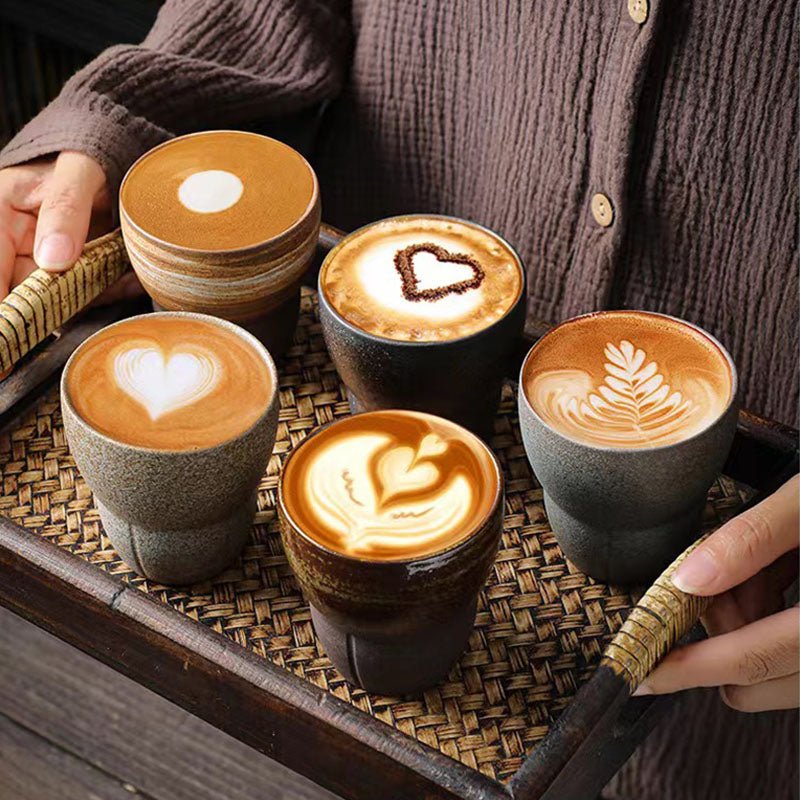
Vintage Retro Small Coffee Cup Care Tips for Longer Use
Practical care tips for a vintage retro small coffee cup, with real-world advice on washing, drying, storage, and gift presentation. Built for buyers who want a cup that stays clean, chip-resistant...
Weiterlesen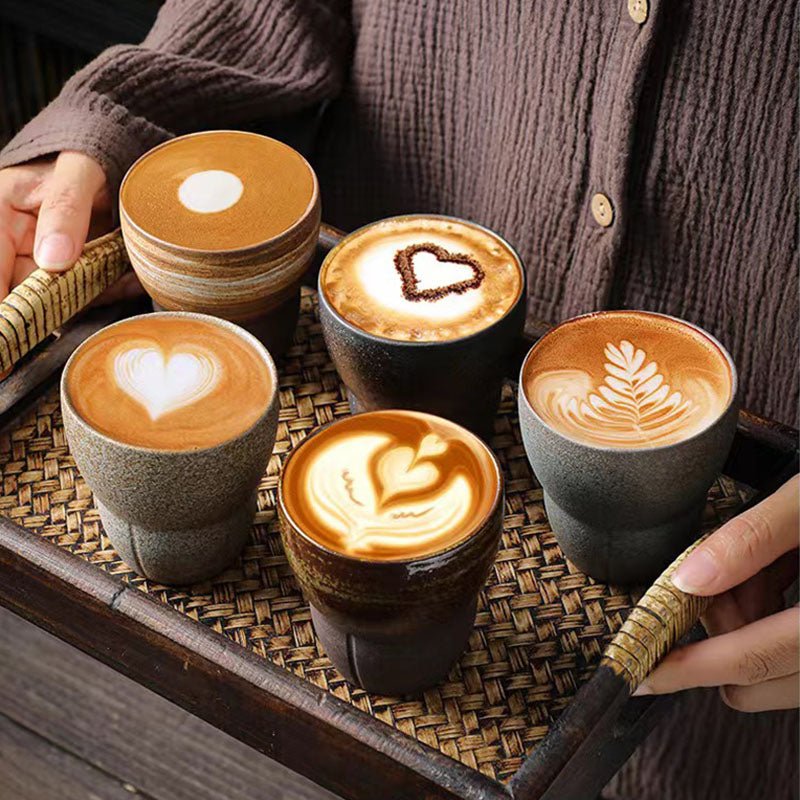
What to Compare Before Choosing a Vintage Retro Small Coffee Cup
A vintage retro small coffee cup can look right on a shelf and still feel wrong in daily use. Compare size, handle comfort, ceramic quality, and care before you buy.
Weiterlesen
Hinterlasse einen Kommentar
Diese Website ist durch hCaptcha geschützt und es gelten die allgemeinen Geschäftsbedingungen und Datenschutzbestimmungen von hCaptcha.