
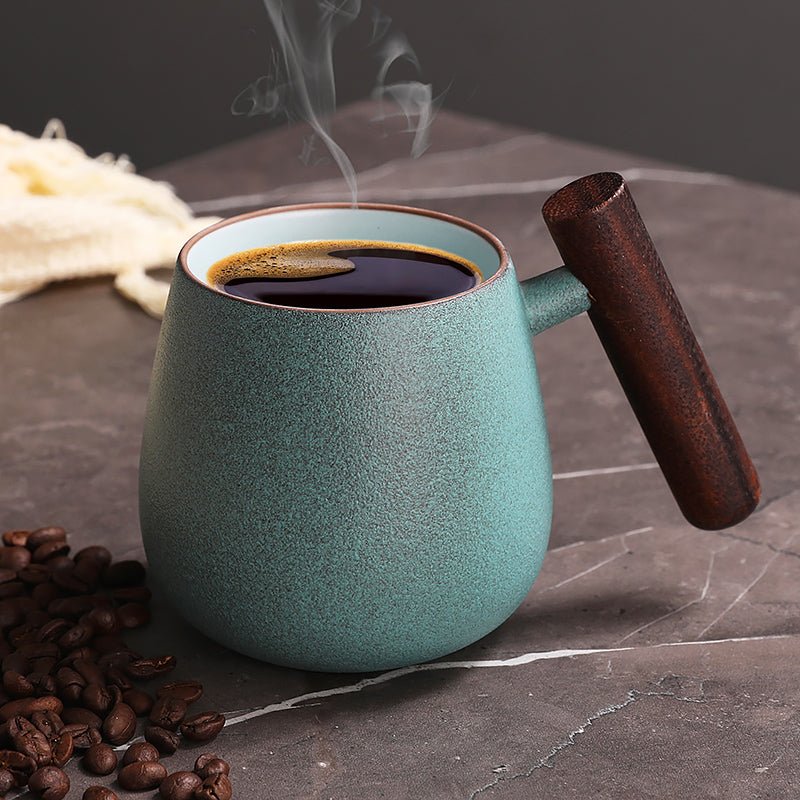
Ceramic Coffee Travel Mug Buying Guide for Everyday Use
Reading time: about 9 minutes
A ceramic coffee travel mug has a very specific job: hold a real cup of coffee on the way to work, keep it pleasant enough to drink 20 minutes later, and not taste like yesterday’s dishwasher cycle. In our store, that is usually what shoppers care about most once they get past the pretty photos.
We handle this category every day, and the same questions come up again and again. Will ceramic keep the flavor cleaner than stainless steel? Will the lid actually stay on during a commute? Is it too heavy for a bag, or too fragile for daily use? Those are the right questions. If you are comparing options, our Ceramic Travel Coffee Mug Buying Guide for Everyday Use goes deeper on the basics, but this article is focused on buying with a real-use lens.
What does a ceramic coffee travel mug do better than other travel mugs?
A ceramic coffee travel mug is usually the best fit for shoppers who care more about taste and a familiar cup feel than about maximum insulation. Ceramic does not add metallic flavor, and it is often the material people prefer for black coffee, tea, or milk drinks they want to taste clean and neutral.
Here is the trade-off we explain in our store:
- Pros: neutral taste, comfortable sipping feel, classic mug experience, easy to pair with a desk or office routine.
- Cons: usually heavier than plastic, more breakable than stainless steel, and often less effective at holding heat for long periods unless it has a well-designed lid or insulating sleeve.
If you need a mug for a long car ride, all-day heat retention, or rough handling in a backpack, a stainless insulated option may suit you better. Our Best Insulated Coffee Mug Travel: What to Buy and What to Skip explains where insulated designs make more sense.
What should you check before buying one?
We look at a ceramic coffee travel mug the same way a customer will use it: on a kitchen counter at 7 a.m., in a car cup holder, at a desk beside a laptop, and after a full dishwasher cycle. A mug can look solid online and still be annoying in real life if one small detail is off.
| What to check | Why it matters | What can go wrong |
|---|---|---|
| Lid fit | Reduces spills and helps with heat retention | Loose lid, drips through the drinking opening, or steam buildup |
| Rim shape | Affects sipping comfort and dribble control | Sharp edge, awkward flow, or coffee pooling at the lip |
| Base diameter | Determines whether it fits a car cup holder or desk tray | Mug tips easily or does not fit standard holders |
| Handle or no handle | Changes grip and portability | Too bulky for bags or too hot to hold comfortably |
| Care instructions | Protects glaze, print, and lid seal over time | Cracked glaze, warped lid parts, or worn seals after repeated washing |
We also pay attention to the ceramic itself. A well-made mug should feel balanced, not top-heavy. The glaze should look even, with no rough spots where the lip meets the rim. If the product includes a lid, check whether the lid is a simple snap-on style or a threaded design, because that affects spill resistance and cleaning.
For shoppers who want a broader comparison of mug types, our Best Coffee Travel Mug: What Shoppers Should Check Before Buying is a useful companion read.
How much heat retention should you realistically expect?
Not all ceramic coffee travel mug designs hold heat the same way. Plain ceramic will usually lose heat faster than a double-wall insulated mug, especially if the lid has a large sip opening. That does not make ceramic a bad choice. It just means you should buy it for the right routine.
For a short commute, school drop-off, or an office desk where you drink coffee within a reasonable window, ceramic performs well enough and usually tastes better to people who dislike the “sealed thermos” feel. For long meetings, a slow morning, or outdoor use in cold weather, ceramic alone may disappoint you. If heat retention is the top priority, read our Best Travel Coffee Mug: What to Check Before You Buy before making a decision.
Our practical rule: if you want your coffee to feel like a fresh mug at your desk, ceramic is a strong pick. If you want it still hot at the end of a long errand run, look harder at insulated construction.
What size and shape work best for daily use?
In real use, size matters just as much as style. A ceramic coffee travel mug that looks compact in a product photo can still be clumsy if the base is too wide for a cup holder or the body is too tall for a cabinet shelf.
Shoppers usually do better when they match the mug to the routine:
- Desk drinkers: choose a mug with a stable base, a comfortable lip, and a lid that opens easily without splashing.
- Car commuters: check cup holder compatibility first, then lid security, then height.
- Bag carriers: prioritize a tighter lid and a shape that does not snag in the side pocket.
- At-home use with occasional travel: a slightly heavier ceramic mug can be fine if it feels good in hand and sits well on the counter.
We also recommend checking weight. Ceramic travel mugs often feel better in the hand than plastic, but they are not the lightest option. If you carry a full bag all day, that difference is noticeable. This is one reason some shoppers choose ceramic for the office and a lighter material for transit.
What care and cleaning details matter most?
Care is where a lot of mug regret starts. A ceramic coffee travel mug may be dishwasher-safe, but the lid, seal, or printed finish may need more careful handling. We tell customers to read the care notes before they buy, not after the first wash.
These are the common maintenance points we watch for:
- Lid pieces: removable parts clean better, but they can also collect coffee oils if you do not separate them.
- Glazed interior: a smooth glazed cup is easier to rinse and less likely to hold odor than unfinished surfaces.
- Exterior finish: matte coatings and printed designs can show wear sooner if scrubbed aggressively.
- Seal condition: if the lid uses a gasket, check that it stays seated after repeated washing.
Real-world note from our side: most customer complaints with travel mugs are not about the mug body itself. They are about lids, seals, and staining around the drinking opening. That is why we think about the lid as part of the product, not an accessory.
If you are comparing ceramic options with a full mug-body focus, our Ceramic Coffee Mug Buying Guide: What to Check Before You Buy covers finish, feel, and durability in more detail.
What are the most common failure points?
We see the same few problems across this category. Knowing them helps you avoid a disappointing purchase.
- Loose lids: A lid may fit at first and then feel less secure after repeated use or washing.
- Drip-prone sip openings: Some lids pour well but drip on the way back to the desk.
- Chipped rims: Ceramic can chip if it knocks against a sink, another mug, or a hard counter edge.
- Unstable bases: A mug that is narrow at the bottom can tip if the desk surface is crowded.
- Thermal disappointment: If the mug has no insulation, coffee cools faster than buyers expect.
Those are not reasons to avoid ceramic travel mugs altogether. They are reasons to buy with your actual routine in mind. If you know you are rough on drinkware, a ceramic travel mug may be better for home and office than for a daily backpack commute.
Who should buy a ceramic coffee travel mug, and who should skip it?
A ceramic coffee travel mug is a smart buy for people who drink coffee quickly, prefer clean flavor, and want something that feels like a real mug instead of a portable container. It also makes sense for gifting, because the unboxing experience tends to feel more thoughtful than a basic plastic cup.
It is not the best fit for everyone. Skip ceramic if:
- you drop mugs often,
- you need maximum insulation for long travel days,
- you want a very lightweight cup for commuting, or
- you are hard on lids and want the most forgiving spill protection possible.
For buyers who are specifically comparing ceramic travel options with lids, our Ceramic Coffee Mug with Lid: What to Check Before You Buy is a useful next read. It helps narrow the gap between a nice desk mug and a travel-ready one.
How do our ceramic coffee travel mugs fit into a broader buying decision?
We organize our store so shoppers can compare pieces without guessing. If you are still deciding, start from the use case. A mug for office coffee does not need the same design as one for school runs or weekend errands.
Our collection page makes it easy to compare styles side by side. You can browse our current drinkware and related options through our full collection, or head straight to our product listings if you want to see the available ceramic coffee travel mug options right away.
We find that the best purchase decisions happen when shoppers compare these five points in order:
- How far the coffee needs to travel.
- Whether spill resistance matters more than taste.
- Whether the mug must fit a car cup holder.
- How often the lid will be washed.
- Whether the mug is for daily use, gifting, or occasional travel.
Frequently asked questions
Is a ceramic coffee travel mug better than stainless steel for taste?
For many people, yes. Ceramic is neutral and does not carry the metallic note that some drinkers notice with stainless steel. If taste and a classic mug feel matter most, ceramic is usually the more comfortable choice.
Can I put a ceramic coffee travel mug in the dishwasher?
Sometimes, but check the product care instructions first. The mug body may be dishwasher-safe while the lid, gasket, or printed exterior needs gentler cleaning. We usually recommend hand-washing lids so seals last longer.
Will a ceramic coffee travel mug fit in my car cup holder?
Only if the base diameter matches your holder, so this is worth checking before you buy. Some ceramic travel mugs are shaped for desk use more than car use. If you commute daily, cup holder fit should be near the top of your checklist.
Is ceramic safe for hot coffee?
Yes, ceramic is a standard material for hot beverages. The bigger question is whether the lid and handle design make it comfortable and practical for your routine. Always use care with very hot liquids, especially right after brewing.
What should I avoid if I want a ceramic coffee travel mug for everyday use?
Avoid mugs with vague lid descriptions, flimsy seals, or a shape that does not match how you actually carry coffee. Also avoid oversized designs if you need them to fit in a cabinet, bag, or cup holder. Everyday use is where these details show up fastest.
If you want to compare options before choosing, check your checklist against the product pages in our product listings, then browse the full collection for the style that matches your routine best.
More from our blog
Read more
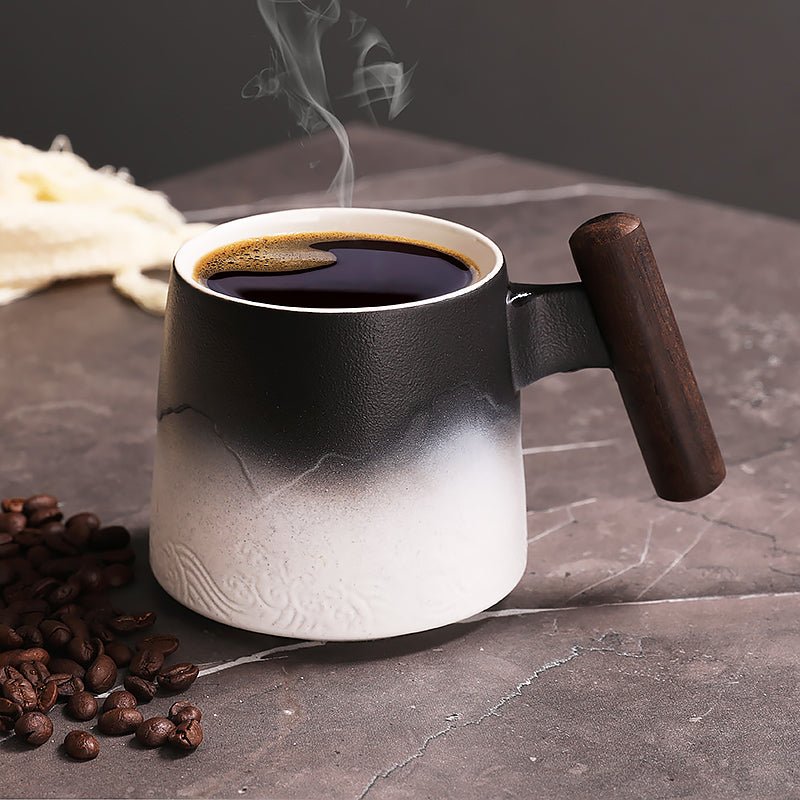
Mr and Mrs Coffee Mugs: What to Check Before You Buy
A practical buyer’s guide to mr and mrs coffee mugs, with material, size, care, and gifting details we look for in real orders. Compare styles, spot trade-offs, and choose a set that gets used afte...
Weiterlesen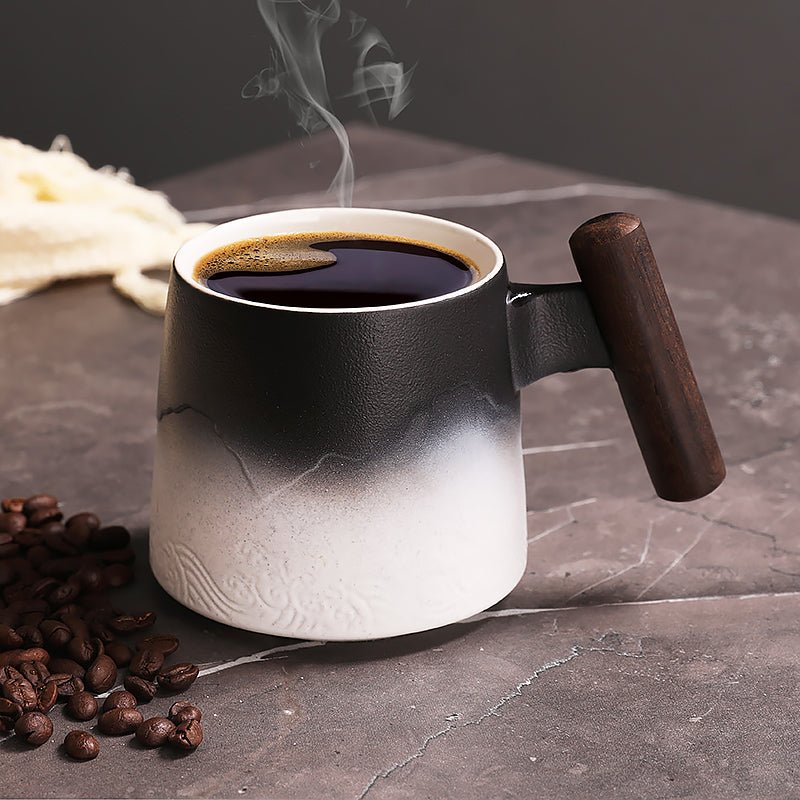
Mexican Clay Coffee Mugs: How to Choose the Right One
Mexican clay coffee mugs bring a heavier feel, warmer look, and a more handmade drinking experience. This guide explains what to check for size, glaze, care, and daily use before you buy.
Weiterlesen
Hinterlasse einen Kommentar
Diese Website ist durch hCaptcha geschützt und es gelten die allgemeinen Geschäftsbedingungen und Datenschutzbestimmungen von hCaptcha.