
Ceramic Coffee Mugs Factory Guide: What Buyers Should Check Before Ordering
Reading time: about 10 minutes
A mug can look right in a product photo and still feel wrong the first time it lands on a kitchen counter. The handle may be a little tight, the rim may drink hot too fast, or the glaze may show fine marks after a few dishwasher cycles. That is the part buyers usually learn after the fact.
At our store, we see those trade-offs every day because shoppers are not just buying a color or a shape. They are choosing how a mug will feel in the hand, how it will behave with hot coffee, and whether it will still look good after regular use. If you are comparing options from a ceramic coffee mugs factory, this guide breaks down the details that matter before you place an order.
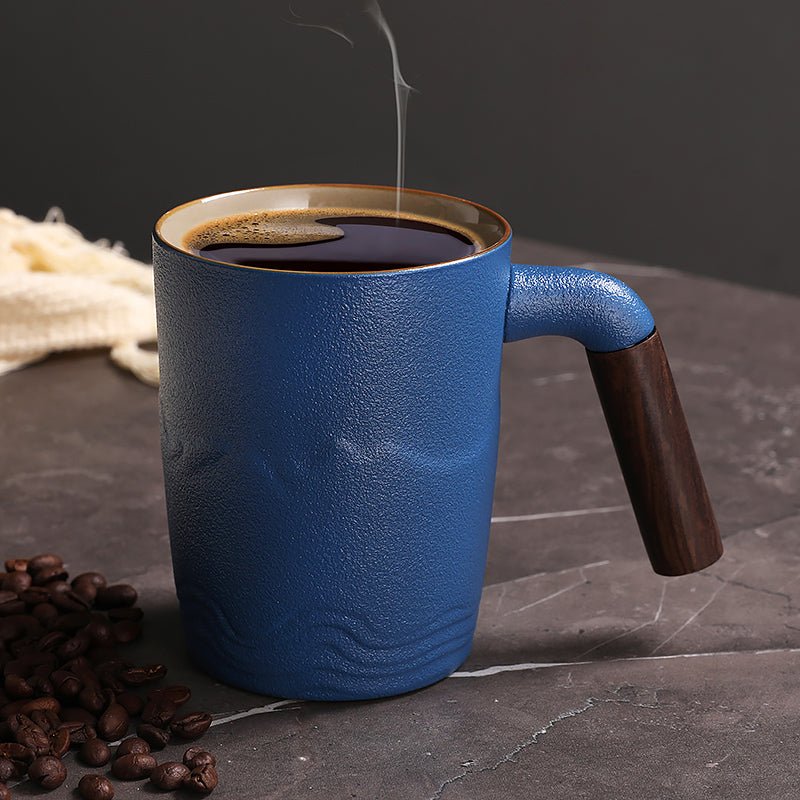
We also keep this practical. If you want to browse our current mug styles while reading, start with our full collection. For a few specific examples, we will reference the Pleated Coffee Tea Cup, The Flow Coffee Tea Mug, and Mountain Sea Coffee Tea Mug as we compare shapes and use cases.
What does a ceramic coffee mugs factory actually control?
A good factory is not just forming clay and firing it. It is controlling the parts that decide whether a mug feels solid or cheap: clay body, wall thickness, glaze finish, rim smoothness, handle attachment, and kiln consistency. Those details are what shoppers notice at the breakfast table and at the office desk.
In practice, a factory can influence:
- Material body: ceramic, typically designed for everyday hot drinks and a smooth glazed surface.
- Wall thickness: thinner walls feel lighter but can cool faster; thicker walls hold heat longer but add weight.
- Rim finish: a clean rim matters because your lip touches it every day.
- Handle shape and spacing: if two fingers barely fit, the mug may look good and still be awkward in use.
- Glaze quality: an even glaze helps the mug look finished and reduces the chance of rough patches or pinholes.
We have found that shoppers often focus on capacity first, then realize the handle or rim shape matters just as much. That is why our own product pages try to show more than one angle. For a deeper look at size and day-to-day handling, our article on Ceramic Coffee Mugs 20 oz: Buyer's Guide for Fit, Heat, and Care is useful if you are comparing larger mugs for long mornings or desk use.
Which mug details separate a good factory mug from a frustrating one?
Two mugs can be the same size on paper and still feel very different. Buyers usually notice the differences after one or two uses. That is why we always tell customers to look beyond capacity.
| Detail | What to check | Why it matters |
|---|---|---|
| Rim | Smooth, even edge with no rough spots | A rough rim is obvious at first sip |
| Handle | Comfortable gap for two fingers, stable join to the body | A weak or cramped handle makes a mug feel awkward |
| Base | Flat and stable, without wobble | Helps prevent spills on desks and counters |
| Glaze | Even coverage, no pinholes or thin spots | Improves appearance and day-to-day wear |
| Wall thickness | Balanced, not overly heavy or too delicate | Changes heat retention and hand feel |
We handle a lot of mugs here, and the common complaint is rarely “this color was wrong.” It is more often “the handle is tighter than I expected” or “the mug feels heavier than it looked.” Those are not defects every time, but they are real trade-offs.
If you are buying for someone who wants a clean, simple shape, the Flow Coffee Tea Mug is a useful reference point. If you want a more textured look, the Pleated Coffee Tea Cup shows how form can change grip and visual appeal without changing the mug’s basic purpose.
How do shape and capacity change the way a mug feels every day?
Shape affects more than style. It changes heat loss, comfort, and where the mug fits in real life. A wide mug cools faster because the surface area is larger. A taller mug usually keeps a smaller opening and can feel more contained, but it may be less stable on a crowded tray or desk.
Here is the practical version:
- Short, wide mugs are often easier to sip from and may suit relaxed home use.
- Taller mugs can work well for people who want a more compact drinking surface and less spill risk.
- Textured or faceted mugs can improve grip, but they may take up more visual space in a cupboard.
- Simple curved mugs usually stack and store more easily, though some buyers find them less distinctive as gifts.
The Mountain Sea Coffee Tea Mug is a good example of a mug where the visual profile matters as much as the function. It can feel more giftable because it looks considered, but that same character may not be the best match for someone who wants the plainest possible work mug. If your priority is daily use over display, our guide Ceramic Coffee Mugs: How to Choose the Right One for Daily Use covers the trade-offs we see most often.
What should you ask before buying from a ceramic coffee mugs factory?
Before ordering, we recommend asking a few direct questions. These are the ones that help avoid unpleasant surprises after delivery.
- What is the mug made from? Ask whether it is standard ceramic and how the glaze is finished.
- What size is it in real use? Capacity on paper is useful, but rim width and handle clearance matter just as much.
- Is it dishwasher safe? Even if a mug can go through the dishwasher, printed decoration and glaze details may age differently over time.
- Can it handle microwave use? Some mugs are fine for reheating, but metallic accents and certain finishes are not.
- What does the underside look like? A smooth foot ring or base helps protect tables and gives a more finished feel.
We try to answer these questions in our product pages because buyers should not have to guess. That is also why we point shoppers to the full collection instead of forcing one style to do every job. A mug that works for a desk may not be the best pick for casual tea service at home.
Our experience is simple: the best ceramic mug is the one that feels comfortable after the third refill, not just the first unboxing.
What care habits help ceramic mugs last longer?
Ceramic is sturdy, but it still needs basic care. The usual wear points are not dramatic failures. They are the small things buyers notice over time: cloudy glaze, faint utensil marks, chips on the rim, or a base that picks up scratches from hard countertops.
Here is the care routine we recommend for everyday use:
- Rinse soon after use if the mug held coffee, tea, or anything with strong color.
- Avoid sudden temperature changes, like moving a very hot mug straight into cold water.
- Check the rim and handle join during washing so small chips are caught early.
- Use a soft sponge when possible if you want the glaze to stay looking clean longer.
- Let the mug dry fully before storing it in a cabinet with stacked items around it.
These habits sound basic because they are. But they matter. A mug that is technically dishwasher safe can still show wear faster if it is tossed into a crowded rack or rubbed against heavier dishes. That is one reason buyers who care about appearance often choose a slightly thicker, smoother glaze finish.
If you are specifically weighing size, the two 20 oz guides on our blog are worth a look because larger mugs have their own care and handling quirks: Ceramic Coffee Mugs 20 oz: Fit, Heat, and Daily Use Guide and Ceramic Coffee Mugs 20 oz: Buyer's Guide for Fit, Heat, and Care.
Which ceramic mug style fits gifts, office desks, and home kitchens?
The right mug depends on where it will live. A gift mug should feel a little special. An office mug should be stable and easy to carry. A home mug should be comfortable enough to use every day without feeling precious.
Here is how we usually think about it:
- For gifts: choose a visually distinct shape or glaze. The Mountain Sea Coffee Tea Mug works well if you want something with more character than a basic cylinder.
- For office desks: choose a stable base and a handle that is easy to grab quickly between meetings. Clean, simple silhouettes usually win here.
- For home counters: focus on comfort, rinseability, and whether the mug fits your usual coffee amount without needing constant refills.
- For tea as well as coffee: a mug with a comfortable rim and moderate capacity tends to be the most flexible.
One trade-off we see often is this: the most decorative mug is not always the easiest to stack or store. If cabinet space is tight, a simpler profile may be the better buy even if it is less dramatic on the shelf.
How do you compare factory-made ceramic mugs without getting distracted by style?
Style matters, but only after the basics are right. We suggest comparing mugs in this order:
- Use case: desk, kitchen, gift, or occasional serving.
- Size: enough for your normal pour without being too heavy when full.
- Handle comfort: test the finger gap and balance if you can.
- Rim and glaze: look for smooth contact points and even finishing.
- Care routine: match the mug to the amount of washing and handling it will actually get.
A factory can make a mug that looks polished, but the best test is still simple: imagine using it twice a day for months. If that thought makes you hesitate because the shape feels too delicate, too tall, or too ornamental, it is probably not the right match.
For shoppers who want more detail on what to inspect before buying ceramics in general, our article Ceramic Coffee Mugs: What to Look For Before You Buy is a good companion read. It pairs well with this guide if you are narrowing choices before checkout.
Frequently asked questions
What should I check first when buying from a ceramic coffee mugs factory?
Start with the basics: material, handle comfort, rim finish, and whether the mug is meant for daily use or more decorative use. After that, check care notes for dishwasher and microwave handling. Those are the details that affect satisfaction long after the first unboxing.
Are ceramic coffee mugs good for everyday use?
Yes, if the mug has a comfortable handle, a stable base, and a smooth glaze. Ceramic is a solid everyday choice for coffee and tea, but it is not ideal if you want something nearly unbreakable for travel or outdoor use. For that, another material may be a better fit.
What problems should I watch for in a ceramic mug?
The most common issues are rough rims, handle joins that feel sharp or thin, glaze pinholes, and chips near the base or lip. These are not always visible in a perfect photo, which is why product details and clear images matter. If a mug feels awkward empty, it usually feels worse when full.
Do ceramic mugs keep coffee hot for a long time?
They hold heat reasonably well, especially thicker mugs, but they are not insulated travel cups. Wide mugs usually cool faster than narrower ones because more steam escapes from the top. If heat retention is your top concern, ceramic is only part of the answer; the mug shape matters too.
Can I put a ceramic mug in the dishwasher and microwave?
Many ceramic mugs can handle both, but not every finish or decoration is the same. We always recommend checking the product care instructions for the exact mug you buy. If you plan to reheat often, avoid mugs with metallic accents or finishes that are not marked for microwave use.
If you want to keep comparing shapes, start with our full ceramic mug collection and then open the product pages side by side. A quick checklist helps: handle comfort, rim smoothness, size, glaze finish, and whether the mug suits your real routine more than your wish list.
Read more
Beach Coffee Mugs: Best Shapes, Sizes, and Gift Picks
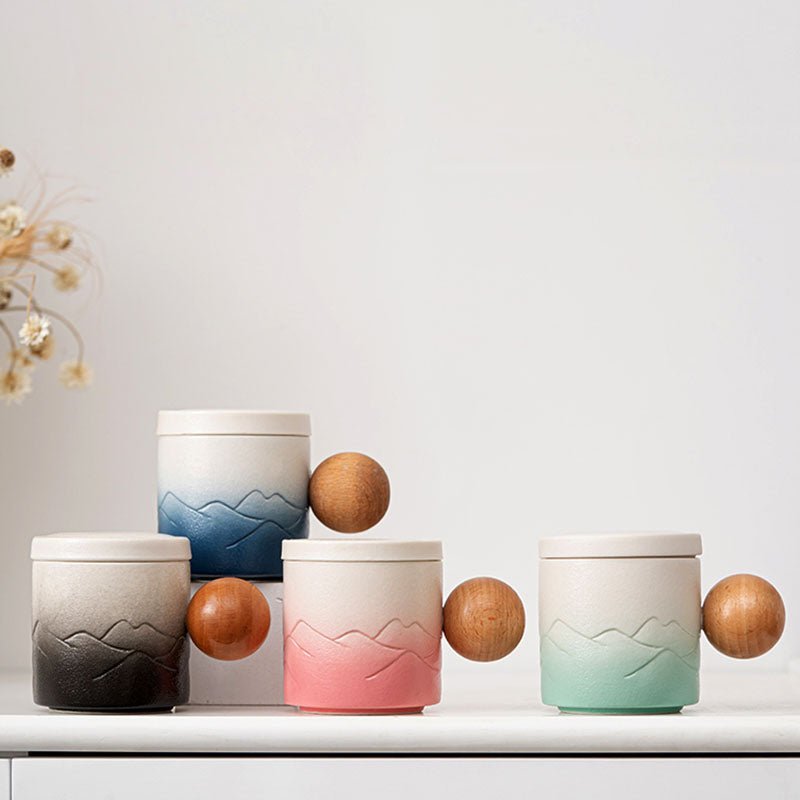
Beach coffee mugs should feel easy to use, sturdy on a table, and pleasant to drink from. Here is how we compare shape, comfort, and everyday practicality before you buy.
Weiterlesen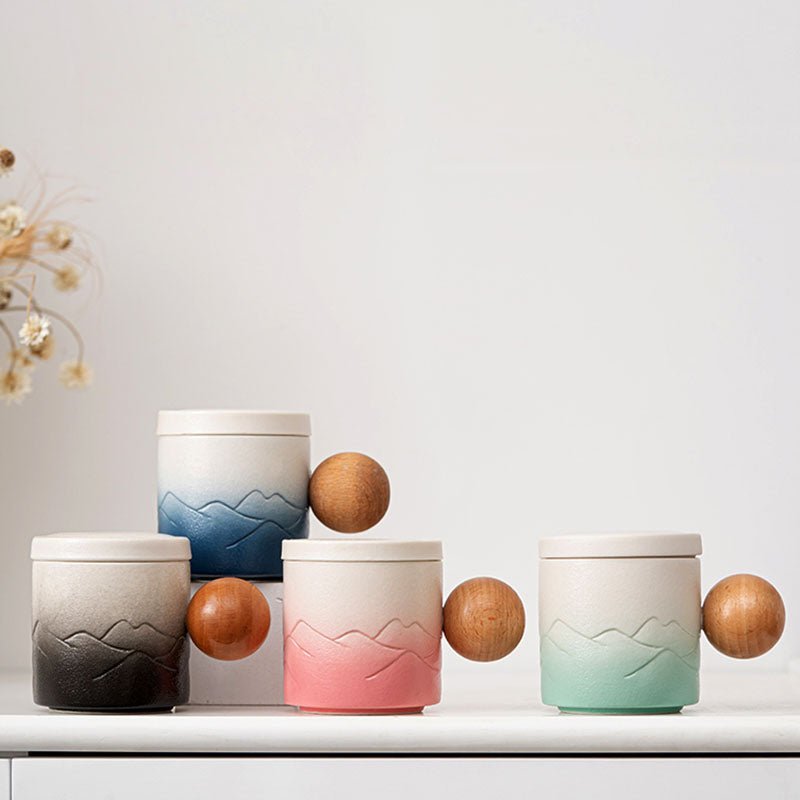
Coffee Mugs With Scripture Verses: How to Choose a Gift or Daily Mug
A practical guide to coffee mugs with scripture verses, including what to check before buying, which styles make the best gifts, and where design, size, and care matter most.
Weiterlesen
Hinterlasse einen Kommentar
Diese Website ist durch hCaptcha geschützt und es gelten die allgemeinen Geschäftsbedingungen und Datenschutzbestimmungen von hCaptcha.