
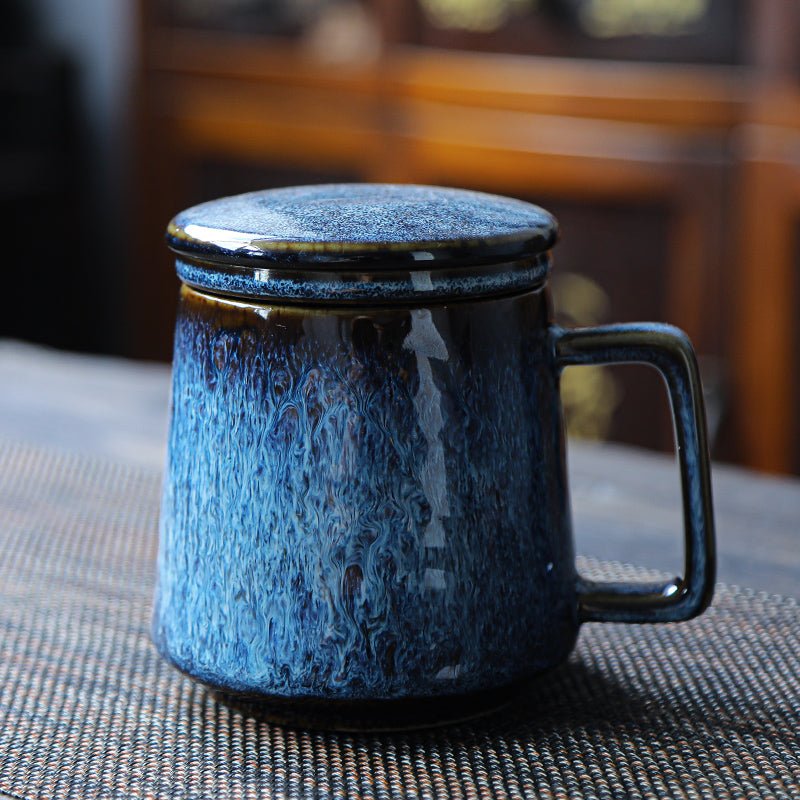
Ceramic Coffee Mugs Factory Guide for Buyers: Quality, Fit, and Care
Reading time: about 8 minutes
A mug that rocks on a counter, feels slippery after the first sip, or chips at the rim during unpacking usually gets pushed to the back of the cabinet. That is the kind of problem a ceramic coffee mugs factory should solve before the mug ever reaches your kitchen, office desk, or gift box.
At CoffeifyMug, we look at the parts buyers actually notice: the way the handle clears two fingers, how the glaze finishes the inside, whether the base sits flat, and how the mug behaves after a few dishwasher cycles. If you want to compare styles first, start with our full collection and then narrow down from there.
What does a ceramic coffee mugs factory actually control?
The factory is not just shaping clay. It is controlling the clay body, wall thickness, glaze coverage, firing consistency, and final inspection. That is why two mugs that look similar online can feel very different in the hand once they arrive.
The details we watch most closely are plain but important. A smooth glazed interior helps reduce staining from coffee and tea. A flat foot ring helps the mug sit steady on a desk or nightstand. An even rim matters because a rough sip edge or tiny chip is the first thing a buyer notices after unboxing.
We also pay attention to common ceramic issues that show up in real use, not just in photos:
- Pinholes in the glaze can collect stains over time.
- Rough foot rings can scrape a table surface or make the mug feel unfinished.
- Wobble on a flat counter usually points to an uneven base.
- Hairline crazing can show up later if the firing or glaze match is off.
That is why a good factory process is about consistency, not decoration alone. A pretty mug that cannot sit straight or clean easily is not a good daily mug.
Which mug details matter most before you buy?
If you are comparing ceramic mugs for everyday use, these are the details we recommend checking before you click buy. They are the ones that affect comfort, cleanup, and whether the mug actually gets used.
| Detail | Why it matters | What we look for |
|---|---|---|
| Handle clearance | Determines whether two fingers fit comfortably | Enough space so your knuckles do not rub the mug body |
| Rim finish | Affects sip feel and chip resistance | An even, smooth edge with no sharp spots |
| Wall thickness | Changes weight and heat feel | Substantial enough to feel sturdy, not so thick it feels bulky |
| Foot ring | Controls stability on hard surfaces | A flat base that does not wobble on the counter |
| Glaze coverage | Helps with cleaning and stain resistance | Full coverage inside the mug and around the drinking area |
If you are choosing a larger everyday mug, our Ceramic Coffee Mugs 20 oz: Buyer's Guide for Fit, Heat, and Care is a useful next read. For a broader checklist, Ceramic Coffee Mugs: What to Look For Before You Buy covers the basics we use when we inspect a mug for the store.
Which mug style fits daily coffee, office use, or gifting?
Not every ceramic mug should do the same job. A desk mug, a gift mug, and a mug for slow weekend pours often need different shapes and different visual cues. In our experience, shoppers are happier when the style matches the use case instead of trying to force one mug to do everything.
- The Flow Coffee Tea Mug is a clean choice for daily coffee at a desk. The shape reads simple and calm, which is useful if you want a mug that disappears into routine instead of drawing attention.
- Pleated Coffee Tea Cup makes more sense if you want a tactile profile and a mug that feels a little more giftable out of the box. Textured sides can also help the mug feel more secure in the hand.
- Mountain Sea Coffee Tea Mug leans more decorative. It is a better fit if the mug is going to sit on a shelf, live in a gift set, or be part of a kitchen where the visual shape matters as much as the drinkware function.
None of these are travel mugs. If you need something for commuting, a ceramic mug is the wrong category. Ceramic is best on a counter, on a desk, or at the table where the mug can stay stable and upright.
How do you compare mugs without guessing?
We use a simple check before we recommend a ceramic mug to a customer. It works because it focuses on fit, not hype.
- Hold the empty mug by the handle with two fingers and check whether your knuckles touch the mug body.
- Set it on a flat counter and see if it wobbles or sits solidly.
- Run your finger around the rim to feel for rough glaze, tiny chips, or uneven finishing.
- Look inside the bowl of the mug for glaze coverage, pooling, or rough spots that could stain faster.
- Check the product care notes before assuming it belongs in the dishwasher or microwave.
If you want a broader buying lens, these two articles help narrow the field fast: Ceramic Coffee Mugs: How to Choose the Right One for Daily Use and Ceramic Coffee Mugs to Paint: What Buyers Should Check Before Ordering. The first is useful for everyday shopping. The second is useful if you are comparing blank or craft-friendly mugs and want to avoid weak finishing.
If a mug feels awkward empty, it usually feels worse once it is full.
What should you expect from care and durability?
Ceramic mugs are sturdy for home use, but they are not indestructible. A good mug should handle normal coffee routines, rinse clean without drama, and survive regular shelf-to-sink movement. It should not be treated like a travel bottle or tossed into a bag with keys and chargers.
Here is the practical version of care:
- Avoid sudden temperature swings. Going from cold storage to boiling liquid can stress ceramic and lead to cracking over time.
- Use the care instructions on the product page. Some mugs are fine in the dishwasher; others are better hand washed to protect the finish.
- Watch for hard-water spotting. Dishwasher-safe does not always mean spot-free if your water is mineral-heavy.
- Skip abrasive scrub pads. They can dull glaze, especially on decorative surfaces.
- Check the handle and base after shipping. Those are the first places to show damage if a box took a hit in transit.
This is also where trade-offs matter. A thick-walled mug feels solid and holds heat well, but it may feel heavier in the hand. A lighter mug is easier to lift, but it may not keep heat as long. A decorative surface can look better in a gift box, but it may show wear faster than a plain glaze.
For buyers who are deciding between looks and everyday practicality, our store usually recommends starting with function first, then style second. That approach cuts down on regret.
How do we shop this category in our store?
When we look at ceramic mugs for our store, we do not start with the pattern. We start with the use case. A good mug for a Monday morning pour is not always the best mug for a gift basket, and neither one is necessarily the right size for someone who drinks tea all afternoon.
That is why we like to compare options in a simple order:
- Daily use first: Does it feel easy to hold on a kitchen counter before coffee?
- Cleaning second: Will the interior stay reasonably clean after repeated washing?
- Presentation third: Does it look good enough to hand to someone as a gift?
- Storage last: Can it stack or sit neatly on the shelf without taking over the cabinet?
If you are still narrowing the field, the collection page is the quickest place to compare styles side by side. And if you are still deciding on specific design trade-offs, our article Ceramic Coffee Mugs Starbucks Buyers Should Check Before Buying is helpful for shoppers who want a familiar look but do not want to miss the practical details that matter after unboxing.
Frequently asked questions
What should I check first in a ceramic coffee mugs factory product?
Start with the basics: handle comfort, rim finish, base stability, and glaze coverage. Those four checks tell you more about daily satisfaction than the pattern or color alone. If the mug feels awkward empty, it usually will not improve once you pour in coffee.
Are decorative ceramic mugs as practical as plain ones?
Sometimes, but not always. Decorative mugs can be perfectly usable, but textured surfaces, special glazes, and shaped bodies may be a little harder to clean or a little heavier in the hand. If you want the easiest everyday mug, a simpler finish usually wins.
What size ceramic mug works best for everyday coffee?
That depends on how you drink. Smaller mugs feel better for short pours and espresso-based drinks, while larger mugs suit long desk sessions or tea drinkers who do not want frequent refills. If you are leaning larger, our 20 oz buying guide is worth reading before you choose.
Can I put a ceramic mug in the dishwasher every day?
Only if the product care notes say it is suitable for that use. Even then, repeated dishwasher cycles can show hard-water spotting or wear on delicate glaze details over time. If the mug has a more decorative finish, hand washing may keep it looking better longer.
What is the biggest downside of ceramic mugs?
The main trade-off is fragility compared with travel drinkware. Ceramic is great for the desk, kitchen, or dining table, but it can chip or crack if dropped or packed badly. If you need something for commuting, a non-ceramic travel mug is the better category.
If you want the fastest next step, start with the full collection and compare handle feel, rim finish, and care notes before you choose. That is the shortest path to a mug that actually gets used every day.
Read more
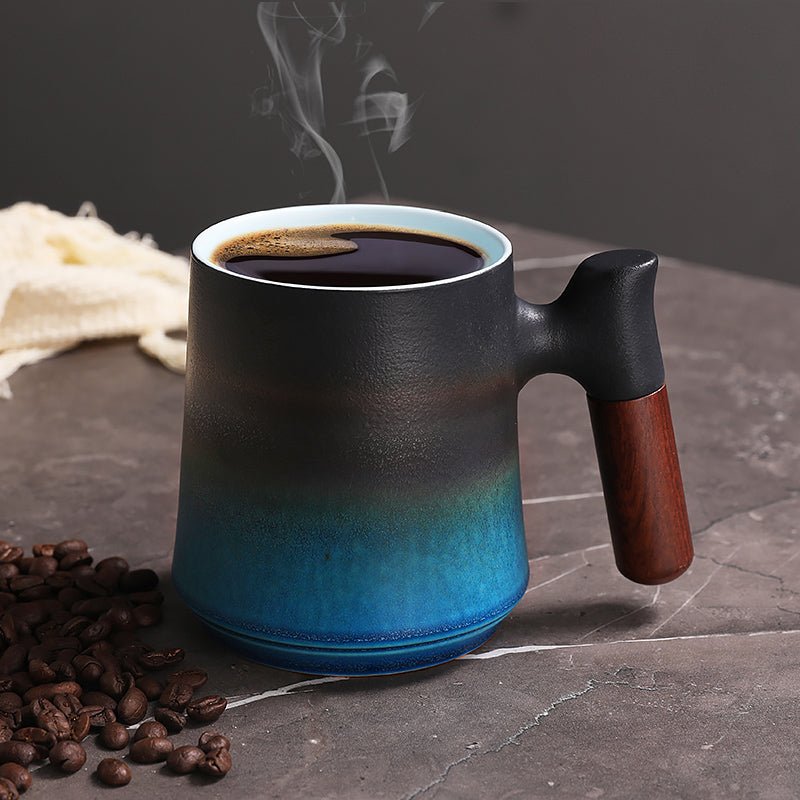
Acme Coffee Mugs: What to Look For Before You Buy
A practical buying guide for acme coffee mugs, with real-world trade-offs on size, comfort, care, and which styles make sense for daily use or gifting.
Weiterlesen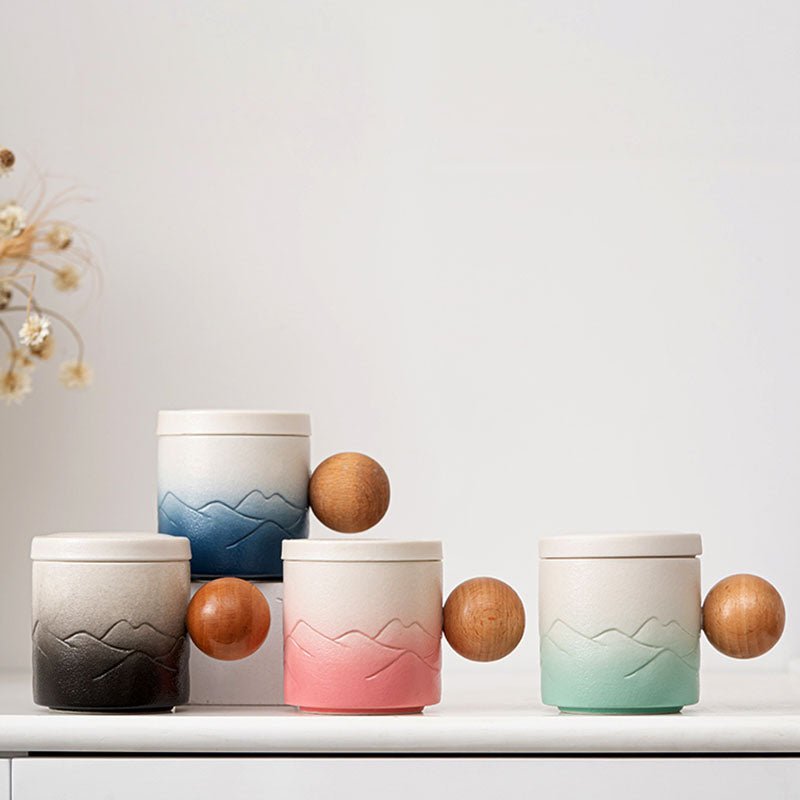
Coffee Mug Store Guide: How to Choose the Right Mug for Daily Use
A practical coffee mug store guide for shoppers comparing size, comfort, and everyday use. We cover the trade-offs that matter at the sink, at the desk, and in the dishwasher.
Weiterlesen
Hinterlasse einen Kommentar
Diese Website ist durch hCaptcha geschützt und es gelten die allgemeinen Geschäftsbedingungen und Datenschutzbestimmungen von hCaptcha.