
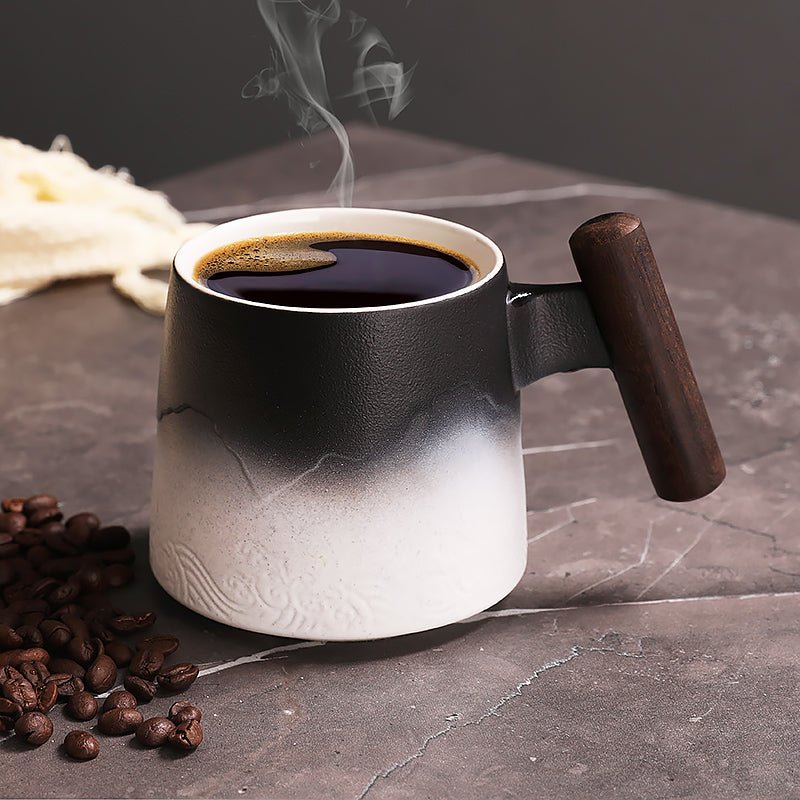
Car Coffee Mug Buying Guide: Fit, Materials, and Real Trade-Offs
Reading time: about 9 minutes
The first bad sign is usually small: the mug wobbles in the cup holder, the lid shifts when you turn, or the handle bumps the console before you even leave the driveway. A car coffee mug only earns its keep if it works one-handed, stays put, and does not turn your commute into a cleanup job.
We see shoppers compare these mugs for very practical reasons. Some are buying for a short school run, some for a long highway drive, and some just want coffee that stays warm between the kitchen and the parking lot. In our store, we look at the same details buyers notice in real life: base width, lid seal, wall thickness, and how the mug behaves after repeated dishwasher cycles.
What makes a car coffee mug different from a regular mug?
A regular mug is designed for a table. A car coffee mug has to deal with movement, vibration, and a cup holder that may be narrow, deep, or oddly shaped. That changes what matters most.
- A secure lid matters more than the open drinking experience. A mug that is pleasant at a desk can still spill the second you brake.
- The base needs to match the holder, not just the capacity. A 12 oz mug with a wide flare can fit worse than a taller 16 oz mug with a narrower bottom.
- One-hand use matters. If you need two hands to open the lid, the mug is awkward for driving.
- Temperature control matters, but not at the expense of cleaning. A lid with too many small parts is often harder to keep fresh.
That is why an open ceramic mug is usually the wrong answer for a car. It can work for a very short, smooth drive, but it is not the choice we would recommend if the mug will live in a center console or get moved around between seats and bags.
Which material works best for commuting?
Material changes how the mug feels, how it cleans, and how forgiving it is in the car. There is no single best option for every buyer, so we compare them by actual use instead of marketing language.
| Material | What it does well | Trade-offs | Best for |
|---|---|---|---|
| Stainless steel | Handles bumps well, usually offers the strongest heat retention, and is a solid pick for daily commuting. | Can dent, can feel heavier than plastic, and some lids need careful washing to avoid lingering coffee oils. | Drivers who want a dependable everyday car coffee mug. |
| Ceramic | Clean taste, familiar mug feel, and a good choice if you also use it at a desk. | Chips more easily, is less forgiving on rough roads, and is usually not the best option for open cup holders. | Short commutes and stable drives where the mug is mostly carried by hand. |
| Hard plastic or Tritan-style body | Lightweight and less breakable, which helps if the mug gets tossed into a bag or moved around often. | Can scratch, stain, or hold odors if the lid and body are not cleaned well. | Buyers who want low weight and a lower breakage risk. |
| Glass | Clean taste and a clear view of the drink level. | Heavier, more fragile, and not our first pick for a moving car. | Stationary use or careful drivers who rarely move the mug around. |
For most commuters, stainless steel is the safest all-around bet. Ceramic is still useful, but more as a desk-and-drive crossover piece than a true road mug. If you are comparing sizes as well as materials, our guides for a 10 oz coffee mug, a 12 oz coffee mug, and a 16 ounce coffee mug show how capacity changes real-world fit and use.
How do you judge cup-holder fit before you buy?
Capacity and fit are not the same thing. A mug can be labeled 12 oz and still fail in a compact sedan because the base is too wide or the shoulder flares out too quickly. That is why we tell buyers to measure the cup holder before they buy, not after the package arrives.
Use a tape measure and check three things:
- The narrowest inside diameter of the cup holder.
- The height available below the dash, shifter, or console lip.
- How much space the handle needs, if the mug has one.
In many cars, the holder opening is only forgiving if the mug has a tapered base. A straight-sided travel mug may look sleek, but if the bottom does not narrow enough, it can sit high, tilt, or rattle. Spring-loaded holders and rubber inserts help, but they do not fix a body that is simply too wide.
If you are comparing sizes across the category, our related posts on the 11 oz coffee mug, the 14 oz coffee mug, and the 15 oz coffee mug cover the same sizing problem from different angles.
If the mug cannot sit flat in the holder and be lifted with one hand, it is not really a car mug. It is just a mug you are trying to use in a car.
Which features are worth paying attention to?
These are the details we inspect first when we handle a new mug in our store. They are also the details that usually decide whether a buyer keeps it or returns it.
- Lid seal. The most common failure is not the body, it is the lid. A loose sip opening, a lid that does not seat evenly, or a flip-top that rocks on the rim will leak sooner than you expect.
- Base shape. A slightly tapered base is usually better than a bulbous one. The bottom needs to fit into a holder without forcing the mug to ride too high.
- Rim and mouth feel. A thin rim can feel nicer, but a poorly finished rim can chip, especially on ceramic mugs that get packed in a tote or knocked against the sink.
- Handle clearance. Handles are useful if you carry the mug from kitchen to car, but a handle that is too wide can interfere with the console or cup holder wall.
- Finish and hardware. We look for lids that close cleanly, hinges that do not feel loose, and surfaces that do not show scratches immediately after normal use.
The small defects are usually the ones that annoy buyers most: a lid that does not line up, a base that rattles, a flip tab that catches, or a coating that marks up after a few dishwasher cycles. None of those problems is dramatic. They just make the mug feel cheap every morning.
How do you clean a car coffee mug without shortening its life?
Cleaning matters more than most shoppers expect. Coffee oils build up in the lid, sweet drinks leave residue, and milk drinks can sour quickly if the mug sits closed in a hot car. We recommend treating the lid as a separate piece of drinkware, not an afterthought.
- Rinse the lid soon after use, especially if you drink espresso, sweetened coffee, or anything with milk.
- If the lid has a removable silicone gasket, take it out and wash it periodically so residue does not hide under the seal.
- Let the mug air dry with the lid open. Closing it while damp traps odor.
- If the body is stainless steel, check whether the lid is dishwasher safe too. Those are often different answers.
- Avoid overfilling. Leaving a little space at the top reduces splash risk and keeps the lid cleaner.
In daily use, the biggest cleaning issue is usually the lid, not the cup body. A simple lid with fewer seams is easier to maintain than a complex one with small valves and extra locks. That trade-off matters if you use the mug every day and do not want to pick coffee grounds out of corners at the sink.
Which car coffee mug is the wrong choice for your routine?
Not every buyer needs the same thing. If you mainly drink coffee at a desk, a full travel mug can feel heavier and less pleasant than a simple ceramic mug. If you want to toss the mug into a bag with papers or a laptop, a model that is not fully sealed is the wrong choice. And if your car has a very tight cup holder, a wide-body mug may be frustrating even if the lid itself is excellent.
We also would not suggest a car coffee mug with a complicated lid if you hate disassembly and hand washing. Some lids are excellent at stopping leaks, but they are harder to clean and more annoying to live with. The best choice is not the one with the longest list of features. It is the one that matches your routine without creating a new problem.
If you want to compare current options directly, start with our all collection or browse our products page for the styles we carry in the store.
Frequently asked questions
What size car coffee mug fits most cup holders?
There is no single size that fits every car, because the base shape matters as much as the capacity. A mug with a tapered base often fits better than a wider mug of the same ounce rating. Measure the narrowest part of your holder before you buy.
Is stainless steel better than ceramic for a car coffee mug?
For commuting, stainless steel is usually the safer pick because it handles vibration and bumps better. Ceramic still has its place if you want a more traditional mug feel and only drive short, smooth routes. If your commute is rough or your holder is shallow, stainless steel is usually easier to live with.
Can I put my car coffee mug in the dishwasher?
Sometimes, but not always. The body may be dishwasher safe while the lid or gasket needs hand washing to stay sealed and odor-free. Check the care instructions for both parts, and if the lid has moving pieces, hand washing usually extends its life.
What usually leaks first on a cheap car coffee mug?
The lid is the weak point most of the time. Common problems include a loose sip opening, a seal that does not sit evenly, or a flip-top that wears out at the hinge. If the lid feels flimsy out of the box, it usually does not get better with use.
Is a handled mug good for driving?
Sometimes, but only if the handle does not interfere with the cup holder or console. Handles are useful when you carry the mug between home, office, and car, but they can make fit more difficult in smaller vehicles. If your car has a tight holder, a handleless design is often easier.
What should you check before you buy one?
- Measure your cup holder at its narrowest point, not just the opening.
- Check the base diameter and make sure it is smaller than the holder.
- Decide whether you need stainless steel, ceramic, or a lighter plastic body.
- Look at the lid design and ask whether you can clean it without frustration.
- Think about your driving pattern: short city trips, highway commuting, or mostly desk use.
- Choose a mug that matches the way you actually drink coffee, not the way you wish you did.
If you are still deciding, start by comparing the shapes and capacities in our collection, then narrow it down to the mug that fits your cup holder and your cleanup routine. That is usually the fastest way to find a car coffee mug you will keep using instead of replacing.
More from our blog
Read more
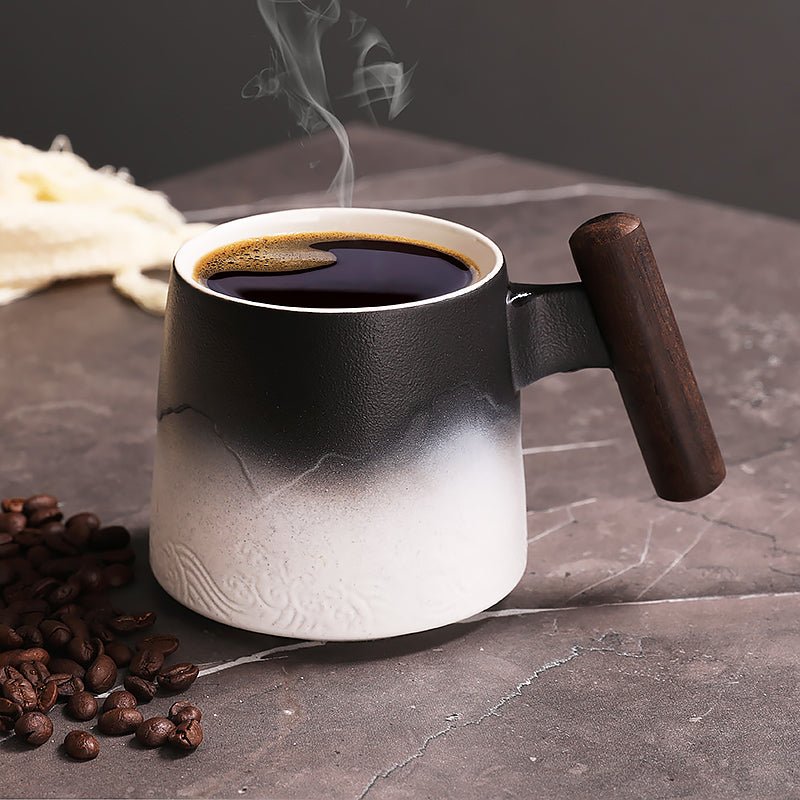
Best To Go Coffee Mugs for Daily Carry and Commutes
A practical guide to the best to go coffee mugs, with clear advice on materials, sizes, lids, and care so you can choose a mug that fits your commute, desk, and daily routine.
Weiterlesen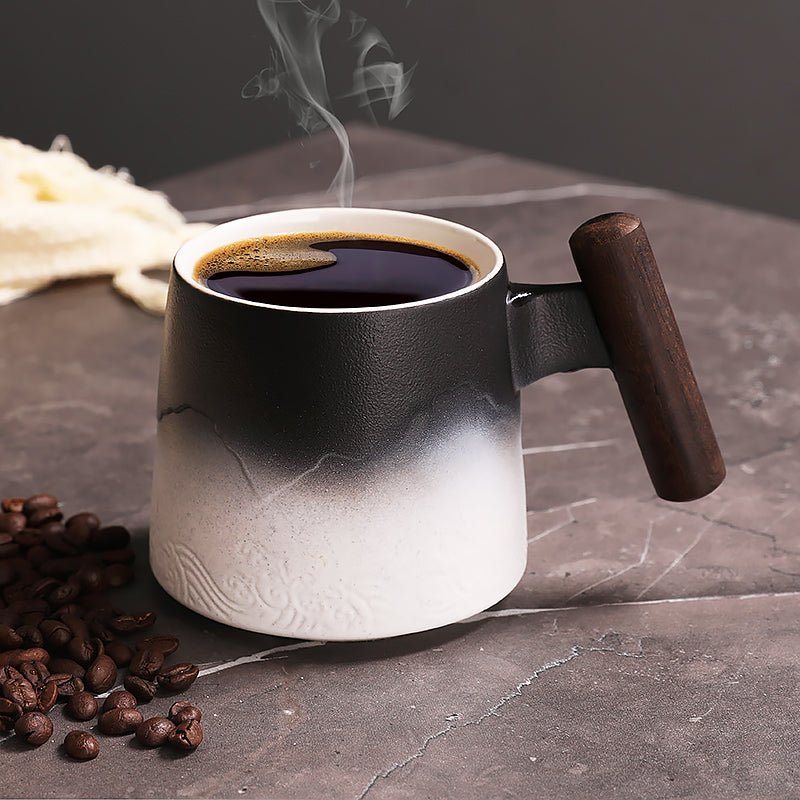
Coffee Mug Stand Buying Guide: Fit, Materials, and Best Uses
A coffee mug stand should solve a real storage problem without taking over your counter. Here’s how we judge fit, material, stability, and the setups that make sense in a kitchen or office.
Weiterlesen
Hinterlasse einen Kommentar
Diese Website ist durch hCaptcha geschützt und es gelten die allgemeinen Geschäftsbedingungen und Datenschutzbestimmungen von hCaptcha.