Big Mug Coffee Santa Clara: How to Choose a Large Mug That Works
Reading time: about 8 minutes
A 20-ounce mug sounds straightforward until it crowds a desk, misses the dishwasher rack, or feels too heavy once it is full. For buyers searching big mug coffee santa clara, the real question is not just “big enough?” It is “big enough for my routine, my cabinet, and my hands?”
In our store, we see the same pattern again and again: shoppers want one mug that works for a long morning pour-over, a second refill at the office, and a gift that does not feel generic. The right large mug solves those jobs. The wrong one just sits in a cabinet because it is awkward to hold or annoying to clean.
What size actually works for a daily coffee routine?
Most people use “big mug” to mean anything larger than a standard 11 to 13 ounce cup, but the useful range is narrower than that. For daily coffee, the sweet spot is usually somewhere around 16 to 20 ounces. That is large enough for a full brew with room for milk or foam, but not so oversized that the mug turns into a heavy bowl you do not want to lift before breakfast.
We covered the size side in more detail in our Big Coffee Mug Buyer's Guide: Size, Comfort, and Daily Use, but the short version is simple: size should match how you drink, not just how much coffee you think sounds appealing.
| Capacity | What it feels like in use | Best for | Main trade-off |
|---|---|---|---|
| 12 to 14 oz | Closer to a standard mug than a true oversized mug | Smaller pours, black coffee, compact cabinets | Not much room for milk or a second splash of cream |
| 16 to 18 oz | The most practical large-mug range for everyday use | Desk coffee, drip coffee, lattes with foam | Still too large for some mug warmers and small shelves |
| 20 to 24 oz | Truly oversized and noticeably heavier when full | Long sipping sessions, tea, broth, big milk drinks | Can be bulky, slow to empty, and awkward in one-handed use |
If you use a mug for more than coffee, the size question changes. A bigger cup gives you room for tea bags, hot chocolate, or even soup broth, but it also means more surface area, which can cool the drink a little faster than a narrower cup. A wide mug is not the best choice if you want heat to stay locked in for a long time.
Should you choose ceramic, stoneware, or stainless steel?
Material affects how a mug feels in your hand, how it ages, and whether you actually want to use it every day. For most shoppers, ceramic and stoneware are the most comfortable choices because they feel familiar on a desk or kitchen counter and are usually easy to wash. Stainless steel keeps heat well, but it changes the drinking experience and usually is not microwave-safe.
We recommend reading material notes closely in the same way we do for our own product checks. If you want a broader checklist, our Big Coffee Cups: What to Check Before You Buy a Large Mug article is a useful second pass before ordering.
| Material | What we look for | Trade-offs |
|---|---|---|
| Ceramic | Balanced weight, clean glaze, easy reheating | Can chip if it hits a sink, faucet, or other hard surface |
| Stoneware | Heavier feel, sturdy daily use, good heat retention | Bulkier in the hand and can feel dense when filled |
| Porcelain | Lighter feel and a cleaner, more refined look | Can feel less rugged for rough daily handling |
| Stainless steel | Heat retention and durability for travel-style use | Usually not microwave-safe and less pleasant for a relaxed desk drink |
Three concrete details matter here and get missed in generic buying guides. First, a smooth glaze is easier to rinse clean after milk or sweetened coffee. Second, a thick mug base helps stability, but an overly thick body can make the cup heavy before it is even full. Third, if the mug has decoration or metallic trim, check the care notes before putting it in a microwave or dishwasher.
What details separate a good big mug from a clumsy one?
This is where a lot of oversized mugs fail. A cup can look great in a photo and still be a pain on a real kitchen counter. The best big mug feels stable, balanced, and easy to drink from. The worst one wobbles, pinches your fingers, or chips too easily near the lip.
Our team looks for the same practical details every time, because those details are what shoppers actually live with:
- Handle clearance: You should be able to fit three fingers comfortably without squeezing the handle.
- Base stability: A wide, flat foot ring helps the mug sit securely on a desk or counter.
- Lip shape: A rim that is too thick can feel clunky; one that is too thin can feel fragile.
- Surface finish: A smooth interior glaze makes residue easier to wash off after coffee or cocoa.
- Weight balance: A mug should feel steady when full, not top-heavy or awkward near the handle.
There are a few common defect modes that are worth checking for before you buy. Hairline glaze cracks can show up after repeated temperature swings. Tiny pinholes in the finish can trap residue. A slightly uneven foot ring can make the mug rock on a flat countertop. If a handle is attached with visible stress points, it may not hold up as well over time, especially in a busy kitchen or office dishwasher cycle.
If you want a second opinion on this part of the purchase, our Oversized Coffee Mug: How to Pick the Right Big Mug post covers the comfort and handling side in a bit more depth.
Which mug fits a kitchen counter, office desk, or gift box?
The right large mug depends on where it will live most of the time. A mug that works in a home kitchen may be a poor fit for a narrow office desk. A mug that looks perfect in a gift box may not be the mug the person reaches for every morning.
In our experience, Santa Clara buyers usually fall into three practical use cases:
- Kitchen counter use: Choose a stable base, a comfortable handle, and a finish that holds up to regular dishwasher cycles.
- Office desk use: Pick a mug that is not so wide that it dominates the desk, and make sure it slides under shelves or cabinets if space is tight.
- Gift use: Aim for a neutral color, easy care, and a shape that looks good unboxed without depending on a seasonal theme.
If you are pairing a mug with coffee beans from a local roaster, our article Big Mug Coffee Roaster Santa Clara CA: What Buyers Should Check covers the buying questions that usually come up around that gift combo. And if the goal is a holiday present, we also have a separate guide, Coffee Mug Santa: What to Check Before You Buy a Holiday Mug, for shoppers who want something seasonal without sacrificing daily use.
The one thing a big mug is not great for is car cup holders. If the mug has a wide belly or a chunky handle, it may be perfect at home and still useless on the commute. That is not a flaw. It just means the mug was built for desk time, not road time.
How should you compare options before ordering?
Before you place an order, compare the mugs the same way we do in-store: by capacity, handle comfort, care notes, and how you will actually use the cup. That keeps the decision grounded in real daily habits instead of photos alone.
You can start by browsing our product page for the current options, then cross-check the full range on our collection page. If you want a broader framework first, the article Big Mug Coffee: How to Choose the Right Large Mug for Daily Use ties the size, shape, and routine together well.
- Check the ounce capacity and make sure it matches your usual pour.
- Look at the handle opening and judge whether it will fit your hand comfortably.
- Read the care notes for dishwasher and microwave use.
- Review the base width so the mug feels stable on a desk or counter.
- Decide whether you want a daily workhorse mug or a gift-ready display piece.
That checklist sounds basic, but it filters out most bad purchases quickly. A mug that passes those five checks is far more likely to stay in rotation instead of becoming shelf clutter.
Frequently asked questions
What size is considered a big coffee mug?
For most shoppers, a big coffee mug starts around 16 ounces and goes up from there. Anything in the 20-ounce range or larger feels noticeably oversized in the hand and on the table. If you usually drink black coffee, a 16 to 18 ounce mug is often the most practical place to start.
Are big mugs usually dishwasher and microwave safe?
Many are, but not all. Ceramic and stoneware mugs are often dishwasher and microwave safe, while stainless steel usually is not microwave-safe. We always recommend checking the care notes, especially if the mug has metallic decoration, a specialty glaze, or a printed finish.
Is a large mug a bad choice for espresso drinks?
Usually, yes. A very large mug can make an espresso-based drink feel diluted and leave too much empty space around a small pour. If you mostly drink espresso, cappuccino, or macchiato, a smaller cup will serve you better.
Do oversized mugs work well for office desks?
They can, as long as the footprint is reasonable and the handle is comfortable. The problem is usually not the volume. It is the width of the mug, which can crowd notebooks, laptops, and keyboard space. A balanced 16 to 18 ounce mug is often the safest desk choice.
What should I check before buying a big mug online from Santa Clara?
Check the capacity, handle size, base stability, and care instructions first. Then think about how you actually drink coffee during the day: at a kitchen counter, at a desk, or as a gift. If the mug is too tall for your cabinet or too wide for your hand, it will not get used often no matter how good it looks.
If you are ready to compare actual options, start with our full collection and filter by size, shape, and care notes. That is the fastest way to find a big mug that matches the way you drink coffee every day.
More from our blog
Read more
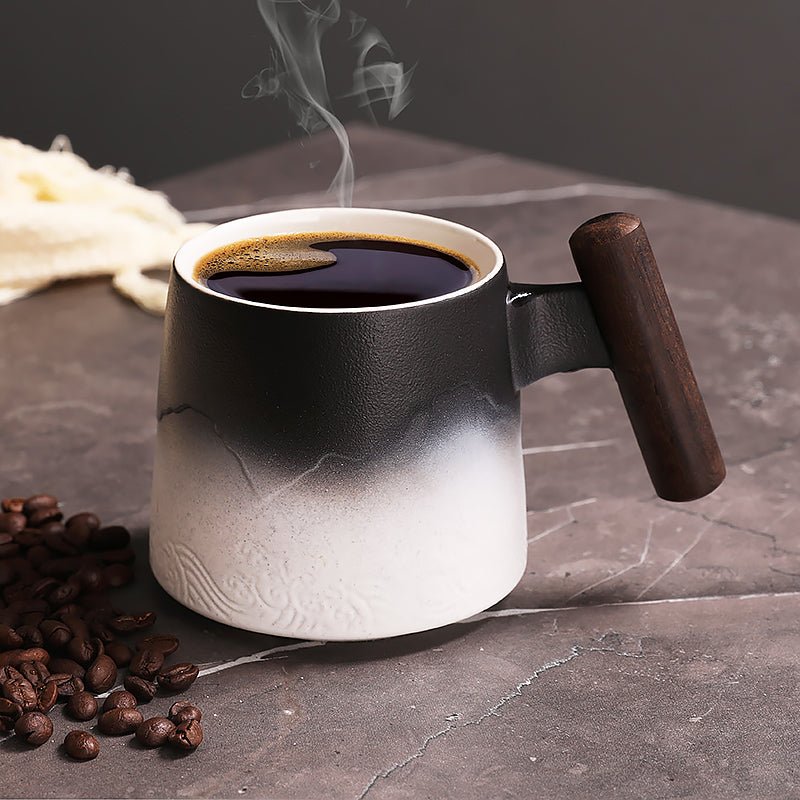
YETI Coffee Mug 14 oz: What Buyers Should Check Before Ordering
A practical buyer’s guide to the YETI coffee mug 14 oz, with fit, lid, care, and size comparisons so you can choose the right mug without guessing.
Weiterlesen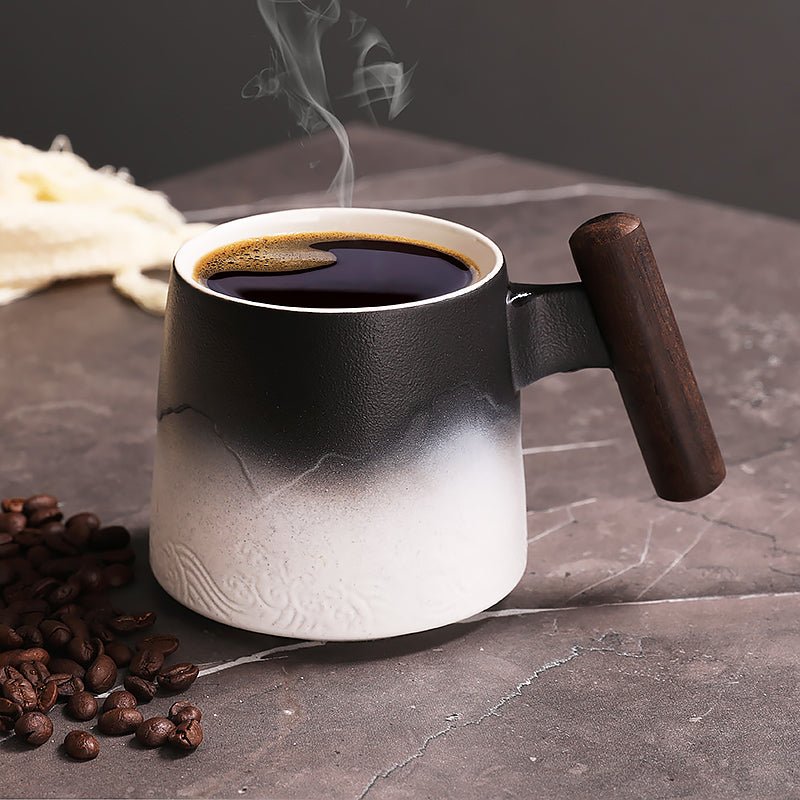
Stainless Steel Coffee Mug Insulated: What Buyers Should Check
A stainless steel coffee mug insulated should do more than keep coffee warm. We explain which build details matter, what to avoid, and how to choose a mug that fits desk use or travel.
Weiterlesen
Hinterlasse einen Kommentar
Diese Website ist durch hCaptcha geschützt und es gelten die allgemeinen Geschäftsbedingungen und Datenschutzbestimmungen von hCaptcha.