
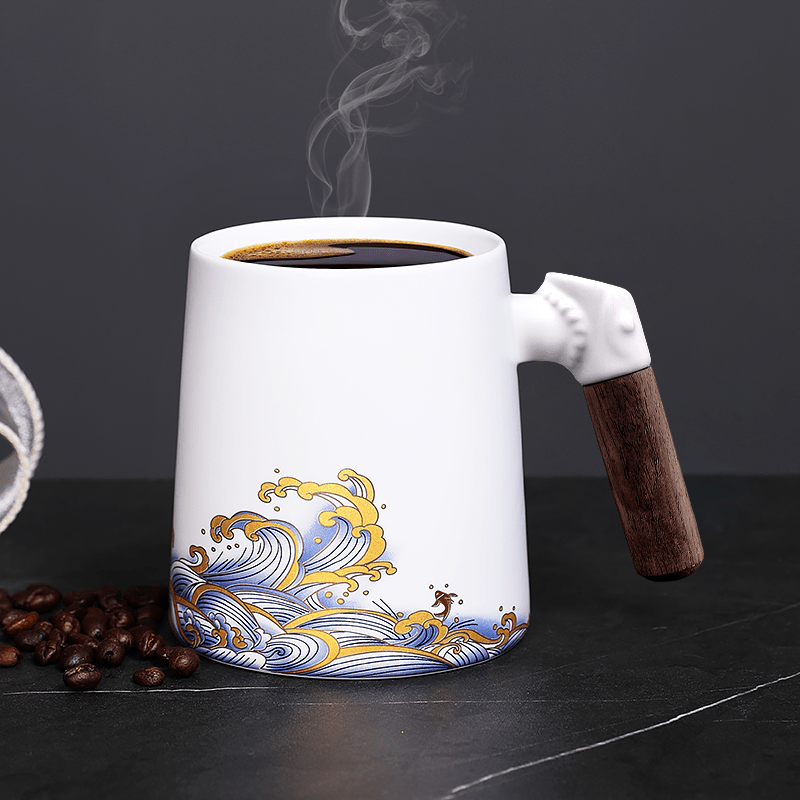
Big Coffee Cups: What to Check Before You Buy a Large Mug
Reading time: about 9 minutes
A mug that looks perfect online can feel wrong the first morning you use it. We see that all the time with big coffee cups: the bowl is deeper than expected, the handle is tight on two fingers, or the mug feels sturdy until you fill it and realize it is awkward on a desk.
That is why we judge large mugs by how they behave in a real kitchen, on an office desk, and in a dishwasher rack. If you are comparing options, start with the basics in our current mug selection and use this guide to narrow the field before you buy.
Best next step if you are comparing big coffee cups now
If you landed here because you want a large mug you can actually use daily, these are the shortest next routes from this article:
- Pick a Mug Fast if you want the quickest compare before choosing.
- Start with the Landscape Tall Mug if you want a taller mug for desks, shelves, and longer coffee sessions.
- Try the 2-Mug Starter Set if you are deciding between a broader everyday mug and a taller profile.
- Open the Product Image Gallery if you want a clean visual check before using a cart route.
What size actually counts as a big coffee cup?
"Big" is not one exact size. For most shoppers, it usually means a mug that holds more than a standard 11 to 15 oz cup, with many buyers looking at 16 oz, 20 oz, or even larger capacities. The right size depends on how you drink coffee, not just how much coffee you want.
In our experience, a 16 oz mug is a practical daily step up. It gives you room for a longer pour, milk, or a generous tea serving without feeling oversized. A 20 oz mug is better for people who want fewer refills or who drink at a desk for hours. Anything larger starts to behave less like a normal mug and more like a personal serving bowl.
That extra volume has trade-offs:
- More capacity usually means more weight when full.
- A larger opening can cool coffee faster.
- A deeper mug can be harder to reach with a spoon or stirrer.
- Very wide mugs may not fit well under some espresso machines or pod brewers.
If you are specifically comparing size tiers, our related posts on 20 oz coffee mugs and large capacity coffee mugs cover the practical differences in more detail.
Which material holds up best for daily use?
For big coffee cups, material affects more than style. It changes heat retention, weight, and how often you will notice chips or glaze wear. Most shoppers end up choosing between ceramic, stoneware, and porcelain. Each one has a place.
Ceramic is the most familiar option for daily coffee drinking. It usually feels balanced in the hand and works well for a mug that lives on a kitchen counter or office shelf. Stoneware is often thicker and more durable-feeling, which some buyers like for a larger mug because the extra mass helps it feel stable when full. Porcelain is lighter and can look cleaner and finer, but thin walls can make a large mug feel less secure if the handle is small.
We look for a few specific details when we handle these mugs:
- A smooth rim with no rough seam or glaze pit.
- A handle that lets at least three fingers rest comfortably if the mug is large enough.
- A base that sits flat without rocking on a countertop.
- Glazing that looks even inside and out, with no thin spots where staining can start.
There is no perfect material for everyone. If you want the warm, solid feel of a mug that stays put on a desk, thicker ceramic or stoneware usually makes more sense. If you want something lighter for a smaller hand, a large porcelain mug may be easier to live with. If you want a more detailed breakdown of daily-use trade-offs, our post on big mug coffee choices for daily use is a good companion read.
How do you tell if a large mug is comfortable to hold?
Comfort is where many big coffee cups fail. A mug can look great on a shelf and still feel clumsy once it is full. Handle shape matters just as much as capacity. So does the balance between the mug body and the handle.
We usually check these points first:
- Handle clearance: There should be enough room for your fingers without scraping the mug body.
- Handle width: A wider handle spreads the load when the mug is full, especially with larger capacities.
- Handle placement: If the handle sits too high or too low, the mug tips forward in the hand.
- Body shape: A straight-sided mug feels different from one with a tapered wall. The taper can make a large mug easier to grip, but it can also reduce usable volume.
- Weight balance: A thick base can help stability, but too much base weight makes the mug tiring over long use.
A common defect mode we watch for is a handle that is attached cleanly but sits too close to the body. That small detail becomes annoying when you are holding a hot drink. Another is a lip that looks even but feels sharp at the rim. That is the kind of problem you only notice after the first few sips, which is why we prefer mugs that are easy to inspect before purchase.
Where do big coffee cups work best, and where do they not?
Big coffee cups shine on a kitchen counter, at a home office desk, or in a slow morning routine where the mug stays within reach. They are also a strong choice for people who add milk, foam, cocoa, or tea leaves and want the extra room. A bigger mug can make one-serving drinks feel more relaxed and less cramped.
They are not the best choice for every setting. If you need something for a car cupholder, a lunch bag, or a commute, a large open mug usually loses to a travel tumbler. If you make short espresso shots or like a very hot drink that stays hot longer, a huge mug can work against you because the surface area cools the drink faster.
That is the practical line we use in our store: big coffee cups are great for stationary drinking, not for portable use. If you are deciding between a mug for the desk and something more travel-friendly, check our full collection and compare form factors before choosing.
We also see buyers pair a big mug with gift purchases. For that use, size matters because a large mug feels substantial in the box, but the shape needs to be usable, not just decorative. Our article on what actually matters for daily use is useful if you want to avoid buying for looks alone.
What should you check before ordering online?
Online photos flatten a lot of details. A mug that looks roomy may have a narrow opening. A thick handle may actually have a small inner gap. Before you order, compare these specifications carefully:
| Check | Why it matters | What we look for |
|---|---|---|
| Capacity | Confirms how much coffee the mug can realistically hold | Clear ounce or ml listing, not just a vague size label |
| Height and diameter | Shows whether it will fit under a brewer or on a shelf | Measurements that match your machine and cabinet space |
| Handle opening | Decides whether the mug feels secure in hand | Enough clearance for your fingers without pinching |
| Care instructions | Determines whether the mug fits your routine | Dishwasher and microwave guidance stated clearly |
| Finish quality | Affects durability and staining over time | Smooth glaze, even rim, no visible chips or cracks |
If a listing leaves out dimensions, we treat that as a warning sign. A large mug without measurements is hard to place in a real kitchen, and that usually means more guessing than buying. A good product page should make the mug easy to imagine on your counter, not just in a styled photo.
How should you clean and care for a big mug?
Big coffee cups are only convenient if they are easy to clean. Wider mugs often collect coffee stains along the lower walls, and thicker handles can trap residue where the mug meets the handle. That is normal, but some finishes handle it better than others.
For everyday use, we look for mugs that can move through the dishwasher without needing special treatment. If a mug is microwave safe, that helps when coffee goes cold mid-morning. Still, even a sturdy mug benefits from basic care:
- Rinse after dark coffee or tea to reduce staining.
- Do not move a hot ceramic mug directly into cold water if you want to avoid thermal shock.
- Check the rim and handle area periodically for tiny chips.
- Avoid stacking if the mug has a thick decorative glaze that can scratch.
One problem we see with larger mugs is hairline glazing stress near the handle joint or around the base. It may start as a cosmetic issue and later collect stains. That does not mean the mug is unusable, but it is a sign to handle it more carefully and avoid unnecessary temperature swings.
Frequently asked questions
Are big coffee cups good for everyday use?
Yes, if you actually drink enough to use the extra capacity. A big mug is useful for long work sessions, breakfast coffee, tea, or drinks with milk and foam. It is less useful if you only want a small pour or need something lightweight and compact.
What is the best material for a large mug?
For most buyers, ceramic or stoneware is the best balance of weight, stability, and comfort. Porcelain works well if you want a lighter feel and cleaner look. The better choice depends on whether you value sturdiness or a lighter hand feel more.
Can a big coffee cup go in the dishwasher?
Many can, but you should always check the care notes for the specific mug. A dishwasher-safe mug is easier to live with, especially if you use it daily. If the finish is delicate or decorative, handwashing may be the safer route.
Do big coffee cups keep coffee hot longer?
Not automatically. A thicker mug can hold heat better than a thin one, but a larger opening can also let heat escape faster. If heat retention matters most, focus on wall thickness and lid options rather than size alone.
What should I avoid when buying a large mug?
Avoid mugs with unclear measurements, awkward handles, rough rims, or bases that do not sit flat. We also avoid choosing a large mug only for its look if the handle feels cramped or the body is too wide for your shelf or brewer. Those are the details that usually decide whether the mug gets used or stays in the cabinet.
If you want to compare options with those checks in mind, do not stop at a broad catalog page. Use Pick a Mug Fast for the shortest compare, start with the Landscape Tall Mug if you want a taller large-mug feel, or open the Product Image Gallery if you want a visual check before adding anything to cart.
More from our blog
Read more
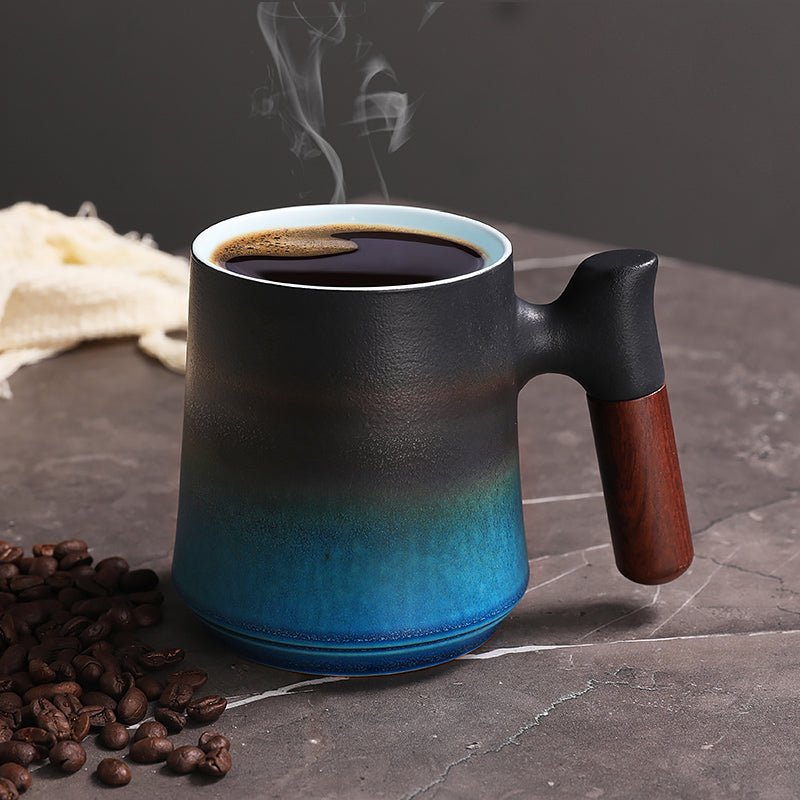
Zojirushi Coffee Mug Buying Guide: What to Check Before You Buy
A practical look at what makes a Zojirushi coffee mug worth buying, including lid design, insulation, care, and the trade-offs that matter in daily use.
Weiterlesen
Big Coffee Mugs for Daily Use: What to Buy and What to Skip
Big coffee mugs are easy to judge by size alone, but the better buy balances capacity, handle comfort, weight, and care. We break down the materials, shapes, and trade-offs we check in our store be...
Weiterlesen
Hinterlasse einen Kommentar
Diese Website ist durch hCaptcha geschützt und es gelten die allgemeinen Geschäftsbedingungen und Datenschutzbestimmungen von hCaptcha.