
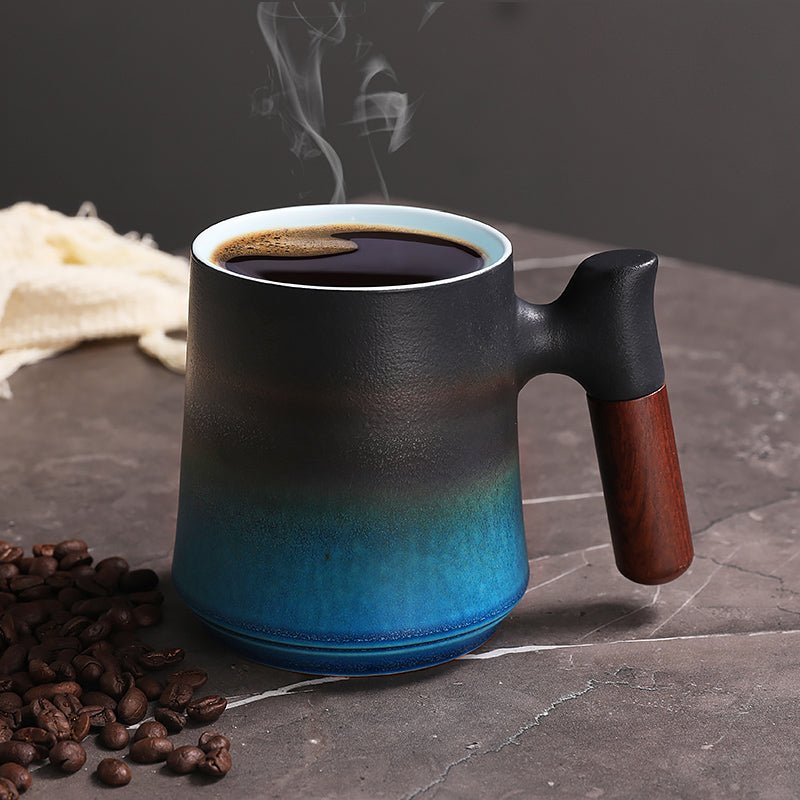
Best Mug to Drink Coffee: What Actually Works Every Day
Reading time: about 8 minutes
What makes the best mug to drink coffee for daily use?
A mug can look right on the shelf and still fail at 7 a.m. if the handle pinches, the rim runs hot, or the base wobbles on a crowded desk. In our store, we see buyers pick up a mug, test the handle with two fingers, and put it back the moment it feels awkward. That reaction is useful. It usually tells you more than the label does.
The best mug to drink coffee is the one that fits the way you actually drink. For some people that means a compact 10 oz cup that keeps coffee hot through one refill. For others it means a 14 oz mug that leaves room for milk. If you want the broader framework first, our Coffee Mug Buying Guide covers the same practical checks we use when comparing everyday drinkware.
- Comfort: the handle should fit at least two fingers without squeezing.
- Heat behavior: thicker walls and heavier bases usually keep coffee warm longer.
- Stability: a flat, level base matters on kitchen counters and office desks.
- Care: dishwasher-safe and microwave-safe mugs are easier to live with every day.
If a mug only looks good in photos but feels awkward after three sips, it is not the right mug for coffee at home.
Which mug material is best for coffee?
Material changes the whole experience. It affects heat retention, weight, cleaning, and whether the mug can handle a microwave without fuss. For most shoppers, ceramic is the safest starting point, but it is not the only good choice. Our Ceramic Coffee Mug Buying Guide goes deeper on why ceramic remains the everyday default for many kitchens.
| Material | Best for | Trade-offs | What to check |
|---|---|---|---|
| Ceramic | Balanced everyday coffee drinking | Can chip if the rim is thin or the mug is dropped | Even glaze, flat base, comfortable handle |
| Stoneware | Heavier feel and better heat retention | Usually bulkier and slower to warm up | Weight, glaze quality, dishwasher-safe finish |
| Glass | Showing layered drinks and lighter visual style | Cools faster and can feel fragile in daily use | Thick wall construction and stable base |
| Stainless steel | Travel and commute use | Not ideal for the microwave and can change the drinking feel | Lid seal, insulation, cup-holder fit |
Ceramic is usually the best answer for a home mug because it balances feel, heat, and price without asking for special care. Stoneware is a good choice if you want something sturdier and slightly more substantial in the hand. Glass works for certain setups, but it is not our first pick for a mug that lives on a busy kitchen counter.
Stainless steel belongs in a different category. It is excellent for travel, but it is not the same experience as sipping from a traditional mug. If your coffee leaves the house, our Best Travel Coffee Mug guide explains why lid design and insulation matter more than a classic mug shape.
What size mug feels right without cooling too fast?
Size changes both flavor and temperature. A smaller mug keeps coffee concentrated and hot, while a larger mug gives you room for milk, cream, or a longer morning session. We see buyers overbuy capacity all the time. A huge mug sounds practical, then the last third of the cup sits lukewarm while the first third is already gone.
- 8 to 10 oz: best for straight coffee drinkers who want a tighter pour and less cooling time.
- 11 to 12 oz: the safest all-around size for most home use.
- 14 to 16 oz: useful for people who add milk or like one large serving instead of a refill.
- 18 oz and up: better for long desk sessions, but not ideal if you dislike a heavy mug or want coffee hot to the last sip.
If you are deciding between standard and large formats, our Big Mug Coffee guide explains when a larger mug helps and when it just gets in the way.
One practical detail people forget is the handle opening. A large mug can still feel clumsy if the handle is too narrow for your fingers or too small for gloved hands in a cold kitchen. We also check whether the mug sits low and steady enough to avoid top-heaviness when it is full.
What details separate a good mug from a frustrating one?
The difference is usually in the small things. A mug does not need to be fancy. It needs to be well made. We look at the rim, base, handle, glaze, and finish because those are the spots that tend to cause problems after real use, dishwashing, and the occasional knock against the sink.
- Rim thickness: a smooth, even rim feels better than a sharp or uneven edge.
- Handle attachment: the handle should feel solid, with no sharp seam where it meets the body.
- Base flatness: a mug that rocks is a daily annoyance and a spill risk.
- Glaze quality: pinholes, rough spots, or crazing can be early signs of weak finishing.
- Heat behavior: some mugs stay pleasantly warm; others transfer heat to the hand too quickly.
Common defect modes are usually easy to spot if you know where to look. Hairline chips near the rim matter because that is where your mouth touches the cup. Crazing, which looks like fine crack lines in the glaze, can be cosmetic or a warning sign depending on severity and use. A slightly crooked base can also make a mug feel cheap even when the design is otherwise good.
Dishwasher and microwave compatibility matter too, but they are not all the same. A plain ceramic mug is often fine in both, while decorative metallic accents or unusual finishes may not be. If a mug needs babying, it is probably not the best mug to drink coffee every morning.
If a mug feels good dry, feels balanced full, and still looks clean after repeated washing, it is usually a safer buy than a prettier mug with poor finishing.
Which mug should you choose for home, office, or gifting?
The right choice depends on the setting. A kitchen mug, a desk mug, and a gift mug are not always the same thing. The one you keep by the espresso machine does not need the same features as the one you wrap for a birthday.
- For home kitchens: choose ceramic or stoneware in the 10 to 12 oz range if you want the most balanced everyday cup.
- For office desks: lean toward 12 to 16 oz with a stable base and a handle that is easy to grab between meetings.
- For gifting: choose a neutral shape and easy care instructions so the recipient can use it right away.
- For commuting: skip the classic mug and look at travel cups instead; a sealed lid matters more than a wide open rim.
That last point matters. A traditional mug is not a good choice for a car cup holder, a long commute, or a bag. If that is your use case, a travel mug will perform better, which is why we point shoppers to the right category instead of forcing one product to do everything.
To compare our current options by shape, size, and finish, start with our products page or browse the full collection. That makes it easier to compare a compact everyday mug against a larger daily driver without guessing from a single photo.
Frequently asked questions
What size mug is best for coffee at home?
For most people, 10 to 12 oz is the sweet spot. It holds a normal serving without letting the coffee cool too quickly, and it keeps the mug comfortable to hold when full. If you add a lot of milk or want a bigger pour, 14 oz can work better.
Is ceramic or stoneware better for daily coffee?
Ceramic is usually the easier all-around choice because it feels familiar, cleans easily, and works well for most kitchens. Stoneware is a good pick if you want a heavier, more substantial mug and do not mind the extra weight. Both can be excellent if the glaze and base are well made.
Can a coffee mug go in the dishwasher and microwave?
Many plain ceramic mugs can, but not all finishes are the same. We recommend checking for metallic decoration, specialty glazes, or any care instructions that limit heat or dishwasher use. If you want the least hassle, choose a mug that is clearly marked for both.
Why does my mug make coffee cool down too fast?
Usually the mug is too large, too thin, or made from a material that sheds heat quickly. A wider opening exposes more surface area to air, which speeds cooling. A smaller ceramic or stoneware mug usually holds heat better than a thin glass cup.
Is a larger mug always better for coffee?
No. A larger mug is helpful if you drink slowly, add milk, or want one big serving, but it can also make coffee go lukewarm before you finish it. For many buyers, a medium-size mug is the better everyday choice because it balances heat retention and serving size.
If you want the shortest path to the right choice, compare three things first: size, material, and handle comfort. Then browse our full collection and pick the mug that matches the way you actually drink coffee, not the way it looks in a photo.
More from our blog
Read more
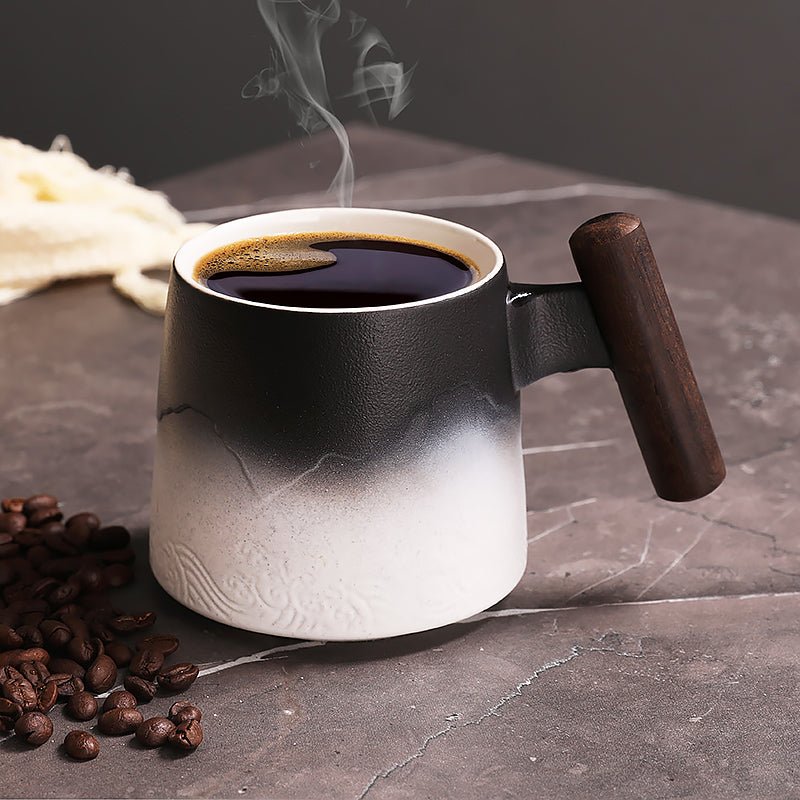
Brumate Coffee Mug Buying Guide: What to Check Before You Buy
A practical look at what matters in a brumate coffee mug: lid fit, insulation, size, care, and where it beats ceramic or travel mugs. Use this to compare options before you buy.
Weiterlesen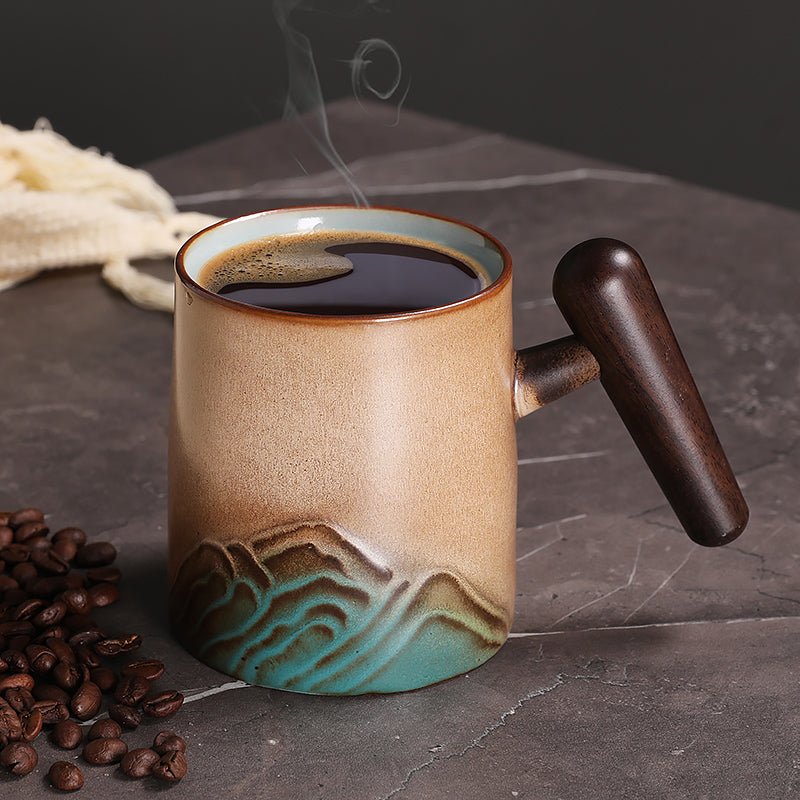
Happy Mug Coffee: What to Check Before You Buy
A practical guide to choosing a happy mug coffee setup that actually works on a kitchen counter, office desk, or as a gift. We cover size, material, comfort, care, and which mug style fits differen...
Weiterlesen
Hinterlasse einen Kommentar
Diese Website ist durch hCaptcha geschützt und es gelten die allgemeinen Geschäftsbedingungen und Datenschutzbestimmungen von hCaptcha.