
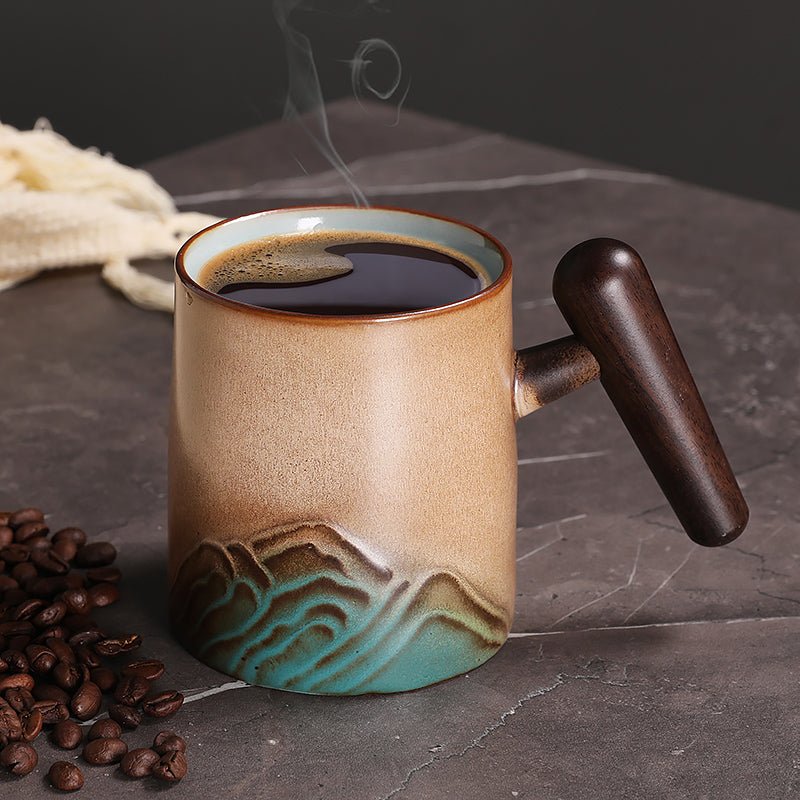
Acme Coffee Mugs: What to Check Before You Buy
Reading time: about 9 minutes
A mug that looks perfect in a product photo can feel wrong the first time you wrap your hand around it at 7 a.m. The handle pinches, the rim feels too thick, or the cup is smaller than the pour you actually make. That is usually where buyers start comparing acme coffee mugs more carefully.
We see that every day in our store. People are not just buying a cup. They are buying a daily-use object that has to work on a kitchen counter, sit cleanly on an office desk, and survive repeated wash cycles without becoming annoying to use. That is the filter we use below.
If you are browsing options now, start with our full collection of mugs, then compare the shapes you like against the details in this guide. For a few specific product examples, the Elk and Moon Coffee Tea Mug, the Koi Fish Coffee Tea Mug, and the The Crane Coffee Tea Mug are good places to look if you want a mug that feels more personal than a plain blank cup.
What makes acme coffee mugs different from a basic mug?
For most shoppers, the difference is not just the artwork or the logo. It is the combination of shape, weight, rim feel, and handle geometry. A plain mug can be fine for casual use, but acme coffee mugs often get chosen because they bring a little more personality to a desk or breakfast table without giving up everyday function.
That function still matters most. A mug that is too narrow can be awkward to stir. A mug with a tiny handle can feel unstable when full. A mug with a thin base may feel light, but it can also cool down faster and feel less balanced in the hand.
In our experience, buyers usually care about three practical things first:
- Handle clearance: can two fingers fit comfortably, or is the handle only decorative?
- Rim shape: does the lip feel smooth on the mouth, especially with hot coffee or tea?
- Overall balance: does the mug sit securely, or does it feel top-heavy when full?
That is why we suggest comparing the design against real use, not just a photo. A mug that looks refined can still be wrong for someone who pours a full morning coffee and carries it from kitchen to car.
Which size and shape should you choose for daily use?
Size drives satisfaction more than people expect. A mug that is too small forces refills. A mug that is too large can make a normal pour look half-finished, and it can be uncomfortable if you prefer lighter drinkware. If you want more help on capacity, our guides on 12 ounce coffee mugs and 14 ounce coffee mugs break down the practical differences in fit and feel.
Here is the simplest way we help shoppers think about it:
| Buyer need | What usually works best | Trade-off |
|---|---|---|
| Standard drip coffee | Mid-size mug with a comfortable handle | May not feel roomy for milk-heavy drinks |
| Tea, smaller pours, or desk use | Compact mug with a balanced base | Less forgiving if you like large servings |
| Big morning pour or travel-from-kitchen routine | Larger-capacity mug with sturdy walls | Heavier, and sometimes harder to store |
If you want a fuller breakdown of what people tend to miss before buying, our 16 ounce coffee mugs size guide is useful for comparing fuller pours against everyday cabinet space.
The key limitation is simple: bigger is not automatically better. A large mug is not ideal if you drink slowly and dislike coffee going lukewarm before you finish it. Likewise, a smaller mug is not the right pick if you want one vessel that can cover breakfast coffee, afternoon tea, and a bigger pour on weekends.
What materials and finish details should you check first?
We recommend looking past the print and checking the mug body itself. For this category, the most relevant details are the wall thickness, the glaze quality, the base finish, and whether the interior is easy to rinse clean. These are the details that determine whether a mug stays pleasant after a month of real use.
Three concrete checks matter most:
- Wall thickness: thicker walls usually hold heat a little longer and feel more solid in the hand, while thinner walls can feel lighter but more fragile.
- Foot ring and base: a clean, even base helps the mug sit flat and reduces wobble on a desk or counter.
- Glaze consistency: smooth glaze should cover the usable surfaces evenly, without rough spots where tea stains or residue can collect.
We also pay attention to common defect modes that shoppers often discover too late. Examples include a handle that is slightly under-aligned, a rim that feels uneven, or a glaze drip near the foot ring that makes the mug feel unfinished. None of those issues are guaranteed, but they are worth checking for when you open the box.
If you are buying for daily use rather than display, a simple, easy-to-clean finish usually beats an overly delicate surface. Decorative mugs can be great, but they are not the best choice if you want something that disappears into routine and just works.
Are these mugs a good gift, or only a personal purchase?
They can work well as gifts, but only if the style matches the recipient’s habits. A strong graphic mug is a better gift when you know the person likes visible personality on their desk or breakfast table. A neutral mug is safer when you do not know their taste very well.
The gift box test is practical. Ask yourself whether the mug will still feel thoughtful after the packaging is opened and the recipient has to use it every morning. If the answer is yes, it is probably a good candidate.
In our experience, the best gift mugs are the ones that feel personal without becoming fussy. The Elk and Moon Coffee Tea Mug suits someone who likes a quieter, nature-driven look. The Koi Fish Coffee Tea Mug leans a little more expressive. The The Crane Coffee Tea Mug works well if you want something distinctive without going loud.
That said, these are not ideal gifts if you do not know the person’s cabinet space, drink size, or style preference. A mug can become clutter very quickly if it does not match how someone actually drinks coffee.
How should you care for acme coffee mugs so they last?
Care is where a lot of good mugs get downgraded by habits rather than defects. Coffee and tea leave residue. Metal spoons can chip glaze over time. Stacking mugs tightly can scratch a printed surface or chip a rim if they knock together in a cabinet.
We recommend a few simple habits:
- Rinse soon after use if you drink dark coffee or strong tea.
- Avoid aggressive scrubbing on printed or illustrated areas unless the listing specifically says the finish is built for it.
- Do not stack mugs too tightly if the rim or handle shape makes contact likely.
- If you use a dishwasher, place the mug where it will not slam into other dishes.
Not every mug is the right fit for every care routine. If you want something that can live a rougher life in a shared office kitchen, a plainer mug with a durable glaze usually makes more sense than a highly decorative one. If your priority is visual detail and gift appeal, accept that the piece may deserve gentler handling.
For buyers comparing daily-use sizes, our articles on what to check before buying 12 oz coffee mugs and 10 oz coffee mugs are useful if you are trying to avoid a mug that is too small or too cramped for your routine.
Which acme coffee mug should you buy if you want the least regret?
The safest choice is the mug that matches your real use, not your idealized one. If you mostly drink one standard cup at home, choose a balanced size with a comfortable handle and straightforward cleaning. If you are shopping for a gift, choose a design that feels personal but not polarizing.
Use this quick comparison before you buy:
- For daily kitchen use: prioritize handle comfort, balance, and easy rinsing.
- For office desks: choose a mug that is stable, not overly large, and easy to identify among coworkers’ drinkware.
- For gifts: choose a style that reflects the person’s taste, but avoid anything too niche unless you know them well.
- For display plus use: pay attention to glaze, print placement, and how the mug looks from both sides.
We would not recommend this category if you need insulated performance, a lid, or a mug that must stay hot for a long commute. In that case, a travel tumbler or insulated cup is the better tool. A decorative coffee mug is for drinking, serving, and enjoying at the table or desk, not for replacing insulated drinkware.
Frequently asked questions
Are acme coffee mugs good for everyday use?
Yes, if the handle is comfortable and the mug size fits your usual pour. The best everyday mug is the one you can rinse quickly, hold comfortably, and set down without worrying about balance. If it feels awkward on day one, it usually stays awkward.
What size acme coffee mug should I buy for drip coffee?
Most drip coffee drinkers are happiest with a mid-size mug that leaves a little room at the top. That keeps the mug practical for black coffee, milk, or a small amount of foam. If you like larger pours, move up a size rather than filling a small mug to the brim.
How do I know if the handle will be comfortable?
Look for a handle that allows at least two fingers without squeezing and does not force your wrist into an odd angle. A handle can look elegant in photos and still be frustrating in use. Comfort matters more than matching the print.
Are decorative coffee mugs harder to clean?
Sometimes, yes. Raised artwork, darker glazes, or uneven interior surfaces can hold coffee residue longer than a plain smooth mug. If easy cleaning is your top priority, choose a mug with a simple interior and a finish that rinses clean without scrubbing.
Should I choose a bigger mug or a heavier mug?
Choose the mug that fits your drink habit, not just the one that feels most substantial. A heavier mug can feel stable and premium, but it may also feel tiring if you hold it for long periods. Bigger mugs are useful for large pours, but they are not ideal if you prefer your coffee hot and finished quickly.
If you want to compare styles side by side, start with our full mug collection, then use the size and handle checks above to narrow it down. That is usually the fastest way to avoid buying a mug that looks right but feels wrong the first week you use it.
Read more
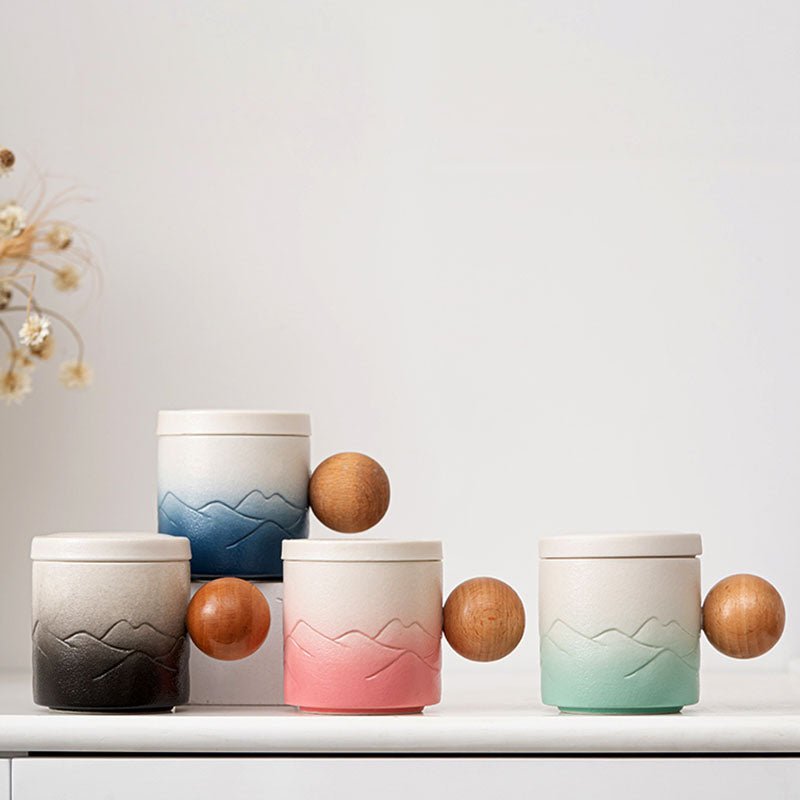
11oz Coffee Mug Buying Guide for Size, Fit, and Daily Use
A practical look at what an 11oz coffee mug fits, how it feels in daily use, and which styles make sense for home, office, or gifting.
Weiterlesen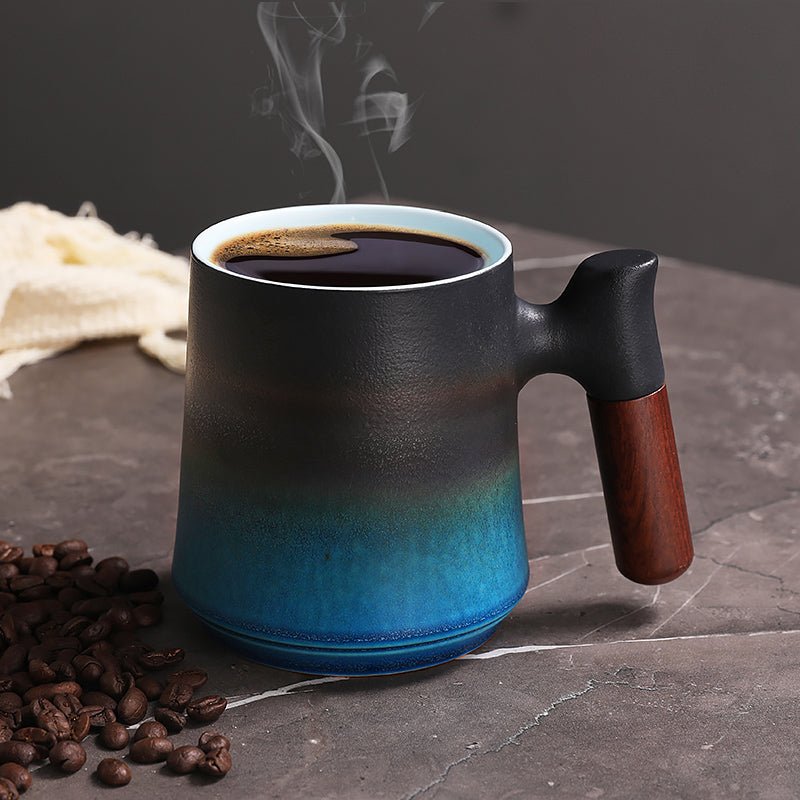
Adult Humor Coffee Mugs: How to Choose a Funny Mug That Gets Used
Practical guide to adult humor coffee mugs with real buying trade-offs: size, print style, gift value, and what works on a desk or in the dishwasher.
Weiterlesen
Hinterlasse einen Kommentar
Diese Website ist durch hCaptcha geschützt und es gelten die allgemeinen Geschäftsbedingungen und Datenschutzbestimmungen von hCaptcha.