
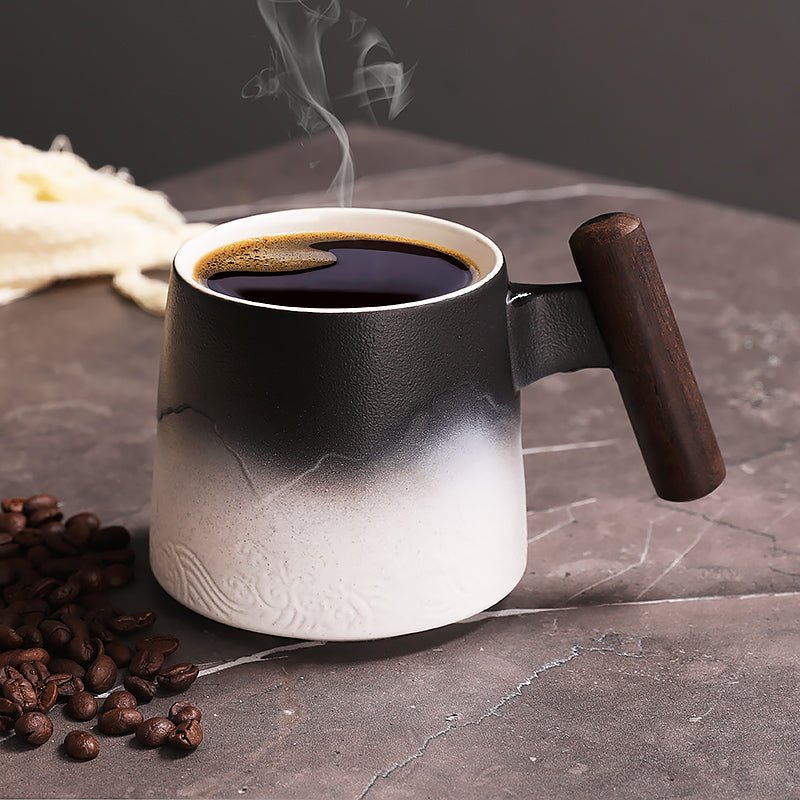
11 oz Coffee Mug: Size, Fit, and What to Check Before You Buy
Reading time: about 8 minutes
A full cup that sloshes on the walk from the kitchen to the desk is usually a sizing problem, not a coffee problem. An 11 oz coffee mug sits in a practical middle zone: enough room for a standard pour with a little headroom, but not so large that the cup feels oversized in the hand or on a crowded counter.
Best next step if you are comparing 11 oz coffee mugs now
If you are here because you want a practical everyday mug without another long compare loop, these are the fastest next routes from this page:
- Pick a Mug Fast if you want the shortest compare before choosing.
- Start with the Round Mug if you want a fuller everyday desk-mug route first.
- Compare the Planet Mug if you want a simpler compact route first.
- Open the Product Image Gallery if you want a quick visual check before using a product route.
If you want the measurement side first, 10 oz Coffee Mug, and 12 oz Coffee Mugs can help you compare nearby sizes before using a cart route.
We see this size chosen for daily drip coffee, tea, and gift sets because it works in ordinary routines. In our store, we think about where a mug will actually live: beside a drip machine, in a break room dishwasher, or on an office desk that needs one-handed use. That is where the small trade-offs show up.
What does an 11 oz coffee mug actually hold?
An 11 oz mug is a nominal capacity, not a promise that you can pour 11 ounces all the way to the brim without spill risk. The usable space is usually a little less because of the wall thickness, the curve of the base, and the lip at the top. A wider mug and a taller, narrower mug can both be labeled 11 oz and still feel different in use.
For a typical black coffee, 11 oz is enough for a comfortable single serving. For drinks with milk, foam, or cream, that extra bit of headroom helps. It is also a size that fits standard mug trees, most single-serve coffee setups, and many gift boxes without feeling cramped.
We like 11 oz as a daily-use size because it is forgiving. It gives you room for a real pour, but it does not turn every cup into a large-format drink.
If you are still figuring out the size family, our guide to How Many Oz Is a Coffee Mug? Common Sizes and What Fits Best is a good place to compare the standard range before you decide.
Who is an 11 oz coffee mug best for?
This size works best for people who want a normal daily mug without excess bulk. It is a good fit for drip coffee drinkers, tea drinkers, and shoppers buying a gift that feels useful rather than oversized. It also works well for offices, because the cup is usually large enough for a full pour but still compact enough to store in a cabinet or cubby.
We usually recommend an 11 oz mug for:
- Standard black coffee or medium-strength home brews
- Tea, cocoa, and other hot drinks that do not need a huge vessel
- Desks and workstations where space is limited
- Gift buyers who want a safe, familiar size
It is not the best choice for someone who fills a cup with a lot of milk, uses oversized specialty drinks, or wants a mug that doubles as a soup bowl. If that is the buyer, a larger format usually makes more sense. Our 20 oz coffee mug guide and 24 oz coffee mug guide show where the bigger sizes start to help more than the 11 oz class.
What should you check before you buy one?
Two mugs can both be labeled 11 oz and still feel very different in hand. That is why we look beyond the number. The handle, wall thickness, rim shape, and surface finish matter just as much as capacity.
Before buying an 11 oz coffee mug, check these points:
- Handle clearance: Make sure your fingers fit without rubbing the body of the mug.
- Rim comfort: A smooth, even lip feels better for daily sipping than a sharp or uneven one.
- Wall thickness: Thicker walls usually feel sturdier and hold heat a bit longer, but they also add weight.
- Base stability: A flat, well-balanced base matters on desks, trays, and glossy countertops.
- Finish and print quality: Look for even glaze, clean graphics, and no pinholes, bubbles, or rough spots.
- Care instructions: Check whether the mug is dishwasher-safe, microwave-safe, or hand-wash preferred.
Common defect modes are easy to miss in product photos. We watch for hairline cracks near the handle join, glaze pooling near the base, and print that looks crisp online but softens after washing. Those are the things that separate a mug that feels dependable from one that looks fine for a week and then starts to annoy you.
If you are choosing between a smaller daily cup and something a bit roomier, our 10 oz coffee mug article is useful because the difference is not huge on paper, but it can matter at the counter. For a broader size reference, our How Many Oz Is a Regular Coffee Mug? Common Sizes and Fit article is also a helpful comparison point.
Which material and finish make sense for daily use?
For an 11 oz coffee mug, ceramic and stoneware are the most practical choices for everyday buyers. Ceramic usually gives you a smooth finish and a familiar weight. Stoneware tends to feel a little denser and more substantial in the hand. Porcelain is typically lighter and more refined-looking, but it can feel a bit less rugged for a busy kitchen or office sink.
The best material depends on the job. If you want a mug that feels sturdy during repeated dishwasher cycles, a well-made ceramic or stoneware mug is usually a better fit than a thin decorative cup. If you care more about a clean, giftable look, porcelain can be the right move. If you need spill resistance for travel, none of these is the right category; you want a lidded tumbler instead.
There are a few care details that matter in real use:
- Hand wash decorated mugs if you want the print to stay sharp longer.
- Do not move a mug straight from very cold storage to boiling liquid, since thermal shock can stress the glaze.
- Avoid abrasive scrubbers on glossy prints or metallic accents.
- Check microwave compatibility before heating anything with a decal, metallic trim, or specialty finish.
That trade-off matters because an 11 oz coffee mug is often a repeat-use item, not a display piece. Our advice is simple: if the mug is going to live in a dishwasher-heavy kitchen, choose durability first and decoration second.
How does 11 oz compare with 8, 10, 20, and 24 oz mugs?
Size is where a lot of buyers overthink the wrong detail. The better question is how the mug fits the drink and the routine. A smaller mug can feel neat and controlled, while a larger one reduces refills but adds bulk and weight.
| Size | Best for | Trade-off |
|---|---|---|
| 8 oz | Short coffee servings, espresso-based drinks with less volume | Not much room for milk or cream |
| 10 oz | Compact everyday coffee and smaller hands | Can feel tight with generous pours |
| 11 oz | Balanced daily use, office desks, gift buyers | Not ideal for oversized drinks |
| 20 oz | Large brews, long work sessions, more headroom | Heavier and bulkier on the desk |
| 24 oz | Big pours and fewer refills | Can be too large for standard cabinet storage and one-hand use |
If you are comparing up or down a size, our 8 oz coffee mug guide shows the compact end of the range, while the 20 oz coffee mug and 24 oz coffee mug articles cover the larger side. Those comparisons make the trade-off clearer than any photo alone.
Our practical take: choose 11 oz if you want a straightforward everyday mug with enough room to be comfortable. Move smaller only if you prefer a compact cup and smaller servings. Move larger if you routinely add milk, brew stronger volumes, or dislike refilling during a long work block.
Frequently asked questions
Is an 11 oz coffee mug big enough for milk or cream?
For most standard pours, yes. The 11 oz size leaves enough space for milk, cream, or a small amount of foam without feeling crowded. If you like a very milky drink or a large specialty coffee, a 20 oz mug will usually feel more comfortable.
Is an 11 oz coffee mug dishwasher safe?
It depends on the mug, not the size. Many ceramic mugs are dishwasher safe, but printed artwork, metallic details, and some specialty glazes can be better with hand washing. Always check the care guidance for the specific mug before putting it through repeated cycles.
What size is closest to a standard coffee mug?
An 11 oz mug is close to what many shoppers think of as a standard coffee mug. Some daily-use mugs run slightly smaller at 8 or 10 oz, while others go up to 12 oz or more. If you want a familiar middle-ground size, 11 oz is a safe place to start.
Is 11 oz good for office use?
Yes, because it is easy to store, easy to hold, and less likely to dominate a small desk. It works well for meetings, break rooms, and shared kitchen shelves. If your office coffee setup serves larger refills or long meetings, a bigger mug may reduce trips back to the pot.
What should I avoid if I want the mug to last?
Avoid mugs with rough handle joins, uneven glaze, or graphics that already look blurred at the edges. For daily use, skip overly thin decorative mugs if you care about durability. If the cup is meant for a dishwasher-heavy routine, choose a finish and print style that are built for repeated washing.
If 11 oz sounds like the right middle ground, compare our full range in our collection and browse the latest options on our products page. The fastest way to choose well is to compare size, handle shape, finish, and care instructions side by side before you buy.
More from our blog
Read more
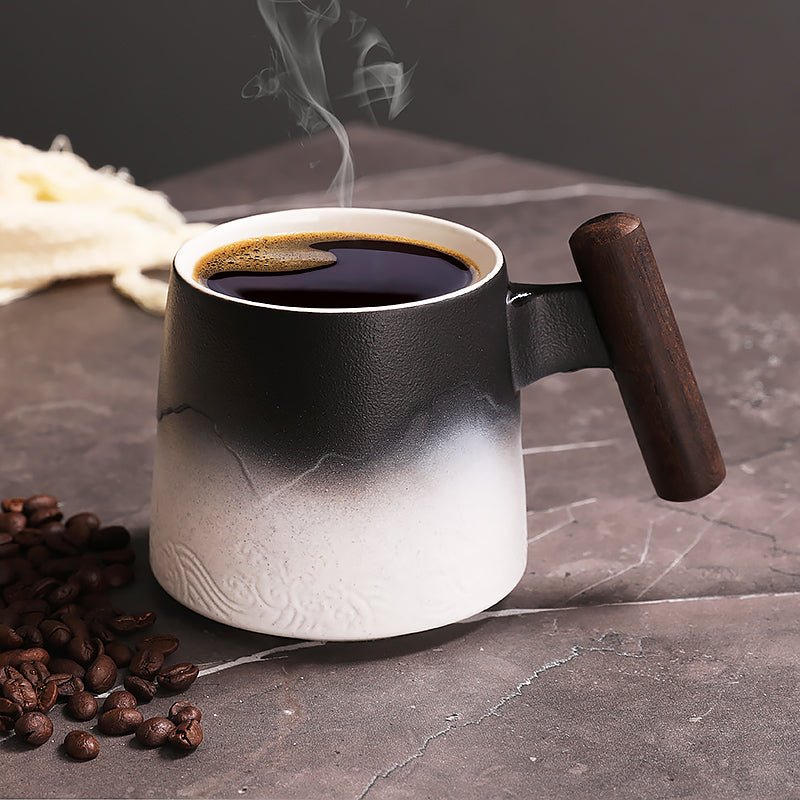
Copper Coffee Mug Buyer’s Guide: What to Check Before You Buy
A practical copper coffee mug guide from our store: what to check in the lining, size, handle comfort, and care before you buy. Built for shoppers comparing real options, not just the look.
Weiterlesen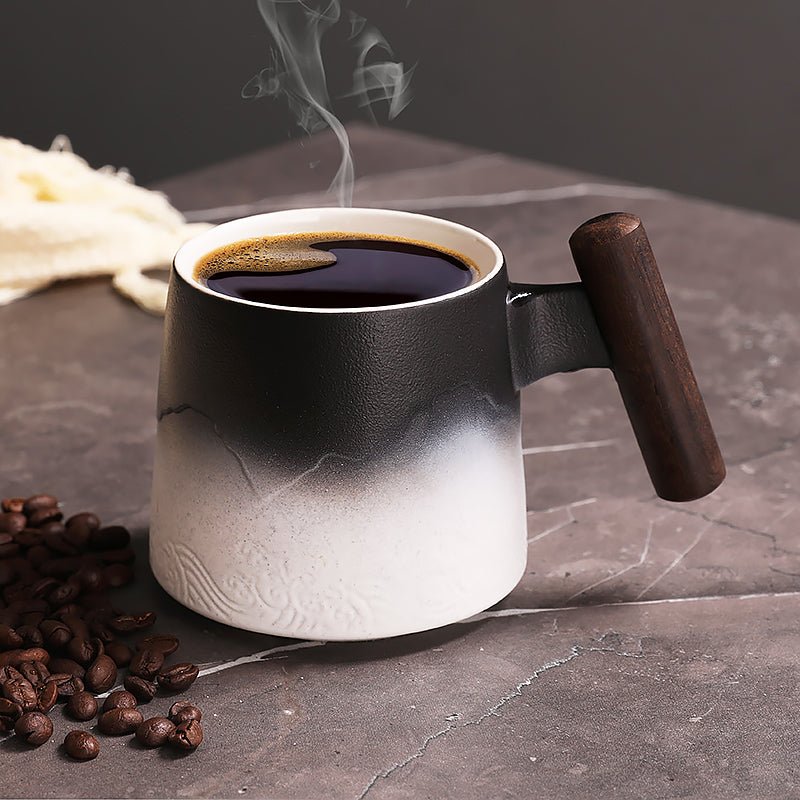
15 oz Coffee Mug: Size, Fit, and What Buyers Should Check
A practical guide to choosing a 15 oz coffee mug for daily coffee, tea, and desk use. We cover fit, handle comfort, material trade-offs, and when a smaller or larger mug makes more sense.
Weiterlesen
Hinterlasse einen Kommentar
Diese Website ist durch hCaptcha geschützt und es gelten die allgemeinen Geschäftsbedingungen und Datenschutzbestimmungen von hCaptcha.