
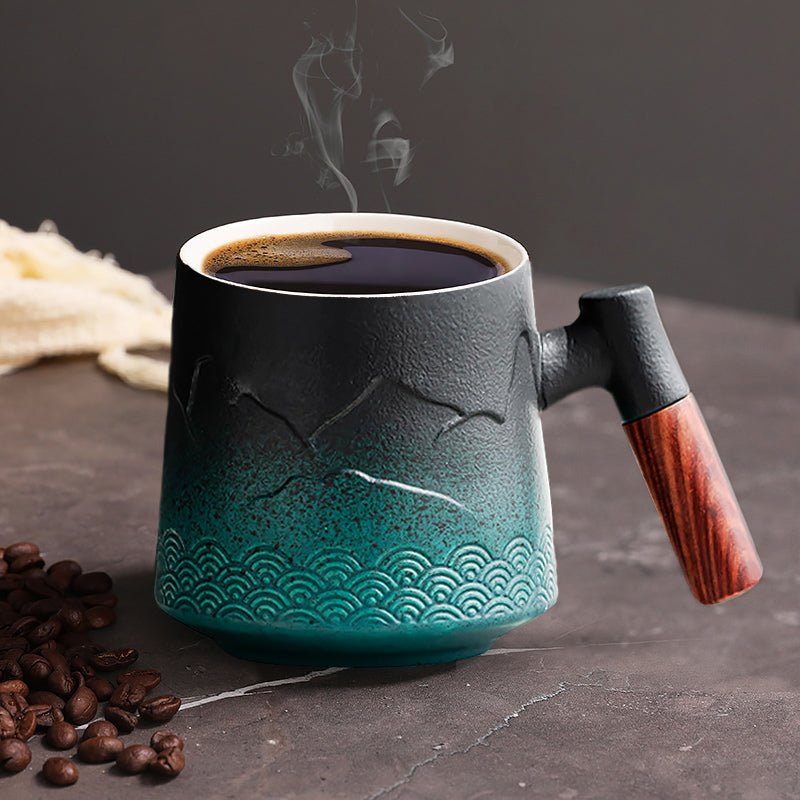
Wood Cup Buying Guide: What to Check Before You Buy
Reading time: about 9 minutes
A wood cup looks simple on a shelf, but the first thing we check is not the grain pattern. We look at the rim, the base, the finish, and how it feels after a few minutes of use. Those are the details that decide whether it becomes an everyday favorite or a cup that mostly stays on display.
If you are comparing options for home, office, or gift use, the right choice depends on how you drink coffee, tea, or water. Our store handles a lot of cup styles, and in our experience the people happiest with a wood cup are usually the ones who care about the tactile feel and the natural look more than microwave convenience or dishwasher speed. If you want to compare that against our current drinkware selection, start with our products page or browse the full collection.
What makes a wood cup worth buying?
A good wood cup should feel balanced, smooth at the lip, and stable on a table. The best ones have a finish that protects the surface without making the cup feel plasticky. When we inspect one, we care about three things first: the comfort of the rim, the quality of the seal or lining, and whether the cup is shaped to sit flat without rocking.
Wood cups are often chosen for warm drinks, desk use, or a calmer table setting. They are less common than ceramic, and that is part of the appeal. The trade-off is real: wood does not behave like ceramic or stainless steel. It needs more care, and it is not the best choice for someone who wants to toss a mug into a dishwasher every night.
- Best for: slow coffee, tea, desk use, minimalist kitchens, gift sets, and outdoor settings where lighter drinkware makes sense.
- Not best for: high-heat microwaving, soaking in the sink, rough daily dishwasher use, or anyone who wants zero-maintenance drinkware.
- Buyer check: make sure the surface is smooth enough that the rim and inner wall do not feel dry, fuzzy, or under-finished.
Which wood cup materials should you compare?
Not every wood cup is built the same way. Some are carved from solid wood, some are made from layered wood, and some combine wood with a liner or protective coating. That construction choice changes everything: feel, weight, care, and how long the cup keeps its shape.
| Type | What it feels like | What to check | Main limitation |
|---|---|---|---|
| Solid wood | Warm, natural, lightweight | Grain direction, cracks, finish quality | Can dry out or warp if neglected |
| Wood with liner | Closer to a normal cup inside, natural outside | Liner material, seam quality, rim finish | Not every liner suits boiling liquids |
| Pressed or composite wood | Uniform look, often lighter on the wallet | Edge smoothness, odor, surface sealing | May feel less premium in hand |
For buyers comparing drinkware by material, our Coffee Cup Mug Ceramic: What Buyers Should Check Before They Buy guide is useful if you are deciding between wood and ceramic. Ceramic is easier to clean and more familiar, while a wood cup usually wins on feel and visual warmth.
What size and shape work best for daily use?
Most people shopping for a wood cup are not looking for a huge vessel. They want something comfortable in the hand and practical on a desk or small table. A compact shape usually works better than a tall, narrow one because it is easier to rinse, easier to dry, and less likely to feel top-heavy.
For everyday use, check the opening diameter, wall thickness, and overall capacity together. A cup can hold enough liquid and still be awkward if the rim is too thick or the base is too small. Our team also looks for a shape that does not trap aroma in a way that becomes distracting with darker coffee. That matters more than many buyers expect.
- Smaller cups: better for espresso-style pours, tasting drinks, or short coffee breaks.
- Mid-size cups: better for regular coffee, tea, and desk use.
- Larger cups: better if you like a slower drink, but they can feel bulky in a wooden build.
If size is the main issue you are weighing, our Coffee Mug Sizes Guide: How to Choose the Right Cup and 700ml Cup Buying Guide: Size, Materials, and Daily Use can help you compare capacity against real use, not just labels.
How should a wood cup be cared for?
Care is the biggest reason a wood cup either lasts or disappoints. The routine should be simple: wash it gently, dry it right away, and keep it away from long soaking. We tell customers to think of wood as a living material, even after it is finished. It reacts to moisture and heat more than ceramic does.
Here is the practical care routine we recommend:
- Rinse soon after use instead of letting coffee residue sit overnight.
- Use mild soap and a soft sponge, not abrasive scrub pads.
- Dry with a towel, then leave it upright so air can finish the job.
- Avoid soaking the cup in a sink full of water.
- Do not put it in the microwave unless the product listing explicitly says it is safe.
Two common failure points show up again and again: hairline cracks from drying too fast, and rough patches near the rim from poor finishing. If the cup starts to feel fuzzy, dry, or uneven, that is a sign the seal or surface needs attention. A wood cup is not the right pick for buyers who want dishwasher convenience first.
In our experience, the buyers who keep a wood cup longest are the ones who treat it like a handled object, not disposable drinkware. They rinse it, dry it, and store it away from constant sink moisture.
Is a wood cup good for coffee, tea, or cold drinks?
It can be good for all three, but not equally. Warm drinks are usually the sweet spot. Coffee and tea show off the natural feel of the material, and the cup tends to stay comfortable in the hand. Cold drinks are fine if the construction is sound, but condensation can expose finish weaknesses faster than warm use.
Hot drinks are where you need judgment. A properly finished wood cup can handle warm coffee or tea, but boiling liquids are a different matter. If the liner or coating is not designed for high heat, that is where trouble begins. We do not recommend using a wood cup as a stand-in for every beverage situation.
For buyers who also want a seasonal look, our Autumn Coffee Mugs: How to Choose the Right Cup for Cozy Season guide pairs well with this topic. A wood cup often fits that cozy, low-noise aesthetic better than bright glazed mug styles.
What are the real trade-offs versus ceramic, glass, and steel?
This is where a lot of purchase decisions get settled. A wood cup is not automatically better. It is different. If you want the cleanest rinse, ceramic and stainless steel usually make more sense. If you want a warmer feel and a less rigid presence on the table, wood has a real advantage.
| Material | Strength | Weak spot | Best use |
|---|---|---|---|
| Wood | Natural feel, warm look, lighter weight | Needs careful drying and maintenance | Desk coffee, gifts, relaxed home use |
| Ceramic | Easy to understand, stable, familiar | Can chip or crack if dropped | Daily kitchen use |
| Glass | Visually clean, easy to see contents | Feels fragile, can be slippery | Tea, iced drinks, display |
| Stainless steel | Tough, practical, travel-friendly | Less natural feel, can change taste perception | Travel, outdoor use, office carry |
If you are buying for camping or outdoor drinking, a wood cup can work in the right setup, but it is not always the safest all-around choice. Our Camping Cup Buying Guide: Materials, Sizes, and Real Trade-Offs covers why some buyers prefer metal or compact ceramic instead.
What should you inspect before buying a wood cup online?
Photos only tell part of the story, so the product details matter. We look for a few specific signs before we recommend a cup to a shopper:
- Rim finish: the lip should not look rough, splintered, or visibly under-sanded.
- Base stability: the bottom should sit flat without wobbling on a countertop.
- Interior treatment: if there is a liner or coating, it should be clearly described.
- Cleaning instructions: hand-wash guidance should be explicit, not vague.
- Use limits: the listing should say whether it is meant for hot drinks, cold drinks, or both.
We also like to see honest presentation. A wood cup should be sold as a character piece with maintenance needs, not as a maintenance-free mug. That is the kind of clarity that helps buyers trust what they are getting. If you want a broader comparison across styles, our Fancy Cup Buying Guide: Style, Material, and Daily Use is a useful companion read.
Frequently asked questions
Can you put a wood cup in the dishwasher?
Usually no. Most wood cups should be hand-washed because long heat, strong detergent, and repeated water exposure can damage the finish and shape. If a product page explicitly says dishwasher-safe, follow that listing first, but that is not the norm for wood drinkware.
Does a wood cup hold hot coffee safely?
It can, if the cup is designed for warm drinks and the finish or liner is meant for that use. We would not assume every wood cup is suitable for boiling liquid. Check the product notes for temperature guidance before you buy.
What size wood cup is best for everyday use?
A mid-size cup is usually the safest choice for daily use because it is easier to hold, rinse, and dry. Very large wood cups can feel awkward or heavy, while very small ones may be too limiting for normal coffee or tea. Pick the size based on how much you actually pour, not just on appearance.
How do I keep a wood cup from cracking?
Dry it promptly after washing and avoid leaving it wet in a sink or on a damp counter. Sudden heat changes can also stress the material, so do not move it straight from very hot liquid to cold water. Good storage matters as much as washing.
Is a wood cup a good gift?
Yes, especially for someone who likes natural materials, tea rituals, or understated home accessories. It is less ideal for a person who wants low-maintenance dishware or relies on the microwave and dishwasher every day. A gift set works best when the buyer understands the care routine.
If you are ready to compare real options, start with our products page and check the material notes, care instructions, and size details side by side. That comparison will tell you quickly whether a wood cup fits your routine or whether ceramic or steel makes more sense for daily use.
More from our blog
Read more
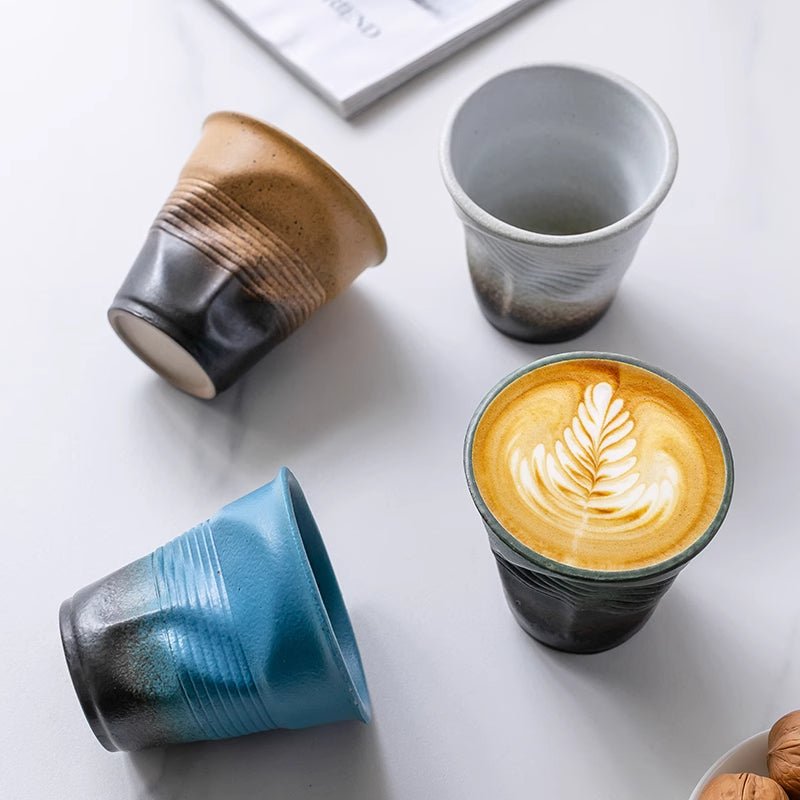
Fancy Cup Buying Guide: Style, Material, and Daily Use
A fancy cup should look polished and still work on a real kitchen counter, office desk, or gift shelf. We break down materials, sizing, care, and the trade-offs that matter before you buy.
Read more
Jade Mutton Fat Buying Guide: Color, Texture, and Value
A practical buyer’s guide to jade mutton fat, with the texture cues, color trade-offs, and care details we actually look for before recommending a piece. Includes what to avoid, what to inspect, an...
Read more
Los kommentaar
This site is protected by hCaptcha and the hCaptcha Privacy Policy and Terms of Service apply.