
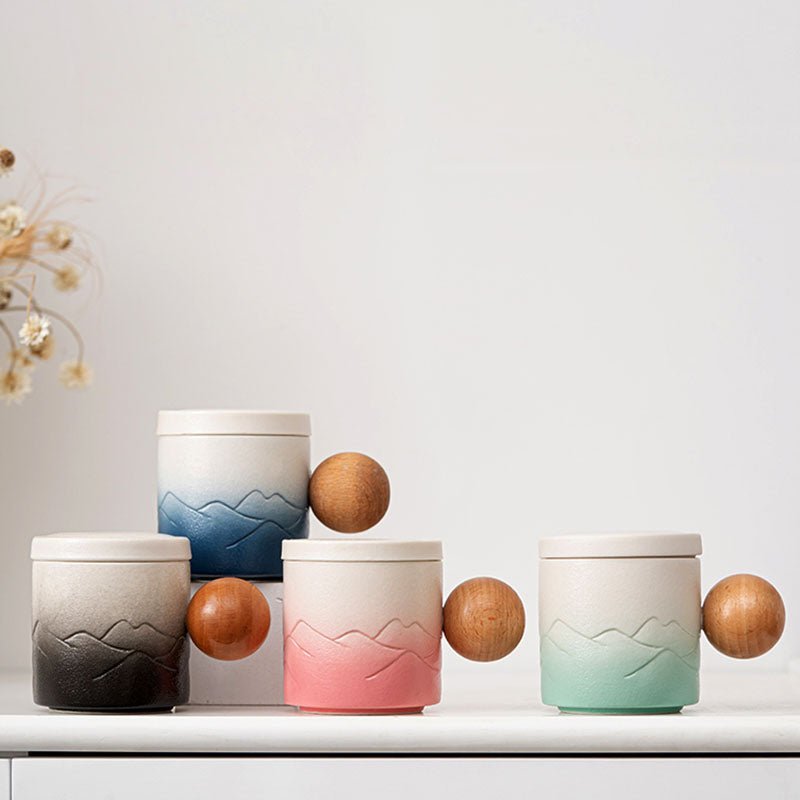
Wood Cup Buying Guide: How to Choose the Right Daily Mug
Reading time: about 8 minutes
A wood cup on a desk solves a very specific problem: the drink is hot, the cup looks warm and natural, but your hand still needs a comfortable place to land. If the grip is wrong, you feel it right away in the office, at the kitchen table, or during a slow morning pour.
At CoffeifyMug, we treat a wood cup as a real daily-use piece, not just a decorative object. In practice, that usually means a ceramic mug with a wooden handle or wood accent, because that gives you easier cleaning, better heat handling, and a more reliable drinking experience than a fully carved wooden cup.
If you want to see the type of products we mean, start with Mountain Sea II Coffee Tea Mug with Wooden Handle and The Cloud Coffee Tea Mug Wooden Handle. If you want to compare more options first, browse our all collection.
What does a wood cup usually mean in practice?
Shoppers use the phrase wood cup in a few different ways. Some mean a cup made entirely from wood. Others mean a mug with a wooden handle or a wood-look detail. In our store, the practical everyday option is usually the second one: a ceramic body with a wooden handle.
That matters because ceramic gives you a smoother drinking surface, less odor retention than porous untreated wood, and easier cleanup after coffee or tea. The wood piece is there for grip and style, but it should be treated as the part that needs the most respect.
A fully wooden cup can be attractive, but it is not the best match for every buyer. It can take more care, react differently to heat and moisture, and show wear faster if it is used the way people use a normal kitchen mug. If you want something for a desk, breakfast tray, or gift box, the ceramic-plus-wood route is usually the safer buy.
What should you check before buying one?
This is where a lot of buyers make the wrong call. A wood cup can look great in photos and still feel awkward in hand if the handle shape, rim, or finish is off. In our experience, the best pieces feel solid right away, not wobbly or overly delicate.
| What to check | Why it matters | What we look for |
|---|---|---|
| Handle finish | Rough sanding or an unfinished edge will feel bad the first time you lift the cup. | Smooth wood, no splinters, and a finish that feels sealed rather than dry or fuzzy. |
| Body material | Ceramic is easier to rinse, less likely to hold odors, and usually better for daily coffee or tea. | A glazed interior and a stable base that sits flat on a desk or counter. |
| Rim and wall thickness | A thin rim can feel sharp; a very heavy cup can become tiring during longer use. | A balanced feel that is comfortable for sipping without making the mug bulky. |
| Care instructions | The wrong cleaning routine is one of the fastest ways to damage the wood piece. | Clear guidance on hand washing, drying, and whether heat exposure should be limited. |
| Joinery and fit | Loose attachment points are one of the common failure modes we watch for. | A handle that feels secure, with no movement or obvious gaps around the connection. |
That checklist is the same one we use internally when we compare products for the store. The wood itself can age well, but only if the joining, sealing, and daily care are all practical.
If you want a more detailed pre-purchase checklist, our wood cup buying guide: what to check before you buy walks through the same decision points we use before we recommend a mug to a customer.
Which size and shape works best for coffee, tea, or gifting?
The right wood cup depends on the routine, not just the look. A mug that works well for a short espresso-style pour may feel too small for a long desk session. A larger cup may be great for tea, but annoying if it feels heavy once full.
Use this simple rule set when comparing shapes:
- For office desks: choose a stable mug with a comfortable handle and enough room for a normal coffee refill, not an oversized piece that dominates the desk.
- For tea drinkers: a wider opening can help the drink cool a little faster and makes it easier to add tea bags, loose tea infusers, or honey.
- For gifting: clean lines and a neutral finish usually work better than a highly specialized shape, because the person receiving it may use it in a different setting than you do.
- For larger daily pours: check capacity carefully before buying. If you prefer a big mug for coffee, tea, or gift use, our 700ml cup buying guide for daily coffee, tea, and gifts helps you judge whether a larger format is actually practical.
One trade-off is worth saying out loud: a wood cup is not the best pick if you want a travel-ready mug you can toss in a bag, wash in a dishwasher every night, and heat in the microwave without thinking. For that kind of use, you will usually be happier with a different material and a simpler handle or lid system.
How do you care for a wood cup so it lasts longer?
Care is where the long-term difference shows up. We see more wear from bad cleaning habits than from normal drinking. The most common mistakes are soaking the wood, leaving the mug wet in the sink, and using abrasive scrubbers that dull the finish.
- Wash it by hand unless the product page explicitly says otherwise.
- Do not leave the wooden part sitting in water.
- Dry the handle right away after rinsing.
- Keep it out of the microwave if there is any wooden component unless the maker clearly approves it.
- Watch for early signs of wear, such as rough grain, darkening from moisture, or a loose handle joint.
Those small habits matter because wood reacts differently than ceramic. A glazed cup can survive a lot of routine use, but the wood piece needs a little more attention. If you buy the mug for daily office coffee and then treat it like a standard dishwasher-safe diner mug, the finish will usually show it.
That is also why we recommend reading the care section before you buy, not after the first wash. If the maintenance feels annoying on day one, it will feel worse by week three.
Which CoffeifyMug options make sense if you want this style?
If you want a straightforward starting point, our two wooden-handle mugs are a practical comparison set. Mountain Sea II Coffee Tea Mug with Wooden Handle leans a little more grounded and earthy in tone, while The Cloud Coffee Tea Mug Wooden Handle feels lighter and cleaner in style. That makes them useful for different buyers, even before you get into size or color preferences.
If you are shopping for a gift, both styles work better when the recipient likes simple tableware and natural materials. If they prefer ultra-minimal stainless steel, a hard-wearing travel cup, or a mug that can live in the dishwasher, this category is probably not the best fit.
For broader browsing, our all collection is the fastest way to compare the wood cup options against other mug styles without losing the thread of what you actually need.
If you are still deciding between seasonal comfort pieces and everyday mugs, our autumn coffee mugs guide is also useful for narrowing down a cozy-looking cup that still works on a real kitchen counter.
Frequently asked questions
Is a wood cup good for daily coffee?
Yes, if the cup is really a ceramic mug with a wooden handle and the fit is comfortable in your hand. That setup works well for desk coffee, kitchen use, and casual gift buying. It is less ideal if you want a mug that can go through aggressive dishwasher cycles every day.
Can I put a wood cup in the dishwasher?
Not unless the maker specifically says it is safe. The wooden part is the weak point, and repeated heat plus moisture can dull the finish, loosen the surface, or shorten the life of the handle. Hand washing is the safer routine for most wood cup styles.
What is the difference between a wood cup and a mug with a wooden handle?
A true wood cup is made mostly or entirely from wood. A mug with a wooden handle usually has a ceramic body and a wood grip area. For daily use, the ceramic version is usually easier to clean and more predictable for hot drinks.
What should I avoid if I want the wood to last?
Avoid soaking, abrasive scrubbers, and unnecessary heat exposure. If the mug has any wood element, do not treat it like an all-ceramic mug. Dry it quickly after washing and store it somewhere where the handle will not get knocked around.
Is a wood cup a good gift?
Yes, especially if the person likes warm-toned tableware, tea, or a more natural look on the desk. It is a better gift when paired with a clear care note, because the recipient needs to know it is not a throw-it-in-the-dishwasher item. If you want gift options with a calmer, more natural feel, this category is a solid choice.
Use the checklist above, then compare the two product pages and the full collection before you buy. That is the fastest way to pick a wood cup that looks good on day one and still feels right after a month of real use.
Read more
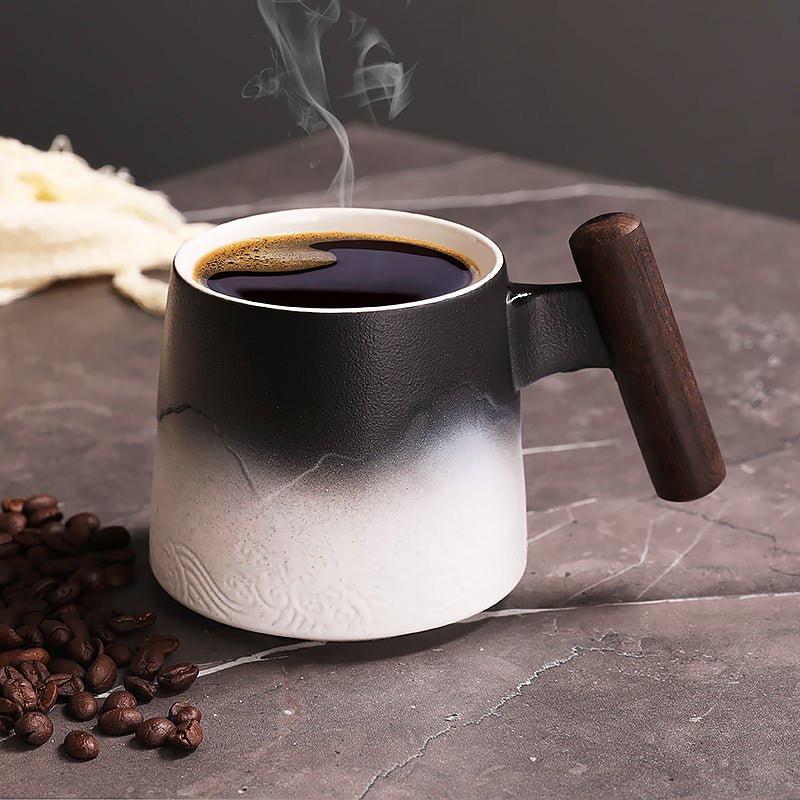
Jade Mutton Fat Mugs: How to Choose the Right Look
Jade mutton fat works best as a soft, milky green mug finish with enough shape and glaze depth to look calm on a desk or tea tray. We compare the styles that suit it and what to check before you buy.
Read more
Fancy Tea Cups: How to Choose Styles That Work for Daily Tea
Fancy tea cups should look special and still feel right after the first refill. We break down the details that matter in real use, from rim feel and handle clearance to gifting, display, and daily ...
Read more
Los kommentaar
This site is protected by hCaptcha and the hCaptcha Privacy Policy and Terms of Service apply.