
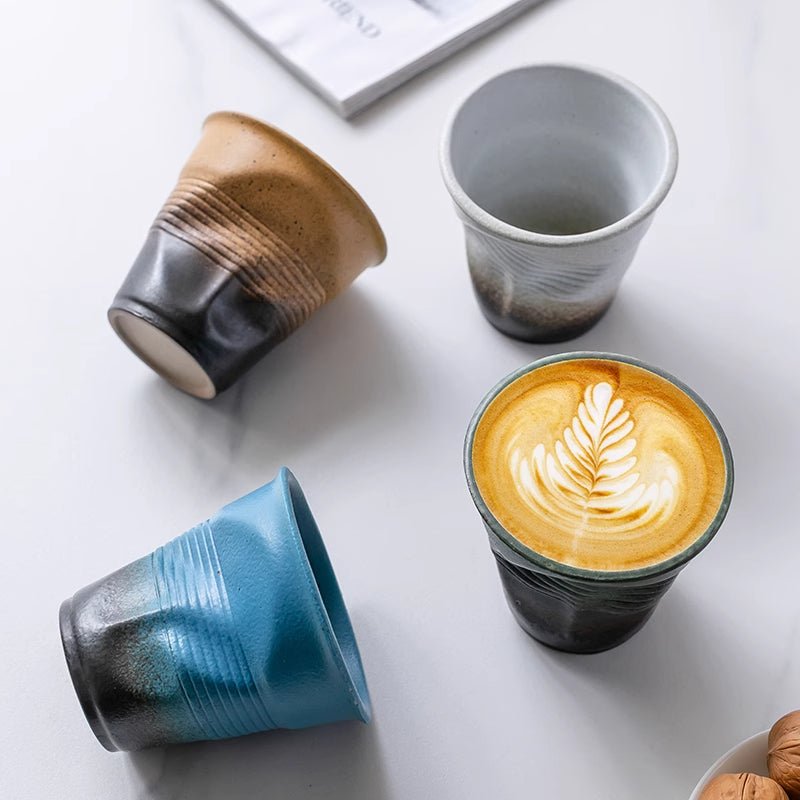
Fancy Tea Cups: How to Choose Styles That Work for Daily Tea
Reading time: about 9 minutes
One chipped rim or a handle that squeezes two fingers too tightly is enough to ruin the feel of a tea cup that was supposed to look special. In our store, the pieces that stay on the counter are the ones that still feel comfortable after the first refill, not just the ones that look good in a product photo.
That is the real test for fancy tea cups. They need to do two jobs at once: look polished enough for gifting or display, and still hold up on a kitchen counter, office desk, or weekday tea break. If a cup is awkward to sip from, top-heavy on the table, or hard to wash around the handle, it stops feeling fancy very quickly.
What actually makes fancy tea cups feel premium?
The difference usually comes down to small details, not loud decoration. A good cup feels steady in the hand, has a smooth rim, and sits flat without wobbling on a hard counter. If the glaze is even and the handle is shaped with enough clearance, the cup feels considered rather than purely decorative.
Three details we check first in our experience:
- Rim finish: A smooth drinking edge matters more than a busy surface pattern.
- Handle clearance: You want room for at least two fingers without touching the hot body of the cup.
- Base stability: A flat, clean base keeps the cup from rocking on a desk, tray, or sink edge.
There are also defect modes that shoppers often miss at first glance. We watch for pinholes in the glaze, rough spots near the lip, uneven joins where the handle meets the body, and foot rings that do not sit level. Those are the kinds of issues that show up after a few uses, especially if the cup goes through frequent dishwasher cycles or gets moved around a crowded shelf.
| What to inspect | Why it matters | Good sign | Red flag |
|---|---|---|---|
| Rim | Affects comfort with every sip | Smooth and even all the way around | Rough edge or uneven thickness |
| Handle | Affects heat comfort and grip | Clear finger space and balanced shape | Tight opening or sharp transition |
| Base | Affects stability on desks and counters | Sits flat with no wobble | Rocking or a visibly uneven foot |
| Glaze | Affects appearance and cleaning | Even finish, no pinholes | Patchy shine or rough glazed spots |
If you want a deeper buying checklist, our article Fancy Tea Cups: What to Look For Before You Buy covers the details we recommend checking before placing an order.
Which material is the safest bet for everyday tea?
Material changes the whole experience. Some buyers want a lighter, cleaner look for gifting. Others want a cup that can take a little more daily handling without feeling delicate on the sink rack. The right choice depends on how you actually drink tea, not just how you want the shelf to look.
- Porcelain: Often the most refined look. It tends to feel crisp at the rim and works well when you want a polished table setting. The trade-off is that it can feel less forgiving if you are stacking cups in a busy cupboard.
- Stoneware or ceramic: Usually a good fit for daily use. It feels solid in the hand and can suit a kitchen that sees constant activity. The trade-off is extra weight, which some people love and others find tiring after a long tea session.
- Glass: Best when you want to see the tea color, especially with herbal blends or flowering teas. The trade-off is obvious: fingerprints, more visible smudges, and a little more care around handling.
For office desks, we usually steer people toward the steadier options with a comfortable handle and a broad enough base to sit safely beside a laptop or notebook. For display-first buyers, the visual finish matters more, but the cup still should not feel fragile in a way that makes you avoid using it.
If size is part of the decision, our guide to Large Cups for Tea: How to Choose the Right Size and Shape is useful before you decide between a dainty cup and a more generous one.
Which styles work best for gifting, display, and desk use?
Style is where fancy tea cups can become either a strong gift or a piece that ends up sitting unused. A sculptural cup with a distinctive shape can feel memorable right away, while a more classic cup may be easier to reach for every day. The better choice depends on whether you want utility, personality, or both.
For shoppers who want something visually distinct without going too far into novelty, our Planet Coffee Tea Mug, Rhombus Coffee Tea Mug, and Handbag Coffee Tea Mug show three different ways to make a tea cup feel more special. Each one leans into shape first, which makes them strong choices for gift boxes, desk styling, or a shelf that needs a little personality.
If you want to compare everything in one place, start with our all collection. That is usually the fastest way to see which pieces feel practical enough for regular tea and which ones are better as display-forward buys.
The trade-off is that sculptural cups are not always the best pick for people who want a uniform tea service for six, stackable storage, or a very formal table setting. A unique silhouette can be the whole point, but uniqueness also means less flexibility.
We also talk through giftable drinkware choices in Fancy Cups: What to Buy for Daily Use, Gifting, and Display, which is a useful next read if you are comparing presentation against everyday function.
What do we inspect before we recommend a fancy cup?
We treat tea cups the way customers use them: on kitchen counters, under office lights, and in the middle of a gift unboxing. A piece can photograph beautifully and still disappoint once you rinse it, dry it, and put it back into regular use. That is why we always check the small things that affect ownership, not just first impression.
- Rim and handle join: We look for any rough edge where your mouth or fingers will make contact.
- Flatness on the base: A cup that rocks feels cheap, even if the design is striking.
- Glaze consistency: We check the inside and the foot ring for pinholes, thin spots, or dull patches.
- Storage fit: We think about whether the handle will snag other cups or make stacking awkward.
- Cleaning reality: We consider whether the shape is easy to hand wash or likely to collect residue near the handle and bottom curve.
Those details matter more than people expect. A wide handle can look elegant but still be annoying if it crowds the sink. A tall decorative profile can be beautiful on a shelf but less useful if you want a cup that slips easily into an everyday routine. This is the kind of trade-off that separates a good purchase from an impulse buy that ends up unused.
For a deeper breakdown of buying criteria, see Fancy Tea Cups: What to Look For Before You Buy. If you are choosing between oversized and standard shapes, the companion piece on Large Cups for Tea: How to Choose the Right Size and Shape will help you avoid buying a cup that looks right but feels wrong in your hand.
How do you choose the right fancy tea cup for your routine?
The best choice is usually the one that matches how you already drink tea. We see shoppers make better decisions when they start with the use case and only then look at shape and finish.
- For daily black tea: Pick a stable cup with a comfortable handle and a finish that cleans easily.
- For herbal tea at a desk: Choose a cup that feels balanced and does not take up too much surface space.
- For gifting: Prioritise visual impact, then check whether the cup still feels practical to wash and store.
- For display: Sculptural shape and color matter more, but the cup should still feel solid enough to handle.
- For occasional tea drinkers: A single statement cup can make more sense than a larger matching set.
There is also a simple honesty test we use in the store: if a cup looks fantastic but you would hesitate to use it on a busy Tuesday morning, it is probably more decorative than functional. That is not a flaw if you want a display piece. It is a flaw if you want your main tea cup.
If you want more context on use cases before you decide, the article Fancy Cups: What to Buy for Daily Use, Gifting, and Display is a good comparison point.
How should you care for fancy tea cups so they last?
Fancy tea cups do not need a complicated care routine, but they do benefit from a little restraint. If the finish is delicate, the smartest move is usually hand washing with a soft sponge and drying the base before storage. That helps reduce water marks and avoids the kind of stacking wear that shows up along rims and handles.
- Use a non-abrasive sponge so the glaze keeps its finish.
- Dry the foot ring and bottom edge before putting the cup away.
- Do not stack cups rim to rim if the lip is thin or decorated.
- Be cautious with sudden temperature changes, especially right after washing.
- If a cup has metallic accents or very fine decoration, treat it as hand wash only unless the maker says otherwise.
Some buyers want dishwasher convenience first. Others are happy to hand wash a cup if the shape is special enough. There is no wrong answer, but the choice should be deliberate. If you know you will toss it into a crowded dishwasher after every tea break, buy a cup that is forgiving and simple to clean. If you want a display piece, accept that it may need a softer routine.
Frequently asked questions
What size is best for fancy tea cups?
The best size depends on how you drink tea. Smaller cups work well for concentrated servings and short tea breaks, while larger cups make more sense if you sip slowly at a desk or prefer a fuller pour. If you often reheat or refill, a slightly larger cup is usually easier to live with than a tiny one.
Are fancy tea cups safe for daily use?
Many are, but daily use is where the practical details matter most. Check the rim, handle, and base, and make sure the cup feels stable enough for ordinary handling and washing. A fancy design is only worth it if it still feels comfortable after repeated use.
Which fancy tea cup makes the best gift?
The best gift is usually the one that looks distinctive without being too difficult to care for. Sculptural cups are great when you want a memorable unboxing moment, but a more classic shape is safer if the recipient values everyday function. If you are unsure, choose the option that balances style with an easy-to-clean finish.
Can I put fancy tea cups in the dishwasher?
Sometimes yes, sometimes no. It depends on the finish, decoration, and how delicate the shape is. If the cup has metallic accents, fine painted details, or a very thin rim, hand washing is the safer choice unless the maker specifically says otherwise.
What should I check before ordering fancy tea cups online?
Look at the cup shape, handle size, capacity, and care notes before you buy. Also check whether the cup is meant for daily use, display, or gifting, because those categories are not always interchangeable. A cup that looks beautiful in photos can still be the wrong fit if the proportions do not suit your hand or your tea routine.
If you are comparing options right now, start with the checklist above, then open our all collection and compare the shape, handle clearance, and cleanup logic before you decide which fancy tea cups belong in your cart.
Read more
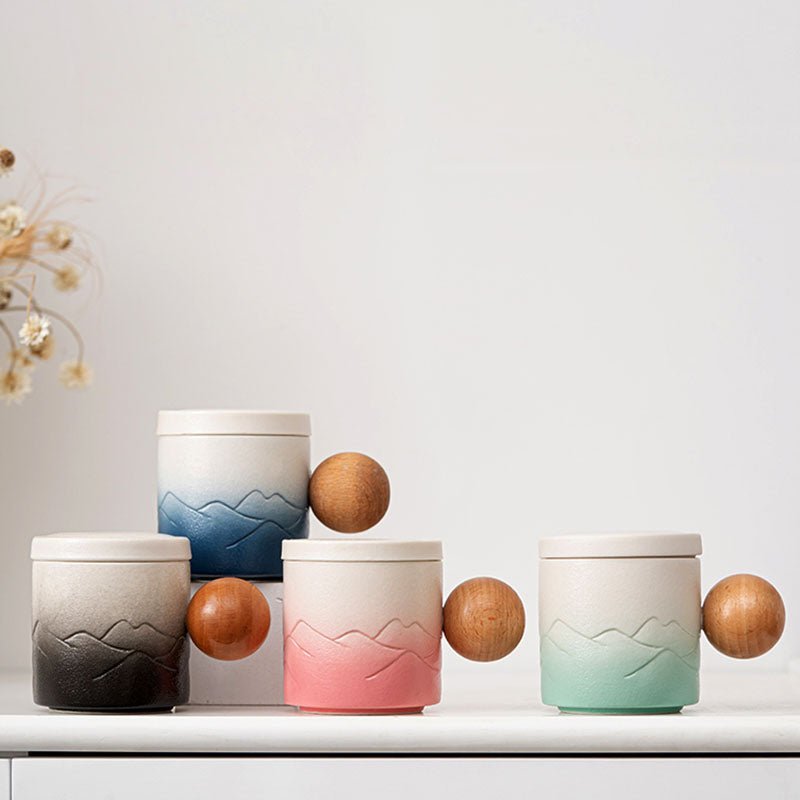
Wood Cup Buying Guide: How to Choose the Right Daily Mug
A wood cup can mean different things, but the practical choice is usually a mug with a wooden handle and a ceramic body. This guide shows what to check, what to avoid, and which options fit daily c...
Read more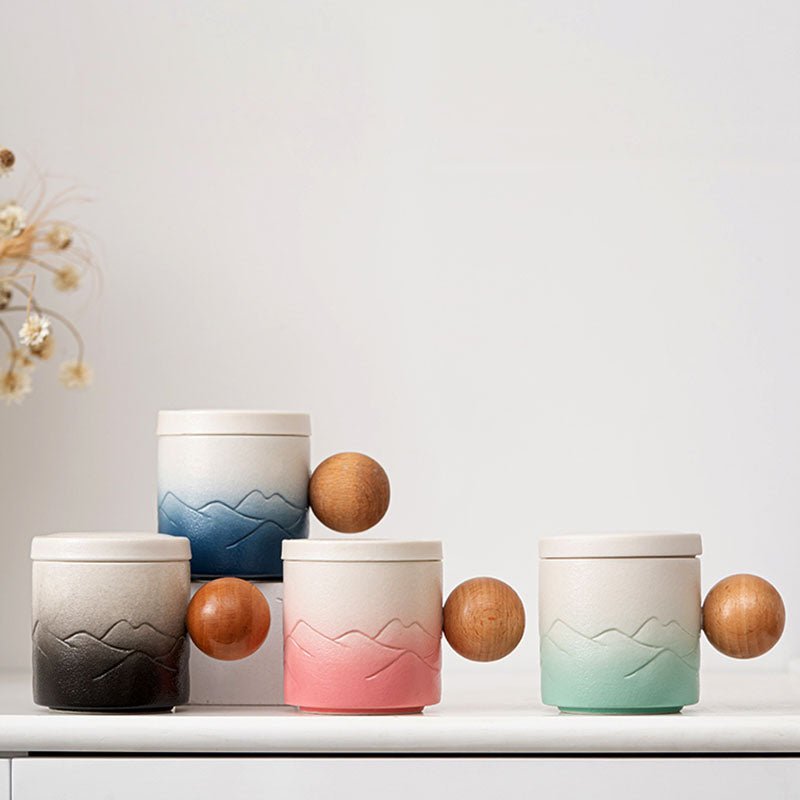
Wooden Coffee Mug Buying Guide for Daily Use and Gifts
A wooden coffee mug can feel better in hand than a plain cup, but the right choice depends on size, care, and how you actually drink. We break down what to check before you buy and which styles fit...
Read more
Los kommentaar
This site is protected by hCaptcha and the hCaptcha Privacy Policy and Terms of Service apply.