
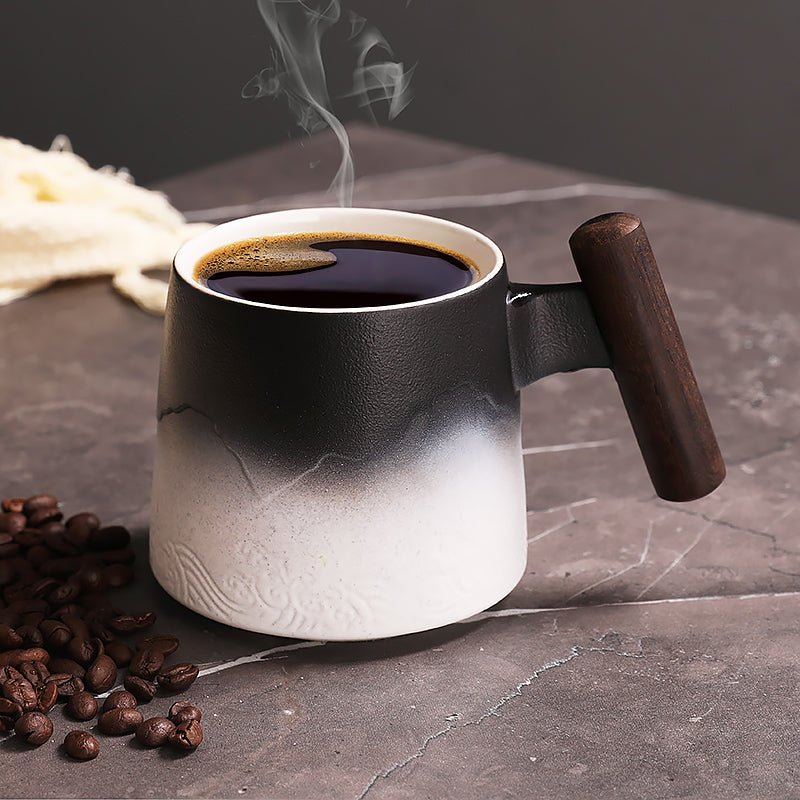
Unt Coffee Mug: Size, Material, and Fit Guide
Reading time: about 8 minutes
An unt coffee mug sounds simple until it has to earn a place on a real counter. It needs to hold the right amount, sit flat on a crowded desk, and survive daily washing without losing the details that made you pick it up in the first place.
If you searched for unt coffee mug, the useful question is not the term itself. It is which mug size, material, and shape will actually fit the way you drink coffee at home, at work, or as a gift.
What should a good unt coffee mug do every day?
A good mug should do four things without making you think about them.
- Hold your usual pour without leaving you short on room.
- Feel stable when it is full and hot.
- Fit your hand without the handle rubbing your knuckles.
- Clean up easily after repeated use.
In our store, we pay attention to the base, handle, and rim first. A flat base matters because a mug that rocks even slightly is annoying on a kitchen counter and worse on a desk beside a laptop. A handle that fits only one finger is a poor daily choice, especially once the mug is full.
We also look at the rim. A thick, uneven rim can make a perfectly good mug feel clumsy. A rim that is too thin may feel delicate in a busy kitchen or office breakroom.
What size actually fits your coffee habit?
Size is where most buyers make the wrong call. Small mugs work better for modest pours and strong coffee. Larger mugs suit people who add milk, want extra room, or do not want to refill right away.
| Size | Best for | Trade-off |
|---|---|---|
| 10 oz | Smaller servings, black coffee, espresso-based drinks that need a little room | Not much space for milk, foam, or a larger pour |
| 12 oz | A standard cup with a little headroom | Can feel small if you routinely top off with cream or milk |
| 16 oz | Longer sips, bigger home pours, fewer refills | Heavier when full and takes more cabinet space |
| 20 oz | Big servings, long meetings, people who like a large mug on the desk | Can feel bulky on a small desk or in a tight cabinet |
| 24 oz | Very large pours or people who want one mug for a long stretch | Not the best pick if you want a lighter, easier-to-hold mug |
If you are torn between smaller sizes, our 10 oz Coffee Mug: Size, Fit, and What to Check Before You Buy, 12 oz Coffee Mug: Size, Fit, and What to Check Before Buying, and 11 oz Coffee Mug: Size, Fit, and What to Check Before You Buy guides break down the feel of each step up or down. For larger mugs, compare our 16 Ounce Coffee Mug Buyer Guide: Size, Material, and Fit, 20 oz Coffee Mug: What to Check Before You Buy, and 24 Ounce Coffee Mug Buyer Guide: Size, Fit, and What to Check articles before you choose.
The bigger the mug, the more weight you carry once coffee is in it. That matters more than people expect when the handle is small or the mug moves in and out of a dishwasher every day.
Which material should you choose?
For a classic coffee mug, ceramic and stoneware are the most common choices. Ceramic usually feels a little lighter and smoother. Stoneware tends to feel denser and more substantial in the hand. Porcelain can be thinner and more refined, but it can also feel less forgiving if it gets banged around in a sink or office breakroom.
- Ceramic: Good for everyday home use and easy rinsing. Watch for chips around the rim and handle.
- Stoneware: A solid choice if you like a heavier mug. It can be great on a counter, but it is not the lightest option for carrying across an office.
- Porcelain: Best if you want a thinner, cleaner look. It is not the best match for rough handling.
- Metal or insulated alternatives: Better for heat retention or commuting, but they are not the same experience as a classic mug and are usually not microwave-friendly.
Microwave and dishwasher claims should always come from the seller or manufacturer, not from the shape of the mug. A plain ceramic mug may be safe, while a mug with metallic trim, decals, or specialty glaze may not be. That is one of the first things our team checks before we recommend a mug for daily use.
What details tell you a mug is built well?
The small details tell you more than the product photo. We look for five things.
- A flat, even base: The mug should sit without wobble.
- A clean handle join: No sharp seam or rough spot where your fingers rest.
- A smooth drinking edge: The rim should feel consistent all the way around.
- Even glaze: Pinholes, crazing, or thin spots can be cosmetic, but they should not catch your eye on a new mug.
- No hairline cracks near the handle or foot: Those are red flags before first use.
These are the details that separate a mug you keep from one you relegate to the back of the cabinet. If you are buying online, zoom in on the photos and read the care notes closely. A mug that looks fine from six feet away can still have a rough lip, a wobbly foot ring, or a handle that feels too tight once it is full of coffee.
Our experience is that buyers forgive a simple design more easily than a poor feel in the hand. Comfort is the part you notice every morning.
Which mug works best for home, office, or gifting?
The same mug does not work equally well in every setting. Here is how we think about it.
- Home kitchen: Choose the size you drink most often and make sure it works with your dishwasher and cabinet space. A 12 oz or 16 oz mug is a common everyday fit.
- Office desk: Stability matters more than a dramatic design. A wider base and moderate capacity are easier to live with near a keyboard.
- Gift: Pick a shape that feels neutral and useful. If the design is too specific, the mug becomes display-only instead of something the person reaches for.
- Small cabinets or crowded shelves: Bigger mugs can become annoying fast. A 20 oz or 24 oz mug is not ideal if storage is already tight.
If you want to compare what we currently carry, start with our products page and then browse the full collection. That is the fastest way to see which sizes and styles are actually available right now.
For shoppers who want a deeper size comparison before choosing, our 10 oz Coffee Mug: Size, Fit, and What to Check Before You Buy, 12 oz Coffee Mug: Size, Fit, and What to Check Before Buying, and 16 Ounce Coffee Mug Buyer Guide: Size, Material, and Fit articles cover the trade-offs in more detail.
Frequently asked questions
What size unt coffee mug is best for everyday use?
For most people, 12 oz or 16 oz is the practical range. Twelve ounces works well if you drink a standard cup and do not want a bulky mug, while 16 oz gives you extra room for milk, cream, or a longer pour. If you usually drink smaller servings, a 10 oz mug may feel better in the hand.
Is a ceramic unt coffee mug better than stoneware?
Neither is automatically better. Ceramic usually feels a bit lighter and smoother, while stoneware feels denser and more substantial. If you want a mug for frequent desk use, the lighter feel may be easier; if you like a sturdy, heavier mug, stoneware can be a better fit.
Can I put an unt coffee mug in the dishwasher and microwave?
Only if the product listing says it is safe for that use. Plain ceramic mugs are often dishwasher- and microwave-friendly, but metallic accents, specialty prints, or certain glazes can change that. We always recommend checking the care notes before you buy.
What should I avoid in a coffee mug?
Skip mugs with a wobbly base, a rough drinking edge, or a handle that feels cramped before it is even full. Those problems become more obvious after a few washes and a few busy mornings. If a mug has visible hairline cracks or uneven glaze near the rim, we would pass on it.
Is a 20 oz or 24 oz mug too big?
Not for everyone, but bigger mugs are less comfortable if you want a lighter feel or have limited cabinet space. They can also feel awkward on a small desk, especially if you drink coffee in short sessions and do not need the extra capacity. If you refill often and like a larger pour, they can still make sense.
What should you compare before you buy?
Before you choose an unt coffee mug, compare three things: size, material, and care. If you want the shortest path, check the mug against your usual pour, confirm that the handle feels comfortable, and make sure the care instructions match how you actually wash dishes.
Then use the collection pages to narrow it down: browse all mugs if you want to compare styles side by side, or go straight to our products page if you want to see current options first.
More from our blog
Read more
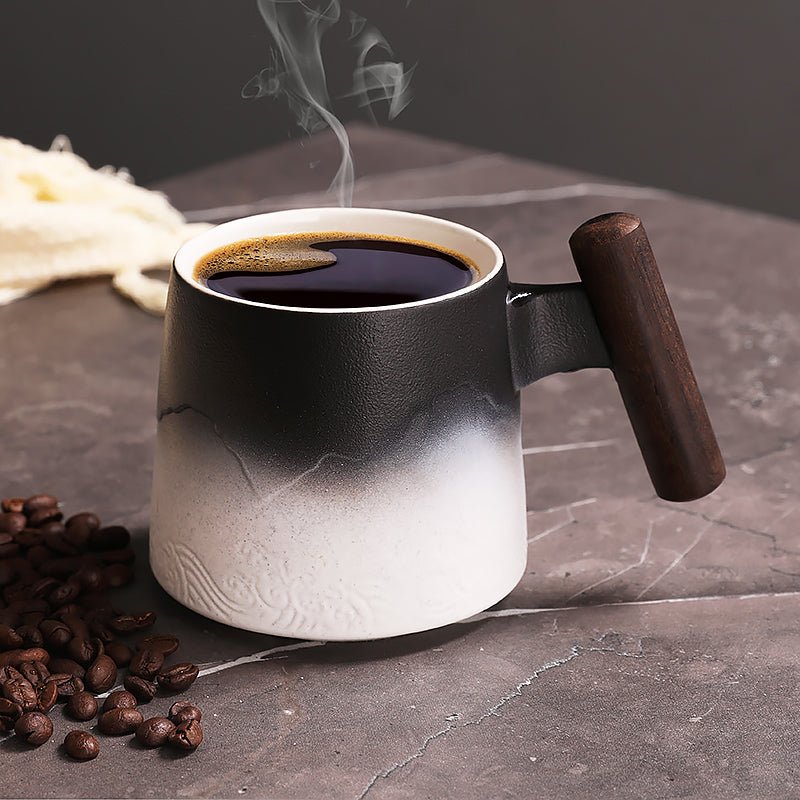
SpongeBob SquarePants Coffee Mug: What to Check Before You Buy
A SpongeBob SquarePants coffee mug can be a fun buy, but the useful details are size, print quality, and how it feels in daily use. Here is what we check before we stock a mug our customers will ac...
Read more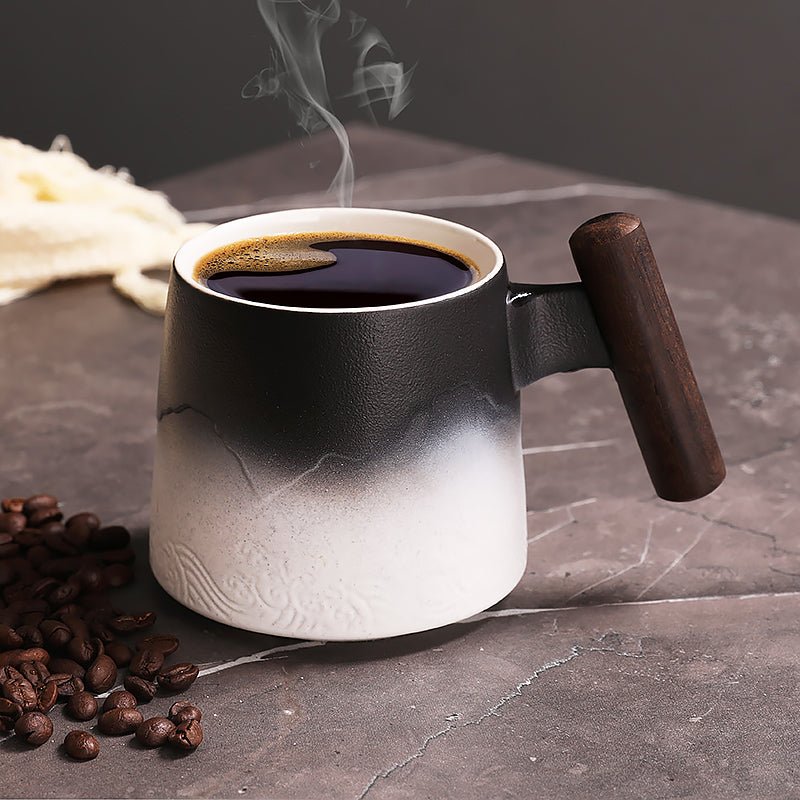
Adorable Coffee Mugs: What to Look for Before You Buy
Adorable coffee mugs should be cute, but they also need to feel right in the hand, hold the amount you actually drink, and hold up to daily washing. Here’s what our team checks before we add mugs t...
Read more
Los kommentaar
This site is protected by hCaptcha and the hCaptcha Privacy Policy and Terms of Service apply.