
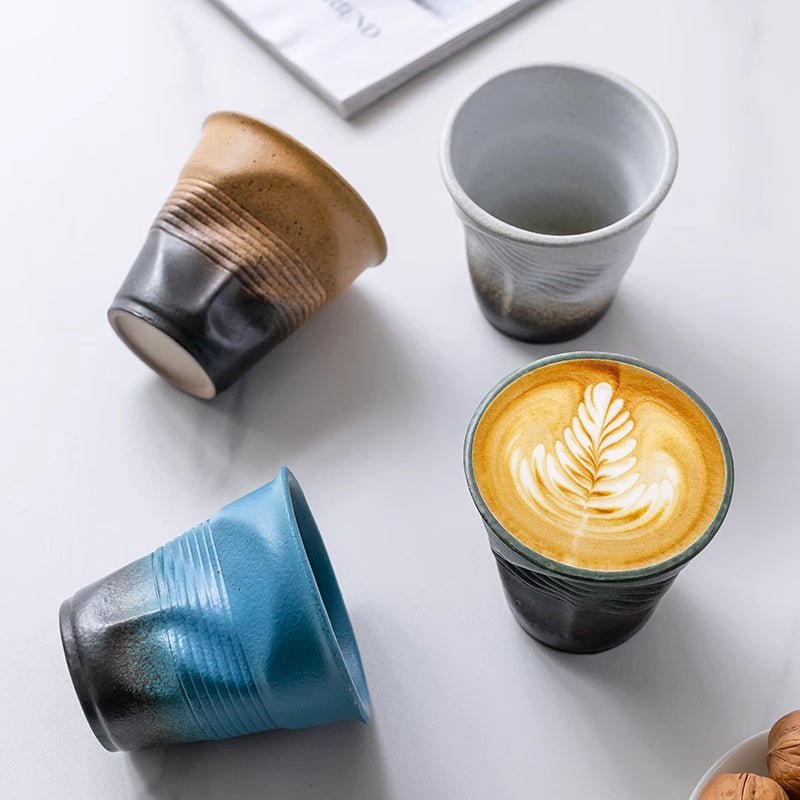
Mug and Tea: How to Choose the Right Cup for Everyday Use
Reading time: about 10 minutes
We see the same pattern in our store all the time: someone buys a mug that looks great, then realizes the handle is tight, the bowl is too wide for heat retention, or the tea cools off too fast at their desk. A mug and tea pairing sounds simple until you use it every day.
The right mug changes the whole routine. It affects how hot your tea stays, how easy it is to hold before your first sip, and whether cleanup feels effortless or annoying. If you are comparing options, this guide focuses on the practical details we check ourselves: material, capacity, shape, and day-to-day care.
If you want to browse what we carry while you read, our current options are here: products. For a wider look at everything in one place, start with our full collection.
What makes a mug and tea pairing work well?
A good tea mug does three jobs at once. It should feel balanced in the hand, hold a useful amount without being awkward, and keep the drink at a comfortable temperature long enough to finish it. That sounds basic, but in practice the differences are easy to feel.
We look at mug and tea fit the same way we would for a customer opening a box at home: does the handle clear the fingers, does the rim feel comfortable on the lip, and does the mug sit stable on a crowded counter or office desk? A mug can be perfectly fine for coffee and still be a poor tea mug if it gets too hot to grip or is too bulky for a calm, slow drink.
Here is the practical test we use:
- Grip: The handle should fit at least two fingers comfortably without pinching.
- Heat behavior: Thicker walls usually hold warmth longer, while very thin walls can cool fast.
- Rim comfort: A smoother, even rim matters more than people expect when sipping tea repeatedly.
- Balance: A mug that feels top-heavy can be annoying on small desks or bedside tables.
Which material is best for mug and tea use?
The material sets the tone for everything else. It affects how the mug feels in the hand, how hot the exterior gets, and how forgiving it is in the dishwasher.
| Material | What it feels like | Best for | Trade-off |
|---|---|---|---|
| Ceramic | Solid, familiar, usually comfortable to sip from | Everyday tea at home or at work | Can chip if knocked against a sink or other mugs |
| Porcelain | Refined, often lighter than stoneware | Gift sets, lighter handling, neat presentation | May feel less sturdy if you prefer a heavy mug |
| Stoneware | Heavier, more substantial in the hand | Relaxed home use and longer sipping sessions | Can be bulky for small cupboards or tiny hands |
| Glass | Clean, modern, lets you see the tea color | Tea presentation and loose-leaf brewing | Shows water spots and usually feels less insulating |
For mug and tea use, ceramic is the safest all-around choice. It handles daily washing well, it does not feel delicate in normal use, and it tends to keep tea warm long enough without making the mug too hot to hold. That said, if you want a lighter cup for a polished desk setup, porcelain can be a better fit.
One limitation: glass looks beautiful, but it is not the best option if you want maximum heat retention or a mug that disappears into the dishwasher without extra attention. If you are clumsy with stacked dishes, stoneware or ceramic usually makes more sense than thinner glass.
What size mug works best for tea?
Size is where a lot of buying mistakes happen. A mug that is great for coffee can be awkward for tea if it is too large, too narrow, or too shallow for the way you actually drink.
For everyday tea, we usually see shoppers happiest with a mug in the 8 oz to 16 oz range. Smaller mugs suit stronger teas and slower sipping. Larger mugs help if you like a bigger pour, add milk, or want room for a tea bag without crowding the surface.
If you are comparing sizes in more detail, our related guides can help: 8 oz Coffee Mug: What to Check Before You Buy, 10 oz Coffee Mug: Size, Fit, and What to Check Before You Buy, and 16 Ounce Coffee Mug Buyer’s Guide: Size, Material, and Fit.
- 8 oz: Best for smaller servings and tea drinkers who want a concentrated cup.
- 10 oz: A common middle ground for home desks and short breaks.
- 16 oz: Better for longer sessions, milk tea, or when you want fewer refills.
- 20 oz and above: Useful if you truly drink a large volume, but can feel oversized for tea alone.
The trade-off is simple: bigger mugs hold more tea, but they also cool unevenly and can be bulky. If a mug is too wide, the drink loses heat faster. If it is too tall and narrow, tea bags and infusers can be harder to stir or remove cleanly.
How do shape and handle affect everyday comfort?
Shape changes how a mug behaves in real life. A rounder body often feels classic and stable. A straighter cylinder can fit more easily on a desk but may run hotter on the outside if the walls are thin. A wider mouth gives tea room to breathe, while a narrower mouth can help slow cooling.
Handles deserve more attention than most shoppers give them. We have seen plenty of mugs that look excellent in photos and then feel wrong the moment someone slips two fingers through the handle at the kitchen sink. If the handle is too small, the mug gets awkward fast. If it is too large, the mug can feel clumsy and overbuilt.
A tea mug should disappear into the routine. If you notice the handle every single time you lift it, the shape probably is not right for you.
In our experience, a well-proportioned mug should still feel comfortable when full and warm. That matters more than decorative texture or a pretty glaze. A mug used on an office desk also needs a stable base so it does not wobble on a coaster or crowd a laptop.
What care steps keep a tea mug looking good longer?
Daily use is where quality shows up. Tea leaves stains, mineral-heavy water leaves rings, and dishwashers can slowly dull glossy finishes. A mug does not need babying, but a few habits help it stay cleaner and better-looking.
- Rinse soon after use: Tea stains are easier to remove before they dry.
- Avoid harsh scrubbing on decorated finishes: Decorative prints and some glazes can lose sharpness over time.
- Check for dishwasher guidance: Many ceramic mugs are dishwasher safe, but handwashing can be gentler on detailed designs.
- Let the mug dry fully before stacking: This helps prevent lingering moisture and cupboard smells.
- Watch for hairline cracks or chips: Small damage can trap stains and get worse with repeated washing.
Common wear points are usually the rim, the handle joint, and the base. We check these areas before we stock or recommend a mug because they take the most everyday abuse. A tiny chip on the rim may not matter to some buyers, but for tea drinkers who sip often, it can become annoying very quickly.
Is a tea mug a good gift, or should you choose something else?
A tea mug makes a good gift when you know the person’s routine. It works well for office gifts, housewarmings, and simple everyday surprises. The key is choosing a size and style that matches how they actually drink tea, not just what looks nice in a photo.
If the person likes loose-leaf tea, a mug with enough mouth width for an infuser is helpful. If they tend to sip slowly at a desk, a 10 oz or 16 oz mug usually works better than something oversized. For a more detailed sizing comparison, our guide on 24 oz Coffee Mug: What to Check Before You Buy can also help if you are comparing larger-capacity options for people who drink all day.
That said, a tea mug is not the best gift if the person already has a favorite insulated tumbler, mostly drinks iced tea, or wants something travel-friendly. For commuting, a lidded travel mug is often the better purchase. For a kitchen shelf display, porcelain can feel more polished than a heavy stoneware piece.
How do you choose between tea-only mugs and general coffee mugs?
Many shoppers want one mug that covers both coffee and tea, and that is reasonable. We sell and handle both types, and the overlap is real. Still, there are practical differences worth considering.
A tea-focused mug often has a shape that feels a little calmer and more open. A general coffee mug may be more versatile for larger pours and mixed use. If you like one mug for everything, a medium size with a comfortable handle is usually the safest path.
Use this quick comparison:
- Choose a tea-focused mug if you care about comfort, slower sipping, and a pleasant rim.
- Choose a general mug if you want one piece of drinkware for coffee, tea, broth, or hot cocoa.
- Choose a larger mug if you refill less often and do not mind extra width.
- Choose a smaller mug if you value heat retention and a more controlled serving size.
If you want more help matching capacity to use, our size guides for 24 Ounce Coffee Mug Buyer’s Guide: Size, Fit, and What to Check and 20 oz Coffee Mug: What to Check Before You Buy are useful for bigger daily drinkers.
What should you check before buying mug and tea drinkware?
Before you buy, focus on the details that affect daily use. We try to keep this practical because photos rarely show the full story.
- Material: Ceramic and stoneware are usually the safest everyday picks.
- Capacity: Match the mug to your actual pour size, not just the label.
- Handle fit: Make sure the grip looks large enough for your hand.
- Rim finish: Smooth edges matter for repeated sipping.
- Care instructions: Dishwasher-safe is convenient, but handwashing may protect decorative finishes.
- Base stability: A flatter base helps on desks, trays, and tight kitchen counters.
Those details are where a good mug earns its keep. A mug can be attractive and still be the wrong choice if it is awkward to hold, too thin for hot tea, or too large for your cupboard shelf.
Frequently asked questions
What size mug is best for tea every day?
For most people, 8 oz to 16 oz covers everyday tea well. Smaller sizes suit stronger tea and slower drinking, while 16 oz gives more room for milk, ice, or longer sessions. If you want one mug for both tea and coffee, 10 oz to 16 oz is usually the most flexible range.
Is ceramic or porcelain better for mug and tea use?
Ceramic is usually the more forgiving everyday choice because it feels sturdy and is easy to live with. Porcelain is lighter and can look more refined, but it may not feel as substantial in hand. If you want a mug that can handle daily kitchen use without feeling delicate, ceramic is a safe pick.
Are bigger mugs better for tea?
Not always. Bigger mugs hold more liquid, but they can cool faster at the surface and feel bulky on a desk or in a small hand. If you tend to finish tea slowly, a medium mug often performs better than a very large one.
Can I put my tea mug in the dishwasher?
Many mugs are dishwasher safe, but the finish matters. Plain ceramic usually handles regular washing well, while printed or decorated mugs may stay sharper longer with gentler care. Check the care guidance before you buy, especially if you want the mug to keep a clean look over time.
What should I avoid if I want a mug for loose-leaf tea?
A very narrow mug can make infusers harder to place and remove. Super shallow mugs can also leave less room for steeping and stirring. For loose-leaf tea, choose a mug with a comfortable opening and enough depth for your infuser or strainer.
If you are ready to compare actual options, start with our full collection and use this checklist: material, size, handle fit, and care instructions. That quick comparison will usually point you to the right mug faster than any product photo can.
More from our blog
Read more
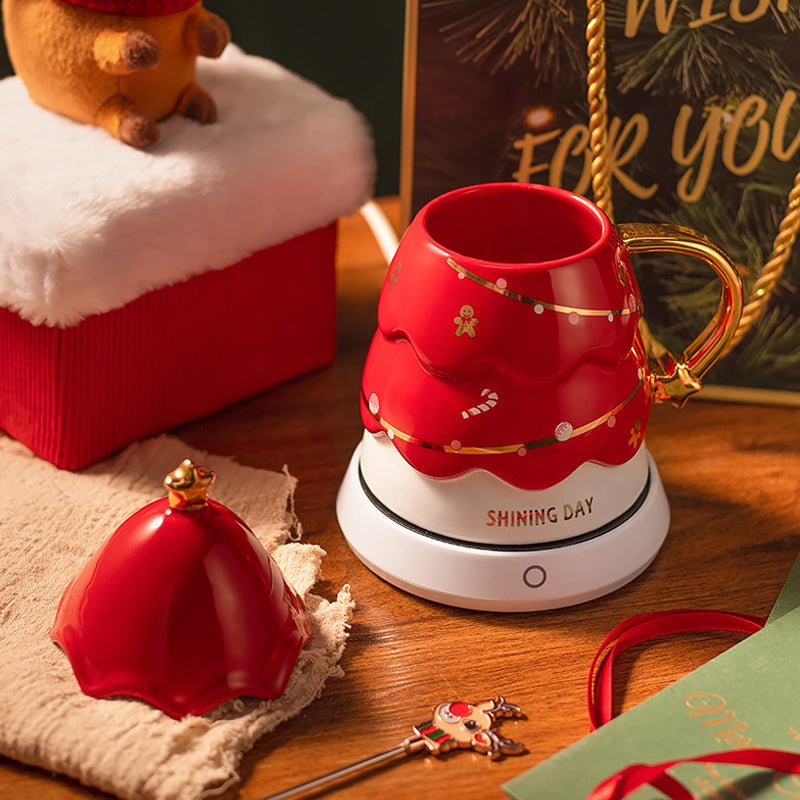
Christmas Tea Cups: What to Buy for Gifts, Sets, and Daily Use
Christmas tea cups need to do more than look festive. The right pick balances handle comfort, rim feel, material, and care so it still works after the holiday table is cleared.
Read more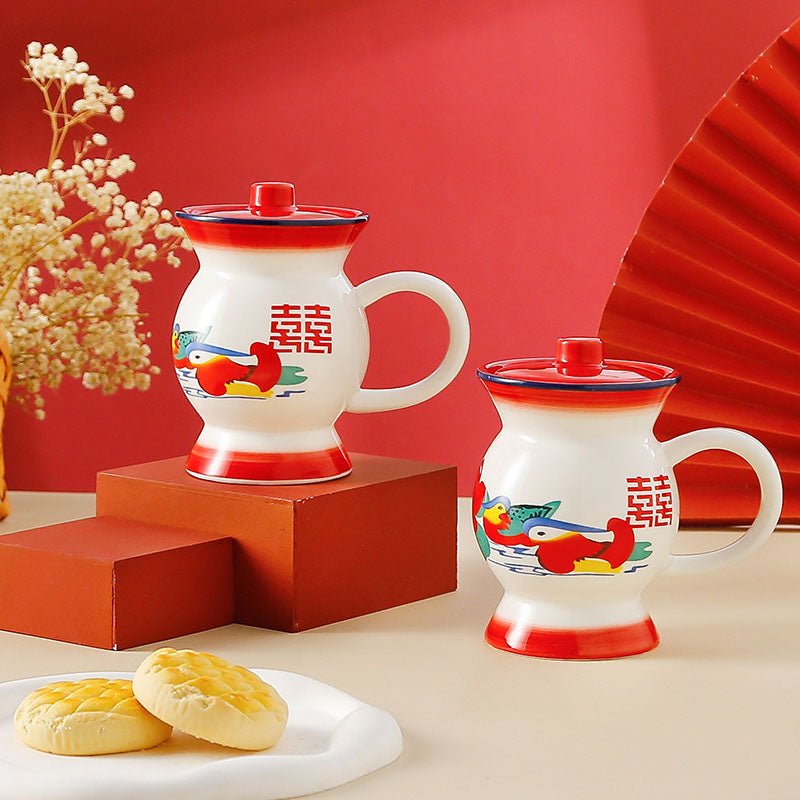
Oversized Mug Buyer’s Guide: What to Check Before You Buy
An oversized mug sounds simple until you try to fit it under a kitchen cabinet, into a dishwasher rack, or around a hand that actually wants a comfortable grip. Here’s how we help shoppers choose a...
Read more
Los kommentaar
This site is protected by hCaptcha and the hCaptcha Privacy Policy and Terms of Service apply.