
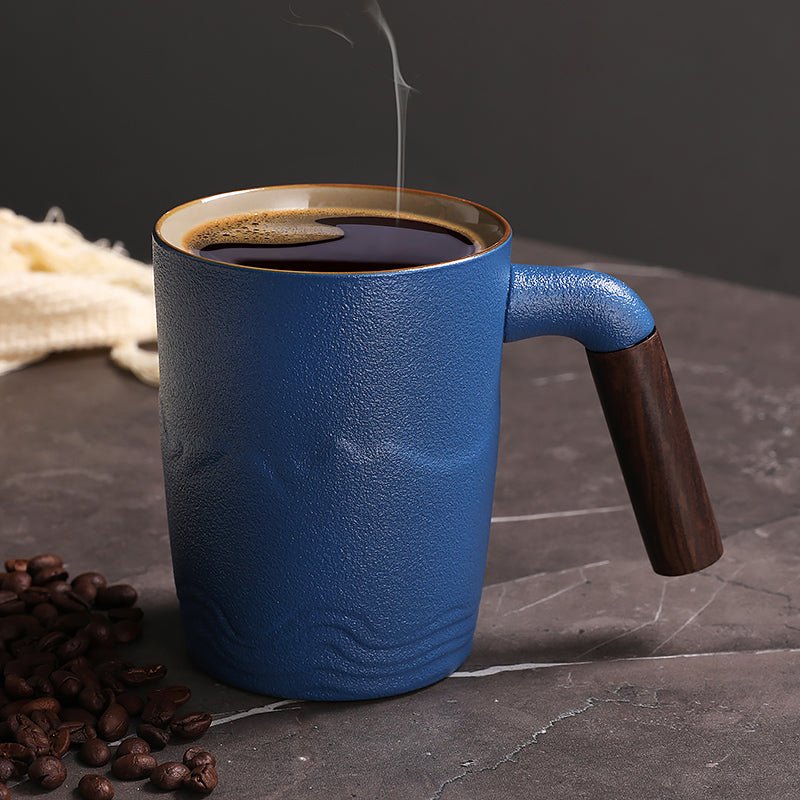
Latte Art Cup Buying Guide: Shape, Size, and Material
Reading time: about 9 minutes
A latte art cup can make a clean heart or rosetta look effortless, or it can fight you on every pour. We see that difference quickly in our store when shoppers compare a wide, shallow cup against a tall mug and wonder why the same milk behaves differently.
The shape matters first. Size matters next. Material decides how hot the drink stays, how the cup feels in the hand, and how forgiving it is on a busy kitchen counter, office desk, or after a dishwasher cycle. If you are choosing one for home espresso drinks, the right cup is usually less about looks and more about control.
For shoppers who want to browse what we carry, start with our all collections page. If you are looking for a decorative everyday mug that still fits a relaxed coffee or tea routine, our Koi Fish Coffee Tea Mug is a good example of the kind of piece people often buy for gifting or table display. If you want a broader buying perspective, our related guides on Latte Art Cup: How to Choose the Right Shape, Size, and Material and 700ml Cup Buying Guide: Size, Materials, and Daily Use cover neighboring sizes and daily-use trade-offs.
What makes a latte art cup different from a regular mug?
A true latte art cup gives the milk foam room to settle into a smooth surface before you pour. That usually means a wider opening, a rounded inner bowl, and a shape that lets the espresso and milk blend without spilling over too fast. A regular tall mug can still hold a latte, but it often makes the art harder because the surface is narrower and the foam stacks instead of spreading.
In our experience, buyers notice three practical differences right away:
- Opening width: A wider rim helps the foam spread so your design sits on top instead of disappearing into a deep cup.
- Wall shape: A gently curved interior is easier to pour into than a straight-sided cylinder.
- Capacity: Most home latte art cups sit around 6 to 10 oz, which is usually enough for a single espresso-based drink without leaving too much empty space.
If you like large pours, a bigger mug can still work, but it stops behaving like a focused latte art cup. The milk layer gets thinner, and the pattern can blur before you finish the pour.
Which shape gives the cleanest latte art?
The most forgiving shape is usually a cup with a rounded bowl and a slightly flared rim. That shape gives the milk a stable surface and helps the design open up naturally. A straight-sided mug is less predictable because the foam can collect in the center and the pour has less room to spread.
Here is how the common shapes compare in real use:
| Shape | What it does well | What it is not great for |
|---|---|---|
| Rounded cup | Best for clean hearts, tulips, and rosettas | Can feel less roomy for very large drinks |
| Wide bowl cup | Easy surface control and better pattern visibility | Less insulating than thicker, enclosed shapes |
| Tall mug | Good for bigger everyday servings | Harder to control latte art placement |
| Straight-sided cup | Simple, stackable, familiar for daily use | Not ideal for detailed latte art |
If your main goal is latte art practice, we would choose shape before decoration. A beautiful print on the outside does not help if the inner profile makes pouring awkward.
What size should you buy for home espresso drinks?
For a single latte, the safest range is usually 6 to 8 oz. That size gives you enough room for espresso plus steamed milk without forcing the foam too close to the rim. If you prefer larger milk drinks, 8 to 10 oz can still work, but the cup needs to keep a wide enough mouth to stay manageable.
Here is the practical way we think about it in store conversations:
- 6 oz: Best for tight, focused pours and smaller espresso drinks.
- 8 oz: The most flexible middle ground for home latte art.
- 10 oz: Better if you like a fuller cup, but the pour needs more control.
- 12 oz and above: Usually better as a daily mug than as a dedicated latte art cup.
A larger cup is not automatically better. If you fill a big mug with a small amount of milk, the design tends to drift and flatten. If you want a drink that looks balanced on the table and still supports art, stay close to the actual serving size you make most often.
Which material is best: ceramic, porcelain, or glass?
Material changes the feel more than many shoppers expect. Ceramic and porcelain are the most common choices because they hold heat well and feel stable in the hand. Glass can look attractive and lets you see layers, but it usually loses heat faster and can feel less forgiving if you are practicing every day.
We usually break it down this way:
- Porcelain: Often smoother and lighter, with a clean finish that works well for presentation.
- Ceramic/stoneware: Slightly heavier, practical for everyday use, and often better for a relaxed home feel.
- Glass: Nice for visual layering, but not always the best choice if you want the drink to stay hot longer.
A glazed ceramic or porcelain interior also makes cleanup easier after milk residue. If the finish is rough or uneven, you may see more staining over time, especially with darker coffee drinks. That is one of the common trade-offs we point out to shoppers who want a cup that looks nice on day one and still holds up after regular washing.
What details matter most before you buy?
Shoppers often focus on style first, but a few small details make a bigger difference in daily use. We check these things because they affect pouring, comfort, and durability far more than the printed design on the outside.
- Rim thickness: A medium or thinner rim usually feels better when you drink straight from the cup and can make the pour line easier to control.
- Handle space: If your fingers pinch against the handle, the cup gets annoying quickly, especially when it is full and hot.
- Base stability: A slightly wider base helps the cup sit flat on a crowded counter or desk.
- Inner finish: A smooth interior supports cleaner pours and easier rinsing.
- Cleaning method: Dishwasher-safe is convenient, but hand-washing is still the safer choice for detailed artwork and printed finishes.
The common defect modes we watch for are uneven glazing, a wobbly base, and a handle that looks nice but is too narrow to grip comfortably. Those are the kinds of issues that turn a pretty cup into a daily annoyance.
Is a latte art cup the same as a gift cup or display mug?
Not always. Some cups are built for the pour first. Others are designed to look good on a shelf or make a solid gift unboxing moment. A cup can be both, but it is rare for one shape to excel equally at art, heat retention, and visual presentation.
If you are shopping for a gift, decorative finish and personality may matter more than perfect latte control. That is where a mug like our Koi Fish Coffee Tea Mug makes sense for someone who enjoys coffee, tea, or a desk-ready mug with more character than a plain white cup. It is not the first choice if the buyer wants a competition-style pour surface, but it is a better fit if the goal is daily enjoyment and giftability.
If you want to compare more styles in one place, the all collections page is the fastest way to see what fits your table, cabinet space, and serving habits.
What trade-offs should you expect?
Every latte art cup makes a compromise. A wide cup improves art but can cool faster. A heavy ceramic mug feels sturdy but may be less refined for precise pouring. A decorative cup looks better on the shelf but may not have the smooth interior you want for consistent patterns.
We would not recommend a latte art cup if you mostly make oversized milk drinks, want a travel-friendly lid, or need something that doubles as a soup bowl. In those cases, a larger daily mug or a utility-first cup is the better purchase. If your main goal is cappuccino-style pours, presentation, and a cup that makes practice easier, a dedicated latte art shape is worth it.
For shoppers comparing size and daily use, the broader context in our 700ml Cup Buying Guide: Size, Materials, and Daily Use can help you avoid buying something that looks right but feels wrong at the table.
How do you choose the right cup for your routine?
Use the routine, not the photograph, to make the final call. A cup that looks perfect for cafe-style latte art can still be wrong if it is too small for your milk habit or too delicate for everyday washing. We tell shoppers to match the cup to the way they actually drink coffee at home.
- If you make single lattes: choose 6 to 8 oz with a rounded inner bowl.
- If you drink larger milk coffees: choose 8 to 10 oz, but keep the opening wide.
- If you want one cup for coffee and tea: prioritize comfort, handle shape, and easy cleaning.
- If you are buying a gift: choose a visually strong mug with a simple, reliable shape.
That approach keeps you from overbuying size you do not need. It also keeps you from choosing a decorative piece that looks good online but does not pour well on your kitchen counter.
Frequently asked questions
What size is best for a latte art cup?
For most home drinks, 6 to 8 oz is the most practical range. It gives you enough room for espresso and steamed milk without making the cup too deep or too hard to control.
Can I use a regular mug for latte art?
Yes, but the results are usually less consistent. A tall or straight-sided mug makes it harder for the foam to spread cleanly, so the pattern often looks tighter or less defined.
Is ceramic better than glass for latte art?
For most buyers, ceramic or porcelain is the safer everyday choice. It usually holds heat better and feels more stable, while glass cools faster and is more likely to be chosen for visual effect than for repeated practice.
Should a latte art cup be dishwasher safe?
Dishwasher safety is convenient, especially for daily use. We still recommend checking the finish and print quality, because some decorative designs hold up better with hand washing over time.
What is the biggest mistake people make when buying a latte art cup?
Buying for looks before shape is the most common mistake. A pretty cup with the wrong opening or wall profile can make latte art harder than it needs to be.
If you are deciding between a decorative mug and a cup built more specifically for coffee service, start with the shape checklist above, then compare options in our all collections page. That usually makes the right choice obvious fast.
More from our blog
Read more
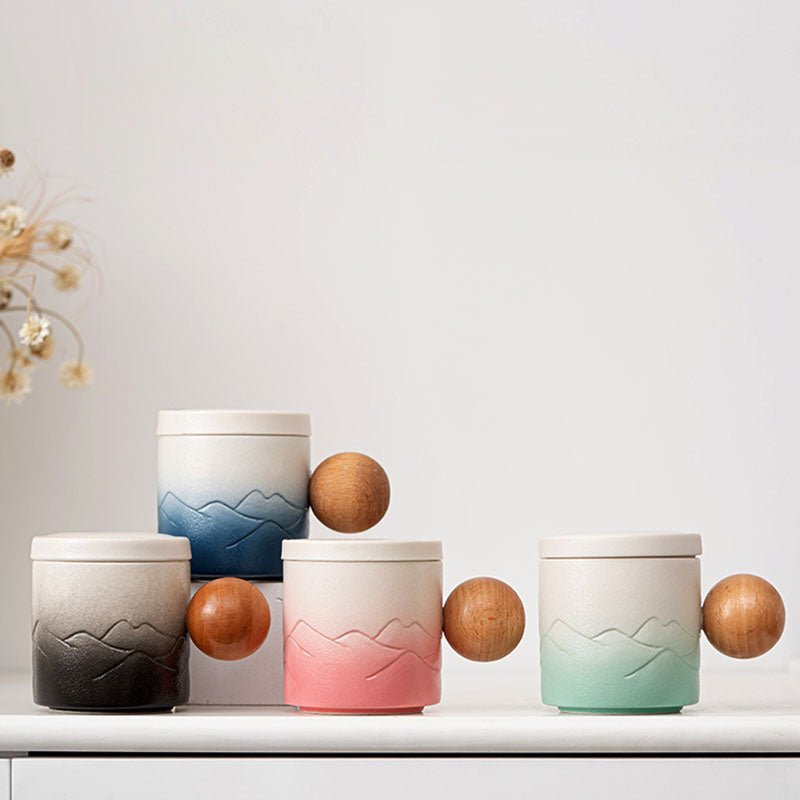
Large Coffe Mugs That Fit Real Daily Use
Large coffe mugs are a good fit when a standard cup feels too small for morning coffee, tea, or a long desk session. We break down what to look for, what to avoid, and which styles work best for ev...
Read more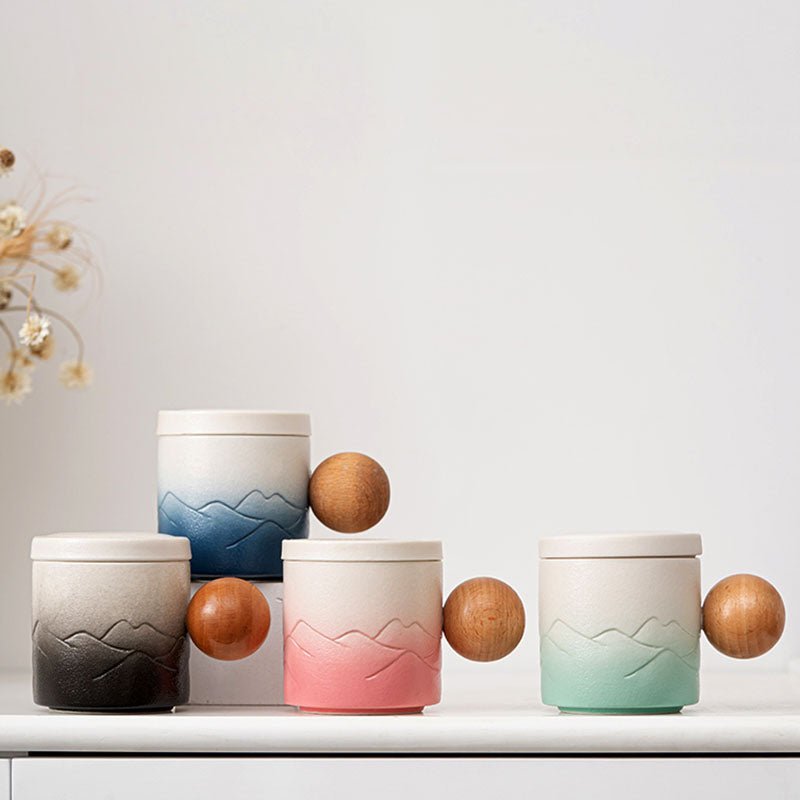
Interesting Mugs for Daily Coffee, Gifts, and Desk Use
Interesting mugs should do more than sit on a shelf. We break down what makes a mug worth buying for daily coffee, office use, and gifting, plus which styles feel easiest to live with.
Read more
Los kommentaar
This site is protected by hCaptcha and the hCaptcha Privacy Policy and Terms of Service apply.