Hydro Flask Coffee Mug Buying Guide: What to Check Before You Buy
Reading time: about 8 minutes
A mug that looks right on the shelf can still fail the first real test: the commute, the desk, or the dishwasher rack. We see that all the time in our store. A good hydroflask coffee mug needs to do more than hold coffee; it needs to sip cleanly, fit the space you actually use, and stay easy to live with after the first week.
If you are comparing options for daily coffee, the useful question is not just whether it is insulated. It is whether the lid seals well enough for your routine, whether the body feels comfortable in the hand, and whether the size matches the amount you actually drink before it cools.
What should a hydroflask coffee mug do on a normal day?
Most buyers want three things from a hydroflask coffee mug: temperature retention, manageable carry, and a lid that behaves. That sounds simple, but those three pieces usually separate the mugs that stay in rotation from the ones that end up at the back of the cabinet.
- Hold heat without turning the drink into a chore: coffee should stay enjoyable through a meeting, a morning email session, or a short commute.
- Open and close without fuss: if the lid fights you every morning, you stop using it.
- Feel stable on a counter or desk: a mug that rocks slightly or wobbles near the edge is a small annoyance that becomes a daily one.
- Clean up without a deep scrub: removable seals and lids matter because coffee oils settle fast.
It is also worth saying what this kind of mug is not best for. If you want something you can microwave, stainless steel is the wrong category. If you want the lightest possible cup for a short walk from the kitchen to the sofa, a ceramic mug may be the simpler choice.
Which materials and build details matter most?
For this category, the material stack matters more than the exterior color. The body is usually stainless steel, often paired with double-wall vacuum insulation, and the lid is typically a separate plastic or polymer piece with a silicone gasket. That combination is what gives the mug its utility.
| Detail | Why it matters | What to check |
|---|---|---|
| Stainless steel body | Resists rust and handles daily use better than thin single-wall cups | Look for a solid feel, not a tinny shell |
| Double-wall vacuum insulation | Helps slow heat loss and reduces exterior condensation | Check that the outer wall stays comfortable to hold |
| Silicone gasket | Helps the lid seat properly and reduces splash risk | Make sure it is removable for cleaning |
| Threaded or press-fit lid | Controls how securely the mug closes | Threads should turn smoothly without cross-threading |
We also look for common defect modes that show up after a few weeks, not just on day one. Dents can affect the vacuum layer. A warped lid can make the seal inconsistent. A gritty thread usually means the lid is hard to align and harder to clean. And if the exterior coating chips easily around the rim or base, the mug will start looking worn much faster than it should.
Finish matters too. A powder-coated exterior usually gives a better grip than bare metal, especially with wet hands in a kitchen or office sink area. It is not a magic shield against scratches, though. Keys in a bag or rough dishwasher contact can still mark the surface over time.
What size should you choose?
Size is where many buyers overthink the wrong thing. Bigger is not automatically better. A larger mug can hold more coffee, but it also takes longer to drink, weighs more when full, and can feel oversized on a crowded desk.
We usually frame size around how the mug will actually be used:
- 10 oz to 12 oz: better for shorter coffee breaks, smaller pours, or anyone who finishes a cup before it gets forgotten.
- 15 oz to 16 oz: a practical middle ground for a standard home brew or a longer work session.
- 20 oz to 24 oz: useful if you want fewer refills and you do not mind extra bulk.
If you are deciding between compact and medium sizes, our size guides for the 10 oz coffee mug, 11 oz coffee mug, and 12 oz coffee mug go into fit, handling, and what each size feels like in real use. For larger daily-drink options, compare the 16 ounce coffee mug, 20 oz coffee mug, and 24 ounce coffee mug guides before you decide.
If you want a quick rule from our side: choose the smallest size that still holds your usual serving. That keeps the mug lighter, makes it easier to store, and avoids carrying unused capacity every morning.
How does it behave on a desk, in a car, or in a bag?
Real-world use is where a hydroflask coffee mug proves itself. A mug that performs well at home can still be awkward in a car cup holder or impossible to carry in a tote without spills.
- On a desk: stability and lid noise matter. A broad base and a lid that opens quietly are better for office use.
- In a car: check the base diameter and total height. Some insulated mugs are too wide for narrow cup holders, even when the capacity is ideal.
- In a bag: do not assume a coffee mug is leakproof just because it has a lid. If you plan to toss it into a backpack, you want a true travel-style seal, not only splash resistance.
- At the sink: lids with removable seals clean more reliably than one-piece lids with hidden crevices.
One trade-off buyers sometimes miss is weight. Stainless steel insulated mugs are more durable than lightweight plastic cups, but they also feel heavier once filled. That is not a flaw. It is the cost of the insulation and sturdier build.
What should you inspect before you buy from our store?
In our experience, the best purchase decisions come from checking a few details before you click add to cart. That is true whether you are comparing a hydroflask coffee mug for yourself or choosing one as a gift.
- Lid fit: the lid should seat evenly and turn or press on without forcing it.
- Gasket access: removable seals are easier to wash and less likely to trap coffee residue.
- Base shape: a mug that sits flat is more useful on a kitchen counter and less likely to wobble on a desk.
- Cleaning plan: if you rely on the dishwasher, confirm the care instructions first. Even when a mug is dishwasher safe, hand washing the lid helps preserve the seal over time.
- Use case match: decide whether you need a desk mug, a commute mug, or a carry mug. Those are not always the same product.
Our current mug selection is listed on our products page, and the broader catalog is available in our full collection. If you are comparing styles for gifting or for your own daily setup, start there after you narrow the size.
We also see a common buying mistake: choosing a mug purely by appearance and ignoring the lid. The lid is the part you touch every day. If it is fiddly, leaks at the seam, or traps coffee around the gasket, the rest of the mug matters less.
How does a hydroflask coffee mug compare with other mug styles?
A hydroflask coffee mug makes sense when you want insulation and durability in one cup. It is less compelling if you prefer a lightweight ceramic mug, a microwave-safe office cup, or a fully sealed travel tumbler with a locking lid.
Here is the simple comparison we use with shoppers:
- Ceramic mug: better for home use and heat retention at a short distance, but it will not travel as well.
- Insulated stainless mug: better for temperature control and sturdiness, but usually heavier and not microwave safe.
- Travel tumbler: better for commuting and bag carry, but often feels less like a classic coffee mug.
If your priority is desk comfort and a familiar drinking feel, a handled insulated mug is usually the sweet spot. If your priority is leak resistance in a backpack, move up to a true travel cup. If your priority is taste and quick reheating, ceramic remains the easier choice.
Frequently asked questions
Is a hydroflask coffee mug dishwasher safe?
That depends on the exact model and the lid design. Many stainless steel mugs can handle the dishwasher, but hand washing the lid and gasket usually helps them last longer and keeps the seal cleaner.
Will a hydroflask coffee mug fit in a car cup holder?
Some will, some will not. The base width and overall height matter more than the brand name, so check those measurements against your car's holder before you buy.
Can I put a hydroflask coffee mug in the microwave?
No if the body is stainless steel, which is the standard for insulated mugs in this category. Microwave use is for ceramic or microwave-safe glass, not metal.
Is it good for iced coffee as well as hot coffee?
Yes, insulated stainless steel mugs can work well for iced coffee because they help slow external warming and reduce condensation. Just make sure the lid fits securely if you plan to carry it around.
What size is best for everyday use?
For most people, 12 oz to 16 oz is the practical range. Smaller sizes suit quick coffee breaks, while larger sizes make more sense if you want one full mug for a long morning at a desk.
If you are still deciding, compare your usual coffee volume, where you will use the mug, and whether you need a carry lid or a desk-first cup. Then browse our products and full collection with that checklist in mind.
More from our blog
Read more
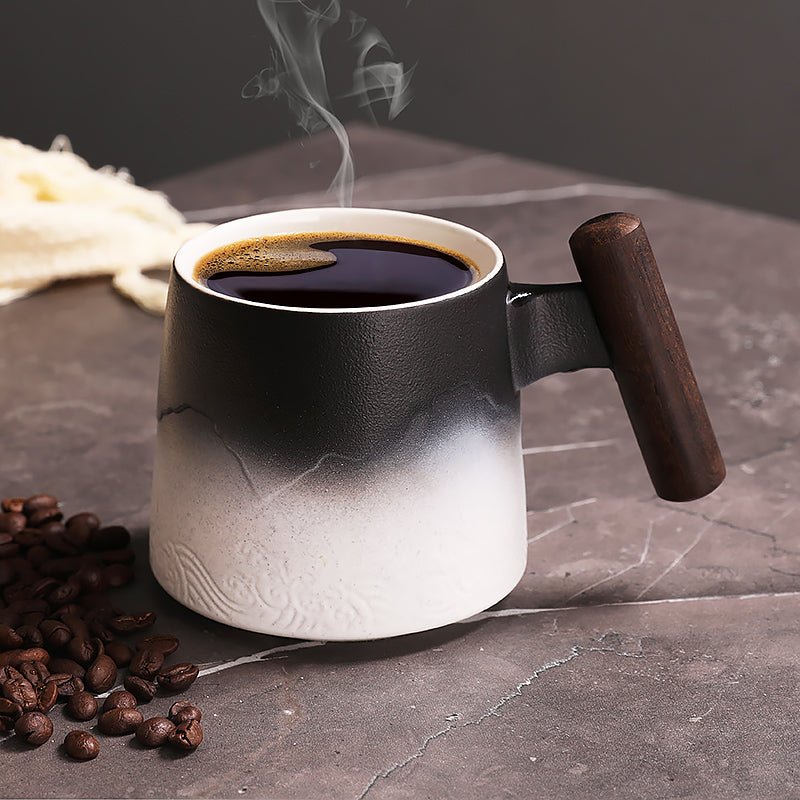
Stain Steel Coffee Mug: What Buyers Should Check Before Ordering
A practical buying guide for shoppers comparing a stain steel coffee mug for daily use, office setups, or gifts. We break down size, insulation, lid fit, and care so you can choose with fewer surpr...
Read more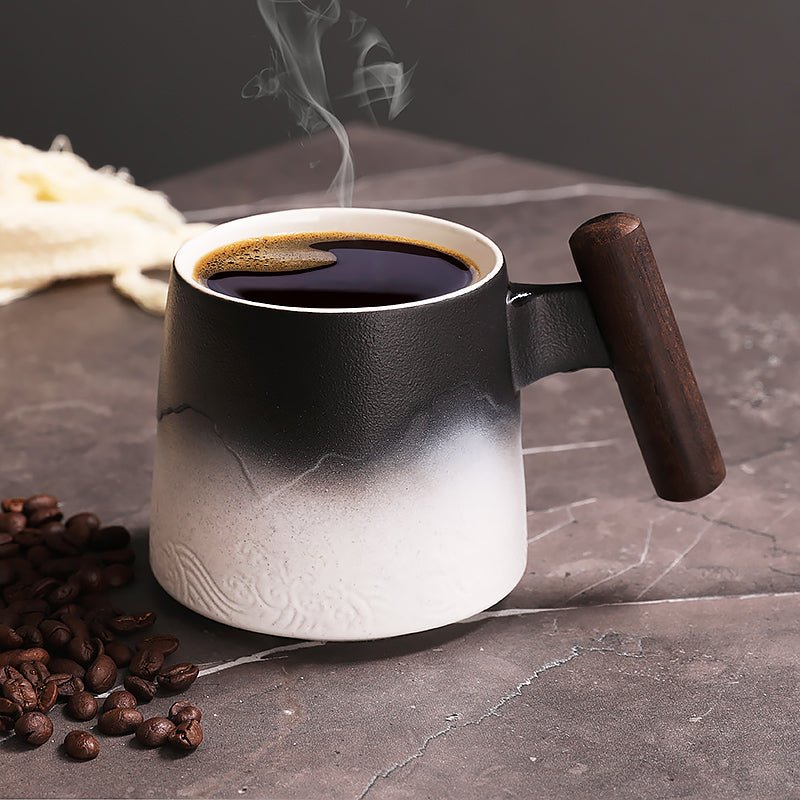
Coffee Mug Insulated: What to Check Before You Buy
A coffee mug insulated should fit your coffee routine, not fight it. We break down materials, lid types, sizes, and care so you can choose the right one for desk, commute, or gifting.
Read more
Los kommentaar
This site is protected by hCaptcha and the hCaptcha Privacy Policy and Terms of Service apply.