
How Much Caffeine Is in a Mug of Coffee? Size Guide for Buyers
Reading time: about 10 minutes
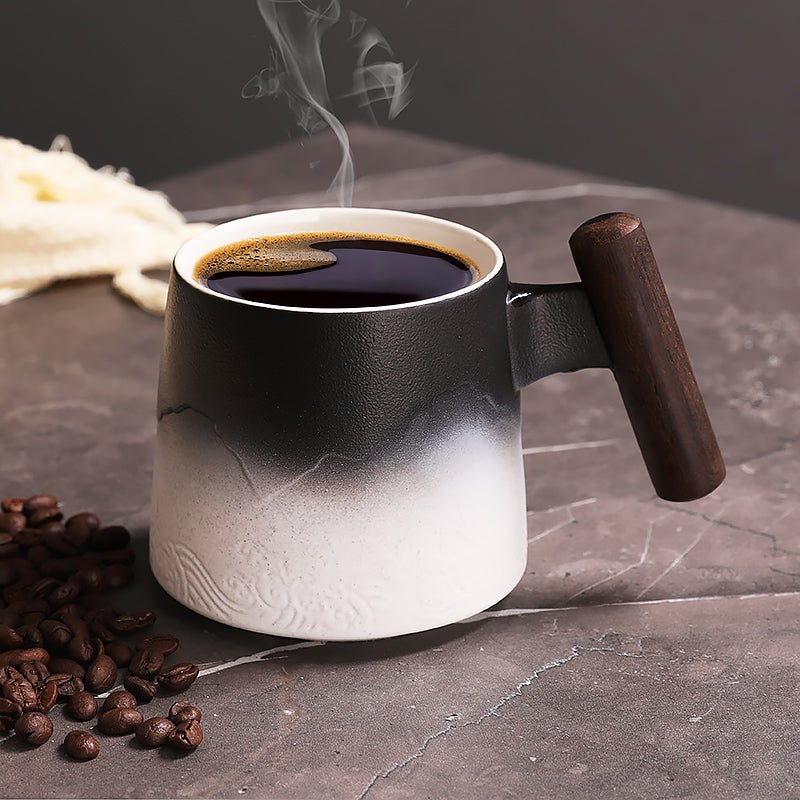
A filled mug on a desk can mean two very different mornings: one person wants a steady lift, another wants to keep the jitters away. That is why how much caffeine in a mug of coffee is less about the mug itself and more about what went into it, how much was poured, and how big the cup is.
In our store, we think about this the same way shoppers do at the counter or in an office break room. A mug should fit the amount you actually drink, not just look good in a photo. If you are comparing shapes and capacities while thinking about daily coffee use, our Ball Handled Coffee Tea Mug is a useful reference point, and our full collection shows the wider range of everyday sizes and styles we carry.
How much caffeine is in a mug of coffee?
A standard mug of regular brewed coffee usually lands somewhere around 80 to 120 mg of caffeine in an 8 oz mug, though the real number can sit lower or higher depending on the beans, brew strength, and how full the mug is. If you pour a larger mug with the same coffee, the total caffeine goes up with the volume.
That is the part many shoppers miss. A mug is not a fixed caffeine dose. A 10 oz mug filled to the brim generally holds more caffeine than an 8 oz mug, and a 12 oz mug holds more again if the coffee is brewed normally and poured full. If you use a strong dark roast, a concentrated home brew, or a cafe drip refill, the count may be higher than you expect. If you use decaf, it is much lower, but not zero.
For buyers, the useful question is not only “how much caffeine is in a mug of coffee” but also “how much do I actually pour into this mug every morning?” That is where mug size and shape start to matter.
Why does mug size change the caffeine amount?
The mug does not create caffeine. It only changes how much coffee you serve yourself. A wider, deeper, or simply larger cup makes it easy to pour more, and more coffee means more caffeine overall.
We see this often with people choosing a new mug for work. They start with the idea that they drink “one mug” every morning, but one mug can mean very different things. A compact 8 oz cup may suit a short pour from a drip machine. A 10 oz or 11 oz mug is often the sweet spot for someone who wants a real coffee break without overfilling. A 12 oz mug is better if you like a larger serving, leave room for cream, or pour coffee that loses a little volume during brewing and travel from kitchen to desk.
The shape matters too:
- A straight-sided mug is easy to fill and easy to estimate.
- A flared cup can look smaller than it is, so people often pour more than they realize.
- A heavy handle or balanced body helps when you are carrying a hot mug to a meeting, which matters if you usually drink coffee while moving around the house or office.
If you want a style that feels more refined on a table but still works for daily coffee, the Pleated Coffee Tea Cup is a good example of a cup that leans more elegant than plain. For a more decorative option that still sits comfortably in the hand, the Golden Waves Kio Coffee Tea Mug brings a different visual profile without changing how caffeine works in the cup.
What does caffeine look like by common mug size?
Here is the practical version we use when customers ask about everyday mugs. These are broad estimates for regular brewed coffee, not lab results. Real caffeine varies by roast, grind, brew method, and pour size.
| Mug size | Typical coffee amount | Approximate caffeine | What it usually means in daily use |
|---|---|---|---|
| 8 oz | About 8 oz brewed coffee | About 80 to 120 mg | Good for a smaller morning cup or a quick refill |
| 10 oz | About 10 oz brewed coffee | About 100 to 150 mg | A common everyday mug size for people who want a fuller cup |
| 11 oz | About 11 oz brewed coffee | About 110 to 165 mg | Useful if you like a little extra room without jumping to a large mug |
| 12 oz | About 12 oz brewed coffee | About 120 to 180 mg | A larger standard mug for long mornings, cream, or a stronger habit |
| Decaf mug | Same volume as above | Usually low, but not zero | Best for late-day sipping, though it is not caffeine-free |
If you have ever compared our size-focused guides, such as the 10 oz Coffee Mug: Size, Fit, and What to Check Before You Buy and the 12 Ounce Coffee Mug Buying Guide for Daily Use and Better Fit, this is where those size conversations connect to caffeine. A mug that looks like a minor size change can actually shift your daily intake more than you think.
We recommend reading the table as a range, not a promise. A very strong home brew can push higher, and a weaker pour can sit lower. That is normal.
Which mug size fits your caffeine goal?
Matching mug size to caffeine needs is the simplest way to avoid accidental overpouring. In our experience, buyers usually fall into one of four patterns.
- Small, controlled cup: Choose an 8 oz mug if you want coffee to feel measured rather than generous. This is useful for people who drink more than one cup a day or want to keep their morning dose moderate.
- Balanced everyday mug: A 10 oz mug is often the most practical middle ground. It feels substantial without being oversized, and it fits most standard home coffee routines.
- Long morning cup: An 11 oz or 12 oz mug works better if you sip slowly, add milk or cream, or want one mug to last through a longer desk session.
- Low-caffeine routine: If you are sensitive to caffeine, the mug choice matters less than the coffee type, but a smaller mug still helps with portion control.
There is a trade-off here. Bigger mugs are more comfortable for people who really drink a full large coffee, but they are not ideal if you want to keep servings tight. Small mugs feel controlled, but they can be annoying if you always need a refill. We see both problems in customer questions, and the right answer depends on your routine, not just the label on the mug.
If you are shopping with size in mind first, the two articles on 11 oz Coffee Mug: Size, Fit, and What to Check Before You Buy and 12 oz Coffee Mug: Size, Fit, and What to Check Before Buying help you compare fit and daily use before you commit.
What should you check before buying a mug for coffee use?
We handle a lot of mugs, and the differences that matter most are not always the flashy ones. Buyers usually notice the pattern or glaze first. What affects the daily experience is the practical stuff: capacity, handle comfort, rim feel, and care.
Here is what we would check before buying for coffee:
- Capacity in ounces: Make sure the listed size matches the amount you usually pour. An 11 oz mug can feel very different from a 12 oz mug once you add milk or foam.
- Handle clearance: A handle should fit a few fingers comfortably. If it is too tight, the mug is annoying when hot.
- Rim thickness: A thinner rim can feel cleaner to sip from, while a thicker rim often feels sturdier. There is no single best choice.
- Material: Most daily mugs are ceramic, which holds heat well and feels stable on a kitchen counter or office desk. That said, ceramic can chip if it gets knocked against a sink or crowded dishwasher rack.
- Care instructions: If a mug is dishwasher-safe, that is convenient, but heavy stacking can still lead to rim wear or glaze scuffs over time. Hand washing can help preserve decorative finishes.
We build our buying advice around real use, not showroom use. A mug might look perfect in a gift box and still be awkward with one hand while you open email. It might photograph beautifully and still chip too easily if you wash it daily next to steel utensils. That is why we think a buyer should weigh both appearance and handling.
For shoppers who want something a little more decorative but still practical, the curved profile of the Golden Waves Kio Coffee Tea Mug or the more sculpted feel of the Pleated Coffee Tea Cup can work well for home coffee tables and guest use. They are not the best choice if your priority is maximum volume with minimal fuss. In that case, a simpler straight-sided mug may be easier to live with.
How much caffeine is in decaf, espresso, and strong coffee served in a mug?
The mug size only tells part of the story. The coffee style matters just as much.
Decaf coffee is the lowest-caffeine option, but it still contains a small amount. That makes it useful for evening drinks, though not ideal if you need zero caffeine for medical or personal reasons.
Espresso is concentrated, but a standard mug of espresso is not how most people drink it. If you pour espresso into a mug and top it up with hot water, milk, or foam, you are changing the final caffeine amount based on how many shots you used. A latte in a mug may have less caffeine than a full mug of drip coffee, even if it looks larger.
Strong drip coffee or a highly concentrated home brew can push a mug well above the usual range. That is common in households using reusable filters, dark roasts, or bold settings on a machine. It is also where people most often overestimate their caffeine tolerance.
If you are sensitive to caffeine, treat a mug as a serving vessel, not as a measurement tool. The brew method sets the dose more than the ceramic around it.
That trade-off matters for shoppers who want a mug for all-day use. A larger mug is comfortable, but it is not the right answer for every coffee habit.
Frequently asked questions
How much caffeine is in a 12 oz mug of coffee?
A 12 oz mug of regular brewed coffee usually contains about 120 to 180 mg of caffeine, depending on how strong the coffee is and how full the mug is poured. If the brew is weaker, the amount can be lower. If it is a strong home brew or cafe drip, it can be higher.
Is a coffee mug the same as a cup of coffee?
Not always. A cup is often used loosely to mean a serving, while a mug is the container, and mugs commonly hold more than a standard cup measure. That is why one person’s “one cup” can be another person’s large mug.
Does a bigger mug mean more caffeine?
Usually, yes, if you actually fill it with more coffee. The mug itself does not add caffeine, but a larger mug makes larger pours more likely. That is why size is one of the easiest ways to control intake at home.
How much caffeine is in a mug of decaf coffee?
Decaf still contains some caffeine, but much less than regular coffee. The exact amount varies by brand and brew, so it is better to think of it as low caffeine rather than caffeine-free. If you need to avoid caffeine entirely, decaf may not be enough.
What size mug is best if I want a moderate caffeine intake?
An 8 oz to 10 oz mug is usually the easiest range to control. It keeps the serving more predictable and helps prevent accidental oversized pours. For many buyers, a 10 oz mug is the most practical balance between comfort and portion control.
If you want to compare mugs by actual daily use, start with the mug size you drink now, then check the capacity and handle feel before choosing a style. Our best next step is simple: compare the options in our coffee mug collection, then use the 10 oz and 12 oz buying guides to match the mug to the amount you really pour.
Read more
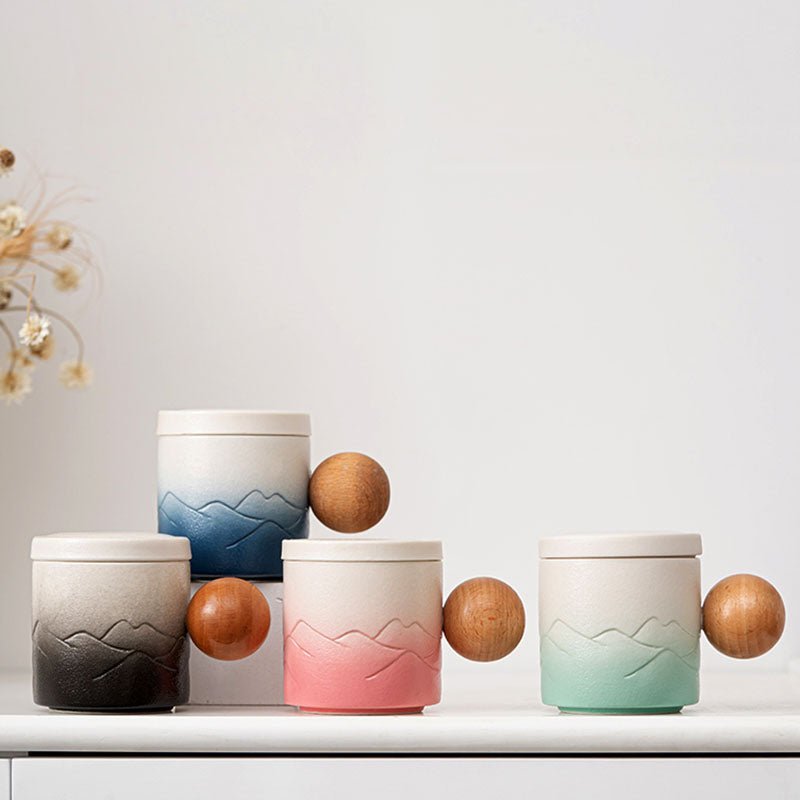
Coffee Cup Mug Buying Guide for Daily Use and Better Fit
A practical guide to choosing a coffee cup mug that fits your routine, from handle comfort and glaze finish to dishwasher use and desk-friendly shapes.
Read more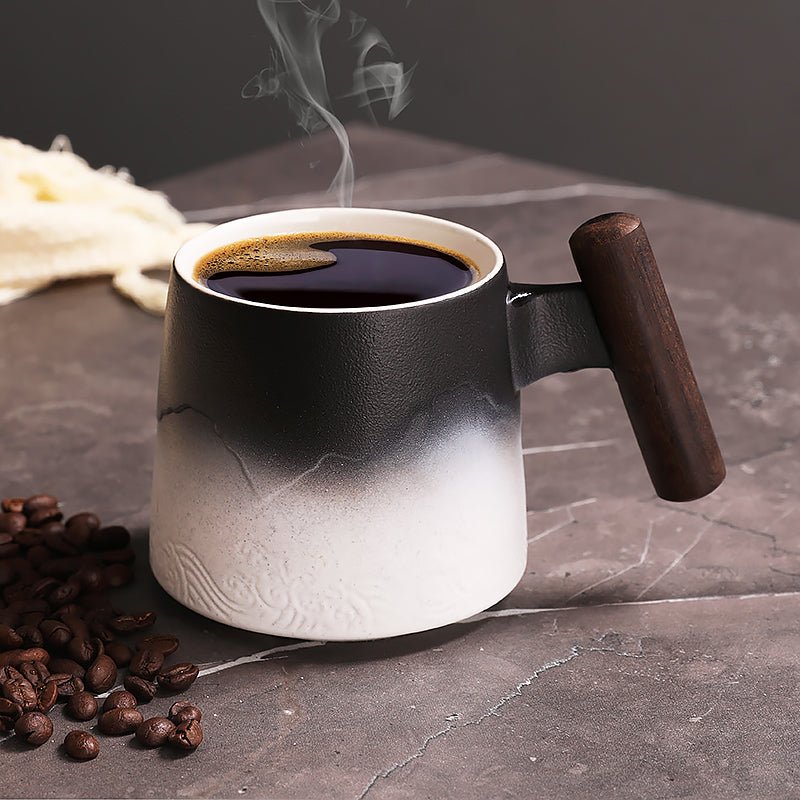
Pictures on Coffee Mugs: How to Choose a Mug That Actually Fits
Pictures on coffee mugs look simple online, but the mug shape, print placement, and care instructions change how the design wears in daily use. This guide helps you choose a style that works on a k...
Read more
Los kommentaar
This site is protected by hCaptcha and the hCaptcha Privacy Policy and Terms of Service apply.