
Coffee Cup Mug Buying Guide for Daily Use and Better Fit
Reading time: about 9 minutes
A coffee cup mug feels simple until you try to use the wrong one every morning. A handle that pinches, a glaze that stains too easily, or a shape that tips on a crowded desk is enough to turn an everyday cup into a nuisance.
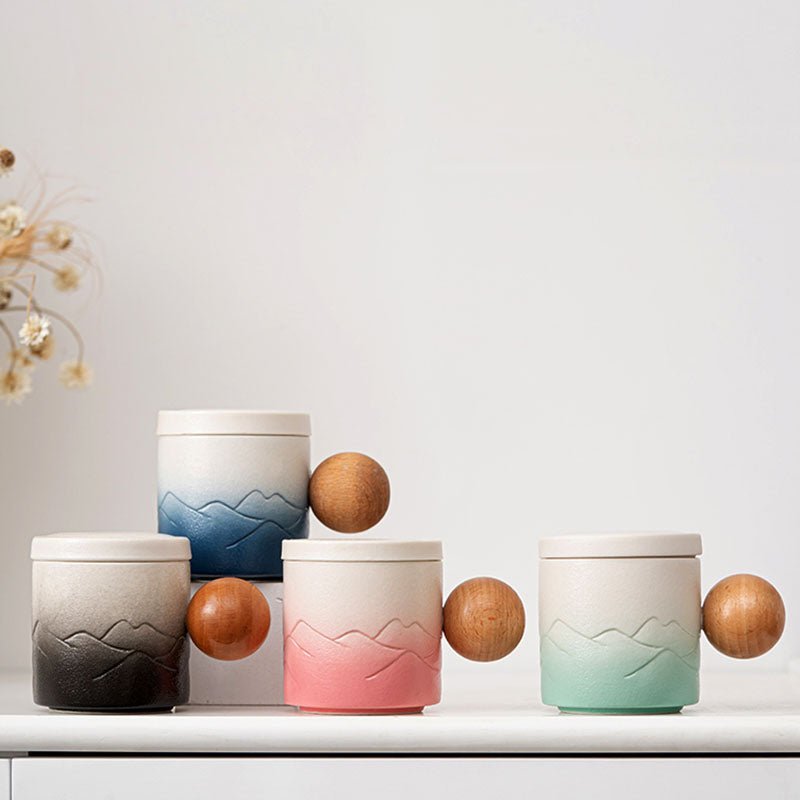
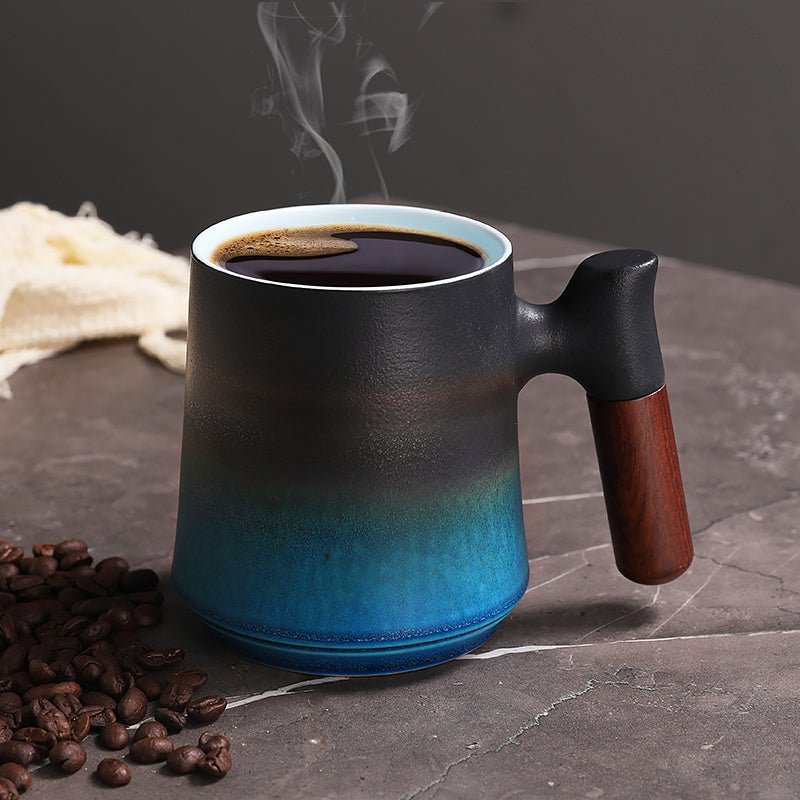
That is why we judge mugs the way customers actually use them in our store: on a kitchen counter before work, on an office desk beside a laptop, and in the dishwasher after a long day. If you are comparing options now, start with our Gradient Coffee Tea Mug, the Retro Coffee Tea Cup, or the Ball Handled Coffee Tea Mug. For a broader look across the range, browse our full collection.
What should a coffee cup mug do well every day?
A good coffee cup mug does three things well: it feels comfortable in the hand, it holds heat without being awkward to drink from, and it survives repeat cleaning without looking tired after a few cycles. That sounds basic, but a lot of mugs fail at one of those jobs.
In practice, we look for a few details that matter more than flashy styling:
- Handle clearance: your fingers should fit without forcing a grip that twists your wrist.
- Rim shape: a smoother, even lip usually feels better than a thick or uneven edge.
- Glaze quality: a consistent glaze helps reduce staining from coffee oils and tea tannins.
- Base stability: a flat, well-fired base sits better on counters and desk trays.
If you want the practical side of mug sizing before you decide, our coffee mug sizes guide is a useful companion read. It helps you match a mug to your routine instead of buying by appearance alone.
Which material is best for a coffee cup mug?
For everyday use, ceramic remains the most forgiving option for most buyers. It is familiar, it feels substantial in the hand, and it handles hot drinks without the metallic taste you can sometimes get from other materials. In our experience, ceramic also tends to suit both black coffee and milk-based drinks because it does not make the cup feel overly industrial.
That said, ceramic is not the right choice for every situation. It is heavier than thin travel drinkware, so it is less ideal if you want something ultra-light for a commute, camping, or a shared office where cups are constantly being moved around. Ceramic can also chip if it is knocked against a sink or stacked carelessly.
Before you buy, check the finish and construction. A solid mug should have a smooth, even glaze, a handle that feels securely joined to the body, and a foot ring that sits flat. Those are the kinds of details that separate a cup you use daily from one you only pull out occasionally.
If ceramic is your priority, our post Coffee Cup Mug Ceramic: What Buyers Should Check Before They Buy covers the main quality checks we use before listing a mug for sale.
How do the handle and shape change the drinking experience?
Handle shape is not decoration. It changes how the mug feels when it is full, how secure it feels while walking from kitchen to desk, and whether you can comfortably sip without adjusting your grip every few minutes.
The three mugs we carry for this category each solve the problem a little differently:
| Mug style | Best for | Trade-off |
|---|---|---|
| Gradient Coffee Tea Mug | Buyers who want a clean, modern look that still works for everyday coffee | Style-forward choices can show dust, fingerprints, or smudges more quickly depending on the glaze |
| Retro Coffee Tea Cup | People who like a more classic table setting or a cup that looks at home with simple kitchenware | Retro styling may feel smaller or less contemporary to buyers who prefer a minimal look |
| Ball Handled Coffee Tea Mug | Shoppers who want a more distinctive handle and a mug that stands out on a desk or shelf | A sculptural handle is not always the best fit if you want the simplest possible stackable shape |
The handle is the detail we get the most comments about after unboxing. If the opening is too tight, it annoys people immediately. If the handle is too small, the mug feels clumsy once it is full. That is why we always look at grip comfort before styling.
Which coffee cup mug suits a desk, kitchen, or gift better?
The right mug depends on where it will live.
- Kitchen use: choose a mug with a stable base and a finish that is easy to rinse after coffee or tea.
- Office use: pick a shape that is less likely to feel top-heavy near a laptop, notebook, or crowded desk edge.
- Gift use: prioritize visual appeal and packaging-friendly shapes, because the unboxing matters almost as much as the first sip.
For shoppers building a set or comparing more than one finish, our collection page is the fastest way to compare what is available right now. If you want more context on sizing before you decide, our coffee mug sizes guide breaks down the practical differences buyers usually feel after the first week of use.
We have also seen that gift buyers often prefer mugs with a recognizable silhouette. A cup that looks good in a photo can still disappoint if the handle is awkward or the rim is too thick. That is the kind of trade-off that only shows up once the mug leaves the box and starts getting used every morning.
What should you check before buying a coffee cup mug online?
Online photos can hide the details that matter most. We recommend checking these points before you place an order:
- Material: ceramic is usually best for everyday table use, but it is heavier and less travel-friendly than insulated options.
- Care instructions: if you want a low-maintenance mug, confirm whether it is suitable for dishwasher use and how the finish should be cleaned.
- Handle size: look for a handle that fits more than two fingers if you prefer a relaxed grip.
- Glaze and finish: very matte surfaces can look good but may show marks differently than glossy ones.
- Shape and storage: if you stack mugs or keep them on open shelving, check whether the profile is stable and easy to store.
The common defect modes we watch for are not dramatic. They are small problems that add up: a rough rim, a slightly uneven base, a handle that feels thin at the joint, or a glaze that does not look consistent under daylight. Those are the things that separate an everyday mug from a display-only piece.
What are the trade-offs of buying a prettier mug?
A mug can be attractive and still be the wrong choice for daily use. That is the honest part most listings skip.
A more decorative coffee cup mug may be better for gift giving or a visible shelf, but it is not always the most practical for heavy use. Lighter-colored glazes can show coffee marks sooner. More sculpted handles can feel great in hand, but they may be less convenient to stack. A tall profile can look elegant, but it may be less stable on a crowded desk.
We say that because we handle these products for real, not just in photos. In our experience, the best mug is usually the one that disappears into your routine. You stop thinking about it because it pours, grips, and cleans easily. That is a much better outcome than buying something flashy that you end up avoiding.
Buy for the way you drink coffee, not just the way the mug looks on a shelf.
How do you keep a coffee cup mug looking good longer?
Simple care makes a bigger difference than most people expect. Even a well-made ceramic mug can start looking tired if it is left with coffee residue, stacked roughly, or washed with abrasive tools.
Use this practical routine:
- Rinse the mug soon after use if possible, especially after dark coffee or tea.
- Use a soft sponge or cloth rather than a rough scrubber on glazed surfaces.
- Avoid banging the rim against sinks, taps, or other mugs.
- Let the mug dry fully before stacking it with other cups.
If a mug is dishwasher-safe, that makes daily life easier. Even then, a high-heat wash can be hard on some finishes over time, especially around the handle junction and rim. Hand-washing is gentler, but it is not always realistic. That is a trade-off each buyer has to judge for their own routine.
Frequently asked questions
What size coffee cup mug is best for daily use?
The best size depends on how you drink coffee. If you usually make one standard cup at a time, a mid-sized mug is often the most practical because it fits common servings without feeling oversized. If you like milk-heavy drinks or slower sipping, a larger shape may suit you better. For a deeper comparison, our largest coffee mug guide explains when a bigger cup helps and when it becomes awkward.
Is a ceramic coffee cup mug good for hot drinks?
Yes, ceramic is a strong everyday choice for hot coffee and tea. It holds heat comfortably and gives you a solid feel in the hand, which many buyers prefer over thin or lightweight drinkware. The main downside is weight and breakability, so it is not the best option if you need something travel-tough.
Can I put a coffee cup mug in the dishwasher?
Many ceramic mugs are chosen for easy cleaning, but you should always check the care guidance for the specific mug. Dishwasher use is convenient, though repeated high heat and detergent exposure can slowly affect some glazes or decorative finishes. If you want the longest-looking finish, hand-washing is the gentler option.
Which coffee cup mug is best for gifting?
A mug with a distinctive shape or finish usually works best as a gift because it feels more intentional than a plain utility cup. The Gradient Coffee Tea Mug and Ball Handled Coffee Tea Mug are stronger gift picks if you want something that looks special without becoming hard to use. If the recipient cares more about a classic look, the Retro Coffee Tea Cup is the safer choice.
What is the biggest mistake buyers make with a coffee cup mug?
The biggest mistake is buying on looks alone. A mug that photographs well can still be awkward if the handle is too tight, the base is unstable, or the glaze shows stains too easily. We recommend checking fit, finish, and care before choosing style.
If you are ready to compare options, start with the three mugs above, then use our full collection to narrow by shape, finish, and handle style. That is usually the fastest way to find a coffee cup mug that works at the sink, on the desk, and after the dishwasher cycle.
Read more
Coffee Mug Warmers: How to Choose Mugs That Actually Hold Heat
Coffee mug warmers work best with the right mug shape, material, and base. Here’s how we help shoppers pick mugs that stay stable, heat evenly, and feel good on a desk or kitchen counter.
Read more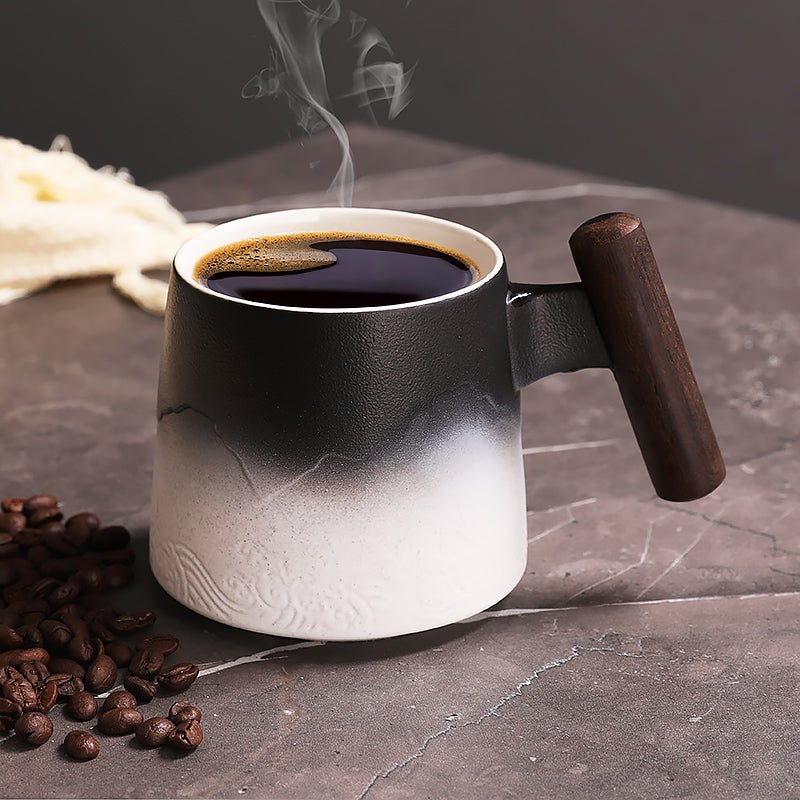
How Much Caffeine Is in a Mug of Coffee? Size Guide for Buyers
A practical breakdown of how much caffeine is in a mug of coffee, including common mug sizes, brew types, and what changes the number in real life.
Read more
Los kommentaar
This site is protected by hCaptcha and the hCaptcha Privacy Policy and Terms of Service apply.