
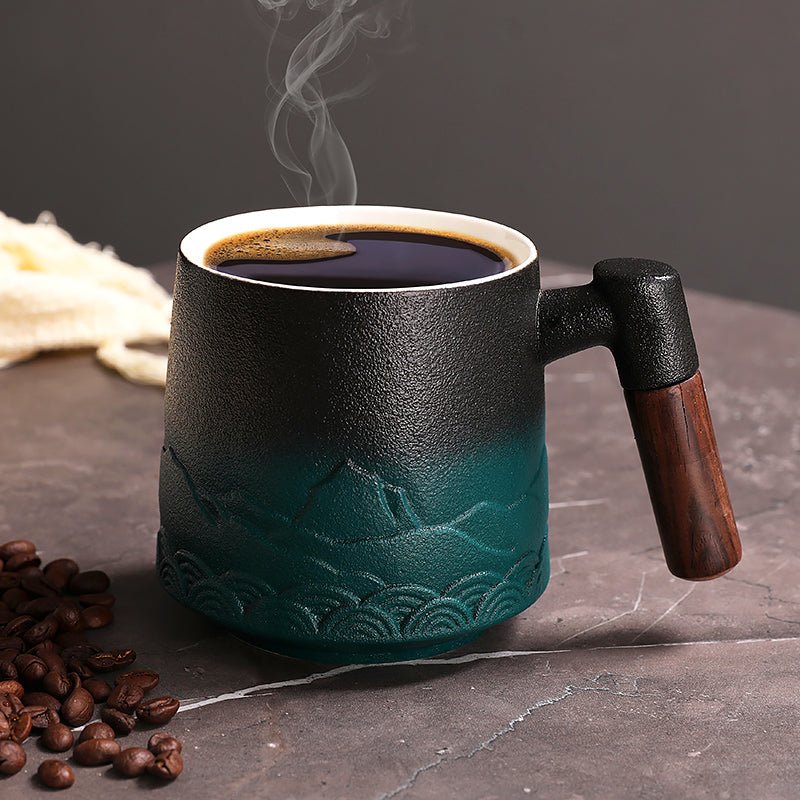
How Many Oz in a Coffee Mug? A Practical Buyer Guide
Reading time: about 9 minutes
A mug labeled 12 oz rarely pours like a true 12 oz cup on the first try. The rim, the handle, and the curve of the walls all change how much coffee actually fits, which is why shoppers often compare size by eye and end up disappointed at the sink or office break room.
At CoffeifyMug, we see this all the time. A customer wants a mug for a morning drip coffee, but the real question is simpler: how many oz in coffee mug should you buy if you want room for milk, foam, or a full pour without spill risk?
How many oz in coffee mug is considered standard?
The short answer is that a standard coffee mug usually lands somewhere around 8 to 12 oz, but there is no single universal size. Many everyday mugs sold for home use are designed to feel comfortable in the hand and hold a typical serving of coffee, not to match a lab-style measurement.
Here is the practical way we look at it in our store: the listed ounce count is usually the brimful capacity, while the usable drink volume is often a little less. That difference matters if you add cream, foam, or hot water for an Americano.
| Common mug size | Real-world use | Buyer fit |
|---|---|---|
| 6 to 8 oz | Small coffee, tea, espresso-based drinks | Good for compact servings and tighter cabinets |
| 10 to 12 oz | Classic daily coffee | Most flexible for home and office |
| 14 to 16 oz | Larger pours, lattes, extra milk | Better if you like a roomy cup |
| 18 oz and up | Big hot drinks, soup-style use, long desk sessions | Not ideal if you want a light, balanced mug |
If you want a broader size comparison, our related guide How Many Oz Is a Coffee Mug? Common Sizes and Real-World Fit covers the same question from a sizing-first angle.
Why does a mug’s shape change the ounce count?
Two mugs can both be sold as 12 oz and still feel very different on the counter. A straight-sided mug holds volume more efficiently than a tapered mug, while a wide bowl-style mug may feel larger but sometimes leaves less practical room near the top.
The shape also affects drinking comfort. A mug with a thick wall stays warm longer, but it can make the vessel feel heavier. A thin-walled ceramic mug feels lighter and heats up faster, though it may cool more quickly. In everyday use, those details matter more than the number on the label.
Three details we tell buyers to check before ordering:
- Rim width: a wide mouth helps with latte foam and tea bags, but it also increases splash risk when you carry a full cup.
- Handle clearance: if your fingers barely fit through the handle, the mug can be awkward with hot liquid.
- Wall thickness: thicker ceramic or stoneware usually feels sturdier, while very thin walls can chip more easily on a crowded dish rack.
That is why the same ounce rating can feel right for one person and wrong for another. A mug is not just a container; it is a handfeel decision.
Which oz size works best for coffee, tea, or milk drinks?
The best size depends on what you actually pour into it. For black coffee, many people are happy with 8 to 12 oz. For a latte with milk or a cappuccino with foam, 12 to 16 oz gives you more working room. For tea, a medium mug around 10 to 14 oz often feels right because it holds enough liquid without getting too bulky.
We usually break it down like this:
- 6 to 8 oz for espresso drinks, smaller servings, and people who prefer frequent refills.
- 10 to 12 oz for a normal morning coffee from a drip machine or pour-over.
- 14 to 16 oz for anyone who adds milk, creamer, or wants a longer drinking session at a desk.
- 18 oz+ for oversized drinks, but not if you want the mug to feel balanced and easy to store.
If you are shopping for a gift, it helps to think about the recipient’s routine. Someone who drinks coffee fast at the kitchen counter may prefer a smaller, denser mug. Someone who carries a mug from one meeting to the next usually appreciates a size that does not need a refill halfway through the morning.
For shoppers comparing shapes and patterns, our full mug collection is the easiest place to compare size, style, and handle shape side by side.
What should you look for besides the ounce number?
The ounce count matters, but it should not be the only filter. In our experience, buyers are happier when they check the body material, the finish, and the day-to-day care requirements before they click buy.
These are the details that usually make or break a mug purchase:
- Material: ceramic and stoneware are the most common for everyday mugs because they feel solid and keep drinks warm reasonably well. Porcelain tends to feel lighter and more refined. Glass looks clean and shows the drink, but it is less forgiving if you knock it against a sink edge.
- Glaze quality: a smooth, even glaze is not just visual. It helps the mug resist staining from coffee and tea, and it makes cleanup easier after repeated use.
- Rim and base finish: a neatly finished rim feels better on the lips, and a stable base reduces the chance of tipping on a cluttered desk.
- Care and handling: avoid sudden temperature changes. Moving a cold ceramic mug straight to boiling water, or letting a hot mug sit in cold water immediately, can stress the material over time.
Common defect modes are worth knowing too. The ones we watch for are hairline cracks near the handle joint, tiny glaze pinholes, rough spots on the rim, and chips on the base from repeated contact with hard surfaces. None of those are things you want to discover after the mug has become your daily driver.
If you want a deeper comparison of everyday size expectations, this article pairs well with How Many Oz Is a Standard Coffee Mug? and How Many Oz Is a Regular Coffee Mug? A Practical Buyer Guide.
How do you measure your current mug at home?
If you already own a mug and want to know its real capacity, the easiest method is simple and reliable. Use a measuring cup and fill the mug slowly to the point where you would actually stop pouring before a spill.
- Place the mug on a flat counter.
- Fill a liquid measuring cup with water in known increments.
- Pour into the mug until it reaches your normal drink level, not the brim.
- Keep track of the total ounces added.
That number is more useful than the printed size on the product page because it reflects your actual use. A mug that can technically hold 14 oz to the rim may feel like a better 12 oz mug in daily life once you account for room at the top.
This method is especially useful if you buy for a specific machine. Some drip coffee makers and single-serve brewers are happier with 10 to 12 oz mugs, while a tall pour-over serving can push you toward a larger cup.
For style-driven shoppers, specific products can help you judge size by visual proportion. The Mountain Tall Coffee Tea Mug is a better fit if you like a taller profile, while the Green Waves Coffee Tea Mug gives you a different handfeel and look without changing the basic buying logic.
Which mug size is best for office desks and gifts?
Office mugs have one job: they need to work around interruptions. A mug that is too small will be empty before a meeting ends, while a mug that is too large can get unwieldy on a crowded desk with a keyboard, notebook, and charger cable in the way.
For an office desk, we usually steer shoppers toward 10 to 14 oz. That range is large enough for a solid cup of coffee, but not so oversized that it feels clumsy beside a laptop. For gifts, the safest choice is usually the middle ground unless you know the recipient has a very specific routine.
One thing we have learned from unboxing mugs for customers: packaging and first impression matter. A mug that looks balanced in the hand, has a clean glaze, and does not feel too heavy usually lands better as a gift than an oversized novelty mug that is fun for one week and awkward after that.
If you are shopping seasonally or looking for a themed gift, the Christmas Coffee Tea Mug is the kind of piece that makes sense when the goal is both usefulness and presentation.
What size should you choose if you are still unsure?
If you do not have a strong preference, start with 10 to 12 oz. That range is the most forgiving for brewed coffee, tea, and most milk drinks. It is also easier to store than an oversized mug and less likely to feel excessive when you only want one cup.
Choose smaller if you:
- Prefer short, strong drinks.
- Use an espresso machine or make small-batch coffee.
- Want a lighter mug that feels compact in the hand.
Choose larger if you:
- Add a lot of milk or foam.
- Like one long drink instead of refills.
- Prefer a mug that doubles for soup or hot chocolate.
Do not buy larger just because the number sounds better. A mug that is too big can make coffee feel cooler sooner, take up more shelf space, and feel awkward if your hands are small. That trade-off is real, and we see it after the initial excitement wears off.
Frequently asked questions
How many oz in coffee mug is typical for home use?
Most home-use mugs fall around 8 to 12 oz, with 10 to 12 oz being the most common practical range. That size works well for drip coffee, tea, and basic milk drinks without feeling oversized.
Is a 12 oz mug big enough for a latte?
Yes, a 12 oz mug can work for a latte, especially if you prefer a standard drink with modest foam. If you like extra milk or a more generous pour, 14 to 16 oz gives you more breathing room.
Why does my mug feel smaller than the listed ounces?
Many listed capacities are brimful measurements, not the amount you would comfortably drink without spilling. The shape of the mug, the thickness of the walls, and the curve near the rim all reduce the practical fill level.
Are bigger mugs better for coffee?
Not always. Bigger mugs are useful for large drinks, but they can cool faster, feel heavier, and take up more cabinet space. For most people, a medium mug is the best balance of comfort and function.
What is the safest mug size if I am buying a gift?
A 10 to 12 oz mug is usually the safest gift size because it fits most coffee habits without being too small or too bulky. If the gift is for a themed occasion, style and handle comfort matter just as much as capacity.
If you are ready to compare by size and style instead of guessing from the number alone, start with our full collection, then narrow down by the mug shape that matches how you actually drink coffee. If you want a quick next step, compare a standard 10 to 12 oz mug against a taller profile and a themed gift mug before choosing the one that fits your routine best.
Read more
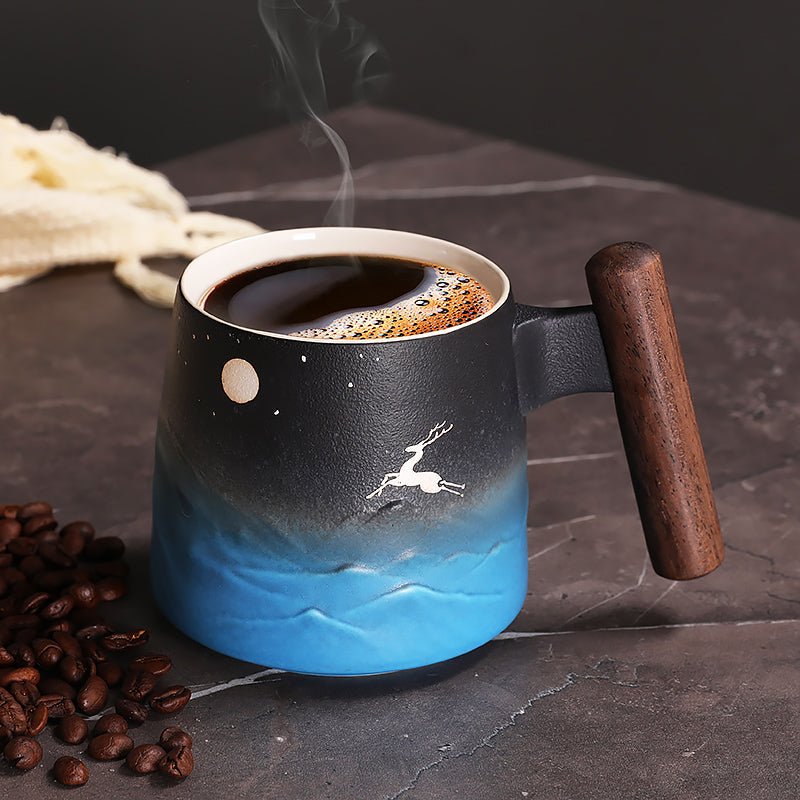
Elko Coffee Mug Buying Guide: Sizes, Materials, and Best Picks
Find an elko coffee mug that fits your routine, not just your shelf. We break down size, shape, materials, and the trade-offs that matter before you buy.
Read more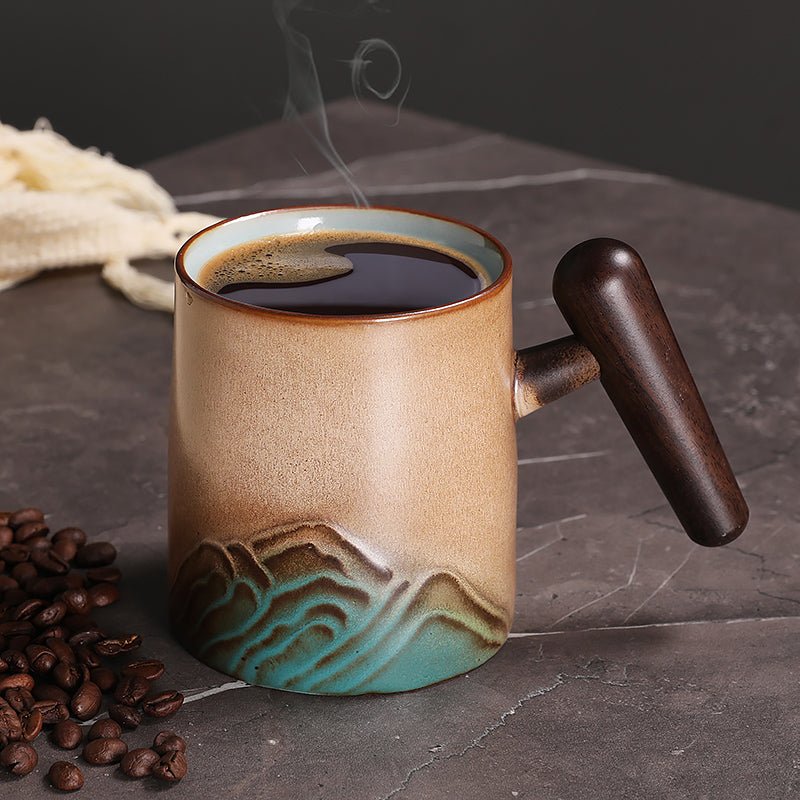
BMW Coffee Mug Buying Guide: Size, Fit, and Daily Use
A BMW coffee mug should feel solid in the hand, fit your usual pour, and survive real desk use. We break down size, material, care, and the details that separate a good mug from an annoying one.
Read more
Los kommentaar
This site is protected by hCaptcha and the hCaptcha Privacy Policy and Terms of Service apply.