
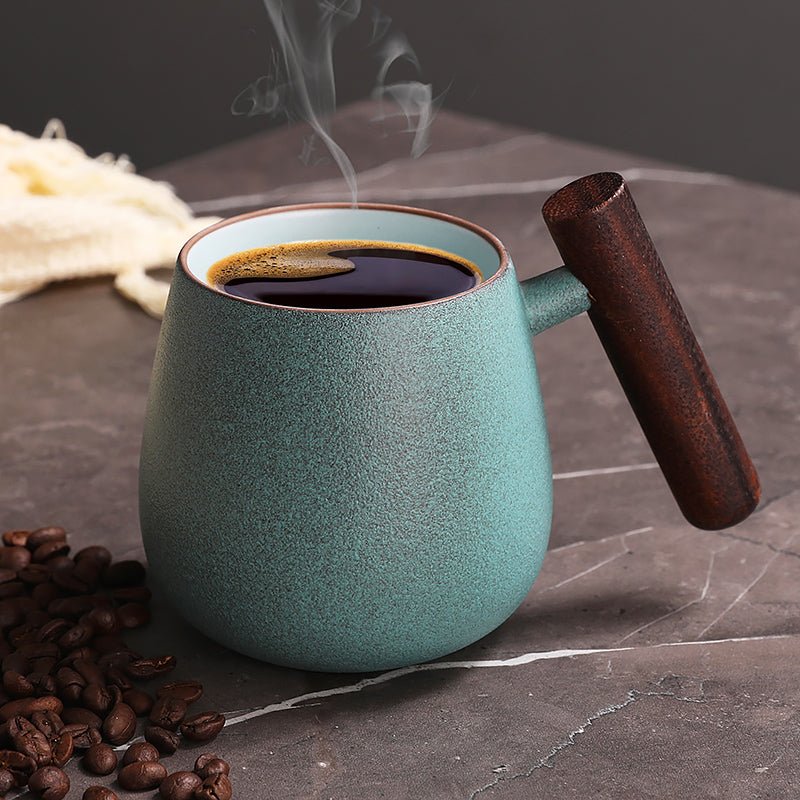
How Many Ounces Is a Normal Coffee Mug? Buyer Guide
Reading time: about 9 minutes
A mug can look perfectly ordinary on the shelf and still feel completely wrong once you pour hot coffee into it. We see that all the time in our store: one shopper wants a compact cup that fits under a small machine, while another wants enough room for milk, cream, or a second top-off without spilling on the desk.
That is why the answer to how many ounces is a normal coffee mug is useful, but not enough by itself. The real choice depends on how full you like to pour, how thick the mug walls are, and whether the cup will live on a kitchen counter, office desk, or gift shelf.
How many ounces is a normal coffee mug?
For most shoppers, a normal coffee mug is usually 8 to 12 ounces. In everyday use, the most common sweet spot is often 10 to 12 ounces because it gives enough space for coffee plus a little milk or cream without feeling oversized.
Smaller mugs around 8 ounces are still normal. They just sit closer to tea cup territory and work better for people who drink a shorter pour. Larger mugs around 14 to 16 ounces are common too, but they start to feel more like a large breakfast mug than a standard daily cup.
| Mug size | What it usually feels like | Best for | Main trade-off |
|---|---|---|---|
| 8 oz | Compact, lighter in the hand | Small drip coffee, tea, espresso drinks with less milk | Not much room for cream or foam |
| 10 to 12 oz | Classic everyday mug | Most drip coffee drinkers, office desks, general use | Can feel small if you like large pours |
| 14 to 16 oz | Noticeably larger and heavier when full | Big morning coffee, milk-heavy drinks, long work sessions | Takes more cabinet space and can get bulky |
| 18 oz and up | Large mug, closer to a bowl-like feel | Very large pours, soup, oversized drinks | Not ideal if you want a balanced daily cup |
If you want a mug that still feels like a normal coffee cup rather than a giant vessel, 10 or 12 ounces is the number we usually steer people toward first.
Why do two normal mugs feel different even when the ounce count is close?
Ounce capacity only tells part of the story. Two mugs can both be labeled 12 ounces and still feel very different in the hand and on the table.
Here is what changes the experience in real life:
- Wall thickness: A thicker ceramic or stoneware wall often makes the mug feel sturdier, but it also reduces the usable interior space a little.
- Shape: A straight-sided mug usually holds more usable volume than a tapered mug with the same outside footprint.
- Handle clearance: A handle that is too tight can make an otherwise normal mug awkward on an office desk or under a cabinet.
- Fill line: Most people do not fill a mug to the brim. A 12-ounce mug may only feel like 10 ounces in daily use if you leave room for steam and movement.
- Base and balance: A tall mug can tip easier if the base is narrow, especially when the cup is full.
That is one reason we always tell buyers to compare more than the number on the listing. The number matters, but the shape is what you live with.
Which mug size works best for drip coffee, tea, and milk-heavy drinks?
If you are choosing for a specific drink, the right size becomes easier to narrow down.
- 8 ounces: Best for shorter coffee pours, black coffee, and tea. It is a practical choice if you drink slowly and do not want the cup to cool off while you sip.
- 10 to 12 ounces: Best for standard drip coffee. This is the size range most shoppers mean when they ask how many ounces is a normal coffee mug.
- 14 to 16 ounces: Best for coffee with milk, foam, or extra room for a second pour. It is also useful if you do not want to refill as often at your desk.
- 18 ounces and up: Best for people who want one big mug in the morning. It is not the best fit if cabinet space is tight or if you prefer a balanced, easy-to-hold cup.
If your routine is a standard drip machine at home, a 10 or 12 ounce mug usually feels right. If you make lattes or long milk drinks, moving up one size can make the cup far easier to use without splashing.
What should you check before buying a mug online?
Capacity is only the first line on the page. We look at a few practical details before we recommend a mug to a customer.
- Actual capacity: Check whether the listing gives a brimful capacity or a usable fill amount. Those are not the same thing.
- Dimensions: Height and mouth width matter if the mug has to fit under a coffee machine, in a cabinet, or into a dishwasher rack.
- Material: Ceramic and stoneware are common for everyday mugs because they feel solid and hold heat well, but they also need careful handling if you want to avoid chips.
- Care instructions: Look for dishwasher and microwave guidance on the product page. Some mugs are easy-care; others are better washed by hand to protect the glaze or printed artwork.
- Handle comfort: A handle should fit more than just your fingertips. If you plan to carry a full mug from kitchen to desk, that matters.
We also pay attention to common failure points we see over time: hairline glaze cracks after sudden temperature changes, rough glaze where the handle meets the body, and a base that does not sit flat on the counter. Those details are not exciting, but they are what separate a mug you enjoy from one you stop reaching for.
If you want to compare different styles in our store, start with the Elk and Moon Coffee Tea Mug, the Koi Fish Coffee Tea Mug, or the The Crane Coffee Tea Mug, then browse our all mugs collection to compare styles side by side.
If you want a deeper size breakdown before you choose, we also cover the topic in How Many Ounces Is a Coffee Mug? Real Sizes and Buying Tips and How Many Ounces Is a Standard Coffee Mug? A Buyer’s Guide.
What size is the safest everyday choice if you are buying a gift?
If you are buying for someone else and you do not know their exact habit, a 10 to 12 ounce mug is usually the safest pick. It is large enough for most coffee drinkers, small enough to fit on a normal shelf, and familiar enough that it does not feel like a specialty piece.
That said, the best gift mug is not always the biggest one. A large 16-ounce mug can be a bad fit if the person drinks tea, has limited cabinet space, or prefers a lighter cup. On the other hand, an 8-ounce mug can feel too small if they like a full morning pour with milk.
If the mug is meant to be used every day, we usually favor a balanced shape over an oversized bowl-like cup. That is especially true for office desks and home kitchens where people want something sturdy, not something they have to baby.
What are the trade-offs of choosing a larger mug?
Larger mugs are useful, but they are not always the better choice. A 14 or 16 ounce mug gives you more room, yet it also changes the way the mug behaves in your hand and in your cabinet.
Trade-offs we see most often:
- More weight when full: A larger mug can become tiring to hold if you carry it across the room or up a set of stairs.
- More heat loss: A wide opening exposes more surface area, so coffee may cool a little faster than it would in a smaller cup.
- Less cabinet efficiency: Large mugs take up more shelf depth and height, which matters in small kitchens.
- More spill risk: If the rim sits too close to the top, it is easier to slosh liquid while walking.
That does not make larger mugs a bad buy. It just means they are best for people who actually use that extra room, not for shoppers who simply want the biggest number on the box.
Frequently asked questions
Is 12 oz a normal coffee mug?
Yes. Twelve ounces is one of the most common everyday mug sizes and is often what people picture when they ask how many ounces is a normal coffee mug. It gives enough space for a standard pour without making the cup feel oversized.
Is 8 oz too small for coffee?
Not if you drink a shorter cup or prefer black coffee. Eight ounces can feel small for a large drip coffee routine, especially if you add milk or cream. It works better for smaller servings, tea, or people who want a compact mug.
What size mug is best for lattes?
Many latte drinkers prefer something larger than a standard 10 or 12 ounce mug, because milk and foam take up space fast. A 12 to 16 ounce mug usually gives more breathing room, but the right choice depends on how much espresso and milk you actually use.
Should I buy a bigger mug if I add milk or cream?
Usually, yes. If you regularly add milk, cream, or foam, moving up one size can keep the drink from feeling crowded at the top. That said, if the mug is too large, it may feel heavy and bulky for everyday use.
What is the most practical size for an office desk?
For a desk, 10 to 12 ounces is often the easiest size to live with. It is big enough for a real coffee break, but not so large that it dominates the desk or becomes awkward to carry between meetings.
What should you compare before you buy?
If you want the simplest checklist, use this:
- Pick the capacity range first: 8, 10 to 12, or 14 to 16 ounces.
- Check the mug height if it needs to fit under a machine or shelf.
- Look at the handle size and balance in the photos.
- Read the care notes for dishwasher and microwave use.
- Decide whether you want a daily work mug or a larger at-home cup.
After that, compare the styles that fit your routine best in our all mugs collection. If you are still narrowing down the right size, start with 10 to 12 ounces, then move up only if you know you need the extra room.
More from our blog
Read more
Churchill Blue Willow Coffee Mugs: What to Check Before You Buy
A practical buyer’s guide to Churchill Blue Willow coffee mugs, including what to check before ordering, what styles suit daily use, and where similar blue-and-white options may fit better.
Read more
Photography Lens Coffee Mug Buying Guide: What to Check Before You Buy
A practical guide for shoppers comparing a photography lens coffee mug, with real trade-offs on size, build, and giftability. See which styles fit desk use, daily coffee, and display better.
Read more
Los kommentaar
This site is protected by hCaptcha and the hCaptcha Privacy Policy and Terms of Service apply.