
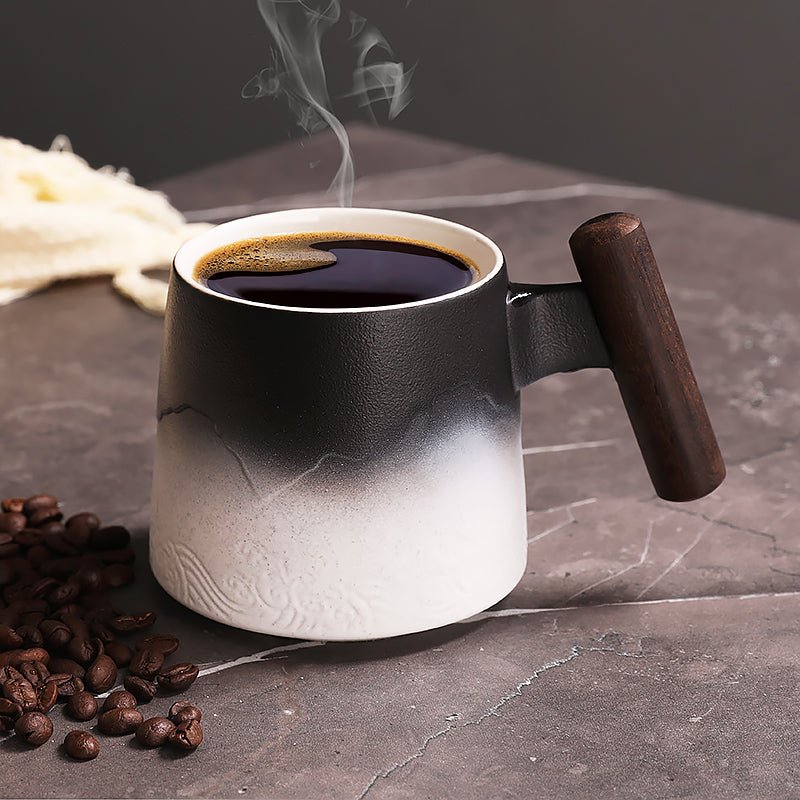
Heater for Coffee Mug: How to Choose the Right Desk Warmer
Reading time: about 8 minutes
A half-finished mug of coffee on a desk goes cold faster than most people expect. The first sip is fine, the second is lukewarm, and by the time the inbox clears, the cup is barely worth finishing. That is usually the moment shoppers start looking for a heater for coffee mug that can keep a normal mug warm without turning a desk into a science project.
We work with this category every day in our store, so we see the same buying mistakes repeatedly: people choose a warmer that is too small for their mug, expect it to heat ice-cold coffee quickly, or buy one that looks good online but is awkward on a crowded desk. If you want a practical setup, the details matter more than the marketing.
What does a heater for coffee mug actually do?
A heater for coffee mug is usually a low-power warming base that keeps a filled mug at a drinkable temperature. It is not a kettle, and it is not a microwave. Its job is maintenance, not recovery. That difference matters because a warmer works best with coffee that is already hot and poured into a mug that sits flat on the plate.
In real use, these warmers make the most sense on a desk, kitchen counter, or home office side table. They are especially useful for people who sip slowly, answer calls between sips, or keep forgetting a mug while working. If you need a broader comparison of desk-friendly options, our Best Coffee Mug Heater: How to Choose the Right One for Your Desk article goes deeper into the day-to-day setup.
The best units usually share a few practical traits:
- A flat heating plate that matches the base of a ceramic mug.
- A stable housing with non-slip feet so the warmer does not skate around on a smooth desk.
- A simple control method, often a single switch or temperature setting, instead of a complicated display that adds little value.
How do you know if your mug will fit?
Fit is where many buyers get tripped up. A heater for coffee mug is not one-size-fits-all, even when product photos make it look that way. The base of the mug needs to sit squarely on the warming surface so heat transfers consistently. A mug with a curved bottom, a very wide footprint, or a thick decorative base may not make good contact.
We recommend checking three measurements before you buy: the mug base diameter, the footprint of the warmer plate, and the overall height if you plan to place it under shelves or cabinets. If you are comparing mug sizes, our size guides for 10 oz mugs, 11 oz mugs, and 15 oz mugs are useful because the mug shape changes more than most buyers expect.
A few fit problems come up often:
- Oversized handles that force the mug to sit off-center.
- Embossed or flared bases that reduce contact with the plate.
- Travel mugs with lids, which are usually a poor match for open-plate warmers.
If you want the mug to sit securely, a straight-sided ceramic mug is usually the easiest match. That is why many shoppers pair a warmer with a standard office mug rather than a vacuum insulated cup.
Which materials and build details matter most?
The heating surface and the mug material both affect how well the setup works. Most desk warmers use a metal heating plate under a coated top surface. The mug itself is usually ceramic, because ceramic transfers heat in a predictable way and gives the base enough contact area. Glass can work in some cases, but thin glass mugs are less forgiving and may lose heat too quickly.
From a buyer's standpoint, there are a few build details worth checking:
| Feature | What to look for | Why it matters |
|---|---|---|
| Heating plate surface | Flat, smooth, easy to wipe clean | Promotes even contact and simpler cleanup after drips |
| Body material | Heat-resistant plastic or metal housing | Helps the unit stay stable and hold up to daily desk use |
| Footing | Rubber or silicone feet | Reduces movement on laminate, glass, or polished wood desks |
| Cord placement | Long enough for the intended desk setup | Prevents awkward routing behind monitors or through cable clutter |
There are also limitations. A warmer is not ideal for mugs with very thick ceramic walls if you want quick results, because the mug itself absorbs some of the heat. And if you are the type who leaves coffee forgotten for an hour or more, no low-power warmer will make it taste fresh again. It will only slow the cooling curve.
What features are worth paying attention to?
Some features sound helpful but do little in practice. Others are genuinely useful if you drink at a desk every day. We tend to prioritize straightforward controls, a stable base, and a visible status light over decorative extras.
Here is the short list we actually use when comparing heaters:
- Temperature control - A basic on/off switch is often enough for many buyers. Adjustable settings help if you alternate between tea and coffee, but extra buttons only help if they are easy to use.
- Auto shutoff - Useful if you sometimes walk away from your desk. It is a practical safety feature, not a luxury.
- Surface cleanup - A smooth top is easier to wipe than a textured one, especially if you drip milk or sugar.
- Desk footprint - Compact units matter on crowded workstations. A smaller warmer is easier to live with than a large one that steals mouse room.
Our Coffee Mug Heater Buyer's Guide: Fit, Features, and What to Avoid covers the avoid-list in more detail, especially if you are comparing multiple options and do not want to overpay for features you will never use.
One trade-off to keep in mind: more power does not automatically mean better performance. A stronger heater can help, but if the surface contact is poor or the mug shape is wrong, you still get uneven warming.
What is the best use case for a mug heater?
The best use case is simple: a hot drink you plan to sip slowly at a desk, counter, or reading chair. That is where a heater for coffee mug earns its place. It is especially helpful during long work blocks, morning admin time, or weekend sessions when you keep returning to the same cup.
We see a lot of buyers choose one for these scenarios:
- Office desks with a laptop and little room for a separate thermos.
- Home offices where coffee cools between meetings.
- Gift purchases for someone who already has a favorite ceramic mug and wants a more comfortable routine.
It is not the right tool if you want to reheat an entire cold mug quickly. If your coffee has already gone room temperature, a microwave is faster. It is also not ideal for sealed travel mugs, oversized tumblers, or heavily insulated cups, because those containers are designed to stop heat transfer rather than encourage it.
If you are building a gift set or looking at matching pieces, our full products page is the best place to see what we currently carry, and the broader collection is useful if you want to compare mug shapes before picking a warmer.
How should you clean and use it day to day?
Daily use should be simple. Place the warmer on a dry, level surface, set your mug in the center, and keep spills off the heating plate. If coffee or milk drips onto the surface, unplug the unit first and let it cool before wiping it down with a soft cloth. That matters because repeated spills can leave residue that affects contact and makes the plate look worn before its time.
A few habits help the warmer last longer:
- Use a mug with a flat bottom whenever possible.
- Do not submerge the base or expose the electrical parts to water.
- Wipe the plate after sugary drinks, since dried residue can become sticky and hard to remove.
- Store the cord neatly so it does not bend sharply at the plug.
In our experience, the most common complaints are not dramatic failures. They are small usability issues: a warmer that slides, a plate that is slightly too small, or a cord that is inconveniently short for a particular desk. Those are all worth checking before you buy because they affect daily use more than a flashy spec sheet does.
Frequently asked questions
Will a heater for coffee mug keep coffee hot all morning?
It can keep coffee warm for a long stretch if the coffee starts hot and the mug fits the plate well. It will not restore stale or cold coffee to a fresh-brewed taste. For best results, pour the coffee when it is still hot and keep the mug centered on the warmer.
Can I use a travel mug or insulated tumbler on a mug heater?
Usually no. Insulated cups are designed to block heat transfer, so the warmer cannot do much. An open ceramic mug is the safer and more effective choice for this category.
What mug size works best with a desk warmer?
Standard ceramic mugs in the 10 oz to 15 oz range are often the easiest to fit, but the base diameter matters more than the ounce rating alone. A wide-bottomed 11 oz mug may fit better than a tall, narrow 15 oz mug. Check the mug base and the warmer plate together before buying.
Is a mug heater safe to leave on at my desk?
Many models are designed for unattended desk use for reasonable periods, especially if they include an auto shutoff. That said, we still recommend switching it off when you leave for the day and keeping the surface clear of paper, napkins, and other clutter.
What should I buy if I want a gift rather than a personal desk item?
Choose a simple warmer with an easy control, a neutral finish, and a mug shape that is easy to match. Gift buyers usually do better with straightforward designs than with complicated settings. If you are unsure, start with a standard ceramic mug and a compact warmer instead of a niche setup.
If you want the most practical next step, compare the mug you already use against a warmer with a flat plate, a stable base, and simple controls. Then check our buyer’s guide and browse the collection to narrow the match before you buy.
More from our blog
Read more
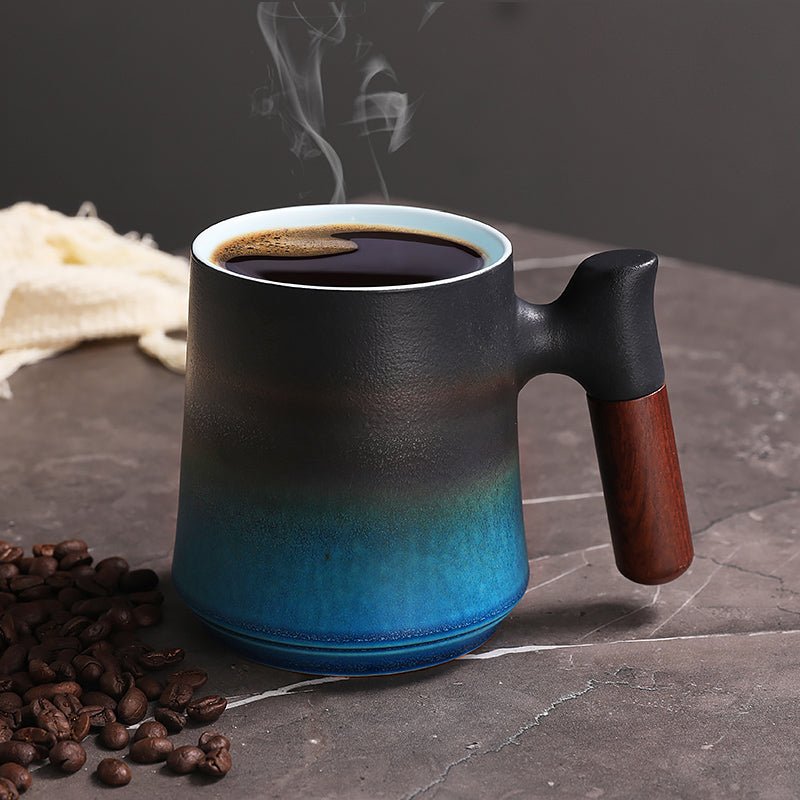
How to Create a Coffee Mug That Fits Your Daily Routine
A practical guide to create a coffee mug with the right size, material, shape, and finish for everyday use. We cover real trade-offs so you can choose a mug that feels good on the desk, in the kitc...
Read more
16 oz Coffee Travel Mug: What to Check Before You Buy
A 16 oz coffee travel mug sounds simple until the lid leaks in a bag or the cup misses the car holder. Here is what we check for in real use before we recommend one.
Read more
Los kommentaar
This site is protected by hCaptcha and the hCaptcha Privacy Policy and Terms of Service apply.