
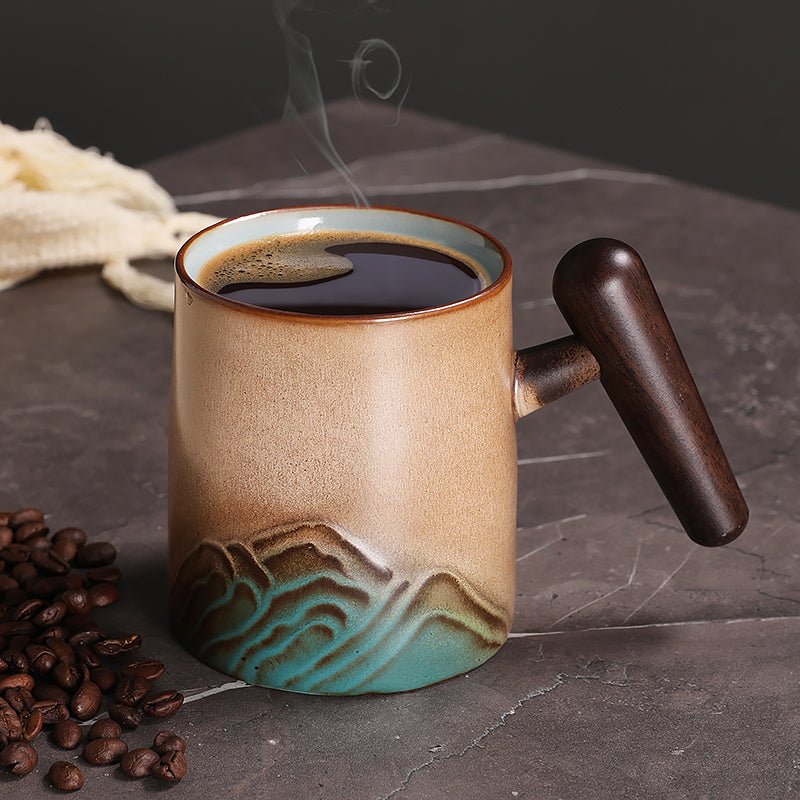
Diner Mug Coffee: What to Check Before You Buy One
Reading time: about 10 minutes
A diner mug on the counter tells you a lot before you take the first sip. The mug is usually thick, the handle is easy to grab with two or three fingers, and the coffee sits in a shape that feels familiar from diners, office kitchens, and late breakfast tables.
That is why diner mug coffee is such a common search. People are not just buying a mug. They are choosing the feel of the drink, the weight in the hand, and how well the mug works on a real kitchen counter, not just in a styled photo.
At our store, we look at diner mugs the same way shoppers do: how they feel when hot coffee is poured in, how they fit under a brewer, how the handle holds up after repeated dishwasher cycles, and whether the shape is actually practical for everyday use. If you are comparing options, start with our full product selection and the broader all mugs collection to see the styles we carry.
What makes a diner mug different from a regular coffee mug?
A diner mug is usually wider through the body, thicker at the walls, and built for a stable feel rather than a sleek profile. The classic version often holds around 10 to 12 ounces, though some modern versions run larger. That shape matters because it changes how fast the coffee cools, how the mug sits in your hand, and how easy it is to stack or store.
The practical difference shows up fast at home. A thin, lightweight mug can feel nice for tea or an afternoon desk coffee, but it is not the same as a diner-style mug that feels anchored on a counter. A diner mug usually has:
- A rounded body with a short profile
- A sturdy handle with enough clearance for thick fingers
- A thicker base that resists tipping
- A lip that is comfortable for sipping without feeling sharp
That said, diner mug coffee is not the best fit for everyone. If you want a very light cup, or you drink long pours that need more capacity, a larger format may be better. If you are comparing sizes, our guides on 10 oz Coffee Mug: Size, Fit, and What to Check Before You Buy and 16 Ounce Coffee Mug Buyer’s Guide: Size, Material, and Fit are useful next reads.
Which size works best for diner mug coffee?
Size is the first decision we see shoppers get wrong. A diner mug can look modest in a photo and still feel heavy or oversized once it is full. Coffee volume is only part of the story. The mug’s wall thickness, handle size, and overall diameter change how it fits in a hand and how it fits on a machine tray or drip tray.
Here is the simple way we think about it in our store:
| Size | Best for | Trade-off |
|---|---|---|
| 8 oz | Short coffee servings, espresso-based drinks, smaller hands | Too small for many drip coffee drinkers |
| 10 oz | Traditional coffee portions and a compact diner feel | Less room for milk or cream |
| 16 oz | Longer drinks and people who refill less often | Bulkier on the desk and heavier when full |
| 20 oz+ | Large pours or slow sipping | Can feel oversized for a diner-style mug |
If you are shopping by capacity instead of shape, the right size often depends on how you actually drink coffee. A 10 oz mug is a better match for a tight breakfast table and smaller servings. A 16 oz option is more forgiving for big pours, milk-heavy drinks, and office use. For more size-specific comparisons, see 20 oz Coffee Mug: What to Check Before You Buy and 24 Ounce Coffee Mug Buyer’s Guide: Size, Fit, and What to Check.
Our experience is that many buyers choose a mug that is too large because they want flexibility, then end up with coffee that cools too slowly for the wrong reasons: the mug feels bulky, the rim is farther from the nose, and the cup takes up more dishwasher space than expected.
What material should you choose for a diner mug?
For this category, ceramic and stoneware are the two materials shoppers ask about most. They are not identical. Ceramic mugs are often a bit lighter and can have a smoother finish. Stoneware usually feels denser and more substantial in the hand, which is part of the diner look many people want.
When we inspect mugs, we look at a few concrete details that matter in daily use:
- Wall thickness: Thicker walls usually feel more classic and help the mug hold heat a little longer, but they also increase weight.
- Glaze quality: A smooth, even glaze is easier to clean and less likely to show staining from coffee oils over time.
- Rim finish: A rolled or rounded rim is more comfortable than a sharp cut edge, especially if you drink hot coffee fast.
There is a trade-off. Heavier ceramic and stoneware mugs feel sturdy, but they are not the best choice if you want something ultra-light for a quick commute setup or for carrying several mugs at once. They are also not ideal if you want a mug that stays hot for an hour without a sleeve or lid. A diner mug is about comfort and stability, not insulation.
If you are comparing this look to a more design-led mug, our Anthropologie Coffee Mug: Style, Size, and Everyday Use Guide can help you weigh style against daily usability.
What should you check before buying one for everyday use?
We tell shoppers to ignore the styling first and check the practical details. A mug can look right and still be annoying to use every morning if the handle is cramped, the base is too narrow, or it takes forever to dry after washing.
- Handle clearance: Make sure your fingers fit comfortably without pressing against the cup body when it is full and hot.
- Base width: A wider base helps the mug feel steady on a crowded desk or breakfast table.
- Dishwasher fit: Check whether the mug’s height and handle shape will clear your machine racks without knocking into other items.
- Microwave use: If you reheat coffee, confirm the mug is suitable for microwave use and that the glaze is not metallic.
- Rim comfort: A smooth drinking edge matters more than people expect after the first week of use.
We also watch for the kinds of flaws that show up after a few washes rather than on day one. Hairline glaze marks, rough spots near the handle join, uneven bases that wobble slightly on flat counters, and sharp lip edges are all signs to take seriously. Those issues can turn a nice-looking mug into one that gets left in the cabinet.
For shoppers who want a direct place to compare current options, our all mugs collection is the fastest way to see what fits different routines and budgets.
Is a diner mug good for coffee at home, at work, or as a gift?
Yes, but for different reasons in each setting. At home, the diner mug is useful because it is comfortable, familiar, and easy to reach for every morning. On an office desk, the stable base and easy-grip handle make it less fussy than narrow, delicate mugs. As a gift, it works because the style is recognizable and practical without feeling overly specific.
Here is how we would break it down:
- Home use: Good for daily drip coffee, quick refills, and mugs that live on open shelving.
- Work use: Good if you want a sturdy mug that can handle a desk, meeting room, or break area.
- Gift use: Good if you want something useful that does not require knowing someone’s exact brew method.
There are limits. A diner mug is not the best gift if the person mainly drinks large iced coffees, takes coffee in the car, or wants a very modern, minimalist cup. It is also not ideal for someone who prioritizes lightweight drinkware. In those cases, a different mug shape may suit them better.
We see the best results when buyers match the mug to the routine, not just the look. A classic diner shape is satisfying because it feels dependable every time you pick it up.
How do you care for a diner mug so it lasts?
Care is usually straightforward, but the details matter if you want the mug to keep its finish and feel. Most buyers are looking for a simple routine: rinse soon after use, wash thoroughly, and let it dry completely before stacking or storing.
A practical care routine looks like this:
- Rinse out coffee residue before it sits and dries on the glaze.
- Wash with a soft sponge or cloth so you do not scratch the finish.
- Dry the mug fully, especially around the handle and base.
- Avoid sudden temperature changes if the mug is very hot, since that can stress ceramics over time.
If a mug is labeled as dishwasher safe, that is convenient for everyday use. Still, dishwasher-safe does not mean indestructible. Repeated hard contact with plates, utensils, and crowded racks can chip the rim or handle edge over time. In our experience, the rim and handle are the first places that show wear.
If your current mug collection includes small cups for shorter drinks, our 8 oz Coffee Mug: What to Check Before You Buy guide is useful for comparing a compact option against a more classic diner profile.
How do diner mugs compare with larger coffee mugs?
The main difference is not just volume. Larger mugs change the entire drinking experience. A 16 oz or 20 oz mug gives you room for milk, extra coffee, or long sipping sessions, but it also changes balance and storage. The mug can feel less nimble in the hand, and the coffee may sit farther from the lip, which can make the drinking feel less direct.
Diner mug coffee works best if you want the old-school feel of a shorter cup with a substantial body. Larger mugs work better if you want fewer refills or you tend to add a lot of cream. If you drink coffee in one sitting and want the cup to feel familiar and grounded, diner-style wins. If you nurse one mug through the morning, a larger size may be the smarter choice.
For shoppers deciding between sizes, these two guides are the clearest side-by-side reference points: 16oz Coffee Mug Buyer’s Guide: Size, Material, and Fit and 24 oz Coffee Mug: What to Check Before You Buy.
Frequently asked questions
What size is a classic diner mug?
A classic diner mug is often around 10 to 12 ounces, though some modern versions are larger. That size is part of why it feels compact and balanced in the hand. If you want a fuller pour or more milk room, a 16 oz mug may suit you better.
Are diner mugs dishwasher safe?
Many are, but you should still check the product details for the specific mug. Dishwasher-safe mugs can still chip if they knock into other items or if the glaze is thin at the rim. We treat dishwasher use as convenient, not careless.
Are diner mugs good for microwave use?
Some are, especially plain ceramic or stoneware mugs without metallic decoration. If you reheat coffee often, confirm that the mug is microwave safe before you buy. A heavy diner mug is practical for reheating, but it should not have any finish that creates a microwave issue.
What is the best material for a diner mug coffee setup?
Ceramic and stoneware are the most common choices. Stoneware usually feels heavier and more traditional, while ceramic can feel a little lighter and smoother. The right choice depends on whether you want a sturdy diner feel or a slightly lighter everyday mug.
Is a diner mug a good gift?
Yes, if the person likes practical kitchen items and drinks hot coffee at home or at work. It is not the best pick for someone who mainly uses travel cups or oversized tumblers. A diner mug works best when you want something useful that still feels classic.
If you are ready to compare real options, start with our product pages and check the mug size, material, and care notes against your daily routine before you buy.
Read more
Custom Picture Coffee Mugs: What to Check Before You Buy
A practical guide to choosing custom picture coffee mugs without ending up with a blurry photo, a mug that’s too small, or a finish that does not match how you plan to use it. We cover print qualit...
Read more
Specialized Coffee Mugs: What to Buy for Daily Use and Gifting
Specialized coffee mugs make more sense when you know how you’ll use them: desk coffee, tea, gifting, or a shelf display. We break down real trade-offs, care, and which styles fit daily routines best.
Read more
Los kommentaar
This site is protected by hCaptcha and the hCaptcha Privacy Policy and Terms of Service apply.