
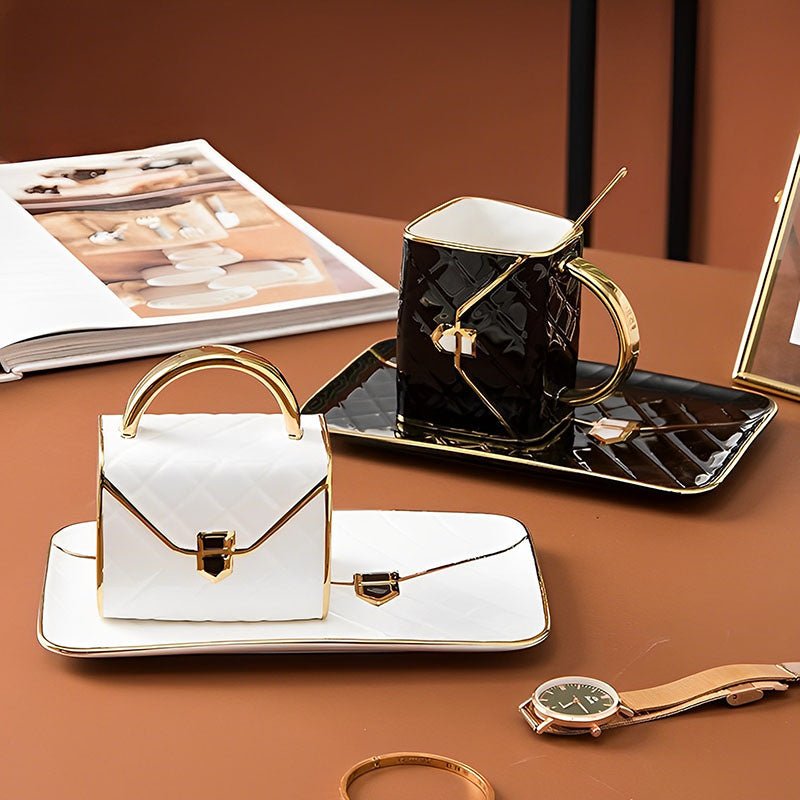
Coffee Mug Storage Ideas That Keep Cabinets Clear and Mugs Reachable
Reading time: about 9 minutes
Two oversized mugs on the counter, three regular mugs wedged behind a cereal box, and one chipped handle from a rushed cabinet grab. That is usually the point where people start looking for coffee mug storage ideas that actually fit a real kitchen, not a perfect photo.
We see the same pattern in our store conversations all the time. Buyers want mugs they enjoy using, but they also want a storage setup that keeps handles accessible, protects glazed surfaces, and does not eat up the one shelf they need for plates. The right setup depends on how many mugs you own, how often you use them, and whether you want them hidden or on display.
If you are comparing mug styles as part of a storage refresh, the products in our store can help you think beyond plain utility. A piece like the Pleated Coffee Tea Cup makes sense if you want something you will actually leave out because it looks good on a shelf. For a broader look at what else we carry, start with our full collection and then match the mug shape to the storage you already have.
Which mug storage setup works best in a real kitchen?
The best setup is the one that fits your cabinet height, your mug shape, and the way you actually make coffee. A deep cabinet sounds convenient until small mugs disappear behind tall tumblers. Open shelves look tidy until handles collide and dust settles on the rims. In our experience, the simplest solutions are the ones people keep using after the first week.
Here is the practical breakdown we usually recommend:
- Cabinet shelves work best if you want mugs hidden and protected from grease or dust.
- Under-shelf hooks or rails are useful when cabinet space is tight and you need to free up shelf depth.
- Open shelving works well for mugs you use every day, especially if they have a decorative finish.
- Countertop stands are best for a small rotation of favorite mugs, not a full collection.
If your mugs are mostly ceramic or stoneware, keep the heaviest pieces on lower shelves. That reduces the chance of a chip when someone reaches in quickly with a wet hand. Thin porcelain and tall mugs are better on shelves with a little breathing room, because they tip more easily if packed too tight.
How do you store mugs in a small kitchen without making it feel crowded?
Small kitchens do not need more storage furniture. They need less wasted space. The biggest mistake we see is using a broad mug tree or deep display shelf when vertical wall space or the inside edge of a cabinet would do the job more cleanly.
For compact spaces, these options tend to work best:
- Use one shelf for daily mugs only. Keep the rest elsewhere so you are not reaching past seasonal or duplicate cups every morning.
- Hang mugs under a shelf or inside a cabinet. This uses vertical space that is usually ignored.
- Group by size. Stack only mugs with similar rim diameters so you are not forcing the smallest one to carry the weight of the largest.
- Limit the display to a few pieces. One or two visual mugs can look intentional. Eight usually looks crowded.
This is also where mug shape matters more than most people expect. Wide, rounded mugs need more shelf width. Slim mugs and straight-sided cups are easier to line up in a tight cabinet. A piece like Golden Waves Kio Coffee Tea Mug is the kind of mug many shoppers keep visible because it reads as decor as much as drinkware.
If you want more ideas specifically for tight layouts, our related guide on coffee mug storage ideas for small kitchens, offices, and gifted sets goes deeper into narrow shelves, desk setups, and cabinet-only storage.
Should mugs be stacked, hung, or lined up?
That depends on the mug material and how often you use them. Stacking saves space, but it also creates the most risk of edge wear if the mugs have unglazed bases or uneven rims. Hanging is efficient for handles, though it is not ideal for very heavy mugs or cabinets with weak hardware. Lining them up is the safest and easiest option if you have enough shelf depth.
| Storage method | Best for | Trade-off |
|---|---|---|
| Stacking | Matching mugs with similar size and sturdy construction | More chip risk if the rims are uneven or the stack is too tall |
| Hanging | Freeing up cabinet shelves and keeping handles easy to grab | Needs solid mounting and does not suit every mug weight |
| Standing in a row | Daily-use mugs and decorative pieces | Takes more shelf width |
| Open display | Statement mugs and gift sets | Dust and grease exposure are harder to avoid |
We do not recommend stacking mugs with delicate handles, thin rims, or glossy finishes that scratch easily. If you are storing handmade or textured mugs, separate them with a soft shelf liner or leave a little space between pieces. That is especially useful for mugs that are washed often and still warm when put away, because warm ceramic can be more prone to surface wear if it is crowded immediately.
What should you look for in a mug if storage is already limited?
If storage is already tight, the mug itself matters. This is where many buyers get stuck. They choose a mug for the look, then discover it only fits awkwardly in the cabinet or crowds the dishwasher rack.
We usually look at three practical details:
- Handle clearance matters if you plan to hang mugs or nest them side by side. A chunky handle can block neighboring mugs.
- Footprint matters if your shelf is shallow. A wide base can make a beautiful mug harder to line up.
- Weight matters for overhead storage. Heavier stoneware is fine on sturdy shelves, but it is not the best pick for flimsy hooks or a crowded upper cabinet.
The The Flow Coffee Tea Mug is a good example of a mug style people often choose when they want something that feels calm and modern without adding visual clutter. That kind of profile tends to work better in open storage than a bulky novelty mug with an oversized handle and a wide body.
For shoppers comparing mug styles as gifts or for home use, our article on coffee mug display ideas that actually work in real kitchens is useful if you want the storage to look intentional instead of improvised.
How do you keep mug storage clean and easy to maintain?
Clean storage is not just about appearance. It also keeps mugs from picking up cooking residue, cabinet dust, and the faint smell that builds up in closed spaces. We recommend treating mug storage the same way you would treat dishware storage: simple, dry, and easy to reach.
A few habits make a real difference:
- Wipe the shelf or rail before putting mugs back, especially after a dishwasher cycle when bases may still be damp.
- Do not trap damp mugs inside a closed cabinet. Give them time to dry fully so moisture does not build up on the shelf surface.
- Use a washable liner if your shelves are painted wood or show scuff marks easily.
- Keep the mugs you reach for daily in the easiest spot so you are not shifting the whole row every morning.
These are small things, but they prevent the common failure mode we see most often: a storage area that starts organized and slowly turns into a crowded catch-all for tea bags, stirrers, and random lids.
What storage ideas make sense for office desks and break rooms?
Office mug storage has different rules from kitchen storage. The goal is usually speed and identification, not a perfect display. If people share a break room, the best setup is usually a labeled shelf, a small hook rail, or a compact tray that keeps everyone’s mug separate.
For offices, we suggest:
- A single shelf with assigned spots if the team uses the same cabinet every day.
- Hanging hooks under a shelf if the counter is shared and you need more usable surface area.
- A small open rack if mugs are part of the room’s look and not just utility items.
If you are picking mugs for a desk or break room, avoid pieces that stain easily on the exterior or have unstable bases. A mug that looks elegant at home can still be annoying in a shared office if it is too tall for the dispenser, too wide for the shelf, or too decorative to survive repeated dishwasher use.
For buyers comparing storage and gifting together, our guide to coffee mug storage ideas for kitchens, offices, and gift sets is a useful next read because it covers how the presentation changes when the mugs are being given, not just stored.
How do you choose between display and hidden storage?
This is the decision that usually matters most. Hidden storage keeps the kitchen calm. Display storage makes the mugs part of the room. Neither is right for every shopper.
Choose hidden storage if:
- Your cabinets already look busy.
- You own mismatched mugs and want a cleaner visual line.
- You need to protect mugs from dust, cooking grease, or frequent handling by kids.
Choose display storage if:
- You own a small set of mugs you actually like looking at.
- You want the mugs to double as decor.
- You have enough room to keep the arrangement uncluttered.
We often see buyers split the difference: one row of daily mugs on display, the rest hidden in a cabinet. That is usually the most practical setup. It keeps the good-looking pieces visible without forcing every mug into the same storage method.
If you are building a visual shelf around a few well-made mugs, browse our full collection and choose pieces that can stay out without making the space feel busy.
Frequently asked questions
What is the best way to store coffee mugs in a small kitchen?
The best option is usually a vertical solution: under-shelf hooks, a narrow rail, or a single daily-use shelf. Those setups keep the cabinet floor clear and make handles easier to grab. If you stack mugs, keep the stack short and only combine pieces with similar rim sizes.
Is it better to hang mugs or stack them?
Hanging is better if shelf space is scarce and your mugs are not too heavy. Stacking is better if you want a cleaner cabinet and the mugs are sturdy with even rims. We would avoid stacking delicate or handmade mugs unless you use a liner and leave enough room to prevent chipping.
How many mugs should I keep on the counter?
Usually just the mugs you use every day. More than that starts to feel like clutter unless you are intentionally creating a display. For most kitchens, two to four mugs on the counter is enough.
What kind of mugs are easiest to store?
Straight-sided mugs with moderate handles and a stable base are the easiest to line up in cabinets, shelves, or racks. Very wide mugs, oversized novelty handles, and extra-heavy stoneware take more space and are harder to fit neatly.
How do I keep mug shelves from getting dusty?
Use a closed cabinet if dust is a major issue, or wipe open shelves regularly and keep the display limited to a few mugs. A washable liner helps too, especially on painted or textured shelves that show dust and scuffs quickly.
If you want to compare mug styles against the storage you already have, start with the shelf space you can spare, then check handle clearance, base width, and whether you want the mugs hidden or displayed. From there, our full collection is the easiest place to narrow down a mug that fits both your cabinet and your routine.
Read more
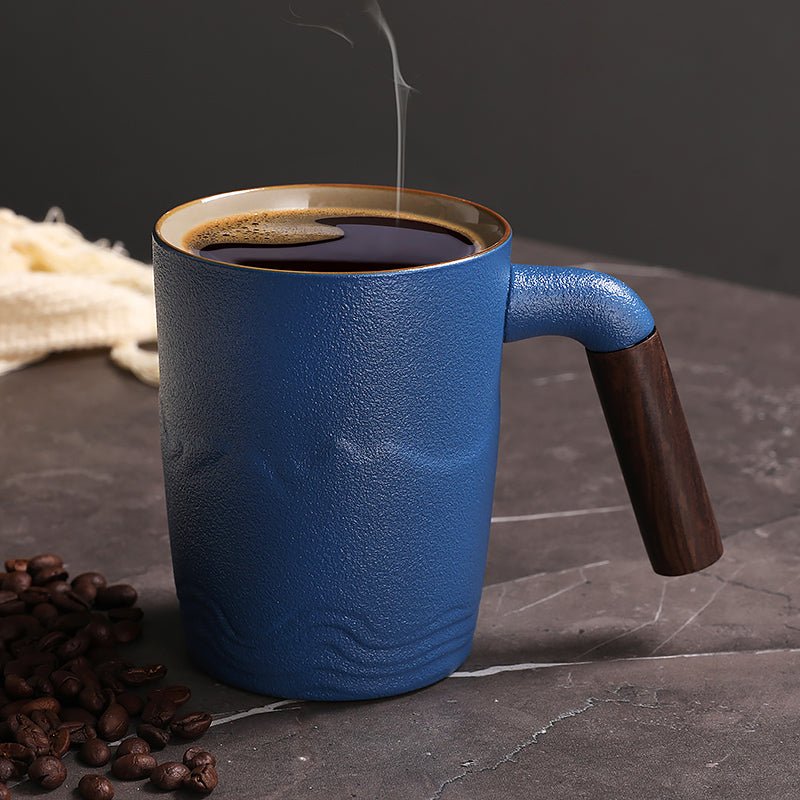
Ohio State Coffee Mug Buying Guide: Sizes, Shapes, and Best Fits
A practical Ohio State coffee mug buying guide that compares size, shape, and real-world comfort so you can pick a mug that works on a desk, in a cabinet, and as a gift.
Read more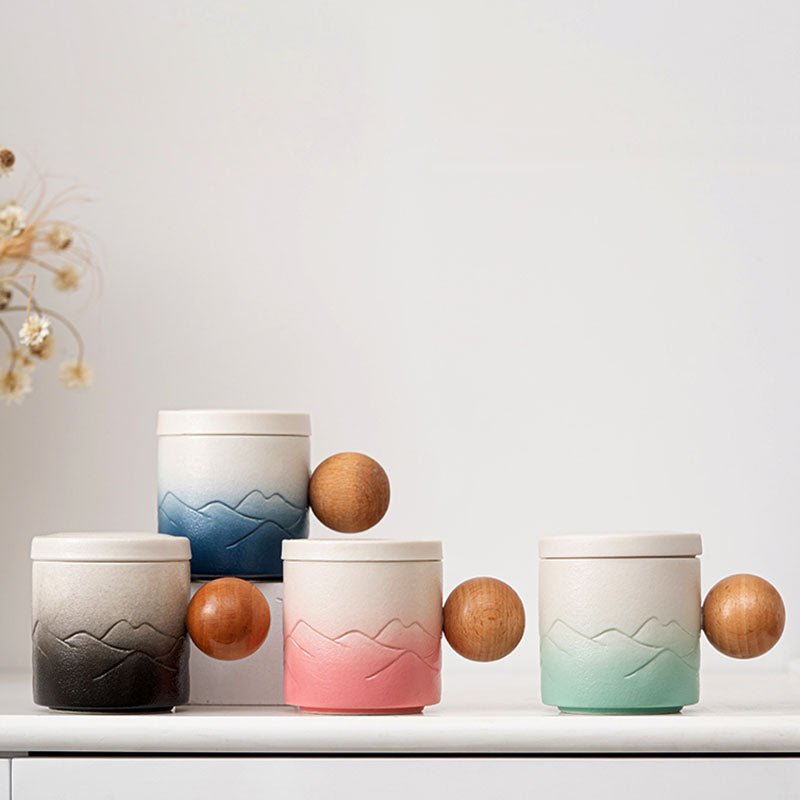
Coffee Mug Shelves: What to Check for Fit, Strength, and Daily Use
Coffee mug shelves should do more than display cups. The right shelf keeps handles clear, holds real weight, and makes your coffee station easier to use every day.
Read more
Los kommentaar
This site is protected by hCaptcha and the hCaptcha Privacy Policy and Terms of Service apply.