
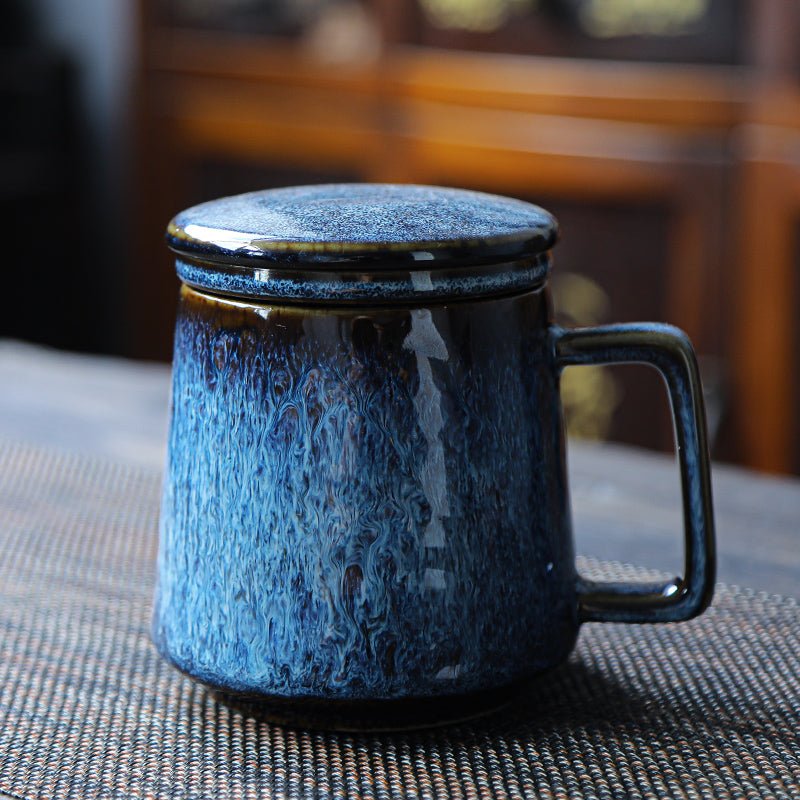
Coffee Mug Dimensions: How to Measure Fit Before You Buy
Reading time: about 9 minutes
A mug can look perfectly normal on screen and still be awkward in a real kitchen. We see it all the time: a shopper orders a size that seems right, then finds it does not fit under the cabinet shelf, feels too wide in the hand, or bumps into the dishwasher rack beside it.
That is why coffee mug dimensions matter beyond the ounce number on the page. In our store, we look at the same practical checks shoppers do at home: height, rim width, base width, handle clearance, and whether the mug feels stable on a desk or counter. If you want the short version, the right mug is the one that fits your space first and your drink second.
What do coffee mug dimensions actually tell you?
Capacity only tells part of the story. Two mugs can both be labeled 11 oz and still feel very different because one is tall and narrow while the other is short and wide. The shape changes how much counter space it uses, how hot the drink feels in hand, and whether the mug slides into a cupboard without friction.
When we check coffee mug dimensions, we look at the measurements below, not just the volume.
| Measurement | Why it matters | What to check |
|---|---|---|
| Height | Decides shelf clearance and whether the mug fits under cabinets or machines | Measure the vertical space you actually use, not just the open counter |
| Top diameter | Affects how the drink cools, how easy it is to sip, and how much spill risk you have | Wide mouths feel open; narrower mouths hold heat longer |
| Base diameter | Tells you if the mug sits stably on a table or in a crowded dishwasher rack | Look for a flat, even foot ring that does not rock |
| Handle opening | Determines finger comfort and whether the mug works for larger hands or gloved hands | Check that two or three fingers fit without squeezing |
| Capacity | Indicates drink volume, but not always the actual usable pour line | Leave room for milk, foam, or a splash-free carry |
That last point matters. A mug can claim a familiar ounce size and still have a thicker wall or a taller profile that changes the way it behaves on a shelf or in the dishwasher.
How should you measure a mug before you buy?
The easiest way to avoid a bad fit is to measure the place where the mug will live before you look at the mug itself. We suggest a quick pass with a ruler or tape measure, plus a real-world check of the spaces you use every day.
- Measure the cabinet gap where the mug will sit. If you store mugs on an upper shelf, leave a little room above the rim so you are not scraping glaze every time you lift one out.
- Measure the dishwasher rack spacing. Taller mugs can tip if the rack tines are crowded, and wide handles can knock into neighboring cups.
- Measure the space under your coffee machine or kettle spout if you brew directly into the mug.
- Check the handle with your hand size in mind. A handle that looks decorative can still feel cramped if the opening is narrow or the bridge is too close to the cup wall.
- Look at the base. A mug with a small base can feel tippy on a cluttered desk, especially if the bottom is not perfectly flat.
If you want a broader benchmark before comparing our products, our guide on Standard Coffee Mug Dimensions: What Buyers Should Check gives a useful baseline. For a size-by-size breakdown, 11 oz Coffee Mug: Size, Fit, and What to Check Before You Buy and 12 Ounce Coffee Mug Buying Guide for Daily Use and Better Fit are helpful follow-ups.
Which mug sizes work best for everyday coffee, tea, and desk use?
Different routines need different dimensions. A mug that feels great for a slow pour-over at home may be a poor choice for a shared office kitchen, and a decorative tall mug may be awkward for someone who wants a stable cup beside a laptop.
Here is how we usually break it down for shoppers:
- Small-to-mid mugs: good for shorter drinks, stronger coffee, or tea where you do not want a huge vessel cooling the drink too quickly.
- Mid-size mugs: the easiest all-around choice for most desks and kitchens because they balance volume, hand comfort, and shelf fit.
- Tall mugs: useful when you want a more upright silhouette, but they can be harder to fit under cabinet shelves and can feel less stable if the base is narrow.
- Wide mugs: comfortable for sipping and stirring, but they take more shelf width and can lose heat faster.
For shoppers comparing everyday sizes, our article on 10 oz Coffee Mug: Size, Fit, and What to Check Before You Buy is worth reading before you decide. Ten ounces is not automatically small, and twelve ounces is not automatically too large; the shape changes the experience more than people expect.
If you drink coffee at a desk, a mid-size mug with a stable base usually beats an oversized novelty shape. If you serve tea, a slightly narrower opening can help hold heat a little longer. If you keep the mug on a crowded kitchen shelf, prioritize height and handle clearance over a big-looking capacity number.
How do shape and wall profile change the way a mug feels?
Shape is where coffee mug dimensions become practical. A straight-sided mug, a tapered mug, and a tall sculpted mug can all hold similar amounts of liquid, but they do not feel the same in hand or behave the same on a shelf.
We see three common differences that matter:
- Straight-sided mugs feel straightforward and stack more predictably, but they can look bulkier than their capacity suggests.
- Tapered mugs are often easier to grip and can feel lighter, though the narrowing shape may reduce usable room near the top.
- Tall, narrow mugs create a clean silhouette and can be nice for presentation, but they ask for more cabinet height and more careful handling.
For example, the Rhombus Coffee Tea Mug is a good reminder that a mug's silhouette changes more than the ounce label. The Handbag Coffee Tea Mug shows how a more sculptural body can turn a mug into a display piece, which is great for gifting but not always ideal if your main goal is efficient cupboard storage. The White Golden Waves Tall Coffee Tea Mug is the kind of shape we recommend checking against shelf height first, because tall mugs can surprise shoppers who are only looking at capacity.
If you want to compare more styles in one place, start with our All collection. That is usually the fastest way to compare height, handle shape, and visual style before narrowing down to one mug.
What problems do oversized or unusual mugs create?
Oversized mugs are not bad. They just solve a different problem. A large mug can be nice for long work sessions or milk-heavy drinks, but it can also become the mug you stop reaching for because it is too heavy, too wide for one hand, or too awkward in a packed sink.
Here is where size trade-offs show up in real life:
- Weight: a bigger ceramic mug gets noticeably heavier once filled, which matters if you carry it from kitchen to desk several times a day.
- Heat loss: wide mugs generally lose heat faster than narrower ones.
- Storage: a tall mug may fit the drink you want, but still fail the cupboard test.
- Cleaning: decorative handles, deep curves, and unusual bodies can leave spots where a sponge does not reach easily.
- Stability: mugs with small bases or unusual silhouettes can feel less secure on uneven counters.
We also watch for a few common quality issues that matter more as shapes get unusual: a wobbly foot ring, a handle that pinches the fingers, glaze buildup near the base, or a lip that feels uneven when you drink from it. Those are the little things that turn a mug from pleasant to annoying.
That is why we are honest about fit. A decorative mug is not always the best choice for someone who wants a no-fuss daily cup. If your priority is speed, easy washing, and reliable storage, a simpler body shape usually works better.
What should you check on the product page before buying?
We recommend checking five details every time, especially if you are comparing several coffee mug dimensions across different shapes.
- Material: ceramic, stoneware, and porcelain all feel different in the hand. Ceramic and stoneware usually feel more substantial, while thinner walls can feel lighter but may cool faster.
- Care instructions: if a mug is not dishwasher-safe, make sure you are willing to wash it by hand. A glossy glazed surface is usually easier to clean than a heavily textured one.
- Height and width: do not rely on capacity alone. A shorter mug with a wide mouth may store better than a tall mug with the same ounce rating.
- Handle clearance: this is one of the easiest things to overlook, and one of the most annoying to discover too late.
- Base stability: a flat, even base matters on kitchen counters, office desks, and crowded trays.
In our experience, buyers are happiest when they match the mug to the place it will be used most. For a home office, that means checking desk clutter and keyboard clearance. For a gift, that means thinking about presentation and unboxing. For everyday kitchen use, that means testing shelf height and dishwasher space first.
If you are browsing our store, the safest approach is to open a product page, compare the dimensions against your shelf and hand size, then decide whether the shape is practical or just visually interesting. Both can be right, but they serve different buyers.
Frequently asked questions
What is the standard coffee mug dimension?
There is no single standard that every brand follows, but many everyday mugs land in the mid-size range with similar height and width proportions. The better comparison is not just the ounce rating, but how tall the mug is, how wide the mouth opens, and whether the handle fits your fingers comfortably.
Is a 12 oz mug too big for everyday coffee?
Not usually. A 12 oz mug can be a very practical daily size if you drink a full cup, add milk, or want room for a little extra without spilling. It becomes less convenient if you prefer a shorter drink, store mugs on shallow shelves, or want something lighter in the hand.
How do I know if a mug will fit under my cabinet?
Measure the vertical space from the shelf to the cabinet lip, then compare that number to the mug height and allow a little extra room for lifting it in and out. If you are close to the limit, pick a shorter mug or one with a slimmer handle profile so it is easier to store and remove.
Are tall mugs harder to use or wash?
They can be, depending on the shape of the sink and dishwasher. Tall mugs are more likely to tip in a crowded rack and can be awkward to reach with a sponge if the opening is narrow. They are fine if you like the look, but they are not the simplest option for a busy kitchen.
What mug shape is best if I want something easy to hold?
A mug with a moderate body width, a flat base, and a handle that leaves enough room for two or three fingers is usually the easiest choice. Very wide mugs and highly sculpted mugs can look great, but they are not always the most comfortable for everyday use.
If you are comparing options right now, start with the All collection, then check height, handle space, base width, and care instructions before you choose. That simple checklist is usually enough to separate a mug that just looks good from one that actually fits your kitchen and your routine.
Read more
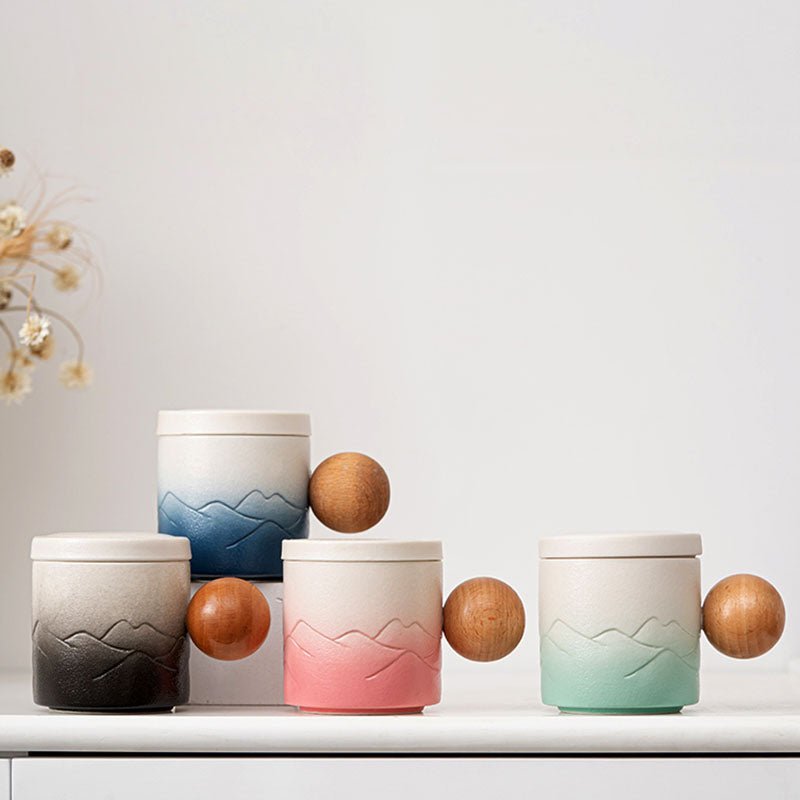
Coffee Mug Gift Ideas for People Who Actually Use Mugs
Practical coffee mug gift ideas for desk use, home kitchens, and everyday coffee drinkers. Compare gift-ready styles, trade-offs, and our easiest picks.
Read more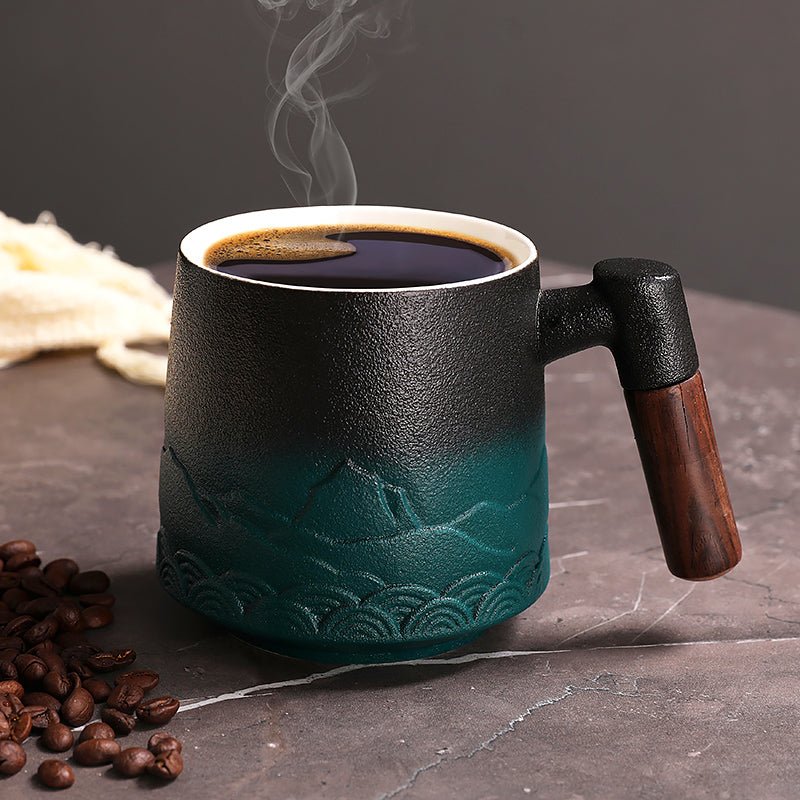
Coffee Mug Dimensions: What Buyers Should Measure Before Ordering
We break down coffee mug dimensions the way we check them in our store: height, rim width, base width, handle clearance, and what those measurements mean in real kitchens.
Read more
Los kommentaar
This site is protected by hCaptcha and the hCaptcha Privacy Policy and Terms of Service apply.