
Ceramic Cortado Cup Comparison: 170 ml, 200 ml, or 270 ml?
Reading time: about 9 minutes
A short milk coffee can look comfortably contained in one cup and surprisingly close to the rim in another. That is the useful starting point for a ceramic cortado cup comparison: not which option sounds most impressive, but which listed capacity leaves sensible room for the drink you actually prepare.
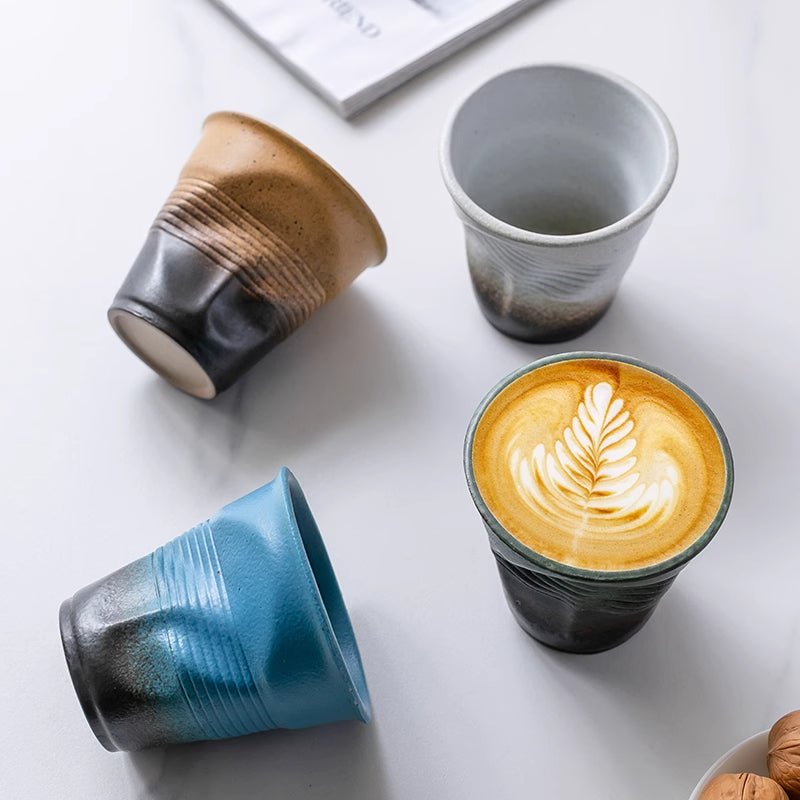
Our current compact-cup choices are the 170 ml Retro, 200 ml Pleated, and 270 ml Emerald. The difference between them is not cosmetic on a kitchen counter or office desk. Thirty extra millilitres can make a modest difference to a close-to-full pour, while 100 ml between the smallest and largest option changes how much unused capacity you have available.
We sell these pieces as coffee and tea drinkware, so we keep the recommendation grounded in the catalog facts. None of these listings should be treated as purpose-built, tested, or certified for cortado preparation. Capacity can help you compare fit, but it does not tell you extraction quality, heat retention, microwave safety, dishwasher safety, or exact dimensions. Check the individual product listing for any care information before you order.
The three current capacities at a glance
Start with the number printed on the listing. It is the clearest verified comparison point across these three options. A listed capacity is not a recommended fill line: the comfortable amount to pour depends on the cup's form, your drink recipe, and how much clearance you prefer at the top.
| Current option | Verified listed capacity | Practical comparison point | Best reader situation |
|---|---|---|---|
| Retro Coffee Tea Cup | 170 ml | The smallest listed option; least unused capacity if your finished drink is near 170 ml. | You regularly make a compact serving and do not want a larger vessel around it. |
| Pleated Coffee Tea Cup | 200 ml | 30 ml more listed capacity than Retro, offering a middle point between a close fit and extra room. | Your drink amount varies a little, or you prefer more flexibility than 170 ml provides. |
| Emerald Coffee Tea Mug | 270 ml | 70 ml more listed capacity than Pleated and 100 ml more than Retro. | You want a roomier option for different drink sizes, tea, or a less tightly filled cup. |
The names describe the current products, but capacity is still the better first filter. A Retro at 170 ml is not automatically the right choice because your drink is called a cortado. Match the cup to the volume you pour and the amount of headroom you find comfortable.
Which ceramic cortado cup comparison fits a short milk coffee routine?
For a person who makes the same compact coffee most mornings, the 170 ml Retro Coffee Tea Cup is the direct place to begin. Its smaller listed capacity suits a routine where the finished drink is deliberately modest and you do not need much spare capacity. The trade-off is equally clear: if you sometimes add more milk, make a larger drink, or dislike a close-to-the-rim pour, 170 ml gives you less margin.
For the shopper whose usual drink sits between very short and noticeably larger, the 200 ml Pleated Coffee Tea Cup is the practical middle option. The additional 30 ml does not turn it into a large mug, but it can be useful when your finished volume shifts from day to day. Choose it for flexibility within a compact range. Do not choose it solely in the hope that it will change how espresso extracts; the catalog capacity does not support that claim.
For someone who alternates a short milk coffee with tea or a more generous coffee, the 270 ml Emerald Coffee Tea Mug offers the most listed capacity. It fits a routine where one cup must accommodate more than one kind of pour. Its limitation is that it may be more capacity than you need if every drink is small and you prefer the visual proportion of a compact cup around that serving.
- Choose 170 ml if a compact drink is your fixed routine and a close capacity match matters most.
- Choose 200 ml if you want a little more room without moving to the largest current option.
- Choose 270 ml if drink size changes across the week or you also want capacity for tea and other larger pours.
170 ml versus 200 ml: where does headroom matter?
Headroom is the empty space left after you pour. Buyers often treat it as a minor detail until they carry a full cup from the counter to a desk. In practice, it affects how close the liquid sits to the rim, how much flexibility you have while pouring, and whether the same cup feels calm or crowded for your routine.
There is a concrete 30 ml difference between Retro and Pleated. That is useful information, but it is not an exact measurement of rim clearance. We cannot calculate the visible headroom from listed capacity alone because the internal shape, rim diameter, and your actual fill level also matter. Treat 200 ml as more available capacity than 170 ml, not as a promise of a specific amount of empty space.
A buyer who measures ingredients carefully may find 170 ml a sensible match for a tightly controlled serving. A buyer who pours by eye, uses a little more milk on weekends, or carries coffee toward an office desk will often prefer the flexibility of 200 ml. Neither choice is inherently better. The relevant trade-off is compactness of the serving versus room for normal variation.
For a fuller capacity breakdown before choosing, read our ceramic cortado cup capacity guide for 170 ml, 200 ml, and 270 ml. It is useful alongside this comparison if volume is your deciding factor rather than product styling.
Is 270 ml too large for your usual cortado?
It can be. The Emerald option has a verified 270 ml listed capacity, which is 100 ml more than Retro. For a shopper who always wants a small finished drink, that extra capacity may make the cup feel less aligned with the serving they have in mind. More capacity is not automatically more useful.
It becomes the stronger fit when one piece needs to cover several situations. Think of the weekday coffee on a home counter, a tea break at an office desk, or a guest who prefers a more generous pour. The larger listed capacity gives you room to choose among those uses without buying a separate vessel for each. It is not the specialist pick for someone who wants every drink kept deliberately compact.
This distinction also matters for gifts. An unboxing recipient with a broad coffee-and-tea routine may appreciate a 270 ml option because it is less narrowly tied to one drink size. For a friend known for making short, measured milk coffee, the 170 ml or 200 ml choice is more considered because it acknowledges how they actually serve it.
What should you verify before ordering a ceramic coffee cup?
Product photos help with appearance, but they should not replace a quick listing check. In our experience, preventable disappointment usually comes from assuming a capacity, care method, or physical detail that was never specified. Ceramic is a broad material category; do not infer a particular clay body, glaze process, wall thickness, or care rating from the product name alone.
- Compare your typical finished drink to the listed capacity. Write down the amount you usually pour, including milk or water, rather than comparing only the espresso portion.
- Decide how much unused room you prefer. A cup can technically hold the drink and still feel too full for your comfort.
- Read the current product page for care details. Confirm dishwasher and microwave guidance only where the specific listing provides it. Do not assume either property applies to all ceramic drinkware.
- Consider the second use. Tea, a larger coffee, and a gift recipient's routine can make a 200 ml or 270 ml option more sensible than a strict single-drink match.
If your comparison has expanded beyond compact options, our unique coffee mugs collection is the practical next step. Browse it after you have decided whether a small-capacity cup or broader daily-use capacity better matches your routine.
How do these options fit a kitchen, desk, or gift decision?
At a kitchen counter, the choice is usually repeatability. Pick Retro for a compact, predictable serving; select Pleated if your pour varies slightly; use Emerald where one cup needs to handle a wider range of drinks. The useful question is not which one is most versatile in the abstract. It is which one removes the most friction from your own morning.
At an office desk, a cup that is filled close to capacity can be less forgiving as you move it from a shared kitchen. That does not make the 170 ml option unsuitable. It means you should allow for your preferred fill level and normal walking distance. A 200 ml or 270 ml capacity may suit a buyer who values more unused room, but the product pages do not establish spill resistance or stability, so those should not be assumed.
For gifting, begin with the recipient's habits instead of trying to guess a universal best size. A compact-coffee drinker is a clear Retro or Pleated candidate. Someone who switches between coffee and tea may get more use from Emerald. For a broader shape-and-routine perspective, our ceramic mug buyers overview can help you frame the decision without treating capacity as the only consideration.
Frequently asked questions
Which size wins a ceramic cortado cup comparison for a small daily drink?
The 170 ml Retro is the closest current option for a shopper who consistently prepares a compact finished drink. It has the least listed capacity of the three, so it is best for a routine that does not need much extra room. Move to 200 ml if your finished pour sometimes runs larger or you prefer more headroom.
Is a 200 ml cup better than a 170 ml cup for cortado-style coffee?
Not universally. The 200 ml Pleated option has 30 ml more listed capacity, which can be helpful for a variable pour or more unused room. The 170 ml Retro remains the better fit when your goal is a smaller, more tightly matched serving rather than flexibility.
Can I use the 270 ml Emerald Coffee Tea Mug for a short coffee?
Yes, its 270 ml listed capacity can hold a smaller drink, but it may offer more capacity than a dedicated compact routine requires. It makes the most sense when you also prepare tea or larger coffee drinks. Do not expect the larger capacity alone to improve extraction, heat retention, or other brewing results.
Are these ceramic cups dishwasher or microwave safe?
This comparison does not verify dishwasher or microwave safety for Retro, Pleated, or Emerald. Review the current care information on the individual product page before choosing a cleaning method or using a microwave. Ceramic drinkware should not be assigned a care rating based only on its material category.
What should I buy after comparing the three current capacities?
Choose Retro for a fixed compact drink, Pleated for a modest increase in flexibility, or Emerald for the broadest drink-size range. Then open the relevant product listing and confirm the current details that matter to your home, desk, or gift use. Shoppers comparing beyond these three capacities can continue with the CoffeifyMug unique coffee mugs collection.
More from our blog
Read more
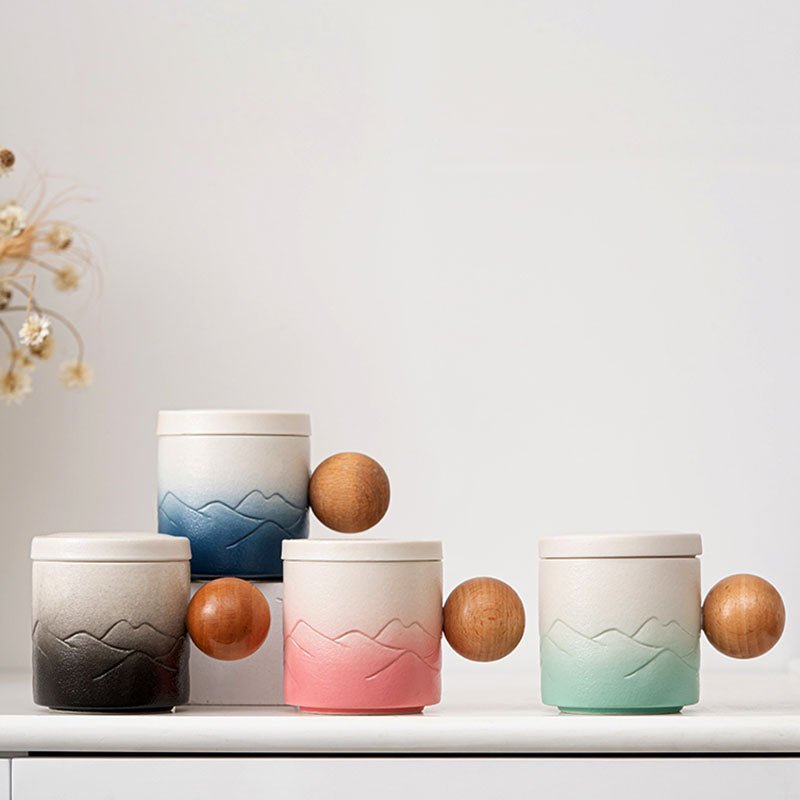
Loose Leaf Tea Mug Comparison: 250 ml, 390 ml, or 400 ml?
Compare CoffeifyMug's current 250 ml, 390 ml, and 400 ml drinkware options by serving size, visible form, and daily routine. See the practical limits too, including what you still need to brew loos...
Read more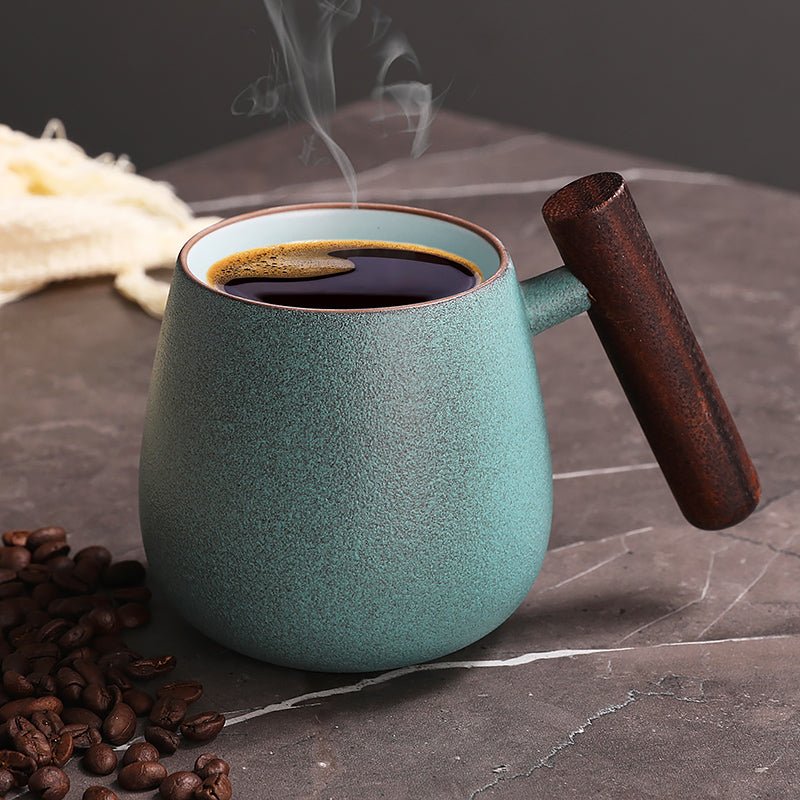
12 Oz Ceramic Coffee Mugs Comparison: Match Your Daily Routine
Compare CoffeifyMug's current 12 oz ceramic mug options by shape, visual style, desk use, tea breaks, and gifting needs. See where tall and round profiles work best, plus the practical limits to ch...
Read more
Los kommentaar
This site is protected by hCaptcha and the hCaptcha Privacy Policy and Terms of Service apply.