
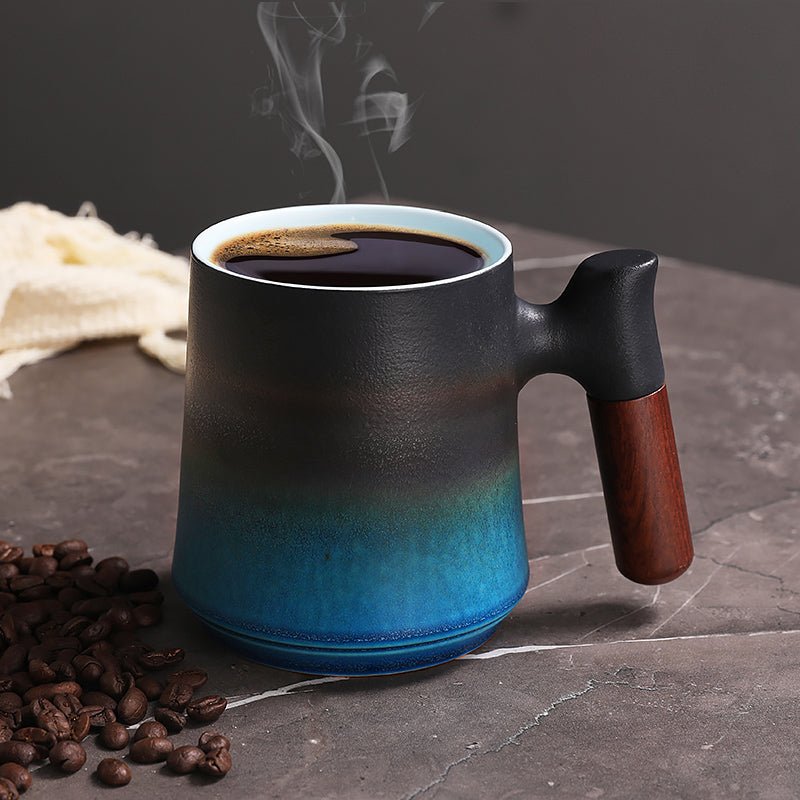
Best Ceramic Coffee Mug: What to Look For Before You Buy
Reading time: about 9 minutes
A mug that feels good at 7 a.m. usually wins by small details: a handle that does not pinch, a rim that feels smooth, a glaze that still looks clean after repeated coffee, and a base that sits flat on the counter. In our store, that is the difference between a mug people reach for every day and one that stays in the cabinet. If you are comparing the best ceramic coffee mug for your routine, start with the Pleated Coffee Tea Cup, then compare the full range in our collection of all mugs.
What actually makes a ceramic mug the best for daily use?
The best ceramic coffee mug is not the fanciest one on the shelf. It is the mug that fits your hand, works with your drink volume, and holds up to the kind of use most kitchens and offices put it through. We look at these mugs the same way a shopper does: on a kitchen counter, at a desk, after a dishwasher cycle, and after a few weeks of real coffee use.
For daily use, the details that matter most are practical:
- Handle clearance: your fingers should fit without touching the hot body of the mug.
- Wall thickness: a mug that is too thin can feel fragile; one that is too thick can feel heavy and clumsy.
- Rim finish: the sip should feel smooth, with no rough spots or sharp edges.
- Base stability: a flat, even foot ring keeps the mug from rocking on the counter.
- Glaze quality: a clean glaze helps resist tea and coffee staining and makes the mug easier to keep looking presentable.
Ceramic is a strong choice for home, office, and gifting because it feels substantial and comfortable, but it is not the right answer for every use case. If you need something for a commute, a cup holder, or long heat retention with a lid, ceramic is usually the wrong category. That is where an insulated travel mug does a better job.
Which mug style fits your routine best?
Style is not just about looks. It changes how the mug feels in hand, how it fits on a shelf, and whether it feels right in a shared kitchen or a more personal coffee corner. The three mugs we sell here give you different directions without forcing you into a one-size-fits-all shape.
| Option | Best for | Trade-off |
|---|---|---|
| Pleated Coffee Tea Cup | People who like a tactile, structured look and a mug that feels distinct in hand | The more detailed surface may feel less minimal if you prefer a very plain kitchen setup |
| The Flow Coffee Tea Mug | Everyday desk use, calmer visual styling, and a mug that blends easily into most kitchens | If you want a decorative piece with stronger visual character, this may feel understated |
| Mountain Sea Coffee Tea Mug | Gift buyers and shoppers who want a mug with a more expressive, nature-inspired feel | A more distinctive look is not always the best fit for a fully neutral setup |
If you are shopping for a gift, the more distinctive mugs usually feel more intentional when they are unboxed. If you are buying for a shared office kitchen, a cleaner silhouette is often easier to match with different preferences. That is why the answer to "best" depends on where the mug will live, not just how it looks in a product photo.
For a broader size discussion, our 16 oz Ceramic Coffee Mug: What to Check Before You Buy covers the practical checks we see shoppers miss most often, and our 20 oz Ceramic Coffee Mug Buying Guide for Everyday Use is useful if you know you like a larger pour.
What should you check before you click buy?
We see the same avoidable problems again and again: a mug that looks good online but rocks on the table, a handle that feels cramped once the mug is full, or a glaze that starts showing coffee marks faster than expected. The goal is not perfection. The goal is to avoid the details that make a mug annoying to use.
| What to check | Why it matters | What to watch for |
|---|---|---|
| Handle shape | Controls comfort and balance when the mug is full | A handle that looks large but leaves little finger clearance |
| Rim quality | Affects the sip and how the mug feels in hand | Rough glaze, chips, or a sharp lip |
| Foot ring | Keeps the mug stable on counters and trays | Uneven firing that makes the mug wobble |
| Glaze finish | Influences stain resistance and easy cleaning | Pinholes, dull patches, or early tea staining |
| Care instructions | Determines whether the mug fits your routine | No clear dishwasher or microwave guidance |
Three common defect modes are worth knowing by name: crazing, which shows up as fine crack lines in the glaze; pinholes, which are tiny surface voids; and hairline cracks around the handle join or the base. Not every mug has these issues, but they are the things we inspect first because they affect both appearance and long-term use.
If you are tight on shelf space, our Best Ceramic Mug Size for a Small Coffee Corner is a useful companion read before you settle on a shape.
How do ceramic mugs hold up to real-life use?
In real kitchens, a ceramic mug has to survive more than a nice staged photo. It gets filled, set down on hard surfaces, carried to a desk, rinsed between uses, and sometimes stacked beside other mugs. The winners are the ones that still feel solid after that routine.
Here is what matters in day-to-day wear:
- Dishwasher cycles: If the mug is dishwasher safe, place it so handles do not knock into each other and chip the rim.
- Thermal shock: Do not move a cold mug straight into very hot liquid or vice versa. Sudden temperature changes are hard on ceramics.
- Staining: Dark roast coffee and tea can mark lighter glazes over time, especially if the mug is left sitting with residue.
- Microwave use: Only use a mug in the microwave if the finish is meant for it. Metallic decoration and some specialty glazes should stay out of the microwave.
This is also where honesty matters. Ceramic is not the best choice if you want a mug for a commute, a gym bag, or long hours of heat retention without a lid. It is better for people who drink at a desk, in the kitchen, or during a slower morning routine where the feel of the mug matters as much as the coffee itself.
If you want a deeper look at the heat and capacity trade-offs, our 20 Ounce Ceramic Coffee Mug: What Fits, What Stays Hot is a good companion piece.
Which ceramic mug should you choose for coffee, tea, or gifting?
The best ceramic coffee mug for one person may be a poor pick for another. A black coffee drinker who wants a simple desk mug has different needs from someone buying a gift for a new apartment or a kitchen shelf that needs a visual accent.
Use this quick rule set:
- For everyday black coffee: choose the mug that feels balanced in the hand and has a comfortable handle first.
- For milk drinks and tea: a mug with a comfortable lip and a shape that is easy to sip from matters more than decorative detail.
- For gifts: a more distinctive surface or silhouette usually feels more special when opened.
- For office desks: choose a mug that looks clean after repeated use and is easy to wash without fuss.
Our team often tells shoppers to think about the mug's job, not just its appearance. A good desk mug should not demand attention every time you use it. A gift mug should feel intentional on day one and still useful months later. That practical lens is what makes buying easier.
If you are still choosing between sizes and usage patterns, our Ceramic Coffee Mug Buying Guide for Everyday Buyers pulls the basics together in one place.
How should you care for a ceramic mug so it lasts?
Good care is simple, but it matters. A ceramic mug that is rinsed promptly and stored carefully will usually look better for longer than one left sitting with old coffee film or stacked carelessly against another mug's rim.
We recommend a few habits that make a difference:
- Rinse the mug soon after use if you drink dark coffee or strong tea.
- Use a soft sponge rather than abrasive pads that can dull the glaze.
- Do not stack mugs so tightly that the rims scrape each other.
- Let the mug cool before washing if you have just poured in a very hot drink.
- Check the product notes before putting it in the microwave or dishwasher if you are unsure.
One more practical point: a ceramic mug can chip if it is slammed into a sink, dragged across a hard countertop, or allowed to knock into other dishes in the dishwasher. That is not a flaw unique to one mug style. It is part of the category, which is why a slightly thicker rim and a stable base are worth paying attention to before you buy.
Frequently asked questions
What size ceramic coffee mug is best for everyday use?
For most people, the best size is the one that matches how they actually drink coffee. A smaller mug is easier to finish while the drink is hot, while a larger mug works better for slow sippers or milk-based drinks. If you are unsure, start with the size you already reach for most often and compare it against our sizing guides.
Are ceramic coffee mugs microwave safe?
Some are, but not all. The safest approach is to check the product notes for the specific mug and avoid microwaving any mug with metallic decoration or an unconfirmed specialty finish. If the listing does not say it is microwave safe, do not assume it is.
Why does a ceramic mug chip so easily?
Most chips happen from impact, not from normal drinking. A mug can chip when it hits a sink, bumps into another mug, or takes a hard knock on the rim or handle. A smooth glaze and a well-finished edge help, but careful handling matters just as much.
Is a ceramic mug better than stainless steel for desk coffee?
For taste and drinking comfort, many people prefer ceramic at a desk because it feels more natural and does not carry the same metallic feel. Stainless steel is better if you need insulation or mobility, but ceramic is usually better for a calmer home or office setup where the mug stays in one place.
What is the easiest ceramic mug to keep clean?
The easiest mug to keep clean is usually one with a smooth glaze, a comfortable opening, and no deep texture that traps residue. Dark coffee and tea are less likely to leave visible marks on darker or more forgiving finishes, but any mug benefits from a quick rinse after use.
If you want the fastest path to the right pick, compare handle feel, rim finish, and care instructions first, then decide which style you would actually use every morning. Start with our full mug collection and choose the one that fits your desk, kitchen, or gift list without compromise.
Read more
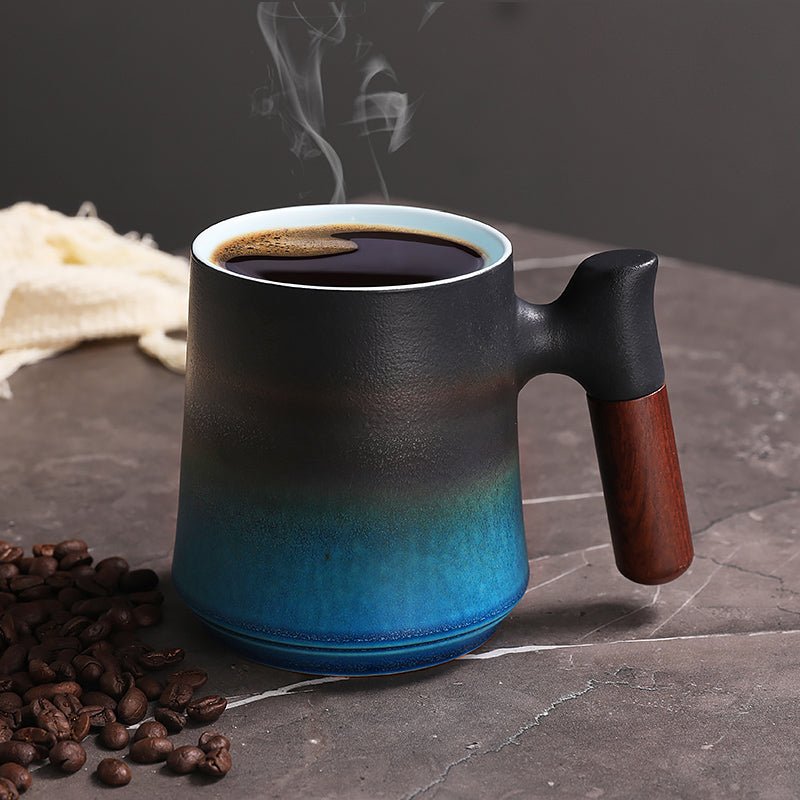
How to Draw a Coffee Mug: Simple Shapes, Proportions, and Shading
A practical guide to drawing a coffee mug with correct proportions, handle placement, rim ellipses, and simple shading. It also shows which mug shapes are easiest to draw from real references.
Read more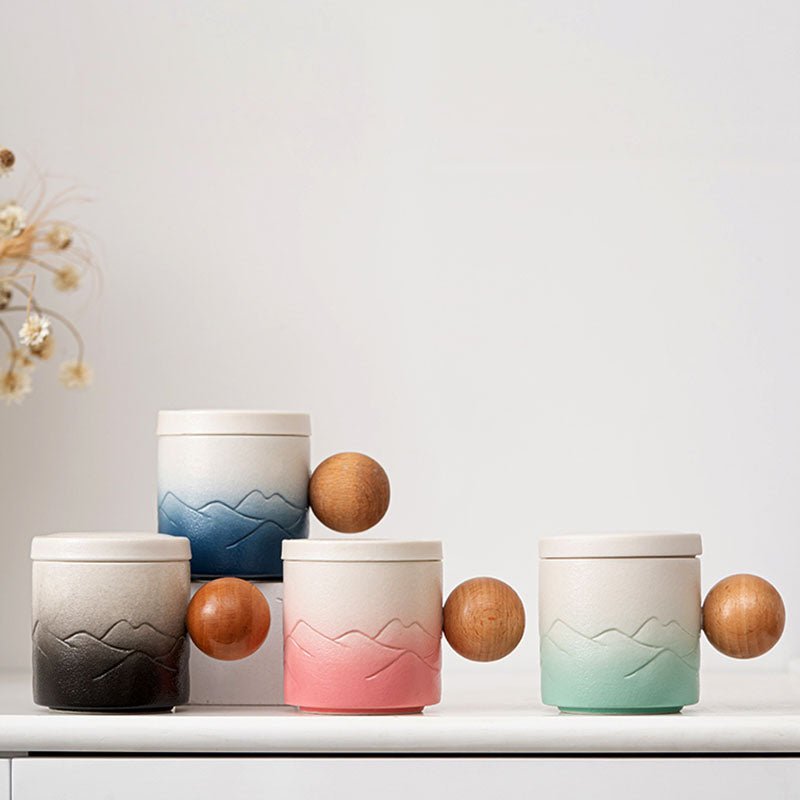
Coffee Mugs on the Go: What to Buy for Commutes and Daily Carry
A practical guide to coffee mugs on the go, with real trade-offs on spill control, hand feel, cleaning, and desk-to-commute use. See which styles fit daily carry and which ones are better left at h...
Read more
Los kommentaar
This site is protected by hCaptcha and the hCaptcha Privacy Policy and Terms of Service apply.