
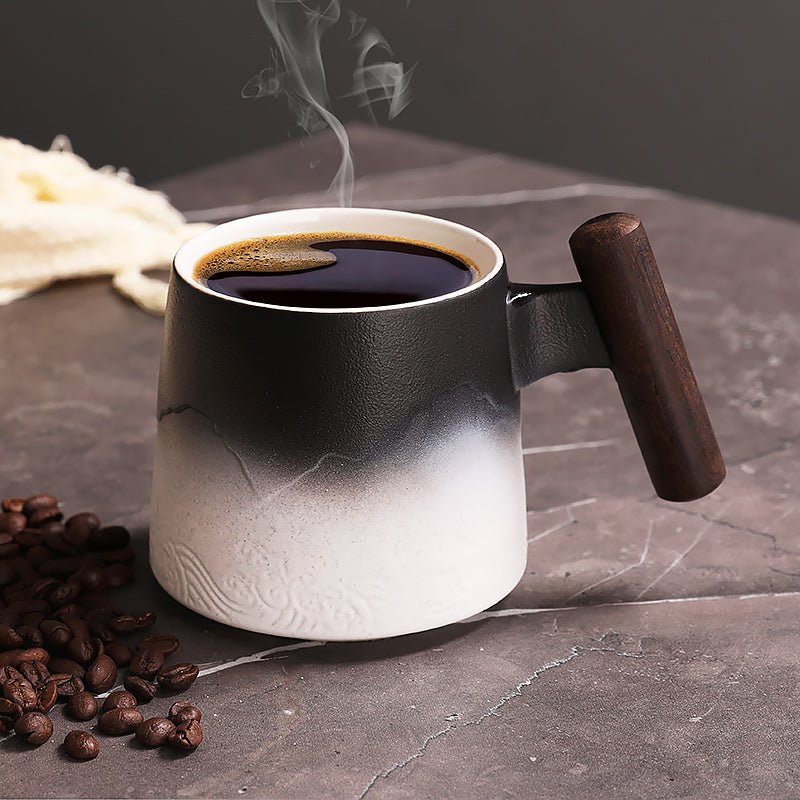
Warming Coffee Mug: What to Check Before You Buy
Reading time: about 10 minutes
A half-finished coffee sitting cold on a desk is usually not a coffee problem. It is a timing problem. We see it all the time: a shopper pours a good cup, gets pulled into email, and comes back to a drink that has gone lukewarm and flat.
That is where a warming coffee mug earns its place. But not every mug that sounds like a warm-drink solution actually works well in day-to-day use. Some hold heat better than they hold up. Some are awkward to clean. Some are fine for a quick sip and a poor fit for long desk sessions.
In our store, we think about these mugs the same way buyers do at the kitchen counter, the office desk, or during a gift unboxing: what feels good in the hand, what survives regular washing, and what actually keeps coffee pleasant long enough to drink. If you want to compare broader styles before deciding, our full mug collection is a good place to start.
What does a warming coffee mug need to do well?
A good warming coffee mug has one job: keep your drink at a comfortable sipping temperature without creating new annoyances. That sounds simple. It is not. Real use exposes the weak spots fast.
We look for three things first:
- Heat retention: A thicker ceramic wall or insulated design usually performs better than a thin novelty mug.
- Comfort: The handle should feel secure, and the lip should not be awkward or too thick for steady sipping.
- Easy care: If a mug needs special treatment every day, many buyers stop using it.
Some mugs are made for desk use with a mug warmer plate underneath. Others are meant to hold heat on their own through material and shape. Those are not the same product, and the trade-off matters. A mug that is excellent at heat retention may be heavier. A lightweight mug may feel easier in the hand but cool down faster.
If your use case is purely around the office desk, our best coffee mug warmer guide covers the warmer side of the equation. This article stays focused on the mug itself.
Which material holds heat best for daily coffee use?
Material is the first thing we check because it changes the whole drinking experience. Most shoppers are comparing ceramic, stoneware, stainless steel, and insulated double-wall builds.
| Material | What it does well | Trade-off |
|---|---|---|
| Ceramic | Neutral taste, familiar feel, good everyday use | Can cool faster if thin-walled |
| Stoneware | Often heavier and better at holding warmth | Bulkier, not ideal if you want a light cup |
| Stainless steel | Strong heat retention and durable for travel-style use | Can feel metallic and is not everyone’s favorite for coffee flavor |
| Double-wall insulated | Better temperature stability and less heat transfer to your hand | Usually costs more and may feel less traditional |
For most people, ceramic or stoneware is the most balanced choice for a warming coffee mug used at home or at a desk. It tastes neutral, handles daily coffee well, and does not require much adjustment. Stainless steel makes more sense if durability matters more than the classic mug feel. We would not recommend it to someone who wants the same sipping experience as a café mug.
One practical detail many buyers miss: mug wall thickness changes performance more than the photos suggest. A thicker mug can stay warmer longer, but it also takes longer to warm up if you are using a warmer plate. If you are comparing styles and sizes, our guides on the 8 oz coffee mug and 20 oz coffee mug help explain how capacity affects heat and drinking pace.
What size works best if you want coffee to stay warm longer?
Size affects temperature more than many shoppers expect. A smaller mug usually gives you less surface area and less volume, which can mean a faster finish and a hotter last sip. A larger mug gives you room for more coffee, but that extra volume can cool down while you are still working through it.
Here is the practical rule we use in-store:
- 8 oz to 10 oz: Best for slower sipping, espresso-based drinks, or anyone who drinks coffee in short windows.
- 11 oz to 14 oz: The most flexible range for desk use and standard drip coffee.
- 16 oz to 20 oz: Better if you pour a larger amount at once, but only a good fit if you actually finish it while warm.
If you know you tend to leave coffee sitting between meetings, a smaller warming coffee mug can actually outperform a large one because you are not trying to keep as much liquid hot for as long. That said, if you fill only half of a large mug, the coffee cools faster because of the extra air space.
For readers still deciding on size, our posts on the 8 oz coffee mug and 20 oz coffee mug are a useful side-by-side compare point.
How do you know if it will work with your desk setup or mug warmer?
Desk use is where a lot of good-looking mugs become annoying. The base may be too wide. The bottom may be uneven. The handle may crowd the warmer plate. These are the sorts of issues that do not show up in a polished photo.
Before buying, check these details:
- Base diameter: The mug should sit flat and stable on your warmer plate or table.
- Bottom finish: A smooth, even base is easier for desk use than a rough, wobbly one.
- Handle clearance: A large handle can interfere with some warmer plates or take up more desk space than expected.
- Lid compatibility: If you like to sip slowly, a lid can help hold warmth, but not every mug includes one.
We have seen buyers choose a mug for the shape and then realize it tips slightly on a flat warmer. That is frustrating, especially if the mug is used around a laptop or paperwork. A stable base matters more than decorative details when the mug lives on a work desk.
If you are shopping for the mug and the warmer together, the product pages on our products page are the best place to compare what fits your routine.
What care instructions matter if you plan to use it every day?
Daily use exposes weak finishes fast. A mug that looks fine on day one may show stains, glaze marks, or handle wear after a few wash cycles if the material or finish is not up to standard.
We advise shoppers to check for these care details:
- Dishwasher compatibility: Useful for convenience, but hand washing often helps decorative finishes last longer.
- Microwave safety: Important if you reheat coffee, though metal finishes and some insulated builds are not microwave-safe.
- Glaze quality: A smooth interior resists staining better than a rough or porous finish.
- Handle seams and edges: Clean edges tend to feel better in the hand over time.
A warming coffee mug is not always the best choice if you need something rugged for commuting. If your coffee routine moves between the car, office, and home, a to-go style may suit you better. Our best coffee togo mug guide is more relevant for that use case.
We also see buyers overlook one simple issue: staining from repeated coffee contact. Light-colored interiors can show buildup sooner, especially with dark roasts or flavored drinks. That is not a defect by itself, but it does mean the mug needs a little more attention if you want it looking fresh.
What problems show up most often in a bad warming coffee mug?
After handling enough mugs, the same issues keep coming back. They are not glamorous, but they matter more than the marketing copy.
- Heat loss too quickly: Usually happens with thin walls or oversized capacity.
- Uneven base: The mug rocks on a flat surface or warmer plate.
- Poor handle shape: The mug feels secure in photos but awkward after a few uses.
- Finish wear: Decorative coatings chip or dull after washing.
- Odor retention: Lower-quality materials can hold onto coffee smells or flavors.
These are the signs that a mug is more of a display piece than an everyday one. That is fine if that is what you want. It is not fine if you expect reliable desk use. We always tell buyers to think through the main job first: drinking coffee, not just looking good on a shelf.
For shoppers who care about the overall mug experience, our article on best coffee mug: what actually matters for daily use pairs well with this guide.
Which warming coffee mug is not the right choice for you?
A warming coffee mug is not the best answer for every buyer. We want to say that clearly because the wrong purchase is still a bad purchase, even if the category sounds convenient.
It is probably not the right pick if:
- You need a mug for constant travel or cup-holder use.
- You want something extremely lightweight for commuting.
- You prefer very large pours and do not mind drinking the last portion cooler.
- You need a mug that stays hot for a long time without any warmer plate or special setup.
For those cases, a travel mug or insulated to-go cup is usually a better fit. A warming coffee mug shines at a desk, on a kitchen counter, or next to a reading chair. It is about comfort and timing, not portability.
If you are shopping for a gift, this category also deserves a little caution. The person who loves a quiet coffee routine will appreciate it. The person who drinks on the run probably will not.
Frequently asked questions
Does a warming coffee mug keep coffee hot by itself?
It can help, but the answer depends on the material and build. A thicker ceramic or stoneware mug holds heat better than a thin novelty cup, while double-wall designs do even more. If you need coffee to stay hot for a long stretch, pairing the mug with a warmer plate is usually the more dependable setup.
Is ceramic or stainless steel better for a warming coffee mug?
Ceramic is usually better if you want a neutral taste and a classic coffee feel. Stainless steel is better for durability and heat retention, but some buyers do not like the drinking experience. If the mug will live at a desk or in the kitchen, ceramic is often the easier choice.
What size is best for desk use?
For most desks, 11 oz to 14 oz is the most practical range. It holds a normal serving without feeling oversized, and it tends to fit warmer plates and desk space better than a large mug. If you drink slowly, an 8 oz or 10 oz mug can keep the last sips more pleasant.
Can I put a warming coffee mug in the dishwasher?
Some are dishwasher-safe and some are not. We always recommend checking the care instructions for the specific mug, because printed finishes, metallic details, and certain insulated builds can require hand washing. When in doubt, a gentle hand wash helps preserve the finish longer.
What should I check before buying one for a gift?
Look at size, handle comfort, and whether the mug suits how the person actually drinks coffee. A desk user and a commuter need different mugs. If the recipient prefers taking coffee from room to room, a warmer-style mug makes more sense than a travel mug, but it should still feel comfortable in the hand.
If you want to compare options with these details in mind, start with our full collection and look for the mug size, material, and care notes that match your routine. That is the quickest way to avoid buying a warming coffee mug that only works in theory.
More from our blog
Read more

Starbucks Coffee Mugs to Go: What Buyers Should Check Before Ordering
A practical guide to choosing Starbucks coffee mugs to go with the right size, lid style, and daily-use features. We break down what works for commutes, desks, and gifting — and what to avoid if yo...
Подробнее
Coffee Portable Mug: What to Check Before You Buy
A practical buyer’s guide to choosing a coffee portable mug that fits your commute, desk, and cleaning routine. We cover lid types, insulation trade-offs, size, and the small details that matter af...
Подробнее
Оставить комментарий
Этот веб-сайт защищается hCaptcha. Применяются Политика конфиденциальности и Условия использования hCaptcha.