
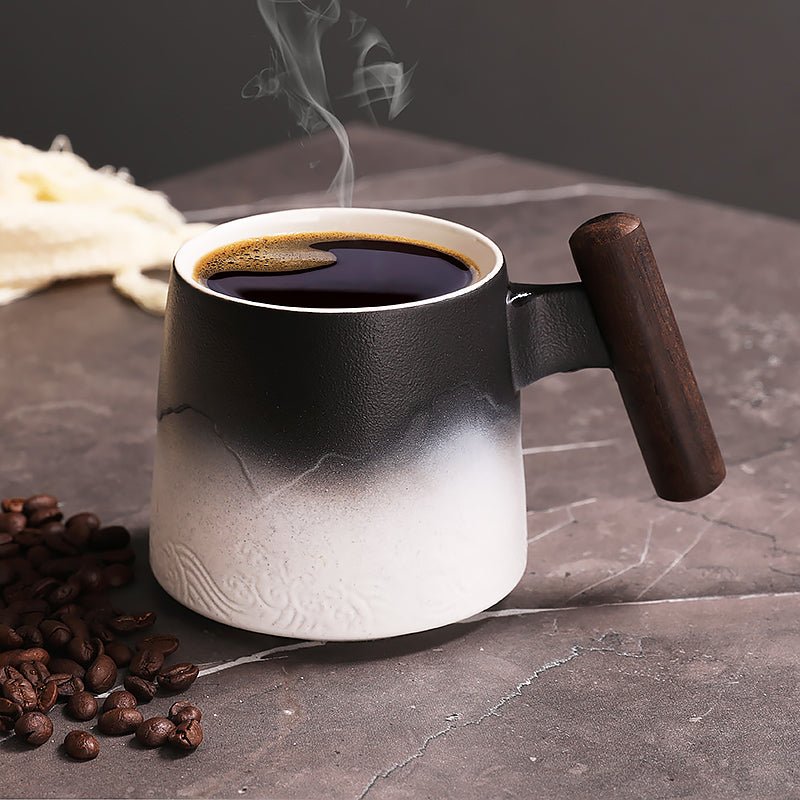
Wake & Bake Coffee Mug Buying Guide: Size, Material, and Care
Reading time: about 9 minutes
A wake & bake coffee mug has one job before the day gets busy: sit on the counter, feel easy to grab, and survive the first stretch of daily use without the print looking tired. In our store, the mugs that get the fewest complaints are usually the plain, balanced ceramic ones with a handle that clears two fingers and a rim that does not feel sharp on the first sip.
The phrase does a lot of work. For some buyers, it is the joke. For others, it is the whole morning ritual. Either way, the mug still has to earn its place near the coffee maker, on the office desk, or in a gift box that gets opened before breakfast.
If you want the shorter checklist first, our earlier article, Wake and Bake Coffee Mug: What to Check Before You Buy, covers the essentials. This guide goes deeper on the details that matter once you start comparing actual mugs.
What should a wake & bake coffee mug actually do?
It should be comfortable before it is clever. A novelty line on the side does not help if the mug is awkward to hold, unstable on a crowded counter, or too small for the coffee you drink every morning. We look at this category the same way we look at any daily-use mug: shape first, print second, and care instructions third.
The best version of this mug is the one you will keep reaching for. That usually means a standard cylindrical body, a handle that is large enough for a full grip, and a base that sits flat without wobbling. A tapered mug can look nice in photos, but a wider, straighter shape is often easier to fill under a drip machine and easier to rinse at the sink.
This is also where buyer intent matters. If you want a playful desk mug, a printed ceramic option makes sense. If you want something for the car, a wake & bake coffee mug is not the right format. A travel tumbler or insulated cup will be a better fit because the lid and heat retention matter more than the joke.
Which size makes the most sense: 10 oz, 11 oz, or 12 oz?
Size decides whether the mug feels generous or cramped. We see most shoppers settle into one of three buckets, and each one has a different use case.
| Size | Best for | What to watch |
|---|---|---|
| 10 oz | Smaller coffee pours, espresso drinks, or buyers who like a compact hand feel | Less room for milk, foam, or a larger home brew |
| 11 oz | Standard drip coffee and the most common everyday format | Usually the safest middle ground for most kitchens |
| 12 oz | People who want extra room for cream, hot chocolate, or a bigger pour | Can feel bulky if you have small hands or a shallow cabinet shelf |
If you are comparing tighter and roomier options, our 10 oz coffee mug guide is useful for smaller servings, while the 11 oz coffee mug guide is the best reference for a standard daily mug. For buyers who want more space around the pour, the 12 ounce coffee mug buying guide explains where the larger format works and where it starts to feel oversized.
Our shorthand is simple: if you are unsure, 11 oz is usually the safest starting point. It fits most drip coffee routines without feeling small, and it does not take up much extra space in a cupboard or dishwasher rack.
Is ceramic the best material for this kind of mug?
For a wake & bake coffee mug, ceramic is usually the most practical choice. It holds heat reasonably well, it feels familiar in the hand, and it gives printed artwork a clean surface. Stoneware is the heavier cousin: thicker walls, a more rustic feel, and a bit more heft on the table. That can be nice, but it also means more weight and a bigger footprint in the cabinet.
We rarely recommend metal for this category unless the buyer specifically wants a travel mug. Metal changes the feel of the drink, and it does not suit the classic countertop mug experience. Glass can look sharp, but it tends to be less forgiving in daily use and is not the first choice if the mug will live near a busy sink or be grabbed half awake before coffee has cooled a little.
Three concrete details matter here:
- Wall thickness: a thicker mug feels sturdier, but it can make the cup heavier and slower to warm up.
- Rim finish: a smooth, even rim gives a better sip than a rough edge or uneven glaze line.
- Handle clearance: enough space for two fingers is the difference between easy and cramped.
If you want a broader everyday comparison, our Mug & Cup Coffee Buying Guide for Everyday Use covers the basic trade-offs between common mug styles and is a good companion read before you buy.
What print and finish details are worth checking?
This is where a mug either feels like a keeper or starts to look cheap after a few weeks. A good novelty mug should have centered artwork, clear lettering, and a finish that does not fight the design. A clean print makes the whole piece feel intentional; a crooked one makes the mug look rushed, even if the ceramic itself is fine.
We pay attention to a few failure modes because they show up in real kitchens, not just product photos:
- Faded or patchy print after repeated washing.
- Pinholes or tiny glaze dots that catch the eye near bright artwork.
- Off-center handles or graphics that make the mug feel awkward in the hand.
- Rough rim or foot ring that suggests sloppy finishing.
Glossy mugs usually show artwork clearly and rinse easily. Matte finishes can look more premium in photos, but they may show scuffs sooner and sometimes feel less forgiving if the mug gets stacked with other dishes. Neither finish is automatically better. The right choice depends on whether you care more about a clean display piece or a hard-working daily cup.
Our rule is simple: if the mug looks good only from one angle, keep looking.
For shoppers who want to compare against our full range before picking a style, the fastest place to browse is the products page or the full all collections page.
What makes it a good gift, and who should skip it?
A wake & bake coffee mug works best as a gift when the buyer knows the person will appreciate the humor and use the mug often. It is a solid choice for a friend who drinks coffee every morning, likes playful kitchen items, or enjoys novelty pieces that still function like a normal cup. It also works well for gift unboxings because the message is clear right away.
It is not the right pick for every situation. We would skip it for a conservative office gift exchange, a formal host gift, or anyone who prefers plain mugs with no printed message. It is also not a good match if the recipient wants a travel mug, a lidded cup, or a mug that stays hot for a long commute. The novelty is the point, and that makes it less versatile than a plain ceramic cup.
If you are buying for someone else, ask yourself three quick questions:
- Will they actually use a printed mug on their desk or kitchen counter?
- Do they usually drink a standard 10 oz to 12 oz serving, or do they prefer a larger insulated cup?
- Is the humor likely to land in their home or workplace?
If any of those answers are shaky, a more neutral mug may be the safer choice.
How should you care for it so the design lasts?
Care is where many novelty mugs get downgraded too early. A printed ceramic mug can hold up well, but only if the finish and the wash routine are reasonable. The safest habits are boring, and they work.
- Wash the mug before first use so any packing residue or dust is gone.
- Use a mild detergent and a soft sponge instead of a metal scrubber.
- If the listing says dishwasher-safe, the top rack is still the lower-stress option.
- If the listing says microwave-safe, use short heating bursts and avoid empty reheating.
- Do not move a hot mug straight to cold water; thermal shock can stress ceramic and glaze.
- Dry the rim and base after washing so water spots do not build up around the foot ring.
The biggest limitation is simple: a novelty mug is still a mug. It is not built for rough handling, stacked pressure, or repeated drops from a crowded sink edge. If you want something for heavy-duty use, an insulated travel cup will usually be the better investment. If you want a countertop mug that can handle normal daily coffee, ceramic is the right lane.
Frequently asked questions
What size wake & bake coffee mug should I buy?
For most buyers, 11 oz is the safest middle ground. It handles a standard drip coffee pour without feeling cramped, and it still fits most cabinets and dishwasher racks. Choose 10 oz if you prefer smaller servings or espresso-based drinks, and 12 oz if you like extra room for milk or cream.
Is a ceramic wake & bake coffee mug dishwasher-safe?
Many ceramic mugs are dishwasher-safe, but you should always follow the listing for the exact finish and print method. If the mug has a detailed graphic, the top rack is the gentler choice. Hand washing is still the safest option if you want the print to stay crisp for as long as possible.
Is this a good office mug?
Only if your workplace is comfortable with the joke. In a casual office, it can be a fun desk mug and an easy conversation starter. In a more formal environment, a plain ceramic mug is the safer pick.
What should I check before buying a printed novelty mug?
Check the size, handle clearance, rim finish, and care instructions first. Then look at whether the print is centered and whether the mug is meant for dishwasher or microwave use. Those details matter more than the novelty line itself because they tell you how the mug will behave in real daily use.
Is a wake & bake coffee mug a bad choice for travel?
Yes, if you mean commuting or carrying coffee in a car. A standard ceramic mug is built for the counter, not the cup holder, and it does not have a lid or insulation. For travel, an insulated tumbler is the better tool.
If you are ready to compare options, use the checklist above, then browse our products page or the full all collections page to match the mug to the way you actually drink coffee.
More from our blog
Read more
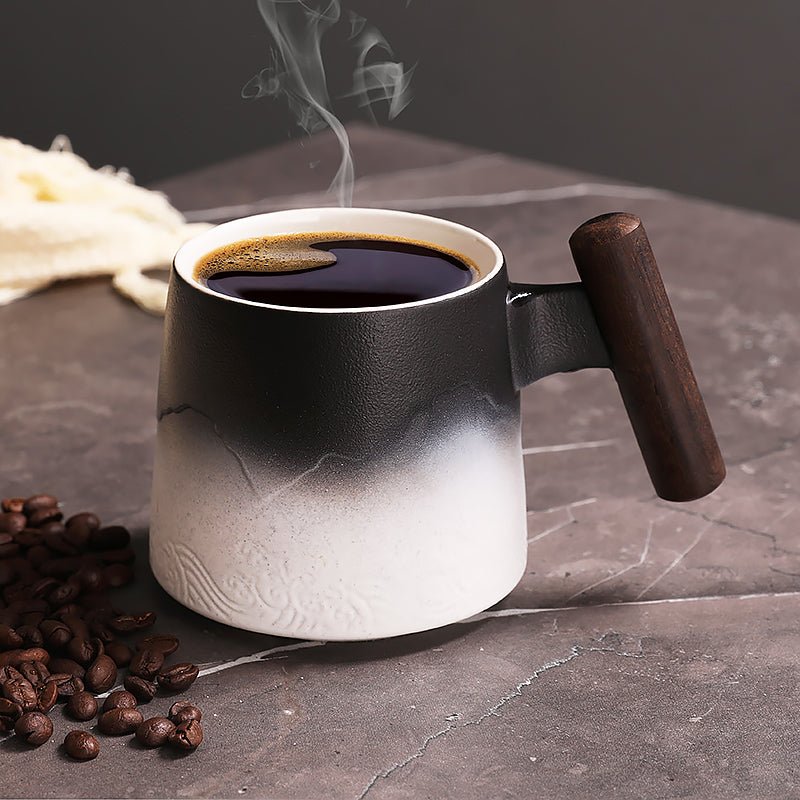
Pink Coffee Mugs: Size, Finish, and Buying Guide
Pink coffee mugs can be soft and subtle or bold and glossy, but the right pick depends on size, finish, and how you actually use it. Here’s what we check in our store before we recommend one.
Подробнее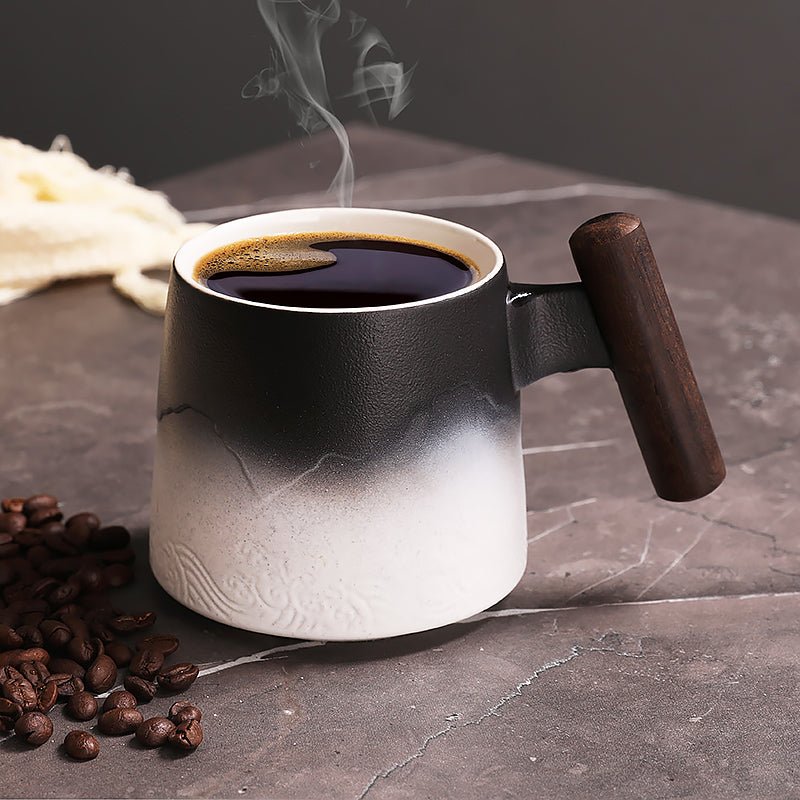
Pioneer Woman Coffee Mugs: Size, Style, and Buying Guide
A practical guide to pioneer woman coffee mugs, with the size, material, and care details that actually affect daily use. Use it to compare comfort, cleanup, and giftability before you buy.
Подробнее
Оставить комментарий
Этот веб-сайт защищается hCaptcha. Применяются Политика конфиденциальности и Условия использования hCaptcha.