
Unique Coffee Mug Holders: How to Choose the Right Display and Storage
Reading time: about 9 minutes
The first sign a mug holder is wrong is simple: a handle catches the rack, the bottom of a mug bumps another mug, or the whole setup eats half the counter. We see that problem often in kitchens, office break rooms, and gift-unboxing displays, and it usually comes down to choosing a holder that looks nice but does not match the way the mugs are actually used.
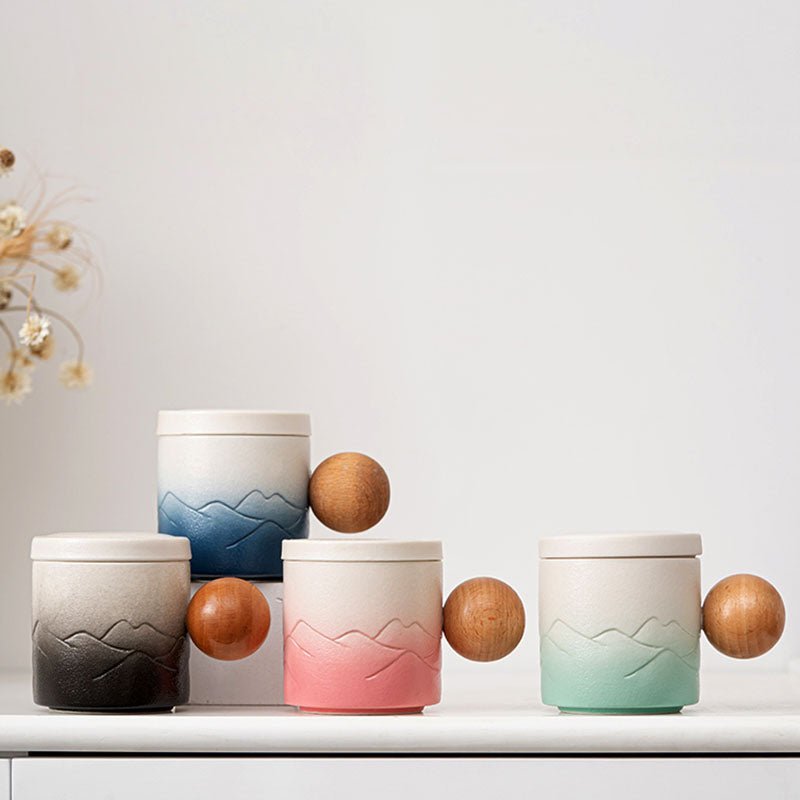
Unique coffee mug holders should solve a storage problem first and a style problem second. If you want something that feels useful every morning, start with the space you have, the mug shapes you own, and how often you reach for them. If you want a quick visual reference for the kinds of mugs people tend to showcase on open storage, browse our collection of mugs and the pieces that show best on open shelves and hooks.
What makes a mug holder actually useful in daily use?
A holder looks good in a product photo; it works only if it fits the reality of your routine. In our experience, the best setups are the ones that let you grab a mug with one hand, return it without juggling, and clean around it without moving half the kitchen.
There are a few details we always check before recommending any holder style:
- Hook spacing: if hooks sit too close together, larger handles will scrape each other and make the rack feel crowded.
- Weight support: a stand or wall rack should feel steady when a heavier ceramic mug is hanging from one side.
- Clearance: under-cabinet holders need enough room so the mug base does not bump the counter or backsplash.
- Reachability: if you have to move a mug tray to get to one cup, the system is already working against you.
That is why we separate display storage from everyday storage. A decorative holder is great for a favorite set near the coffee machine. It is not the best choice if you are trying to hold a large rotation of mismatched mugs for a busy household.
Which holder style works best for your space?
The right style depends on where the mugs will live. A small apartment kitchen, a larger pantry wall, and a home office desk all call for different solutions. This is where many shoppers overbuy the wrong type, then end up with something that looks curated but behaves like clutter.
| Holder style | Best for | Trade-off |
|---|---|---|
| Wall-mounted rack | Counter space you want to keep clear | Needs secure installation and a wall you can drill into |
| Under-cabinet hook rail | Small kitchens and easy access | Works best with cabinets that have enough underside clearance |
| Mug tree or stand | Countertop displays and gift setups | Takes up surface area and can feel crowded with oversized mugs |
| Open shelf with front-facing mugs | Decorative collections | Less secure if your kitchen gets a lot of movement |
| Tray or riser display | Office corners and coffee bars | Good for showing off a few pieces, not for high-capacity storage |
If you are choosing between these, our advice is plain: pick the holder that makes the mugs easier to use, not the one that fits the most mugs on paper. A wall rack can be excellent for frequent use, but if you rent and cannot install it securely, a stand is the more practical call.
For buyers trying to match style with space, our guide on Coffee Mug Holders: How to Choose the Right Style for Your Space covers the same decision from a layout-first angle.
What materials and construction details should you check?
Material choice affects stability, cleaning, and how long the holder stays attractive. We look at the finish, the joints, and the contact points because those are the places where cheaper holders usually fail first.
Concrete details matter here:
- Metal racks: good for strength, but the finish should resist chipping where hooks meet the frame.
- Wood stands: warm and decorative, but they need a stable base and smooth pegs so mug handles do not wear.
- Coated or painted surfaces: easy to match to a kitchen, but weak coating can scratch at the hook ends after repeated use.
- Base design: a wide base helps prevent tipping when one side is loaded first.
We also look for how the holder will be cleaned. A wall rack or hook rail should be easy to wipe down near coffee grounds and steam. A wooden mug tree will usually need gentler care than a powder-coated steel rack. That trade-off is worth accepting if the look is right, but it should be a conscious choice, not an afterthought.
Some holders are simply not a good fit for very heavy ceramic mugs, oversized handles, or frequent rearranging. If your collection is mostly bulkier mugs, choose a sturdier frame and fewer decorative details. Delicate scrollwork may look refined, but it can get in the way of larger handles.
How do unique mugs change the holder you should buy?
Mug shape changes everything. A holder that works for standard straight-sided mugs can become awkward the moment you add a wider body, a sculpted handle, or a taller silhouette. That is especially true if you display mugs instead of hiding them in cabinets.
Some mugs deserve open storage because they look better in plain view. If you want examples that pair well with a display-first setup, take a look at the Elk and Moon Coffee Tea Mug, the Koi Fish Coffee Tea Mug, and the The Crane Coffee Tea Mug. These are the kinds of mugs customers tend to keep visible rather than bury in a cabinet.
That said, open display is not for every mug or every home. If a mug is used mainly for commuting, stuffed into a crowded sink, or stacked tightly with others, a display holder is not the best answer. A cabinet organizer or simple shelf may be more durable and less fussy. The point is to match the holder to the mug, not force the mug to fit the holder.
For shoppers comparing the mug side of the decision, our article on Unique Coffee Cups: How to Choose a Mug That Fits Real Daily Use is a useful companion read.
Which holder setup works best for kitchens, offices, and gifts?
Different buying situations need different priorities. We see three common use cases again and again.
- Kitchen counters: choose something sturdy, easy to clean, and compact enough to live near the coffee maker without blocking other tasks.
- Home offices: pick a smaller display or single-row hook setup so the mugs feel intentional, not cluttered.
- Gift displays: use a holder that makes the mug look ready to unwrap, especially if you are pairing it with tea, coffee, or a note card.
A counter display can make a daily ritual feel better. But if your counter already holds a grinder, kettle, and dish rack, a stand may become one more object to wipe around. In that case, wall-mounted storage usually gives a cleaner result.
If you are still deciding on style, our post Coffee Mug Holders: How to Pick the Right Style for Your Space is a good follow-up because it focuses on the practical layout side rather than just the look.
How do you keep the holder looking good after real use?
The first month is easy. The real test is what happens after daily coffee, steam, fingerprints, and one or two rushed mornings. A good holder should still look clean after repeated use, and the finish should hold up without constant fuss.
Our store team pays attention to a few common wear points:
- Hook tips can rub if mugs are removed roughly every day.
- Wood bases can show water marks if they sit too close to the sink.
- Painted surfaces can chip where the mug handle touches the frame.
- Loose joints can develop a slight wobble if the holder is moved often.
Simple maintenance keeps most setups in good shape. Wipe the rack regularly, keep it out of splash zones if it is wood, and avoid loading it with more mugs than the design can comfortably hold. If you need something that can live near a sink and take more abuse, choose a simpler metal structure over a decorative stand.
This is also where buying fewer but better pieces pays off. A clean display with three mugs you actually use often looks better than a packed rack that feels busy every time you reach for one cup.
What should you compare before you buy?
If you want the short version, compare the holder the same way you would compare a piece of daily-use kitchen gear. Style matters, but fit and durability decide whether you keep using it.
- Measure the space first: under-cabinet height, wall width, and countertop depth all matter.
- Check mug size and handle width: oversized or sculpted mugs need more room than standard mugs.
- Decide on display versus storage: if you want the mugs hidden, a holder may not be the right category at all.
- Choose a finish you can maintain: metal is usually easier to wipe, while wood needs more care.
- Think about daily access: the best holder is the one you will still enjoy using six months from now.
If you are comparing products for a new coffee corner, start with the mugs you want to feature, then choose the holder around them. That order prevents the most common mistake we see: buying a decorative rack first and discovering later that the mugs you own do not sit well on it.
Frequently asked questions
How many mugs should a coffee mug holder hold?
Enough for your actual routine, not the largest number the packaging suggests. For most homes, a smaller holder that stores everyday mugs is more useful than a large rack filled with rarely used extras. If the holder feels crowded with the mugs you use most, it is too small for your setup.
Are wall-mounted mug holders better than countertop stands?
Wall-mounted holders are better if you want to free up counter space and have a wall you can securely install into. Countertop stands are better for renters, small displays, or setups you may want to move later. The better choice depends on whether permanence or flexibility matters more.
Can I use a coffee mug holder for heavy ceramic mugs?
Yes, if the holder is stable and built for the weight. Check the base, hook strength, and overall balance before loading heavier mugs. A lightweight decorative stand is not the right choice for bulky ceramics that get used every day.
What is the easiest mug holder to clean?
Usually a simple metal rack or hook rail with a smooth finish. These wipe down faster than carved wood or ornate pieces with tight corners. If your coffee setup is near splashes or spills, easy cleaning should matter as much as appearance.
Do unique coffee mug holders make sense as gifts?
Yes, if the recipient actually keeps mugs on display or has a dedicated coffee corner. They are a stronger gift choice when paired with a mug that feels collectible or decorative. If the person prefers closed cabinets and minimal surfaces, a holder may be the wrong gift category.
If you are ready to narrow it down, compare your space against the holder styles above, then browse our full mug collection to find pieces that are worth displaying instead of hiding away.
Read more
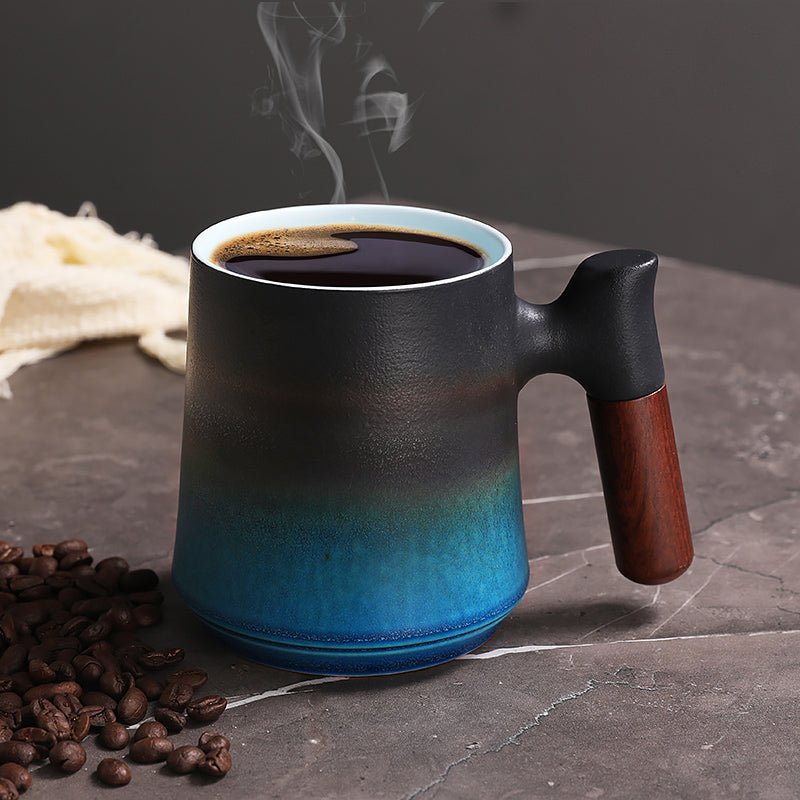
Spill Resistant Coffee Mug Buying Guide for Everyday Use
A practical guide to choosing a spill resistant coffee mug for desks, kitchens, and gifts, with the shape details and trade-offs we check before we recommend one.
Подробнее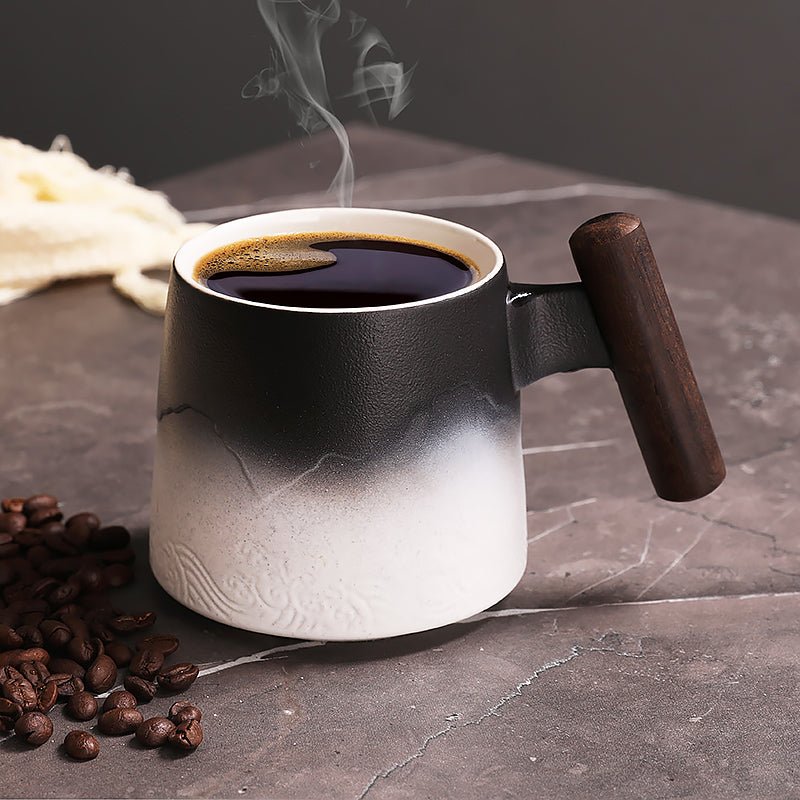
Bodum Coffee Mug Buying Guide: What to Check Before You Buy
A practical guide to choosing a bodum coffee mug, with real fit, material, and care trade-offs. Compare styles, check sizing, and see which options make sense for daily use.
Подробнее
Оставить комментарий
Этот веб-сайт защищается hCaptcha. Применяются Политика конфиденциальности и Условия использования hCaptcha.