
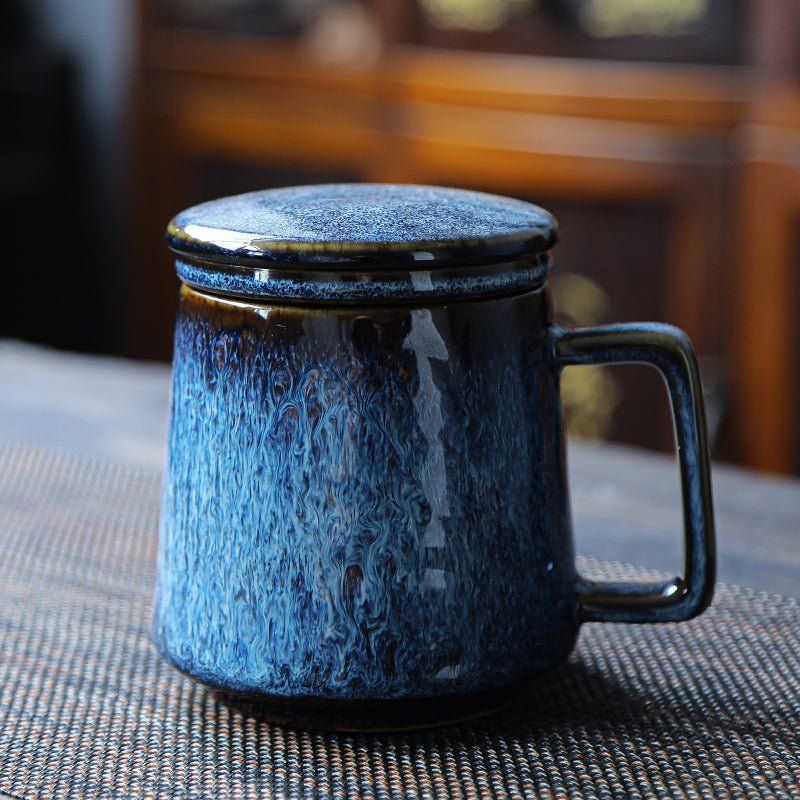
Under Counter Coffee Mug Rack Buyer’s Guide for Real Kitchens
Reading time: about 9 minutes
The first thing we notice with an under counter coffee mug rack is not the rack itself. It is the cabinet clearance, the mug handle shape, and whether the coffee machine still fits underneath.
That is what decides if the setup feels tidy or becomes a daily annoyance. In our store, we see buyers choose this style because they want cups close to the brewer, off the counter, and easy to grab before work. We also see the mistakes: hooks that are too short for thick handles, racks installed where the mug rims bump into a backsplash, and finishes that look fine in photos but show wear after a few dishwasher cycles.
If you are comparing options, our goal here is simple: help you buy the right under counter coffee mug rack the first time. For a broader overview of materials and fit, our under cabinet coffee mug rack buying guide: fit and materials goes deeper on the basics.
What should an under counter coffee mug rack solve in your kitchen?
A good under counter setup should free counter space without slowing down your routine. That sounds obvious, but the best rack is the one that makes your coffee station easier to use every morning, not just prettier in a photo.
We usually see this style work well in three situations:
- Small kitchens where every inch of counter space matters.
- Shared offices where mugs need a designated spot instead of getting mixed in a cabinet.
- Homes with a dedicated coffee corner where mugs should sit directly above the brewer or grinder.
The trade-off is that this is not the right storage style for oversized travel mugs, very heavy stoneware, or awkward handmade handles. If your mugs are deep, wide, or irregular, a shelf-style or wall-mounted option may be more forgiving. Our coffee mug rack guide: materials, fit, and storage choices compares those formats in practical terms.
How do you measure cabinet clearance before you buy?
Measure before you shop. That is the difference between a rack that feels custom and one that forces you to rearrange your whole station.
We recommend checking these points in order:
- Measure the flat underside of the cabinet, not just the visible face frame.
- Check how far the rack will hang down and compare that with your mug height.
- Leave room for the mug handle to swing clear of the cabinet edge and backsplash.
- Confirm that your coffee maker, kettle, or grinder still fits beneath the lowest mug.
For everyday mugs, the handle is the key detail people miss. A 10 oz mug can still have a bulky handle, while an 11 oz or 12 ounce mug may need more drop space than the body size suggests. If you are matching storage to drinkware, our size guides for 10 oz coffee mug: size, fit, and what to check before you buy, 11 oz coffee mug: size, fit, and what to check before you buy, and 12 ounce coffee mug buying guide: size, fit, and best uses are useful references.
One more practical check: if your cabinet has trim, crown molding, or a lip at the front edge, do not assume the rack will sit flush. That small difference can affect both installation and how freely mugs swing when you take one down.
Which materials hold up best under a cabinet?
Material choice matters more than most product listings admit. Under a cabinet, the rack sees repeated movement, kitchen steam, and the occasional bump from a mug being hung too quickly.
| Material | What it does well | What to watch for |
|---|---|---|
| Powder-coated metal | Usually the best all-around choice for daily use, especially if you want a clean look and easy wiping. | Look closely at welds, hook spacing, and coating edges so the finish does not chip early. |
| Stainless steel | Good for a modern kitchen and generally easy to clean with a damp cloth. | Fingerprints show more easily, and the fit still matters more than the finish. |
| Wood | Works well when you want a warmer look that matches cabinetry. | Wood is less forgiving around steam and splashes, so sealing and care matter. |
| Plastic or lightweight composite | Useful for very light mugs or temporary setups. | Not our first choice for long-term use or heavier ceramic mugs. |
In our experience, the details that separate a good rack from a frustrating one are not flashy. They are the hook thickness, the spacing between hooks, and whether the mounting points feel solid instead of flexy. Cheap racks often show their weaknesses in the first week: hooks that lean, screws that strip, or a bar that rattles when you remove a mug.
If you want the category-level breakdown before narrowing down to one shape, the hanging coffee mug rack: fit, materials, and buying guide is a useful companion read.
What features matter most for daily use?
For daily use, simple usually wins. The best under counter coffee mug rack is not the one with the most hooks or the most elaborate shape. It is the one that keeps mugs accessible without creating extra cleaning or setup work.
- Hook spacing: Too tight, and handles knock into each other. Too wide, and you waste cabinet space.
- Mounting style: Screw-mounted racks usually feel more secure than friction-only designs, especially with ceramic mugs.
- Finish quality: Smooth edges matter. Rough hook ends can chip mug glaze over time.
- Ease of cleaning: A quick wipe should be enough. Deep grooves and ornate frames collect dust and coffee residue.
- Weight capacity expectations: Even without published load data, you can usually tell a sturdier rack by the thickness of the bar and the quality of the fasteners.
We also look at how the rack behaves in real life. If a mug hangs crooked, if the handle twists against the adjacent cup, or if the whole rack sways when you remove one cup, that is a sign the design is not suited to everyday kitchen use. For households that use the same two or three mugs repeatedly, a compact rack can be perfect. For a bigger collection, you may be better off with a wider wall or shelf solution instead.
Should you choose hooks, a rail, or a larger storage system?
This is where buyers save money by being honest about how they actually use mugs.
A hook-style under counter rack works best if you want fast access and a small footprint. A rail with multiple hooks can handle a little more variety, but it still depends on uniform mug handles. A larger storage system makes more sense when the collection includes tall mugs, seasonal mugs, or mixed ceramic and glass pieces.
Here is the practical rule we use:
- Choose hooks if you use the same everyday mugs and want them close to the brewer.
- Choose a wider under cabinet rail if you need to store several mugs but still want a neat, visible display.
- Choose a cabinet shelf or open shelf if your mugs are heavy, oversized, or decorative.
There is a limitation buyers should not ignore: an under counter coffee mug rack is not ideal if your cabinet is very shallow. In that case, the mugs can hang too close to the counter or the appliance below. It can also be the wrong fit if you have a low backsplash, because mugs may collide with the wall as they swing.
If you are comparing hook-based options specifically, our coffee mug hooks under cabinet: what to check before you buy covers the small details that determine whether a setup feels stable or annoying.
How do you keep the rack and mugs in good condition?
Maintenance is simple, but only if you stay ahead of residue and wear. A rack near the coffee station picks up steam, dust, and occasional coffee drips.
Our store advice is straightforward:
- Wipe the rack with a soft damp cloth on a regular schedule.
- Dry it after cleaning so moisture does not linger around screws or joints.
- Check fasteners every so often, especially after the first few weeks of use.
- Avoid hanging mugs that are still wet on the outside if the finish is sensitive.
For wooden racks, use only the care method recommended by the finish. For metal racks, avoid abrasive pads that can scratch coating or exposed steel. For painted finishes, the common failure mode is edge wear where mugs contact the hook repeatedly. That does not mean the rack is defective. It means the material and use pattern need to match.
Our experience is that a well-made rack rarely fails all at once. It usually starts with a loose screw, a scuffed coating, or a hook that no longer sits square. Those are the warning signs to watch for.
What should you compare before adding one to cart?
If you are shopping for an under counter coffee mug rack right now, use a simple checklist. It will save you from choosing based on photos alone.
- Cabinet depth: Confirm the rack will not crowd the counter or the appliance below.
- Mug type: Check the handle shape on your heaviest daily mugs.
- Material: Match the finish to the level of steam, use, and cleaning you expect.
- Mounting: Decide whether you want a more permanent setup or something that is easier to move.
- Storage goal: Ask whether you want quick access, display value, or maximum capacity.
If you want to browse our current selection, start with our products page or look through the full collection to compare styles side by side. That is usually the easiest way to see whether you need a compact hook setup or a larger mug storage solution.
For shoppers who want a single decision rule, we use this one: if the rack fits your cabinet, supports your mug handle shape, and leaves the coffee station easier to use every morning, it is the right choice. If any one of those three fails, keep looking.
Frequently asked questions
Will an under counter coffee mug rack fit large ceramic mugs?
Sometimes, but not always. Large ceramic mugs often have thick handles and more weight than standard cups, so you need extra clearance and sturdier hooks. If the mug is tall or unusually shaped, measure the handle swing and the drop height before buying.
Can I install an under counter coffee mug rack on any cabinet?
No. Thin cabinet bottoms, damaged surfaces, or cabinets with a trim lip can make installation unreliable. Solid, flat cabinet undersides are the safest fit, and you should always check for interference with lighting, appliance clearance, and backsplash space.
Is a hook-style rack better than a shelf for coffee mugs?
For quick access, yes. Hook-style storage keeps mugs visible and close to the coffee maker. A shelf is better if your mugs are heavy, oversized, or mixed in shape, because it gives you more flexibility and less handle-related fit risk.
How many mugs should I store on one rack?
Store only what the rack can handle comfortably without mugs touching each other. The right number depends on hook spacing, mug size, and how often you reach for each cup. If the mugs crowd each other, the rack is too small for your actual use.
What is the best way to clean a coffee mug rack under a cabinet?
Use a soft damp cloth, then dry it. Avoid abrasive scrubbers because they can damage powder coat, paint, or wood finishes. If the rack sits above a busy coffee station, clean it regularly so steam and residue do not build up.
If you are ready to compare options, start with the fit and material checklist above, then browse our full collection to match your cabinet depth, mug size, and daily routine.
Read more
Ozark Trail Coffee Mug: What Buyers Should Check Before Choosing
A practical buyer’s guide to Ozark Trail coffee mug options, with the size, material, lid, and care details that matter before you order. We also compare common trade-offs so you can choose the rig...
Подробнее
Picture Coffee Mug Buying Guide: Size, Print, and Care
A picture coffee mug looks simple, but print quality, mug size, and wash care decide whether it still looks good after daily use. We break down what to check before you buy and where a photo mug wo...
Подробнее
Оставить комментарий
Этот веб-сайт защищается hCaptcha. Применяются Политика конфиденциальности и Условия использования hCaptcha.