
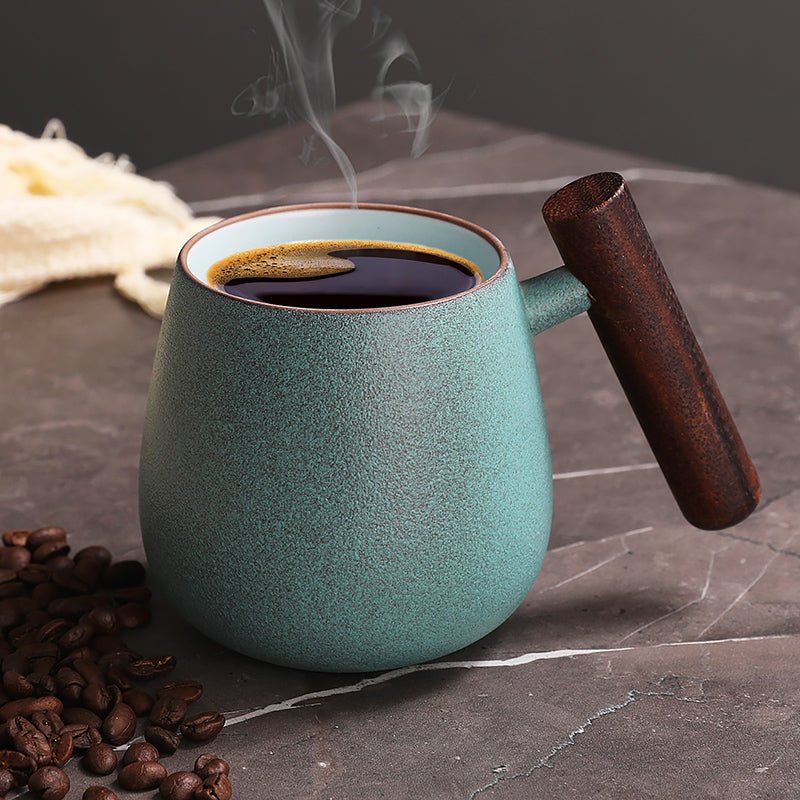
Typical Coffee Mug Size: What Buyers Should Expect Before Ordering
Reading time: about 9 minutes
A mug that looks perfect online can feel too small the first time you pour a full coffee and realize the cream leaves no room. We see that mismatch a lot: shoppers want the typical coffee mug size, but what they really need is the mug that fits their drink, their machine, and the way they actually use a cup at home or at work.
In our store, we pay attention to details that affect daily use, not just shelf appeal. Handle clearance, rim width, wall thickness, and whether a mug sits comfortably under a drip machine matter just as much as ounce capacity. If you are comparing options, the right answer is usually less about a single “standard” and more about how the mug performs in real life.
For a broader buying overview, our full mug collection is the quickest place to compare shapes and capacities side by side. If you want product examples with different profiles, the Pleated Coffee Tea Cup, Golden Waves Kio Coffee Tea Mug, and The Flow Coffee Tea Mug show three different takes on everyday sizing.
What is the typical coffee mug size buyers should expect?
The typical coffee mug size is usually 8 to 12 oz, with many everyday mugs landing around 10 to 11 oz. That range covers a standard black coffee, a cappuccino with some foam, or a small latte without forcing the cup to overflow.
There is a practical reason that range stayed common. It works for a lot of coffee routines without making the mug bulky, heavy, or awkward in the hand. A smaller mug can feel more refined and is easier to store. A larger mug gives you more room for milk, creamer, or a longer drink, but it can also feel oversized on a compact desk.
We usually think about mug size in three buckets:
- 6 to 8 oz: better for espresso drinks, tea, or small servings.
- 10 to 12 oz: the most common everyday coffee range.
- 14 oz and up: useful for larger pour sizes, but not ideal if you prefer a lighter cup.
If you want a deeper breakdown of capacities, our article Coffee Mug Oz Guide: How to Choose the Right Size Before You Buy covers the ounce ranges in more detail.
Why does the same mug size feel different from one cup to another?
Two mugs with the same ounce capacity can feel very different in use. One may be short and wide, another tall and narrow. The tall version can feel more secure under a coffee station, while the wider version may cool faster because it exposes more surface area.
Material matters too. Ceramic and stoneware are common because they hold heat reasonably well and feel solid in the hand. Thin ceramic can feel lighter and more elegant, but it is easier to chip if it gets knocked against a sink edge. Thicker walls usually feel sturdier, though they can add weight.
These are the details we check when we inspect a mug for daily use:
- Rim shape: a smooth, slightly rounded rim usually drinks better than a sharp one.
- Handle clearance: fingers should fit comfortably, especially if the mug is used for hot drinks every day.
- Base stability: a flat, even base matters on office desks and crowded counters.
- Finish: glossy glazes often wipe clean easily, while textured surfaces can show fingerprints or need more care around the handle.
These are small differences on paper. In practice, they decide whether a mug feels good every morning or gets pushed to the back of the cupboard.
Which mug size works best for coffee, lattes, tea, and desk use?
The right size depends on the drink and the setting. A mug that is ideal for black coffee may not be the best choice for a milk-based drink, and a cup that works at home may be annoying on a desk with limited space.
| Use case | Best size range | Why it works |
|---|---|---|
| Black coffee | 8 to 10 oz | Keeps the cup compact and the drink hot without too much empty space. |
| Latte or cappuccino | 10 to 12 oz | Leaves room for milk and foam without feeling oversized. |
| Tea or herbal blends | 10 to 12 oz | Good balance of capacity and comfort for longer sipping. |
| Office desk use | 10 to 11 oz | Less likely to crowd notebooks, keyboards, or a small tray. |
| Large pours or long drinks | 12 to 14 oz | Useful if you refill less often, but heavier when full. |
A common mistake is buying a larger mug because it sounds more practical. That works if you really drink a big volume of coffee. It does not work well if you hate lukewarm coffee, have small hands, or want the mug to fit under a compact coffee maker.
If your priority is a mug that feels easy to hold and still looks polished on a table, the The Flow Coffee Tea Mug is a useful reference point. For a more decorative shape that still stays in everyday territory, the Golden Waves Kio Coffee Tea Mug is worth comparing.
What should you check before ordering a mug online?
Photos can hide a lot. A mug that looks generous in a styled kitchen shot may be smaller than you expect once it is sitting next to a spoon or a coffee bag. Before ordering, we recommend checking the practical details that affect real use.
- Look at the capacity in ounces. Do not rely on the product name alone.
- Check the mug height and width. This tells you whether it will fit under a machine or in a cabinet.
- Read the material description. Ceramic, stoneware, and porcelain each have a different feel and weight.
- Check care notes. Dishwasher-safe mugs are simpler for daily use, but handwashing may still be better for highly detailed finishes.
- Pay attention to the handle. A beautiful mug is frustrating if the handle is too tight for comfortable use.
We also suggest thinking about what the mug is not good for. A smaller 8 oz cup is not the right pick if you want a big travel-style refill. A 14 oz mug is not the best choice if you want a light cup for quick espresso drinks. A decorative finish may look great on a gift shelf but show wear faster if you run it through the dishwasher every day.
If your main question is how size fits a specific buying use, the article Coffee Mug Size Guide: How to Choose the Right Fit Before Buying is a helpful companion read.
How do our product examples compare on size and feel?
We like to compare mugs by how they behave in a real kitchen, not just by their capacity label. The Pleated Coffee Tea Cup is the sort of cup that makes sense if you want a compact, controlled pour and a shape that looks tidy on a small tray. The ridged exterior also gives the hand a little more grip than a perfectly smooth wall.
The Golden Waves Kio Coffee Tea Mug is the kind of piece that tends to appeal to gift buyers because it feels more decorative without leaving the everyday mug category. That matters if the mug will be unboxed on a desk or given as a housewarming gift where presentation matters as much as size.
The Flow Coffee Tea Mug is a better fit for buyers who want a smoother, more minimal look. That style often works in a shared kitchen because it does not fight with the rest of the table setting. It is also the kind of mug that usually feels easier to mix into an existing set.
None of these styles is automatically better. The right one depends on whether you care more about grip, visual detail, or a clean everyday profile.
What mistakes do buyers make with mug size?
The most common mistake is treating all coffee mugs like they should hold the same amount. Another is choosing a mug based on a styled photo instead of checking the actual volume and dimensions. We see both mistakes lead to returns or disappointment.
Here is what usually goes wrong:
- Buying too large: the drink cools faster and the mug feels heavy when full.
- Buying too small: milk-based drinks overflow or feel cramped.
- Ignoring the handle: a handle that looks fine on screen can be awkward in person.
- Overlooking storage: a wide mug may not fit neatly in a cabinet with short shelf spacing.
We also think buyers underestimate cleanup. Glossy ceramic finishes usually wipe down fast, but detailed ridges and deep curves can trap residue if coffee dries overnight. If a mug will live on a busy office desk or be washed quickly in a shared kitchen, that matters.
Frequently asked questions
What is the standard coffee mug size in oz?
The standard coffee mug size is usually around 8 to 12 oz, with many everyday mugs landing near 10 or 11 oz. That size works well for a normal cup of coffee without making the mug feel oversized.
Is a 12 oz mug too big for coffee?
Not usually. A 12 oz mug is a comfortable everyday size if you drink coffee with milk, like a larger pour, or want room for foam. If you prefer small black coffee, it may feel bigger than you need.
What size mug is best for gifts?
For gifts, 10 to 12 oz is usually the safest range because it fits most drinking habits and still feels substantial. A well-shaped mug matters as much as the number on the listing, especially if the gift will be used daily.
Do ceramic mugs hold heat well?
Yes, ceramic mugs hold heat well enough for everyday use, especially if the walls are moderately thick. They are not insulated like a travel mug, so they are best for drinking at a desk, kitchen table, or breakfast bar.
Should I choose a smaller mug for espresso drinks?
Yes. For espresso-based drinks, a smaller 6 to 8 oz mug often feels more appropriate because it keeps the drink contained and the proportions balanced. A larger mug can make a small drink look lost and cool off too quickly.
What should you choose next?
If you want the safest bet, start by checking whether you need an 8 to 10 oz mug for a compact daily cup or a 10 to 12 oz mug for a more flexible all-purpose option. Then compare the handle feel, body shape, and cleaning ease before you buy.
For a quick next step, browse our mug collection, then compare the size and shape details on the product pages that fit your routine best. If you want more context before choosing, the related guides on mug ounces and fit can help you narrow it down without guessing.
More from our blog
Read more
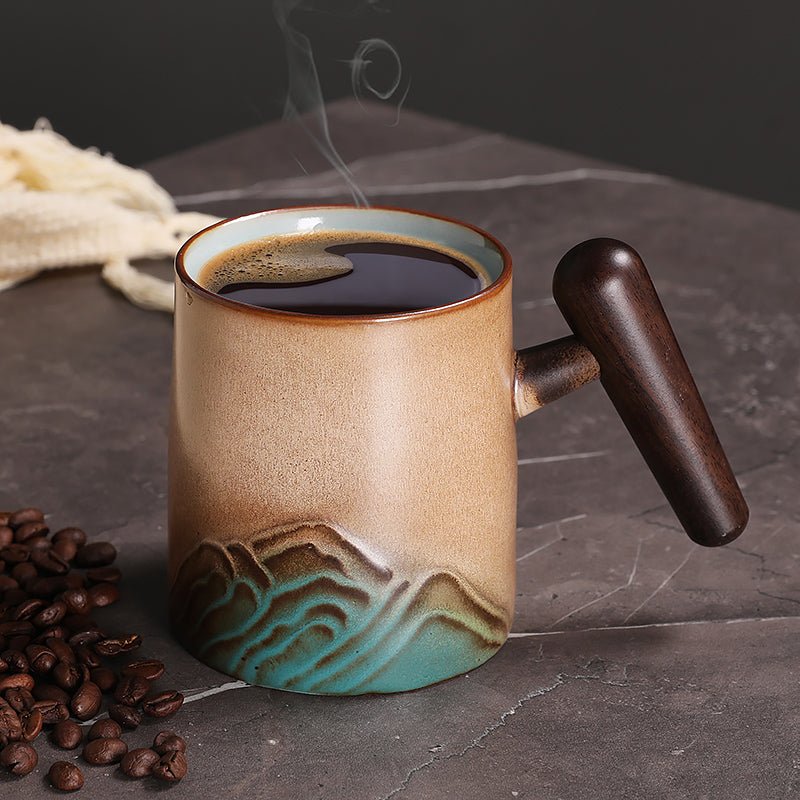
Syracuse China Coffee Mugs: What to Check Before You Buy
A buyer-focused guide to Syracuse China coffee mugs, with the checks we use for rim condition, glaze wear, handle comfort, and everyday fit. Includes practical alternatives if you want the same sty...
Подробнее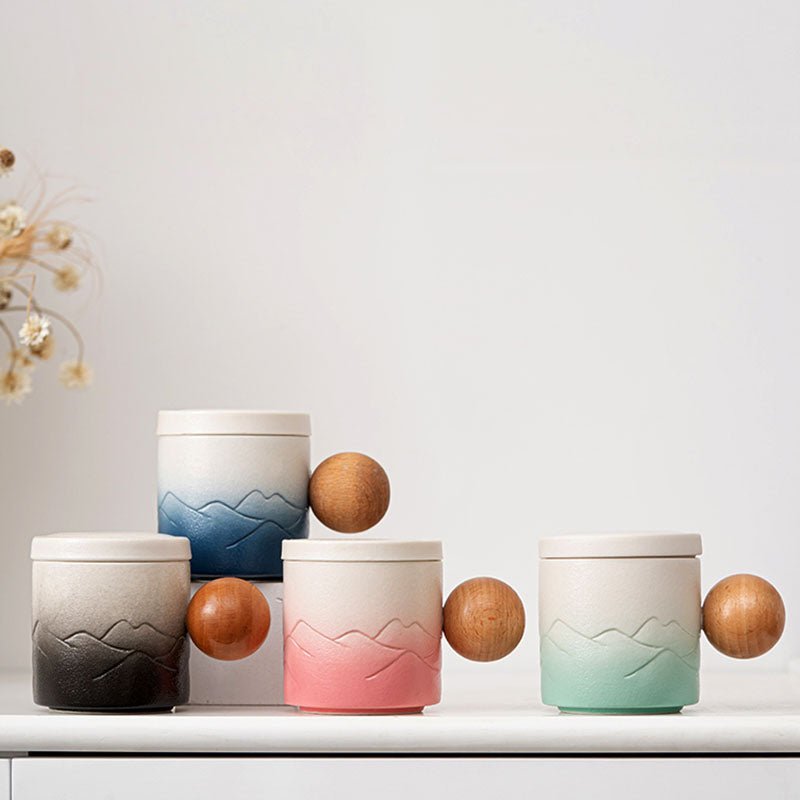
Diner Coffee Mug Buying Guide for Daily Use and Gifting
A diner coffee mug looks simple until you use it every morning. Here’s what we check for in our store, how our current picks compare, and which one fits home, office, or gifting better.
Подробнее
Оставить комментарий
Этот веб-сайт защищается hCaptcha. Применяются Политика конфиденциальности и Условия использования hCaptcha.