
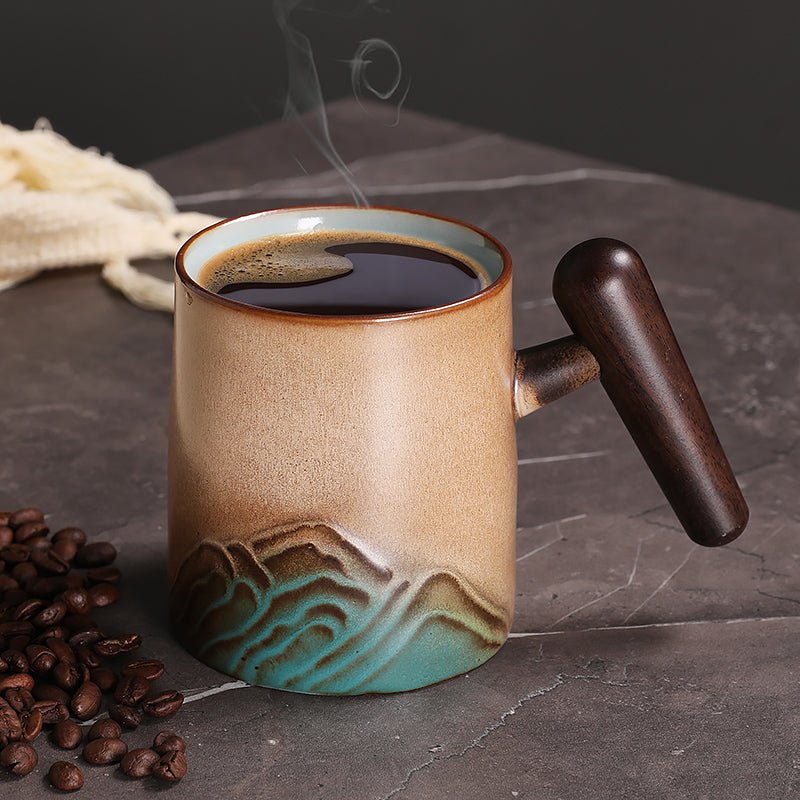
Thermo Mug Coffee: What to Check Before You Buy
Reading time: about 8 minutes
A thermo mug coffee cup looks simple on the shelf. The difference shows up after the first refill: a lid that drips on your desk, a body that is too tall for the car holder, or a seal that starts to smell after a few dishwasher cycles.
We see those trade-offs all the time in our store. A good insulated mug is not just about keeping coffee hot. It has to pour cleanly, fit your routine, and stay easy to clean after real use at a kitchen counter, office desk, or in a backpack.
If you want to compare options first, start with our products page or browse the full collection. If you are still deciding between styles, this guide will help you narrow it down without guessing.
What makes a thermo mug coffee cup worth buying?
The best thermo mug coffee option usually comes down to construction, lid design, and how you actually drink. A double-wall stainless steel body is the standard to look for because it resists dents better than thin plastic and does a better job of holding temperature than an open ceramic mug.
Three details matter more than most shoppers expect:
- Wall construction: Double-wall or vacuum-insulated steel reduces heat transfer. That means less exterior heat on the outside and slower cooling inside.
- Lid sealing: A silicone gasket, tight threading, or a reliable flip-top is what keeps splashes from reaching your bag or keyboard.
- Mouth shape: A wider opening is easier to clean and better for aroma; a narrower opening usually travels better and spills less.
That is why some mugs feel great on a desk but annoying in a car. The shape that drinks well at home is not always the same shape that survives a commute.
Which size works best for your routine?
Size is one of the easiest places to overbuy. A large cup can look appealing, but if you only drink one mug in the morning, extra capacity often means extra bulk. On the other hand, a compact mug can feel too small if you pour a long coffee and revisit it during the day.
Here is the practical breakdown we use when helping shoppers compare a thermo mug coffee purchase:
| Typical size | Best for | Trade-off |
|---|---|---|
| 12 oz | Short coffee sessions, smaller hands, tighter cup holders | Not ideal if you want a large pour or long work session |
| 16 oz | Most office desks and daily commuters | Can feel bulky in a small bag |
| 20 oz | Longer commutes, larger pours, all-day desk use | Heavier when full and sometimes too tall for compact holders |
If you are comparing sizes for everyday use, our post on 20 oz Coffee Mug: What to Check Before You Buy is a useful companion read. It covers the kind of fit-and-feel details that get missed when a shopper only looks at photos.
Does the lid matter more than the body?
In practice, yes. A great stainless steel body cannot make up for a lid that leaks, rattles, or traps residue in the moving parts. If you are buying a thermo mug coffee cup for work, the lid is the first thing we would inspect.
Look for these points before you buy:
- One-handed use: If you commute or work at a desk, a lid you can open with one hand is easier to live with than a lid that needs both hands and a careful twist.
- Seal placement: Gaskets should be easy to remove and re-seat. Hidden seals are where dried coffee and odors tend to build up.
- Cleaning access: A lid with too many small channels, springs, or vents can become annoying fast. That is not a problem if you only use it occasionally, but it matters for daily coffee.
Our team has seen the same pattern repeatedly: people buy for insulation, then keep using the mug because the lid is simple to clean. The reverse also happens. A mug can have solid heat retention and still get pushed to the back of the cabinet because the lid is fussy.
What materials hold up best in real use?
For most buyers, stainless steel is the safest default. It handles bumps better than glass, does not hold onto flavors the way some plastics can, and usually feels better for a bag or commute. Some mugs add silicone or plastic on the exterior grip area or lid, which can improve handling but also introduces more parts to clean.
In our experience, the most practical mix is:
- Body: 18/8 stainless steel or similar food-grade stainless steel.
- Seal: Food-safe silicone gasket for a tighter lid fit.
- Grip or sleeve: Optional, useful if you carry hot coffee frequently or use the mug while walking.
That said, stainless steel is not the right answer for everyone. If you care most about the feel of ceramic on the lip, a thermo mug coffee cup may not replace your favorite kitchen mug. It is also not ideal if you want to microwave your drink. Metal and microwaves do not mix, so a thermal mug is a carry-and-sip tool, not a reheating vessel.
How should you clean and care for it?
Cleaning is where a lot of insulated mugs either earn repeat use or become shelf clutter. Coffee oils cling to lids and seals, especially if you drink dark roasts or let the mug sit overnight. A quick rinse is not enough for long-term odor control.
Our basic care advice is straightforward:
- Wash the cup soon after use instead of letting residue dry inside.
- Disassemble the lid if the design allows it, especially the gasket and any sip cover.
- Use a soft bottle brush for the interior and a small brush or cloth for lid channels.
- Dry all parts fully before reassembly so moisture does not sit under the seal.
Dishwasher compatibility varies by model, and that is worth checking before you buy. Some mugs are fine in the dishwasher body-wise, but lids with delicate seals, printed finishes, or moving parts often last longer with hand washing. If you want a broader view of what actually makes a mug worth paying attention to, our article on Best Coffee Mug: What Actually Matters for Daily Use goes deeper into day-to-day handling, not just appearance.
What is a thermo mug coffee cup not good for?
A good buying guide should be honest about limits. A thermo mug coffee cup is not the best choice for every drinking style or setting.
It is usually the wrong pick if you want any of these:
- A mug you can microwave.
- A wide ceramic-style drinking edge for slow sipping at home.
- A highly decorative display mug that stays on a shelf most of the time.
- A vessel for drinks that need constant aroma release, where a tight lid works against the experience.
If you mostly drink coffee at a desk and want the cup to stay open for aroma, a regular mug may suit you better. If you move between rooms, commute, or answer emails while nursing a cup, thermal insulation becomes more valuable than that open, café-style feel.
How do you compare options before you buy?
We recommend judging a thermo mug coffee option the same way we judge products in our store: by use case first, then by looks. A mug can photograph well and still be the wrong fit for your life.
Use this quick checklist:
- Where will you use it most? Desk, car, backpack, or kitchen counter.
- How do you drink? Small sips, fast coffee, or all-morning use.
- How much cleaning are you willing to do? Simple lid or multi-part lid.
- Do you need portability? If yes, prioritize a tighter lid over a wide mouth.
- Do you care more about heat retention or flavor feel? That choice often decides between stainless steel and a regular mug.
If you are shopping for a gift, this matters even more. The best-looking mug on a product page may not be the one the recipient actually uses. We have covered similar buyer mistakes in Best Travel Coffee Mug: What to Check Before You Buy, especially the parts about leak risk and lid convenience.
Frequently asked questions
Is a thermo mug coffee cup better than a regular mug?
It is better if you want coffee to stay hot longer, need spill protection, or carry it between rooms or outside the house. A regular mug is better if you care most about aroma, microwave use, or a more traditional drinking feel. The right choice depends on where and how you drink.
What size thermo mug coffee cup should I buy for daily use?
Most daily users do well with 16 oz because it balances capacity and portability. If you want a lighter cup that fits tighter holders, 12 oz is easier to live with. If you drink large pours or want fewer refills, 20 oz is the more practical pick.
Are thermo mug coffee cups dishwasher safe?
Some are, but not all parts always are. The stainless steel body may tolerate the dishwasher, while the lid, gasket, or printed finish may last longer with hand washing. Check the care instructions for the exact model before buying.
Why does my insulated mug start to smell like coffee?
Usually it is residue trapped in the lid, gasket, or sip channel. Coffee oils cling to those parts after repeated use. Regular disassembly and drying usually solves the problem better than just rinsing the cup.
What should I check before buying a thermo mug coffee gift?
Check the lid style, size, and whether the person drinks at a desk, in a car, or at home. A mug that is easy to clean and easy to open is usually a safer gift than one with a fancy but complicated lid. If you are unsure, compare a few options in our collection and choose the one that matches the recipient’s routine.
If you want the simplest next step, compare the lid style, size, and cleaning method first, then browse the current options in our products page.
More from our blog
Read more
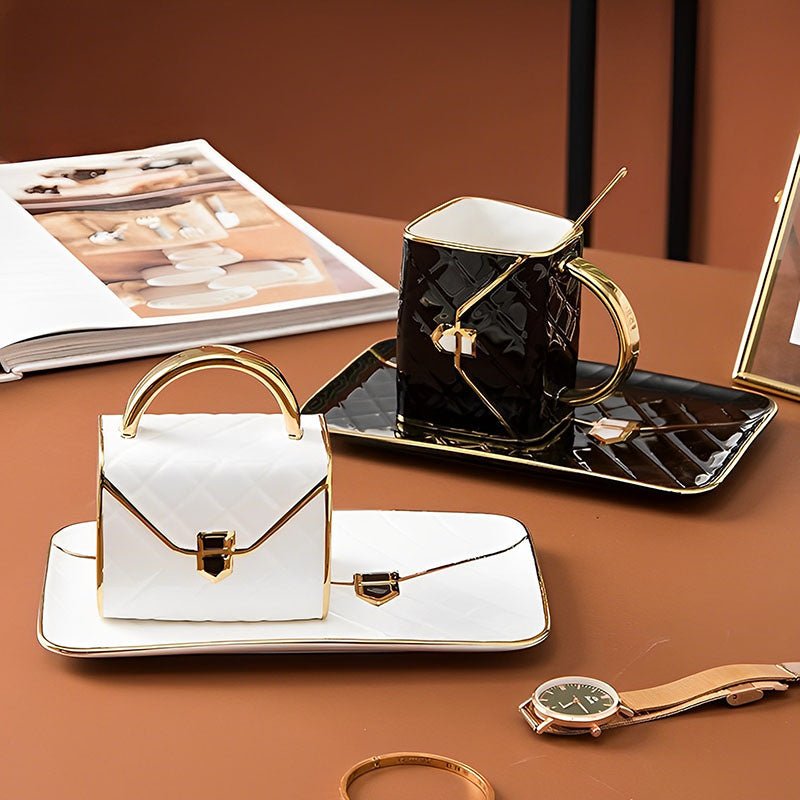
Personalized Coffee Mug Buying Guide for Better Gifts and Daily Use
We break down what actually matters in a personalized coffee mug: size, print quality, and care. Use it to choose a mug that looks good on a desk, in a gift box, and after repeated washing.
Подробнее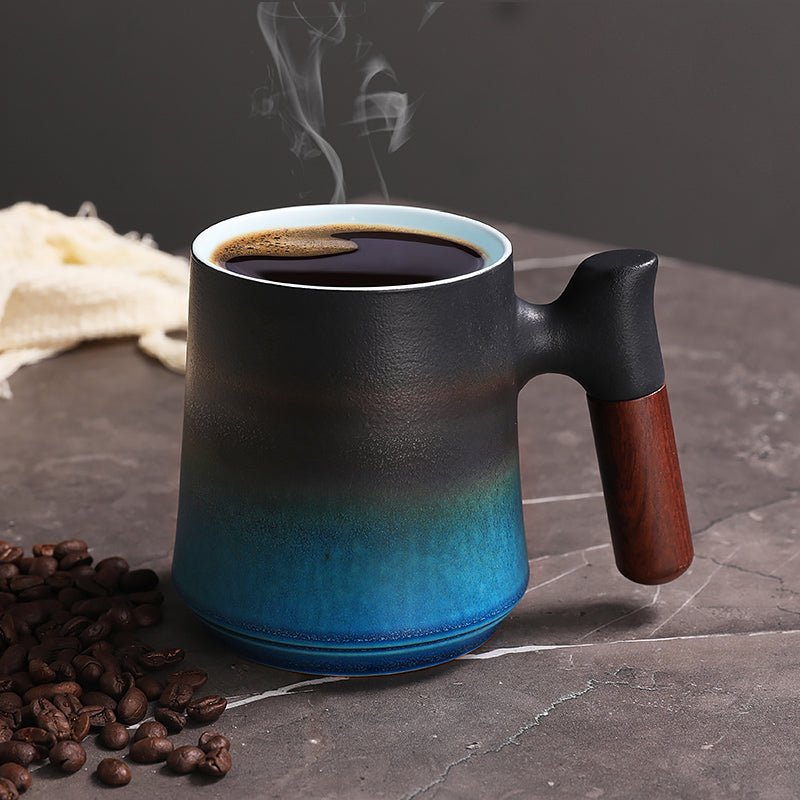
Zojirushi Coffee Mug Buying Guide: What to Check Before You Buy
A practical look at what makes a Zojirushi coffee mug worth buying, including lid design, insulation, care, and the trade-offs that matter in daily use.
Подробнее
Оставить комментарий
Этот веб-сайт защищается hCaptcha. Применяются Политика конфиденциальности и Условия использования hCaptcha.