
Tea Mug Buying Guide for Daily Tea, Desk Use, and Gifts
Reading time: about 9 minutes
Steam on the counter tells the story fast: a tea mug either feels balanced, keeps the sip comfortable, and fits the way you actually drink tea, or it gets pushed to the back of the cabinet. In our store, we see the same split every week. Some buyers want a mug for slow kitchen refills. Others need one that survives an office desk, a laptop, and a few distracted minutes between meetings.
That is why we judge a tea mug differently from a generic cup. We look at the handle first, then the rim, then the base. If you want to browse the current range while you read, start with our full mug collection, then use the details below to narrow the field.
What should a tea mug do better than an ordinary mug?
A good tea mug should make the tea itself easier to enjoy, not just hold liquid. That means enough opening for the tea to cool at a reasonable pace, a handle that does not pinch, and a shape that feels stable when you carry it from sink to desk. Tea is more sensitive to cup shape than a lot of people expect. A narrow, tall mug can hold heat longer, while a wider mouth cools faster and gives you room for a tea bag, infuser, or a splash of milk.
When we unbox mugs in our store, we check a few things before they ever reach the shelf:
- Handle clearance: two fingers should fit without scraping knuckles on the body.
- Rim comfort: the lip should feel smooth, not sharp or overly thick.
- Flat footing: a mug should sit without rocking on a counter or desk.
- Interior finish: a smooth glaze is easier to rinse after black tea or herbal blends.
That last point matters more than people think. Thin glaze, rough foot rings, and tiny pinholes are the common annoyances we notice after the mug has been washed a few times. They do not always make a mug unusable, but they do affect how long it feels nice to own.
Which of our tea mugs fits your routine?
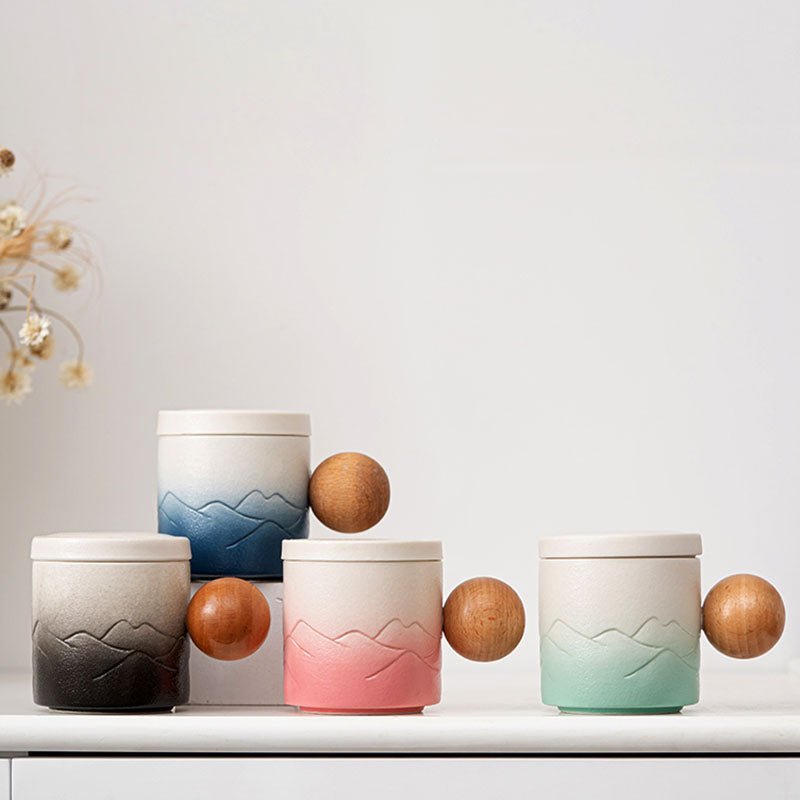
If you want to compare actual options, these are the three tea mugs we would start with: the Ball Handled Coffee Tea Mug, the Pleated Coffee Tea Cup, and the Golden Waves Kio Coffee Tea Mug. They do not serve the same buyer, and that is the point.
| Option | Best for | What to know before buying |
|---|---|---|
| Ball Handled Coffee Tea Mug | Daily tea, easy grip, desk use | The handle shape feels a little different from a standard loop handle, which is exactly why some buyers prefer it. If you want a mug that feels familiar but not boring, this is a strong pick. |
| Pleated Coffee Tea Cup | Gift giving, table presentation, light tea service | The pleated surface gives it visual texture and a more styled look. That same texture is not for everyone if you prefer a plain mug that disappears into the background. |
| Golden Waves Kio Coffee Tea Mug | Display-friendly use, gifting, a more decorative shelf piece | This is the mug you choose when you want the cup itself to feel like part of the room. If you need a purely utilitarian workhorse, a plainer shape may suit you better. |
For shoppers who want a broader browse before choosing one style, the collection page is still the quickest way to see what else is available in one place: shop the full mug collection. That matters if you are comparing a tea mug for personal use against one for gifting, because the right answer changes depending on how much visual personality you want.
How do size, handle, and shape change the way tea tastes?
Size changes tea more than many buyers expect. A larger tea mug gives you room for milk, honey, or a tea bag without crowding the rim, but it can also cool differently than a smaller cup. A narrower mug usually holds heat longer. A wider mug can be easier to drink from sooner. Neither is universally better. The right choice depends on how quickly you drink and whether you refill often.
We also see a lot of buyers overlook handle geometry. A handle can look fine in a product photo and still feel wrong in the hand if it sits too close to the body or leaves no room for a comfortable grip. The same goes for wall thickness: a very thick mug feels sturdy, but it can make the mug heavier on a long desk session. A thinner mug can feel refined, but it may cool faster and feel a little less reassuring in the hand.
If you are mainly choosing by capacity and everyday practicality, our Big Tea Mug Buying Guide for Size, Comfort, and Daily Use goes deeper on what changes once you move into larger mugs. For a broader cup-versus-mug comparison, the Mug and Tea: How to Choose the Right Cup for Everyday Use article is useful before you commit.
Here is the practical test we use in real life: if you can hold the mug by the handle, sip without your nose hitting the rim, and swirl the tea without sloshing it over the edge, the shape is probably working for you. If not, it is the wrong mug even if it looks good on a shelf.
What trade-offs should you expect before you buy?
Every tea mug has limits. A decorative mug is not the best choice if you want something that disappears into a microwave-and-dishwasher routine all week. A heavier stoneware mug is not ideal if you like to carry tea from room to room and refill it often. A very slim mug can look elegant, but it is usually not the first pick for people who want maximum stability on a crowded desk.
We also pay attention to the small defects that can become annoying later. The main ones are easy to miss in photos:
- Rocking bases: a mug that does not sit flat is irritating every time you set it down.
- Rough rims: even a small rough edge changes the drinking experience immediately.
- Glaze pinholes: tiny surface marks are not always a failure, but they can affect easy cleaning.
- Handle seams or sharp joins: if the transition from handle to body is abrupt, the grip feels worse over time.
In our experience, the first thing that tells you a mug will age well is not the print or the pattern. It is the finish around the rim, the underside, and the handle join. If a mug looks good but feels slightly off in those areas, that feeling usually gets louder after a week of use, not quieter.
Care matters too. Most buyers are fine with simple hand washing or normal dishwasher use, but if a mug has decorative metallic accents, keep it out of the microwave. If you drink black tea regularly, a quick rinse after use helps more than aggressive scrubbing later. That is especially true for lighter interiors, where staining shows sooner.
Which tea mug works best for gifts, desks, and repeat refills?
If the mug is for a gift, presentation matters almost as much as function. The Pleated Coffee Tea Cup and the Golden Waves Kio Coffee Tea Mug both feel more styled on unboxing, which can make them stronger gift picks than a plain everyday cup. If you are buying for someone who keeps tea near a keyboard, the Ball Handled Coffee Tea Mug may be the safer choice because it reads as practical first and decorative second.
If you want a guide that focuses on gifting and daily use side by side, our Best Tea Mug: What to Buy for Daily Tea, Desk Use, and Gifts article is the closest match. It is especially helpful if you are deciding for someone else and do not know whether they prefer style, comfort, or simple utility.
For repeat refills, the best tea mug is usually the one that feels unremarkable in the right ways. It should be easy to rinse, easy to grab, and comfortable enough that you do not think about it after the second pour. That is the real test. Not how it photographs. Not how clever the name sounds. Just whether you keep reaching for it on a normal Tuesday.
If you are still splitting hairs between sizes, shapes, and visual styles, our store usually recommends comparing two questions: do you want the mug to disappear into routine, or do you want it to add a little presence to the desk or table? That answer will point you toward the right style faster than any broad category label.
Frequently asked questions
What size tea mug is best for daily use?
The best size is the one you finish at a comfortable temperature without constant reheating. For many people, that means a mid-sized mug that leaves room for milk or a tea bag without feeling oversized. If you tend to refill often, a larger mug can be practical; if you sip slowly, a smaller one may keep the tea warmer for longer.
Is ceramic a good material for a tea mug?
Ceramic is one of the most common choices because it feels familiar, holds heat well, and is usually easy to clean. The main trade-off is weight and heat retention: thicker ceramic can feel sturdy but slower to cool. If you want to see the tea color through the cup, glass is a different option, but it usually cools faster.
Are these tea mugs suitable for gifts?
Yes, especially if the person cares about presentation as much as function. The Pleated Coffee Tea Cup and Golden Waves Kio Coffee Tea Mug are the most gift-friendly of the three because they look styled without needing extra packaging tricks. If the gift is for a heavy tea drinker, the Ball Handled Coffee Tea Mug leans more practical.
How do I keep a tea mug from staining?
Rinse it soon after use, especially after black tea or strong herbal blends. A soft sponge and warm water are usually enough for routine cleaning, and a little baking soda can help if a stain has set in. If the mug has a lighter interior, this routine matters even more because stains show faster.
What should I avoid in a tea mug?
Avoid a mug with a handle that feels cramped, a base that rocks, or a rim that feels rough when you sip. Those flaws are minor on a product page and obvious in daily use. If you want a mug for the microwave, avoid decorative metallic details and check the care notes before buying.
If you want a fast next step, compare the handle shape, opening width, and care notes on the three product pages above, then use the full mug collection to narrow the style that fits your tea routine best.
Read more
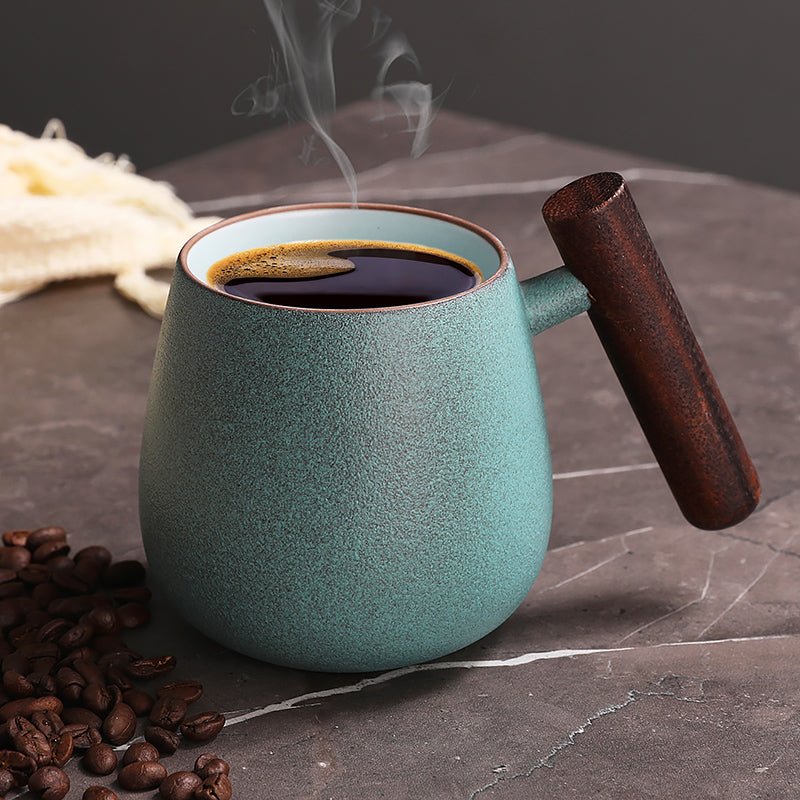
Coffee Mug Buying Guide: How to Choose Size, Shape, and Everyday Use
A practical guide to choosing a coffee mug that fits your drink habits, your cabinet space, and your dishwasher. We compare shape, size, and daily use so you can buy the right mug the first time.
Подробнее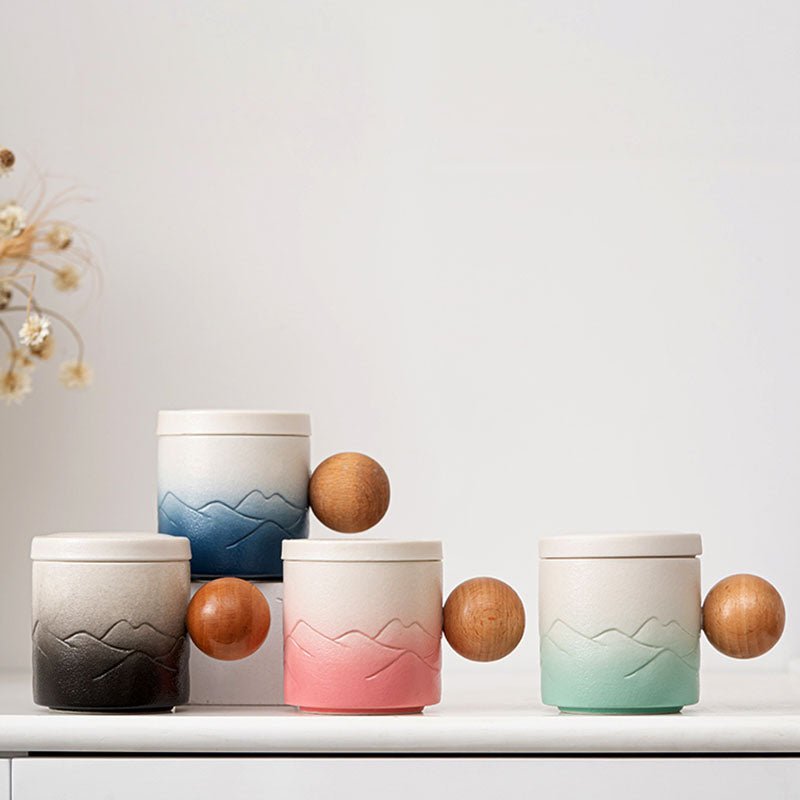
Good Coffee Mugs for Daily Use, Gifts, and Desk Coffee
Good coffee mugs are the ones that feel balanced, clean up easily, and still make sense after the first refill. We break down what matters in daily use and where our best shapes fit.
Подробнее
Оставить комментарий
Этот веб-сайт защищается hCaptcha. Применяются Политика конфиденциальности и Условия использования hCaptcha.