
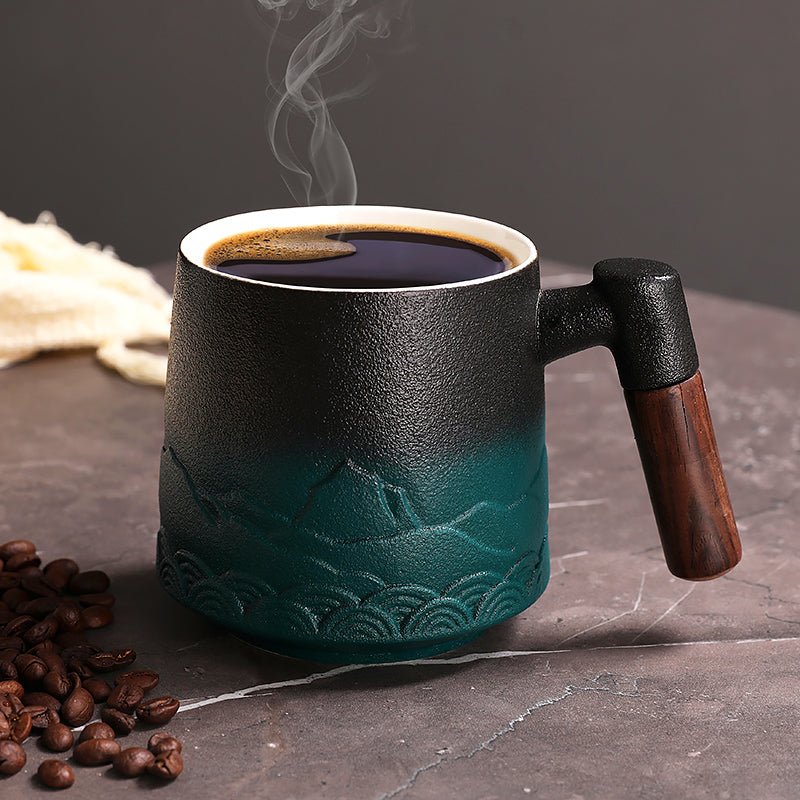
Swedish Coffee Mugs: What to Look for Before You Buy
Reading time: about 8 minutes
What makes Swedish coffee mugs worth comparing?
Swedish coffee mugs usually appeal to buyers who want restraint instead of noise. The shape is clean, the look is practical, and the mug is expected to work on a real table, not just in a styled photo. In our store, we see shoppers asking the same quiet questions again and again: does the handle feel comfortable, does the rim drink well, and will the mug still look good after repeated dishwasher cycles?
That is the right way to shop for this category. A mug gets handled every morning. It gets set down on counters, pushed into cabinets, and washed alongside forks and bowls. If the wall thickness feels awkward or the glaze scratches too easily, you notice it fast.
If you want to compare our current options, start with The Flow Coffee & Tea Mug, Mountain Sea Coffee & Tea Mug, and Spittoon Coffee & Tea Mug, then open the full collection to compare the rest of the lineup in one place.
Which size should you choose for daily coffee?
Size changes the experience more than most people expect. A 12 oz mug feels efficient and compact. A 14 oz mug gives more room for milk or a longer pour. A 16 oz mug is more relaxed, but it also takes up more cabinet space and can feel heavy once filled.
If you are torn between sizes, the best choice depends on what you actually drink at home or at your desk. A mug that works for drip coffee may not be ideal for tea or cocoa, and a mug that looks elegant empty may feel oversized when you only pour six or eight ounces.
| Size | Best for | Trade-off |
|---|---|---|
| 12 oz | Standard drip coffee, smaller servings, compact storage | Less room for milk, foam, or a large refill |
| 14 oz | Longer mornings, tea, cappuccino-style pours | Slightly heavier and slower to warm in the hand |
| 16 oz | Big mugs of coffee, cocoa, desk use, one-cup mornings | Bulkier, and not as friendly for small hands or tight shelves |
If you want a more detailed size comparison, our guides to 12 oz coffee mugs, 14 ounce coffee mugs, and 16 ounce coffee mugs break down the day-to-day differences we see most often.
Which shape is easiest to live with?
The best-looking mug is not always the easiest one to use. Shape controls stability, comfort, and how the mug feels when it is half full. A straighter profile usually sits neatly in a cabinet and stacks more predictably. A slightly tapered body can feel easier to hold. A wider opening is better for tea or cocoa, but it can cool faster than a narrower cup.
We usually tell shoppers to think beyond the photo and imagine the mug on a busy morning counter. Is it easy to grab with one hand? Does the handle leave enough clearance for two fingers without pressing into the cup wall? Does the base feel steady if you place it near a laptop or notebook on a desk?
Here is the simple way we compare shapes in our store:
- Straight-sided mugs are easier to stack and often feel more stable on flat surfaces.
- Tapered mugs often feel more natural in the hand and can be easier to lift when full.
- Wider mugs work well for tea, hot chocolate, and larger pours, but they are not the most compact option.
That is also why some buyers like to compare more than one style before they decide. A mug that feels right for a kitchen shelf may not be the one you want beside a laptop, and a mug that looks good in a gift box may be too wide for daily commuting to the office kitchen.
What should you check before adding a mug to your cart?
This is where most buyers save themselves from regret. A mug can look clean in photos and still disappoint in person if the details are off. We look at the same practical points every time we handle a new mug category:
- Material: ceramic and stoneware are the most common daily-use choices because they hold heat well and feel substantial in the hand.
- Glaze finish: a smooth, even glaze is easier to clean and less likely to trap tea stains around the inside wall.
- Handle clearance: the opening should fit your fingers comfortably without forcing your knuckles into the cup body.
- Rim quality: a chipped, rough, or overly thick rim changes the drinking experience immediately.
- Foot ring and base: a clean foot ring helps the mug sit flat and reduces the chance of wobble on a hard surface.
We also pay attention to common defect modes. Pinholes in the glaze can catch stains. Crazing can show up as a fine network of lines after repeated use or thermal stress. A sharp seam near the handle can make the mug feel unfinished. None of those issues are dramatic at first glance, but they matter when a mug is part of your daily routine.
For care, the practical rule is simple: wash before first use, use mild detergent, and avoid abrasive scouring pads on decorated or glossy finishes. If a mug has any metallic trim, keep it out of the microwave. If it has a hand-applied surface, a gentler wash is usually the safer choice.
Our rule is simple: if a mug feels awkward empty, it will feel worse when it is full.
Which mug works best for gifts, desks, and shared kitchens?
Different buying situations call for different priorities. A gift mug should look clean, feel comfortable, and be easy for the recipient to use without a learning curve. A desk mug needs stability and a shape that does not hog space next to a keyboard, mouse pad, or notebook. A shared kitchen mug needs to survive crowded shelves and the occasional rough wash cycle.
For gifting, neutral color and a balanced silhouette usually beat novelty. For a work desk, we prefer a mug with a stable base and a handle that does not snag on drawers or pen holders. For shared kitchens, we would rather have a mug that is easy to identify by shape alone than one with a delicate, decorative form that gets overlooked in the cabinet.
There is also a limitation worth saying plainly. Swedish coffee mugs are not the right choice if you need insulation, a locking lid, or something that fits in a cup holder. If you commute, work outdoors, or want a mug you can toss into a bag, a travel mug or insulated tumbler is the better tool. A ceramic mug is about comfort at the table, not spill-proof portability.
That trade-off is part of the appeal. You are buying a mug that feels good in the hand and looks calm on the counter. You are not buying a sealed container.
How do you compare our mugs without overthinking it?
If you want a fast buying path, compare the mug in the hand, not just the mug on the screen. Hold onto the questions that matter in real use: does the handle fit comfortably, is the body easy to wash, and is the size right for your actual pour?
- Pick the size you use most often, not the size that looks best in a photo.
- Check the handle with your own fingers in mind, not a generic hand shape.
- Look at the rim and glaze for smoothness, especially if you drink coffee every morning.
- Decide whether the mug belongs in a desk setup, kitchen shelf, or gift box.
- Choose the finish you are willing to keep clean over time.
If you are comparing styles inside our store, the cleanest next step is to open the full collection and view the options side by side. From there, the three product pages for The Flow Coffee & Tea Mug, Mountain Sea Coffee & Tea Mug, and Spittoon Coffee & Tea Mug give you a direct way to compare shapes without guesswork.
Frequently asked questions
What size Swedish coffee mug is best for drip coffee?
For most drip coffee drinkers, 12 oz is the safest starting point. It fits a standard morning pour without feeling oversized, and it usually stores more easily than a larger mug. If you like extra milk or a bigger refill, 14 oz is the next step up.
Are Swedish coffee mugs good for tea and hot chocolate?
Yes, especially if you choose a mug with a wider opening and a comfortable handle. Tea and hot chocolate usually benefit from a shape that feels relaxed and is easy to sip from over a longer stretch of time. A very small mug can feel cramped for those drinks.
Can I put ceramic coffee mugs in the dishwasher and microwave?
Many ceramic mugs can handle both, but you should always check the specific care instructions. Avoid the microwave if there is metallic decoration, and be gentler with hand-finished surfaces. For the dishwasher, mild detergent and a secure top-rack position are usually the safest approach.
What mug defects should I look for before buying?
Look closely at the glaze, rim, handle join, and base. Pinholes, rough edges, uneven glazing, and hairline crazing are the most common issues that affect daily use. A mug can still be functional with a minor cosmetic flaw, but those details often tell you how carefully it was made.
What should I choose if I want a mug for my office desk?
Choose a mug with a stable base, a comfortable handle, and a size that does not crowd your workspace. A 12 oz or 14 oz mug is usually easier to live with at a desk than a very large cup. If your desk is tight, avoid oversized or wide-bodied shapes that take up too much room.
If you want the shortest path to a good choice, compare your usual pour size, check the handle in your mind as if you were holding it cold, and then browse the full collection to pick the mug that fits your daily routine.
Read more
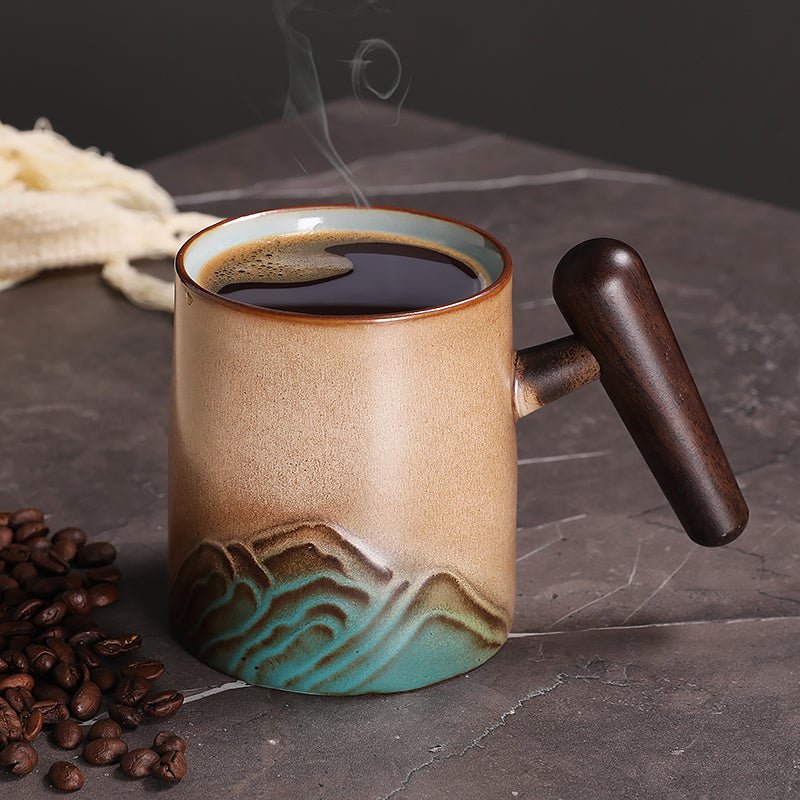
Golf Coffee Mug Buying Guide: What to Check Before You Buy
A practical guide for shoppers comparing a golf coffee mug for gifts, desk use, or everyday drinking. We cover size, material, fit, and the trade-offs that matter before you buy.
Подробнее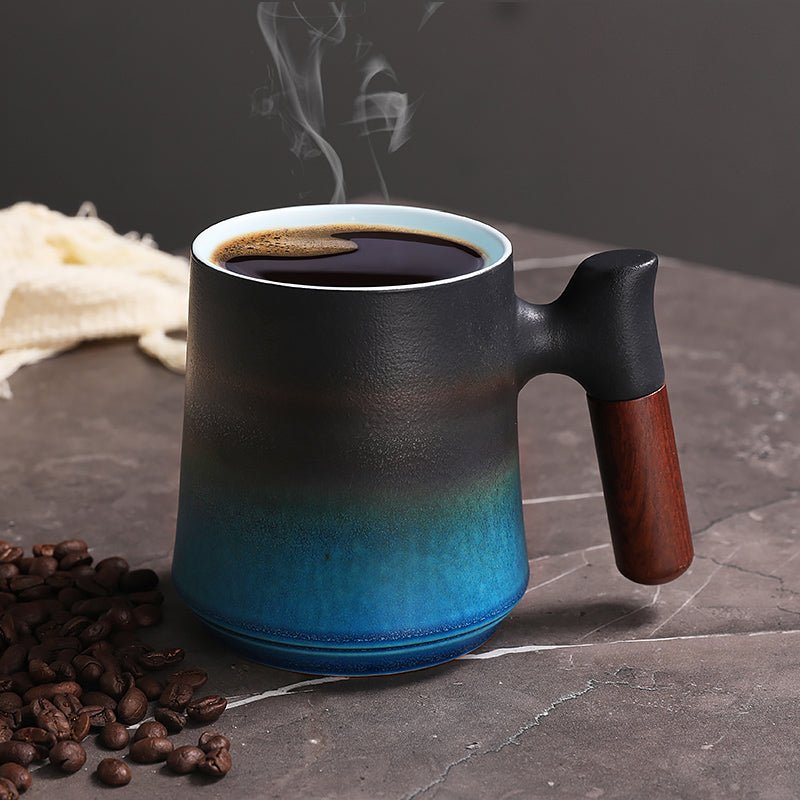
Coffee Mug Oz Guide: How to Choose the Right Size Before You Buy
Coffee mug oz labels sound simple, but the right size depends on how you drink, where the mug sits, and how much room you want left at the top. This guide breaks down the trade-offs so you can choo...
Подробнее
Оставить комментарий
Этот веб-сайт защищается hCaptcha. Применяются Политика конфиденциальности и Условия использования hCaptcha.