
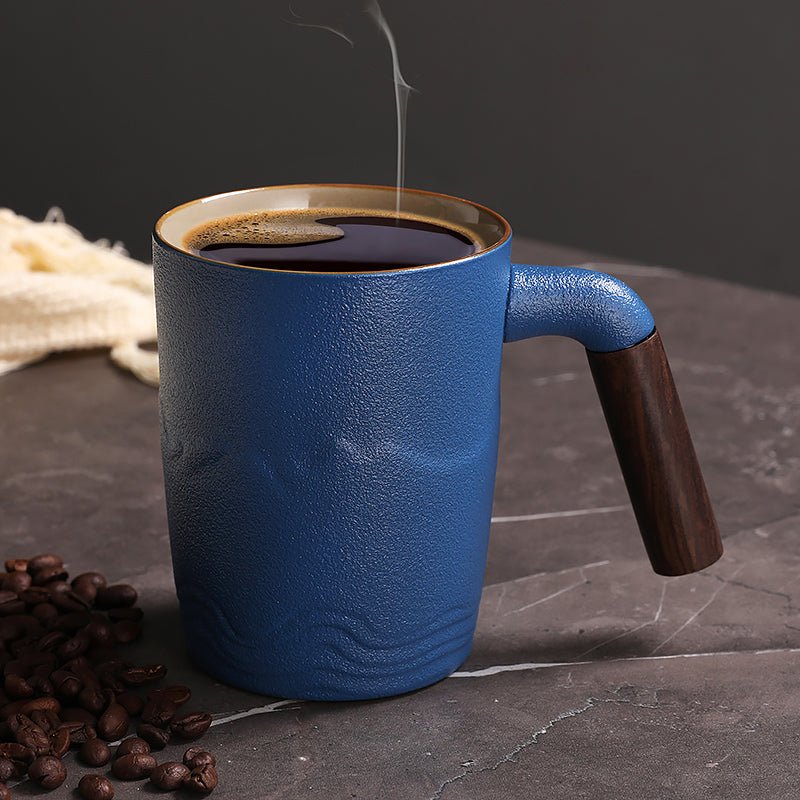
Stone Coffee Mugs: What to Check Before You Buy
Reading time: about 8 minutes
A mug can look perfect online and still feel wrong the first time you lift it with coffee in it. We see that often with stone coffee mugs: the shape looks right, but the handle is too tight, the wall is too thick, or the finish feels rough where your fingers land.
That is why we treat stone coffee mugs as a practical buy, not just a style choice. In our store, we look at how the mug sits on a desk, how it feels after a full pour, and how it behaves after repeated dishwasher cycles. If you want to see the style range we carry, start with our collection, then compare pieces like the Pleated Coffee Tea Cup, the Golden Waves Kio Coffee Tea Mug, and The Flow Coffee Tea Mug.
What makes stone coffee mugs worth buying?
Stoneware is fired clay with enough density to feel sturdy in the hand, which is part of the appeal. The body is usually thicker than a thin porcelain mug, so it tends to feel steadier on a work surface and less fragile during daily handling. That weight is helpful if you drink at a kitchen counter or desk. It is less helpful if you want something feather-light for one-handed use.
In practice, stone coffee mugs are popular because they strike a useful middle ground: solid enough for everyday use, attractive enough to leave out, and generally comfortable for coffee, tea, or hot chocolate. The trade-off is obvious. They are not the right choice for commuters, backpack carry, or people who dislike a heavier cup. If you want the lightest possible mug, another material may suit you better.
How do stone coffee mugs compare with porcelain or glass?
If you are deciding between materials, compare the feel in the hand, not just the appearance. Stoneware, porcelain, and glass all solve different problems.
| Material | What it feels like | Best use case | Main drawback |
|---|---|---|---|
| Stoneware | Heavier, stable, warm in the hand | Daily coffee at home or the office | Can feel bulky if you prefer a light cup |
| Porcelain | Thinner, lighter, more refined | Neater table settings and lighter sipping | Often feels less substantial and can chip at the rim |
| Glass | Visually clean and modern | Seeing layered drinks or tea color | Shows condensation and does not hide wear well |
For many shoppers, stone coffee mugs win because they make an everyday drink feel more anchored. You set it down, it stays put, and it usually gives a better sense of heat retention than a thin cup. But if you want a mug that disappears in the hand, stoneware is probably not your best match.
We have found that shoppers usually notice weight and handle comfort before they notice color or pattern. That is why we tell people to think about grip first and style second.
Which size and shape should I choose?
Size matters more than most listings make it seem. A mug that works for black coffee may feel too shallow for a latte, and a wide mouth can cool drinks faster than a narrower one. If you are comparing everyday capacities, our related guides on Stone Coffee Mugs: Size, Weight, and Finish Buying Guide and 12 oz Coffee Mugs: How to Choose the Right Mug for Daily Use cover the fit questions shoppers ask us most.
- Choose a smaller mug if you drink one standard pour and want the coffee to stay warmer longer.
- Choose a medium mug if you split time between coffee and tea or you want room for milk.
- Choose a larger mug if you use it for desk refills, cocoa, or drinks that benefit from extra volume.
- Check the handle clearance so two fingers fit without squeezing against the body of the mug.
- Look at the rim shape because a rolled rim usually drinks more comfortably than a sharp cut edge.
If you are deciding between 12 oz and larger everyday pieces, our 16 Ounce Coffee Mugs: Size, Fit, and Shape Guide can help you avoid buying a mug that looks right but feels oversized on a small desk.
What should you check before ordering?
We inspect mugs for the things that show up after the first few uses, not just the things that photograph well. A glossy finish can hide small ripples, but your hand will find them. A thick base can make the mug feel reassuring, but it can also raise the overall weight enough to annoy you over time.
- Glaze coverage: look for even coverage inside the cup and around the handle join. Thin spots can show wear sooner.
- Foot ring: a flat, clean base helps the mug sit steadily and reduces wobble on a desk.
- Handle join: this is a common stress point. A well-formed join feels secure and should not look pinched or uneven.
- Interior finish: smooth interiors are easier to rinse and less likely to hold coffee stains around the bottom.
- Rim comfort: the lip should feel smooth against the mouth, especially if you drink black coffee.
- Care label: confirm dishwasher and microwave guidance before assuming the finish can handle both.
These are the details that separate a mug you use every day from one that stays in the cabinet. They also explain why stone coffee mugs can vary so much even when they look similar in photos.
Are stone coffee mugs good for daily use at home or work?
Yes, if your routine is fairly stationary. Stone coffee mugs work especially well on kitchen counters, at a home office desk, or in a break room where the mug can stay put between sips. The extra weight can actually help when the table is crowded with a laptop, notebook, or breakfast plate. The mug feels less likely to tip than a very light cup.
They are not ideal for commuting, cramped cup holders, or anyone who wants one-handed portability. They are also not the best fit if you drop mugs often, because a heavier body can chip harder on impact. For gift buyers, stoneware is usually a safe middle ground: it feels substantial without being overly formal, and it is easy to pair with a coffee or tea set.
If you want to compare look and feel across styles, our Pleated Coffee Tea Cup has a more structured profile, the Golden Waves Kio Coffee Tea Mug leans into a more decorative surface, and The Flow Coffee Tea Mug gives a softer visual line. Different shapes change how the mug feels even when the drink size is similar.
How do you care for a stone coffee mug so it lasts?
Stoneware lasts best when you avoid sudden temperature changes and repeated hard impacts. A mug that has been sitting cold should not be shocked with boiling water and then plunged into a cold sink. That is how stress can build in the body or around the handle over time.
- Let the mug cool before washing if it has been used for a very hot drink.
- Rinse soon after use if you drink coffee with dark roast oils, because residue is easier to remove before it dries.
- Use the dishwasher only if the product care notes allow it, and give it a stable place on the rack.
- Dry the base fully before stacking so moisture does not sit in the foot ring.
- Check for hairline cracks or chips on the rim, handle, or base if the mug has taken a knock.
We also recommend storing stone coffee mugs with a little breathing room between them. A crowded shelf makes chips more likely, especially around the rim where mugs touch during removal.
Frequently asked questions
Are stone coffee mugs microwave safe?
Some are, and some are not. The safest answer is to check the product care notes for the exact mug you are buying, because glaze type, decorative finishes, and metallic accents can change microwave compatibility. If a mug has any metallic detail, do not put it in the microwave.
Do stone coffee mugs keep coffee hot longer?
Usually, yes, at least compared with thin lightweight cups. The thicker walls tend to hold warmth better at the start of a drink, but they are not insulated travel mugs. If you sip slowly over a long desk session, expect the drink to cool eventually.
Are stone coffee mugs too heavy for everyday use?
Not for most people, but they do feel heavier than porcelain or glass. If you want a mug you can lift with one finger while moving around the kitchen, stoneware is probably not the best match. If you drink while seated at a desk or table, the weight usually feels stable rather than annoying.
What defects should I watch for when the mug arrives?
Check for chips on the rim, a rough handle edge, uneven glaze, or wobble on the base. Those are the issues most likely to affect daily use. A tiny color variation in a stoneware glaze is normal; a cracked handle join is not.
What is the best shape for stone coffee mugs?
There is no single best shape, but a comfortable handle and a slightly curved body usually make the mug easier to live with. Wide mugs work well for lattes and tea, while narrower mugs often hold heat a little better. If you drink black coffee and want a cleaner sip, prioritize a smooth rim first.
What should you compare before you buy?
Before you choose a stone coffee mug, compare these five things side by side: weight, handle space, finish, size, and care instructions. That short checklist will tell you more than photos alone. If you want to keep shopping, start with our full collection and narrow down to the mug that matches how you actually drink coffee, not just how it looks on the shelf.
Read more
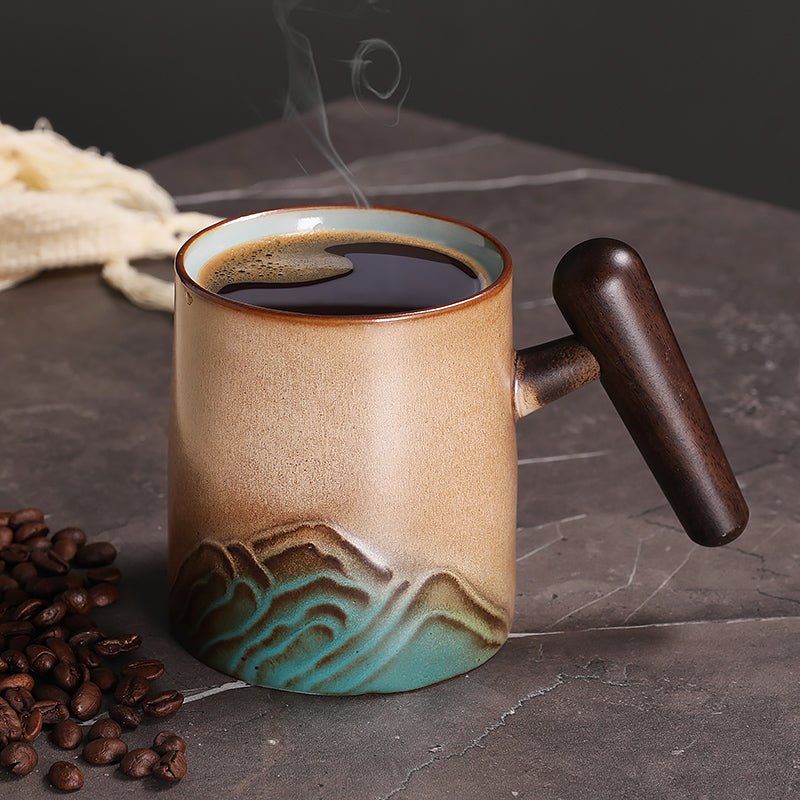
Large Ceramic Mugs: What Buyers Should Check Before Buying
Large ceramic mugs work best when the handle, weight, glaze, and care instructions match real daily use. Here is what we check in our store before we recommend one for coffee, tea, or desk duty.
Подробнее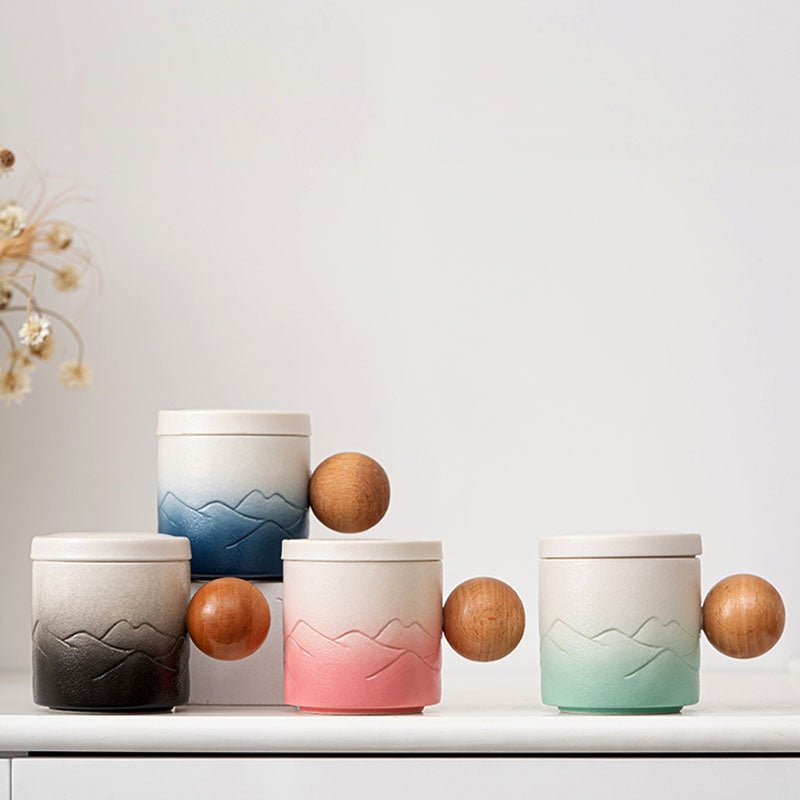
Inspirational Coffee Mugs for Daily Use and Gift Buying
Compare inspirational coffee mugs by shape, feel, and everyday practicality before you buy. See which styles work best for desks, gifts, and regular home use.
Подробнее
Оставить комментарий
Этот веб-сайт защищается hCaptcha. Применяются Политика конфиденциальности и Условия использования hCaptcha.