
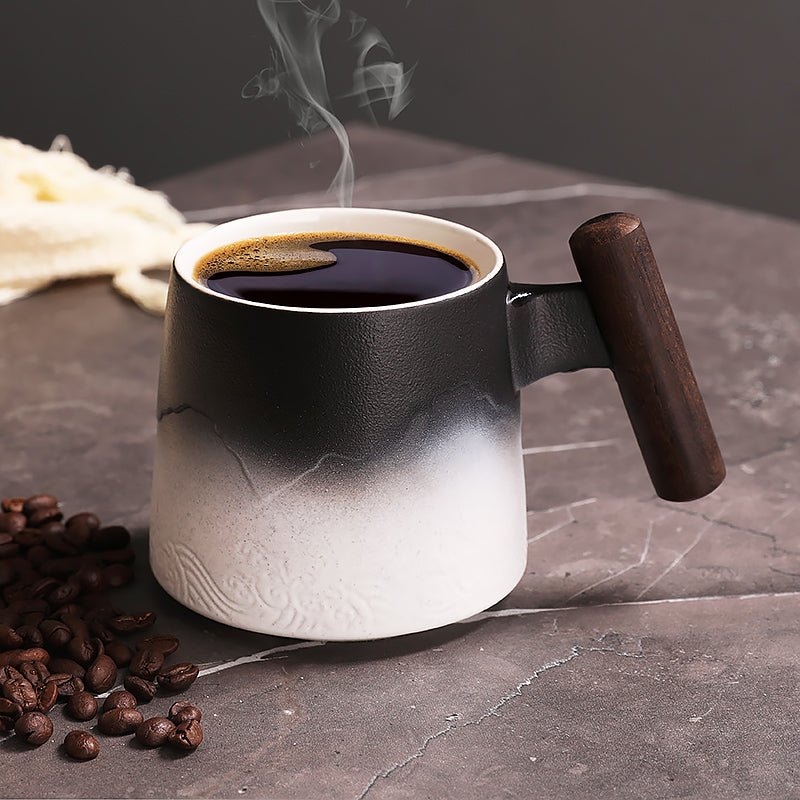
Rustic Coffee Mugs: What Buyers Should Check Before Ordering
Reading time: about 8 minutes
At our store, the first thing we check on rustic coffee mugs is not the pattern. It is the rim, the handle, and whether the base will survive a normal week on a kitchen counter or office desk.
That sounds picky until you have a mug with a handle too tight for two fingers, a foot ring that scratches wood, or a matte glaze that starts showing tea marks after a few dishwasher cycles. Rustic mugs can be excellent daily drinkers, but the details matter more than they do on a plain, machine-perfect mug.
If you are comparing options, start with our full collection and then narrow by size, weight, and finish. We also keep a broader selection on our product page for shoppers who want to compare individual styles side by side.
What makes rustic coffee mugs different from standard mugs?
Rustic coffee mugs usually lean into texture, glaze variation, and a less polished silhouette. In practice, that can mean a speckled stoneware body, a reactive glaze that shifts color around the rim, or an unglazed foot ring that gives the piece a handmade feel.
We treat those variations as part of the appeal, not defects, as long as the mug still feels balanced and the drinking edge is smooth. The best rustic mugs should still sit flat, hold heat well enough for a normal coffee break, and feel comfortable to lift when full.
We look for character, not sloppiness. A rustic mug can have uneven color and still be well made. It should not have a sharp rim, a wobbling base, or a handle that feels like an afterthought.
For buyers, the real question is simple: do you want a mug that looks handcrafted on the shelf and still works every morning? If yes, rustic style is a strong fit. If you want a perfectly matching set with identical glaze and wall thickness, a cleaner glazed mug may be a better choice.
Which material and finish should you look for?
Most rustic coffee mugs you will see are stoneware or ceramic. Stoneware tends to feel denser in the hand, which many buyers like for desk use because it feels stable and keeps a hot drink warmer a little longer. Standard ceramic can be slightly lighter and easier to lift, which helps if you refill often or do not want a heavy mug in the morning.
Finish matters just as much as body material. Matte glaze gives a softer, earthy look but can show fingerprints and tea staining more readily. Reactive glaze creates those layered, irregular color bands that make rustic mugs feel unique. Unglazed or partially unglazed bases look authentic, but they can scuff a shelf if you drag them across a surface.
| Finish | Best for | Trade-off |
|---|---|---|
| Matte glaze | Soft, earthy look on a desk or open shelf | Can show staining and fingerprints more easily |
| Reactive glaze | One-of-a-kind color variation | Each mug can vary, so matching sets may look uneven |
| Unglazed foot ring | Handmade look and extra grip | Can scuff shelves if it is dragged instead of lifted |
When we inspect mugs, we also watch for pinholes, glaze crawling, rough patches at the lip, and hairline crazing. Small visual variation is normal in rustic drinkware. Structural issues are not.
If you want a mug that will be used daily, our advice is to prioritize a smooth drinking edge and a handle that feels right before you fixate on color. Those are the parts you notice every morning.
What size works best for coffee, tea, and desk use?
Size is where rustic mugs can either feel right or become annoying. A 12 oz mug usually fits a standard pour with room for milk. A 16 oz mug is more comfortable for a long work session or a larger drip coffee. A 20 oz mug starts to favor desk use and refill avoidance, but it can feel heavy when full and is not as easy to balance one-handed.
If you are trying to choose, our size guides can help. Start with 12 oz Coffee Mugs: What to Check Before You Buy if you want a smaller daily cup, or read 16 Ounce Coffee Mugs: Size, Materials, and Fit Guide for the common middle ground. For bigger pours, compare them with A buyer's guide to large capacity coffee mugs.
- 8 oz: good for espresso drinks, small cappuccinos, and narrow cabinets.
- 12 oz: best for a normal coffee pour and a mug that still feels manageable in the hand.
- 16 oz: the practical sweet spot for people who sip slowly at a desk.
- 20 oz: useful if you want fewer refills, but not ideal if you dislike a heavy mug.
In our experience, the most common mistake is buying by look alone. A rustic mug with a thick wall and oversized handle can hold the same ounces as a lighter mug, but it will feel very different on the first morning use.
If you want a compact mug for espresso drinks or smaller pours, also compare it with our 8 Ounce Coffee Mugs: What Buyers Should Check Before Ordering and 8 oz Coffee Mugs: Size, Material, and Fit Guide guides.
What trade-offs should you expect before buying?
Rustic coffee mugs are not the best choice if you need exact uniformity. Slight glaze variation is normal, and that is part of the style. They are also not the first pick for travel, car cup holders, or tightly stacked cabinets where every millimeter matters.
Before we add a rustic mug to our store, we check the same things a shopper will notice at home:
- Rim comfort: no sharp spots, chips, or gritty glaze at the drinking edge.
- Handle clearance: enough room for two fingers without pinching knuckles.
- Base stability: the mug should sit flat, not rock on a countertop.
- Finish consistency: visual variation is fine, but heavy pinholes, crawling, or hairline cracking are not.
- Surface behavior: matte finishes should still clean well after daily coffee and tea use.
If you like an intentionally handmade look, those trade-offs are manageable. If you want a highly polished table setting or a matchy office set, a simpler mug style may suit you better.
Rustic does not mean fragile by default, but it does mean you should inspect the details more closely than you would on a mass-market promotional mug.
For gift buyers, that trade-off matters even more. A rustic mug can feel thoughtful and personal, but only if it is comfortable to hold and sized for the way the recipient actually drinks coffee.
How should you care for rustic coffee mugs so they last?
Care depends on the exact mug, so we always read the listing and the maker's instructions. Many rustic mugs are dishwasher-safe, but hand washing is still the safer route for matte glazes, metallic accents, or mugs with especially textured surfaces. If the foot ring is unglazed, let it dry fully before stacking or placing it on a wood shelf.
A few habits make a real difference over time:
- Let the mug cool before rinsing it with cold water. Sudden temperature swings can stress ceramic surfaces.
- Use a soft sponge on matte or reactive glazes. Harsh scrubbers can dull the finish.
- Remove coffee or tea stains early. A mild baking soda paste usually handles most everyday buildup.
- Check for chips around the rim and cracks near the handle. A damaged mug should be retired from microwave use.
- Store mugs with a little space between them, especially if the glaze has texture or the base is rough.
These are simple habits, but they matter. A rustic mug that is treated like a delicate display piece will last longer than one that gets slammed into a sink, stacked wet, and shoved into a crowded cabinet.
One more practical point: if you need a mug that can take repeated rough handling, plain stoneware with a smoother glaze is usually easier to maintain than a heavily textured decorative piece. Rustic style should still be usable style.
Frequently asked questions
Are rustic coffee mugs dishwasher safe?
Some are, but not all. Check the product listing and care notes before washing them in a machine, especially if the mug has a matte finish, metal detail, or a highly textured glaze. When in doubt, hand washing is the safer option.
What size rustic coffee mug is best for everyday use?
For most buyers, 12 oz or 16 oz works best. 12 oz is lighter and closer to a standard coffee pour, while 16 oz gives you more room for milk or a longer sip at a desk. If you want less refilling and do not mind extra weight, a 20 oz mug makes sense.
Do rustic coffee mugs chip more easily?
Not automatically. Chipping usually comes from rim knocks, crowded dishwashing, or drops onto hard surfaces rather than from the rustic style itself. That said, textured rims and unglazed bases can hide wear sooner, so they deserve a closer look.
Are rustic coffee mugs good for gifts?
Yes, if the recipient likes tactile, handmade-looking pieces. They are a solid gift choice for someone who keeps a mug on a kitchen counter or office desk, but less ideal if the person wants a matching minimalist set. Size and handle comfort matter more than the pattern.
If you are comparing rustic coffee mugs for daily use, start by checking the size guide, the handle shape, and the care notes, then browse our full collection or the product page for current styles.
More from our blog
Read more
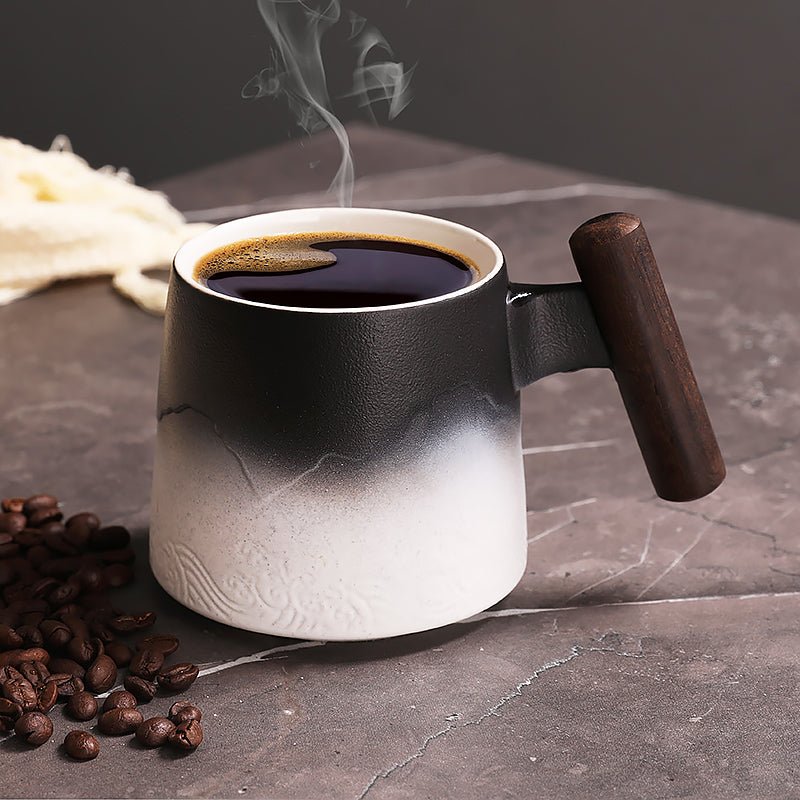
Ohio State Coffee Mug: What Buyers Should Check Before Buying
An Ohio State coffee mug should feel good in the hand, fit the coffee you actually drink, and hold up to repeat washing. This guide covers size, material, gifting, and care so you can buy once and ...
Подробнее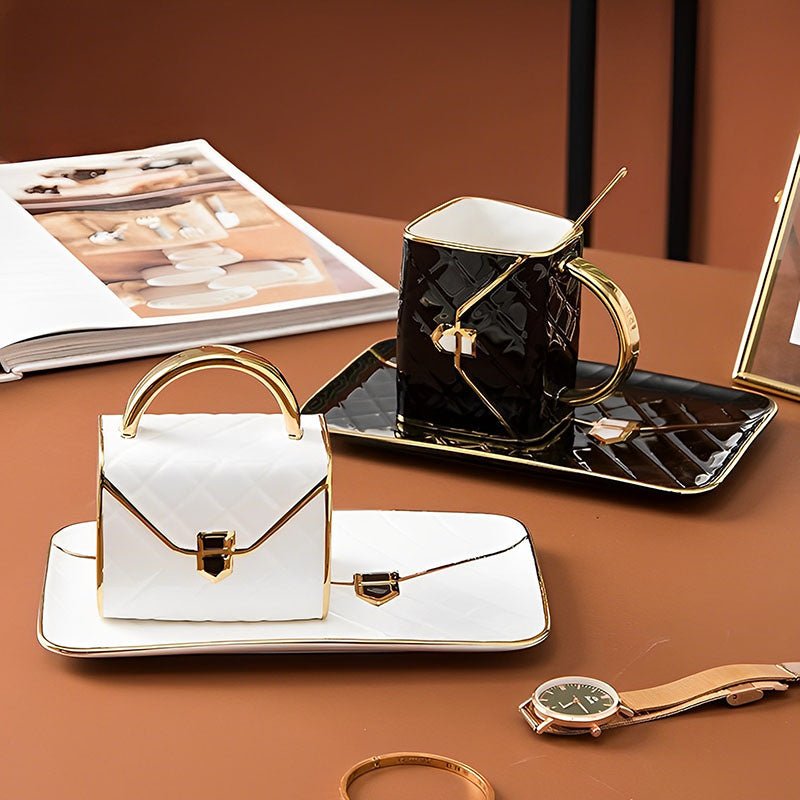
Christian Coffee Mug Buying Guide: Size, Gift Fit, and Care
A practical guide to choosing a christian coffee mug that fits the drinker, the setting, and the gift occasion. We cover size, material, care, and the trade-offs that matter before you buy.
Подробнее
Оставить комментарий
Этот веб-сайт защищается hCaptcha. Применяются Политика конфиденциальности и Условия использования hCaptcha.