
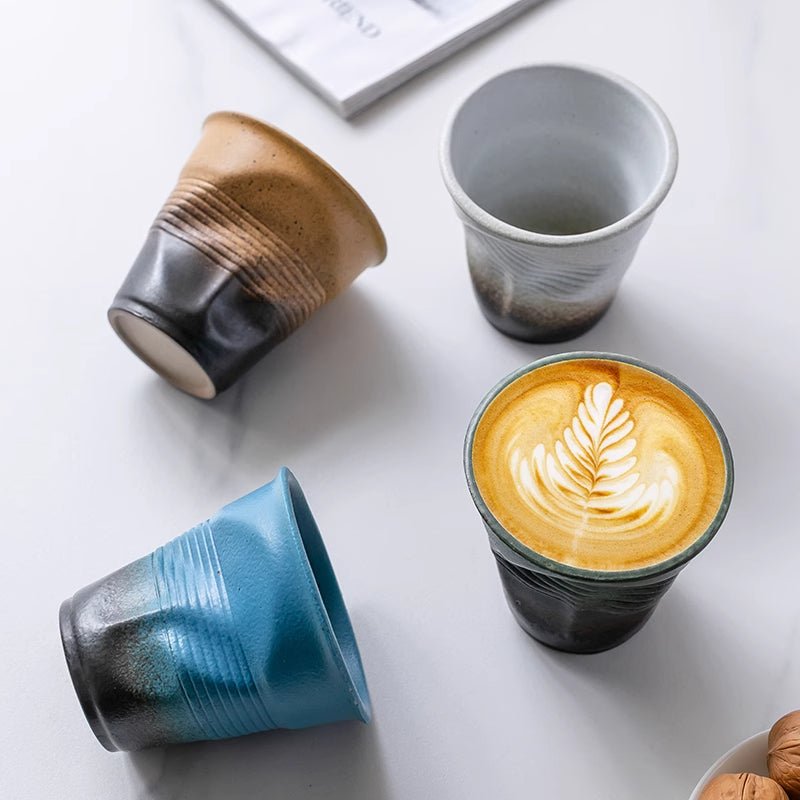
Pleated Ceramic Coffee Cup 200 ml Care Tips to Make It Last Longer
Reading time: about 8 minutes
A 200 ml ceramic cup usually gets damaged at the sink before it ever breaks on the table. The rim takes a knock, coffee settles into the pleats, or someone grabs a rough sponge and leaves the glaze looking tired.
That is why we treat care as part of the product, not an afterthought. If you own our Pleated Ceramic Coffee Cup | 200 ml, the good news is that this style is easy to live with. The not-so-good news is that ceramic still rewards gentle handling, especially around the rim and the narrow grooves of the pleated surface.
We work with this category every day, and in our experience the cups that last longest are the ones that get a quick rinse, a soft wash, and a full dry before they go back on a shelf. That matters even more for a small cup like this one because a 200 ml piece is often used often and moved around often. Small changes in handling make a real difference.
How should you clean a 200 ml pleated ceramic coffee cup after use?
Start with the simplest routine that protects the glaze. Let the cup cool first, then rinse it with warm water and a mild soap. A soft sponge is enough for most daily cleaning, and it is the safest choice for a glazed ceramic surface with pleated detail.
We recommend this sequence:
- Rinse soon after use so coffee oils do not dry into the grooves.
- Use a soft sponge or cloth instead of an abrasive scrub pad.
- Wash the inside and the pleats with mild dish soap, then rinse fully.
- Dry the rim and the grooves by hand so moisture does not sit in the folds.
That last step matters more than most shoppers expect. Water left in the pleats can dry into mineral spots, and repeated rubbing from a towel can be better than repeated scrubbing from a harsh pad. The goal is not just a clean cup today. It is a clean cup that still looks sharp after months of use.
If you want a broader baseline for ceramic drinkware care, our article on Coffee Mug Care Tips to Make Your Mug Last Longer covers the same everyday habits we use across our store.
What actually damages a pleated ceramic cup over time?
Most damage is slow and avoidable. A pleated cup does not fail because of the shape itself. It usually wears down because of repeated knocks, harsh cleaning, or quick temperature changes that stress the ceramic body and glaze.
| Common issue | What usually causes it | Better habit |
|---|---|---|
| Rim chips | Hitting a sink edge, crowded dishwasher racks, or stacking with heavier mugs | Place it down gently and keep it separate from heavier ceramics |
| Hairline cracks | Hot liquid added to a very cold cup, or sudden temperature swings | Let the cup temper at room temperature before pouring very hot drinks |
| Stain buildup in the pleats | Coffee oils or tea tannins left to dry inside the grooves | Rinse soon after use and dry the folds by hand |
| Dull glaze finish | Abrasive pads, powdered cleaners, or aggressive scouring | Use a soft sponge and mild soap only |
| Crazing lines | Long-term stress on the glaze, often from repeated rough handling or extreme heat changes | Avoid thermal shock and do not bang the cup against hard surfaces |
That table is the practical difference between a cup that stays attractive and one that starts to look tired. Ceramic is durable, but it is not indestructible. A chip on the rim may seem tiny at first, yet it is usually the first sign that the cup is getting knocked around more than it should.
If you want a broader maintenance reference, Maintenance Tips That Help Coffee Mugs Last Longer goes deeper into the habits that protect ceramic surfaces in daily use.
How should you store it on a kitchen counter or office desk?
This is one of the reasons people like a 200 ml cup. It does not take over a counter, and it looks neat on an office desk or open shelf. The pleated shape also gives it a more decorative presence than a plain cylinder, which is useful if you care about the mug as part of the room, not just as drinkware.
Our store sees a clear pattern here: the cups that live longest are the ones that are stored dry, upright, and away from clutter. That sounds basic, but it prevents the most common scuffs and knocks.
- Store it upright once it is fully dry.
- Keep it away from heavy mugs that can knock the rim.
- Use an open shelf or a cabinet with enough space so the pleats do not rub against other pieces.
- Do not stack it under larger cups unless the shelf is very stable and the contact points are soft.
If you are still comparing shapes and styles before buying, browse our unique coffee mugs collection. It is the quickest way to compare decorative ceramic pieces without sorting through unrelated products.
One trade-off to keep in mind: this style is better for a table, shelf, or desk than for a commute. It is not an insulated travel mug, and it is not the right pick if your buyer wants something that lives in a car cup holder or gets tossed into a bag every morning.
What are the best gift care tips if you are wrapping it for someone?
These gift care tips are worth following because ceramic gifts fail most often during the transition from box to cabinet. A cup can arrive looking perfect and still pick up a chip later if the recipient stores it poorly or washes it too aggressively on day one.
If you are giving the cup as a present, keep the unboxing clean and simple:
- Make sure the cup is fully dry before wrapping it.
- Wrap it so it cannot move inside the box.
- Use tissue or soft paper around the rim and the pleated body, not loose filler directly inside the cup.
- Add a short care note that tells the recipient to use a soft sponge and avoid hard knocks.
- If you are sending it from our store, gift wrapping is available, but a snug package still matters more than decorative filler.
We have seen plenty of gift unboxings in our store, and the difference is obvious. A well-wrapped ceramic cup feels thoughtful right away, but the real value is in how easy it is for the recipient to keep using it without worrying about the finish.
We pack ceramic cups to survive normal shipping, but the day-to-day damage usually happens after the gift is opened: one sink tap, one rough sponge, or one crowded shelf.
For gifting specifically, our Pleated Ceramic Coffee Cup Gift Guide for Coworkers and Clients pairs well with this care advice if you are buying for an office, client, or housewarming gift.
What should you avoid if you want this cup to last?
The main rule is simple: do not treat a ceramic cup like a utility tool that can take repeated abuse. The pleated surface is attractive, but it also gives you more edges and grooves to protect. That means a little more attention than a plain mug.
Here is what we would avoid:
- Very rough scrubbers that can dull the glaze.
- Sudden temperature shocks, such as moving from a very cold shelf to boiling liquid.
- Repeated contact with heavy dishes in a crowded dishwasher.
- Long-term storage while damp, especially in a closed cabinet.
- Using it as a travel cup when the buyer actually needs insulation and spill resistance.
If you want a broader, all-around routine, our article on Vintage Retro Small Coffee Cup Care Tips for Longer Use is a good reference for small ceramic cups with similar handling needs. For a step-by-step overview, Ball Handle Ceramic Coffee Mug Care Tips to Make It Last Longer is useful for comparing how handled mugs age versus compact cups like this one.
The other honest limitation is size. A 200 ml cup is ideal for a short coffee, tea, or a smaller serving style. It is not the best fit for anyone who wants a big latte bowl, a long black coffee refill, or a mug that stays hot for hours.
Frequently asked questions
Can I put a pleated ceramic coffee cup in the dishwasher?
You usually can, but a gentle cycle is better for long-term appearance than a heavy cycle packed with pots and utensils. If the dishwasher rack is crowded or the cup may knock against metal items, hand washing is the safer option.
How do I get coffee stains out of the pleats?
Use warm water, mild soap, and a soft brush or sponge that can reach into the grooves without scratching the glaze. If a stain has dried, let the cup soak briefly before wiping it clean instead of scrubbing harder.
Is a 200 ml ceramic cup too small for daily coffee?
Not if the drinker prefers smaller servings, espresso-based drinks, tea, or a compact desk cup. It is not the right size for someone who wants a large breakfast mug or an oversized latte.
What is the best way to pack this cup as a gift?
Keep it dry, wrap it so it cannot shift, and protect the rim first because that is the most vulnerable point. A snug box with soft padding works better than loose filler, and it is worth adding a small care note so the recipient knows how to wash it.
How do I stop chips from forming on the rim?
Avoid setting the cup down hard in the sink, and do not stack it where heavier mugs can slide into it. Most rim damage comes from contact, not from normal drinking, so careful storage matters more than special cleaning products.
If you are still deciding, start with the unique coffee mugs collection, then check the Pleated Ceramic Coffee Cup | 200 ml product page to match the size, style, and care level to the person who will use it most.
Read more
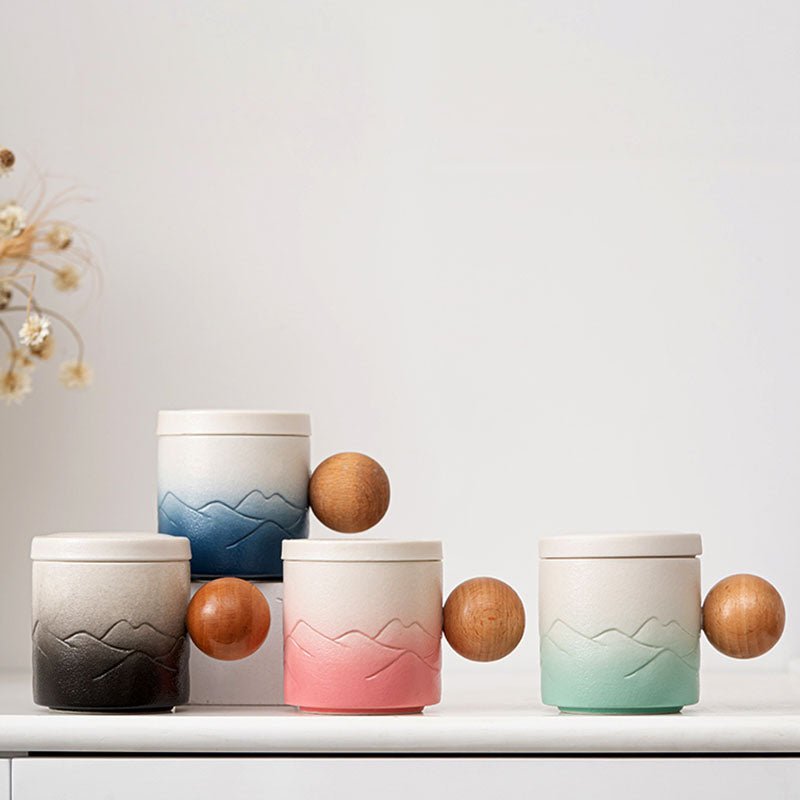
What to Compare Before Choosing a Ball Handle Ceramic Coffee Mug
A ball handled mug can look simple on the shelf and still feel wrong in hand. Compare grip comfort, size, glaze, cleanup, and gift value before you choose.
Подробнее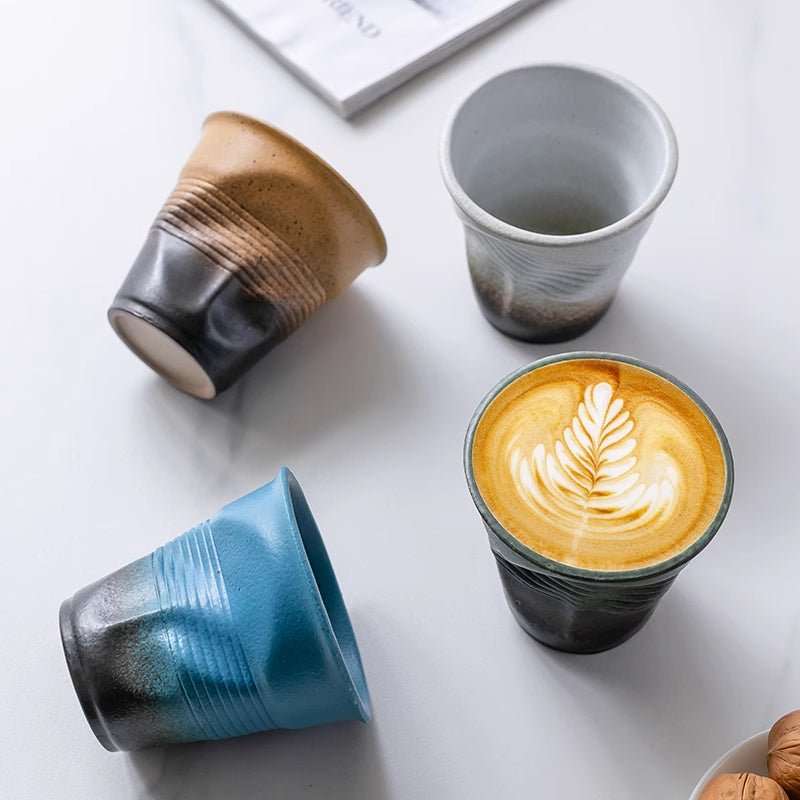
What to Compare Before Choosing a Pleated Ceramic Coffee Cup 200 ml
A 200 ml pleated cup looks simple, but the details decide whether it feels good in daily use or just looks nice on a shelf. Here’s what we compare at CoffeifyMug before we recommend it for coffee, ...
Подробнее
Оставить комментарий
Этот веб-сайт защищается hCaptcha. Применяются Политика конфиденциальности и Условия использования hCaptcha.