
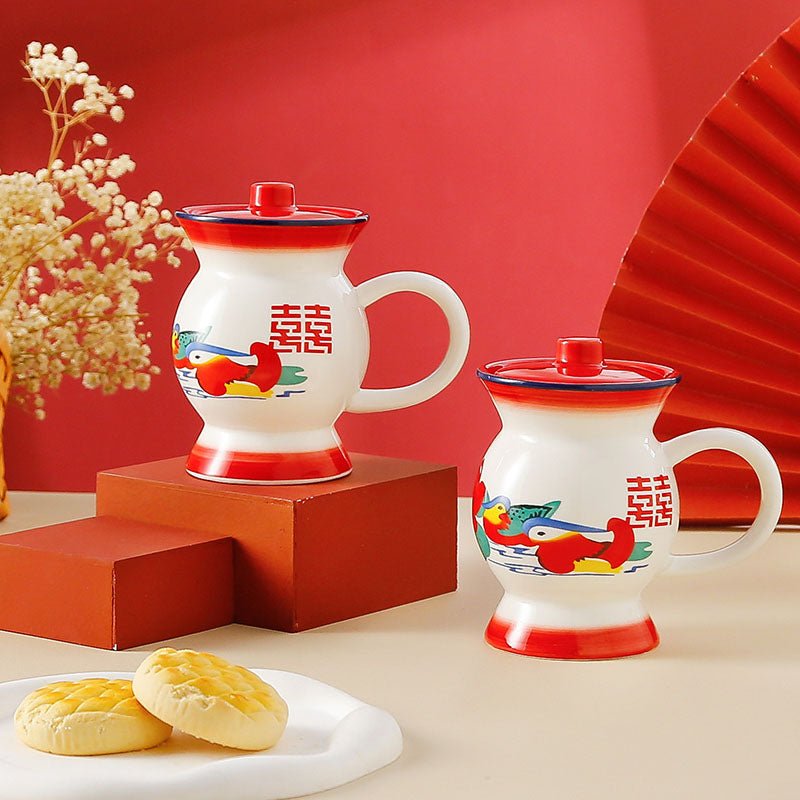
Oversized Mugs: Choosing the Right Size, Shape, and Everyday Use
Reading time: about 10 minutes
Some oversized mugs look perfect on the shelf and feel wrong the moment they are full. The usual problems show up fast: the mug is too heavy after the last few sips, the handle feels cramped, or the wide body cools coffee quicker than expected.
In our store, we see shoppers buy oversized mugs for three very different reasons: slow morning coffee, office desk refills, and gifts that feel a little more substantial than a standard cup. The best choice depends on how the mug is built, not just how much it holds.
If you want to browse first, start with our full collection and compare individual styles like the Pleated Coffee Tea Cup, the Golden Waves Kio Coffee Tea Mug, and the Flow Coffee Tea Mug. Then use the sizing details below to decide what will actually work on your counter, desk, or gift shelf.
What counts as an oversized mug for everyday use?
For shoppers, oversized mugs usually start around 14 ounces and move up from there. The sweet spot for many buyers is 16 ounces, because it leaves room for coffee plus milk or cream without feeling unwieldy. Once you get into 18 ounces and beyond, the mug starts to behave more like a small bowl with a handle than a standard cup.
The number on the listing matters, but it does not tell the whole story. Two mugs can both be labeled 16 ounces and still feel completely different in the hand if one is tall and narrow while the other is short and wide. We look at three things first:
- Capacity: how much liquid it actually holds before reaching the rim.
- Body shape: whether the mug is straight-sided, tapered, or rounded.
- Handle clearance: whether four fingers can fit comfortably without scraping the mug wall.
If you are comparing against smaller daily-use options, our guides on 12 oz coffee mugs and 14 ounce coffee mugs are useful reference points. They make it easier to see where a true oversized mug starts to feel different in daily use.
Which size fits coffee, tea, and long desk sessions?
The right size depends on how you actually drink. A mug that is perfect for a long workday can be overkill for a quick espresso-based drink. A mug that feels cozy for tea can look too bulky if you want a neat, compact setup on a small kitchen tray.
| Size range | Best for | Main advantage | Main trade-off |
|---|---|---|---|
| 14 oz | Single large coffee, tea, smaller desks | Feels generous without getting too heavy | Less room for milk, foam, or extra refills |
| 16 oz | Most everyday coffee drinkers | Balanced size for comfort and capacity | Can feel bulky if the wall is thick or the mug is wide |
| 18 oz and up | Long desk sessions, large tea pours, soup-like use | Plenty of room for larger servings | Heavier when full and less convenient under low brewers |
For buyers who want more context around the middle of that range, our 16 ounce coffee mugs guide helps explain why 16 oz is such a common starting point. It is usually the first size that feels genuinely oversized without becoming awkward to lift one-handed.
There is also a practical side people do not always think about at checkout. Larger mugs take up more shelf space, more dishwasher rack space, and more room under a coffee machine if you brew directly into the cup. If your setup already feels tight, a very large mug may create annoyance long before it creates comfort.
What materials and finishes hold up best?
For oversized mugs, material matters because extra capacity usually means extra weight. Stoneware tends to feel sturdy and substantial, which many people like for desk use. Ceramic is common, practical, and easy to live with. Porcelain is typically lighter and often a little thinner, which can feel elegant but may not give you the same solid hand-feel.
We also pay attention to the finish. A glossy glaze is usually easier to wipe clean after coffee or tea stains. A matte surface can look more refined, but it may show utensil marks or fingerprint smudges faster. Neither is automatically better; the right choice depends on whether you value easy cleanup or a more tactile finish.
There are a few detail checks that matter more than people expect:
- Rim thickness: a thick rim can feel sturdy, but a thinner rim often improves the drinking experience.
- Base flatness: a mug should sit level without a wobble on a kitchen counter or office desk.
- Handle join: the joint between handle and body should feel smooth, with no sharp edges where fingers rest.
- Glaze quality: tiny pinholes or uneven glaze spots can be cosmetic, but they are worth checking before purchase if you want a cleaner finish.
If you want a broader breakdown of shapes and materials, our article on oversized mugs covers the buying logic in more detail. It is especially helpful if you are choosing between a mug that feels decorative and one that is built for daily handling.
One trade-off worth saying plainly: oversized mugs are not always the best pick for people who want the lightest possible cup. If you already dislike heavy ceramic mugs, a large format can become tiresome by the end of a drink, especially when the mug is filled to the top.
Which mug shapes feel better in the hand?
Shape changes the experience as much as capacity. A 16-ounce mug with a smart shape can feel easier to use than a 14-ounce mug that is too wide, too squat, or too top-heavy. We see this most often when shoppers compare a decorative mug to a simple everyday one.
Here is how the common shapes behave in real use:
- Tall and narrow: feels easier to lift, usually fits better under a brewer, and keeps heat a little longer because the liquid surface is smaller.
- Short and wide: feels roomy and relaxed, but it cools faster and can be harder to grip if the body flares too much.
- Tapered or curved: gives a more balanced hand-feel and often makes the mug less likely to feel top-heavy when full.
Handle shape matters just as much. A handle that looks large enough in photos can still be too tight if the inner opening is narrow or the mug wall sits close to your knuckles. If you drink with two fingers through the handle, check the opening carefully. If you prefer three or four fingers, that detail matters even more.
For shoppers still narrowing things down, our buying guide on oversized coffee mugs is useful because it focuses on the real trade-offs: grip, balance, and how the mug behaves once it is full. That is where most online decisions are actually made.
There is one more practical point. A beautiful oversized mug is not the best choice if you like to carry hot drinks around the house while doing other tasks. The bigger the mug, the more chance of a spill if the handle is small or the body is tall and full.
Which oversized mugs in our store suit different buyers?
If you want to compare specific styles rather than shopping by size alone, these three options give you different looks and hand-feels. We recommend starting with the use case first, then choosing the design that fits it.
- Pleated Coffee Tea Cup if you want texture and a more detailed surface. The pleated form feels a little dressier on a breakfast table and can make an everyday mug feel more intentional.
- Golden Waves Kio Coffee Tea Mug if you want a mug that reads as more decorative. This is the style we would point to for gift buyers who want something that feels a step up from plain drinkware.
- Flow Coffee Tea Mug if you prefer a calmer silhouette and a simpler look. It suits buyers who want oversized capacity without making the mug the loudest object on the table.
We do not treat one shape as universally better. A more sculpted mug can look fantastic and still be the wrong choice if you need easy stacking, a compact cupboard footprint, or a cup that disappears under a low coffee machine. A simpler shape may be less dramatic, but it is often easier to live with every day.
In our experience, the best oversized mugs are the ones that feel good after the third refill, not just in the product photo. That is why we always encourage shoppers to check capacity, handle clearance, and overall balance before deciding on design alone.
How do you care for oversized mugs so they last?
Caring for oversized mugs is mostly about avoiding the small problems that show up over time. Coffee and tea stains are predictable. Chips from stacking and rough handling are more avoidable. A little care goes a long way, especially with thicker ceramic or stoneware pieces.
- Rinse sooner rather than later: coffee and tea leave less staining if the mug is rinsed after use.
- Check the base before stacking: decorative rims and thick handles can rub against other mugs in a crowded cabinet.
- Use a soft sponge on decorated finishes: abrasive pads can dull glaze or mark printed surfaces.
- Dry the foot ring: a damp base can leave rings on shelves and sometimes sticks slightly if mugs are nested tightly.
- Follow the listing for dishwasher or microwave use: if care instructions are not clearly stated, treat the mug more gently until you confirm them.
We also look for the defects that matter most in daily use, not just on unboxing day. A tiny glaze mark may be cosmetic. A rough handle edge, a wobble on the counter, or a chip-prone rim is a bigger issue because you feel it every time you pick up the mug. Those are the details that separate a mug you keep from one you relegate to the back of the cabinet.
Oversized mugs are not the best option if you want a lightweight travel-style cup or something you can toss into a bag. They are home mugs. Desk mugs. Slow morning mugs. That is the right job for them, and they do it best when the shape and finish are chosen with that job in mind.
Frequently asked questions
How many ounces should an oversized mug be?
For most shoppers, oversized mugs start around 14 ounces and feel clearly oversized at 16 ounces. If you like extra room for milk, tea bags, or a bigger pour, 18 ounces and up may make sense. The best size depends on whether you want a generous daily mug or something that acts more like a large vessel.
Are oversized mugs too heavy for daily use?
They can be if the walls are thick or the mug is filled near the top. A well-balanced 16-ounce mug is often comfortable for daily use, but very large stoneware mugs can feel tiring for some people. If hand comfort matters most, check the handle opening and the mug's empty weight feel before buying.
Can oversized mugs go in the dishwasher and microwave?
That depends on the specific mug and finish. Many ceramic and stoneware mugs can handle both, but decorative coatings, metallic details, or specialty glazing may need gentler care. Always follow the product listing for the exact care guidance on the mug you choose.
Are oversized mugs better for coffee or tea?
They work well for both, but for different reasons. Coffee drinkers usually like the extra room for cream or milk, while tea drinkers often appreciate the larger volume for longer sipping. If you want a mug that stays manageable in one hand, a mid-sized oversized mug is usually the safer bet.
What should I check before buying an oversized mug online?
Check the ounce capacity, the handle size, the mug's overall width, and whether it fits under your coffee maker or in your dishwasher rack. Photos can hide the difference between a balanced mug and one that feels bulky. If the listing gives dimensions, compare them with a mug you already use and like.
If you are deciding between shapes, start with the full collection, then compare the listed capacity, handle clearance, and care notes for the mug you would actually use every day. That is the quickest way to separate a mug you will keep from one that only looks good online.
Read more
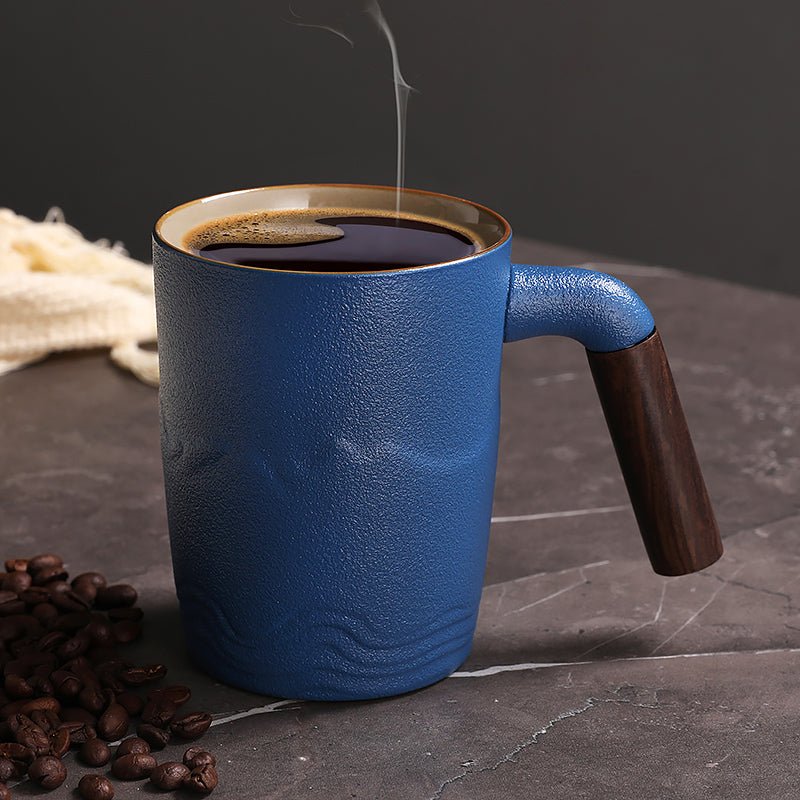
Fiesta Coffee Mugs: How to Choose the Right Shape and Size
Fiesta coffee mugs are a buy-once, use-every-day decision. We compare shape, size, finish, and cleanup so you can choose a mug that feels right on the counter, at the desk, or in a gift box.
Подробнее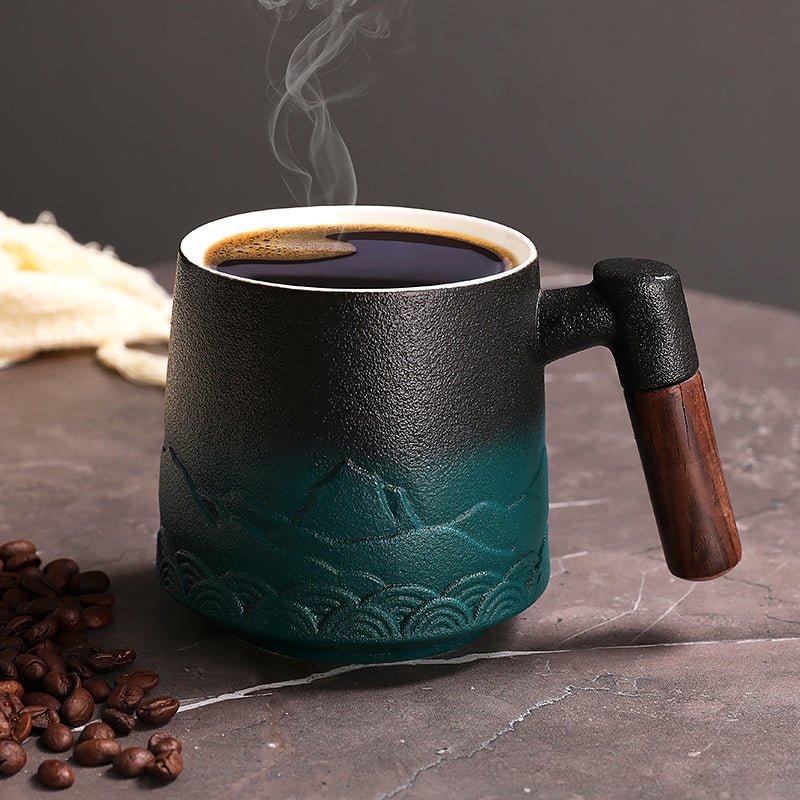
Bones Coffee Mugs: What to Check Before You Buy
If you are comparing bones coffee mugs, the details that matter are fit, glaze quality, handle comfort, and whether the mug suits daily coffee or display only. We break down the trade-offs and poin...
Подробнее
Оставить комментарий
Этот веб-сайт защищается hCaptcha. Применяются Политика конфиденциальности и Условия использования hCaptcha.