
Oversized Coffee Mug: How to Pick the Right Big Mug
Reading time: about 9 minutes
A 24 oz mug looks great on a shelf. It feels less great the first time you try to slide it under a low cabinet, rinse it in a crowded dishwasher rack, or hold it with one hand while it is full. That is the real decision behind an oversized coffee mug: not just how much it holds, but whether it fits your routine.
We handle a lot of mug buyers in our store, and the same pattern shows up again and again. People want a bigger cup for slow mornings, desk refills, tea, or even broth and soup, but they still want a mug that feels comfortable in the hand. The right oversized coffee mug should solve a problem, not create one.
What counts as an oversized coffee mug?
For most shoppers, an oversized coffee mug starts above the standard everyday range. A typical mug is often around 10 to 16 oz. Once you move into 20 oz and 24 oz territory, you are buying for fewer refills, not just a bigger serving.
That shift matters because the mug changes in more than one way. The wall may be thicker, the handle may need to be larger, and the mug may take up more cabinet space. A mug that looks simple in photos can feel bulky on a small office desk or a narrow kitchen shelf.
If you are comparing sizes, our related guides can help you separate what looks big from what actually works. Start with 16 Ounce Coffee Mug Buyer’s Guide: Size, Material, and Fit, then compare it with 20 oz Coffee Mug: What to Check Before You Buy and 24 oz Coffee Mug: What to Check Before You Buy.
For many buyers, the sweet spot is not the biggest option. It is the size that matches the amount you actually drink before the coffee cools down.
Who actually benefits from a larger mug?
An oversized coffee mug is useful when refills are annoying, not when the mug just feels impressive. We see the best fit in a few real-world situations:
- Remote workers who keep a mug at a desk for longer stretches and do not want to get up every 10 minutes.
- People who drink drip coffee, tea, or hot chocolate slowly and do not want a second pour.
- Buyers who use one mug for coffee in the morning and something lighter like broth or herbal tea later in the day.
- Gift buyers who want a practical present that feels substantial without moving into a novelty shape.
There is a limit, though. If you mostly drink espresso, small-batch pour-over, or a short cup before leaving the house, an oversized mug is usually the wrong choice. It can cool too slowly, feel heavy, and occupy more space than you need.
That is why we encourage buyers to think about the cup as a tool. If the mug stays on a kitchen counter, moves between a microwave and a desk, or spends time in a dishwasher every day, the shape should make those steps easier, not harder.
Which materials and build details should you check?
Material matters more as the mug gets larger. A bigger cup holds more liquid, so the weight, heat retention, and handle design all become more noticeable. In practice, we usually help shoppers compare ceramic, stoneware, and glass styles first.
| Material | What it does well | What to watch for |
|---|---|---|
| Ceramic | Common, versatile, and easy to match with everyday kitchen use | Can feel heavier if the wall is thick; glaze quality matters |
| Stoneware | Often sturdy and good at holding heat | Can be dense, which makes a very large mug tiring to hold when full |
| Glass | Useful if you want to see the drink and prefer a lighter visual profile | May not keep heat as long and can be less forgiving with daily handling |
Three details are worth checking before you buy any oversized coffee mug:
- Handle clearance. Your fingers should fit without touching the cup wall. A large mug with a small handle feels awkward fast.
- Rim thickness. A rim that is too thick can make sipping feel clumsy; a well-shaped rim helps the mug feel balanced.
- Base and foot ring. The mug should sit flat. If the foot ring is uneven, it can wobble on a countertop or leave a poor impression on a table.
Care instructions are part of the build quality too. If a maker says dishwasher safe or microwave safe, follow those instructions exactly. If the finish is delicate, hand washing will usually protect it longer. For shiny decals, metallic details, or hand-painted looks, repeated dishwasher cycles can dull the surface over time.
If you want a broader size comparison before choosing, our guide on Average Coffee Mug Size: What Buyers Should Know Before Ordering is a useful checkpoint before you commit to a larger cup.
How do 16 oz, 20 oz, and 24 oz mugs compare in daily use?
Size is not just about capacity. It changes how the mug feels in your hand, how quickly the drink cools, and how often you need to refill it. Here is the practical version we use when helping customers compare options.
| Size | Best for | Main trade-off |
|---|---|---|
| 16 oz | Everyday coffee drinkers who want one solid cup without going oversized | Less capacity if you prefer longer sipping sessions |
| 20 oz | Buyers who want a larger daily mug without moving into very bulky territory | Can still feel large on a compact desk or in smaller cabinets |
| 24 oz | Heavy coffee or tea drinkers, desk use, and people who want fewer refills | Heavier when full and often too large for buyers who like a lighter mug |
An oversized coffee mug is not automatically better than a standard one. A 24 oz piece can be excellent for a long home-work session, but it is not ideal if you walk to the car with coffee in hand, keep your mug in a crowded office kitchen, or want something that feels delicate and easy to lift.
We also see buyers underestimate volume. A mug that looks only slightly bigger than another can hold a noticeably different amount. That is why the actual ounce number matters more than the photo angle.
If you are still deciding between medium and large, the 20 oz and 24 oz guides above will help you separate practical capacity from shelf appeal.
What can go wrong with an oversized mug?
Big mugs are useful, but they have a few failure points that buyers should know before ordering. Most of these are not dramatic. They are the small annoyances that make a mug feel wrong after a week.
Common problems include:
- Too much weight when full. A mug can be comfortable empty and tiring once it is loaded with coffee.
- Poor handle geometry. If the handle is too narrow or too close to the cup body, your knuckles hit the ceramic.
- Heat retention that works against you. A large volume can keep coffee hot longer than you want if you prefer a quick drink.
- Cabinet and dishwasher fit issues. Tall mugs may not clear shelves or rack tines cleanly.
- Hairline cracks or glaze defects. These are the kinds of problems to inspect for right away when a mug arrives.
There is also a use-case limitation. An oversized coffee mug is not the best pick for commuting, small bags, or very tight kitchen storage. If you need portability, a travel tumbler is usually a better category. If you want a lightweight everyday cup, a smaller mug may make more sense.
That trade-off is normal. The right answer is not always the biggest cup. It is the mug that works cleanly in your real routine.
Frequently asked questions
How many ounces is an oversized coffee mug?
Most shoppers start thinking of a mug as oversized once it moves past the 16 oz range. The 20 oz and 24 oz sizes are the most common comparison points because they feel noticeably bigger without becoming novelty drinkware. The best choice depends on how much coffee or tea you actually drink in one sitting.
Is a 24 oz mug too big for daily use?
Not if you want fewer refills and you drink slowly at a desk or at home. It can be too big if you prefer a lighter cup, have limited cabinet space, or do not want a mug that feels heavy when full. For many buyers, 20 oz is the more balanced everyday option.
Are oversized coffee mugs dishwasher safe?
Some are, some are not. Check the product care instructions before you buy, especially if the mug has special glaze work, printed decoration, or metallic accents. Even when a mug is dishwasher safe, repeated cycles can change the finish over time.
What is the best material for an oversized coffee mug?
Ceramic and stoneware are the most practical choices for most shoppers because they feel familiar, hold heat well, and fit everyday use. Glass can work if you want a lighter visual style, but it is usually less forgiving. The right material depends on whether you care more about heat retention, weight, or appearance.
Can I use an oversized coffee mug for soup or tea?
Yes, many buyers use large mugs for tea, broth, or a light bowl of soup. Just make sure the handle is large enough to support the extra weight and that the mug is comfortable to hold near the rim. If the mug has a very thick body, it may be slower to cool and less ideal for quick sipping.
What should you compare before you buy?
If you want the cleanest path to the right oversized coffee mug, compare three things first: capacity, handle comfort, and care instructions. Those are the details that decide whether the mug works on a real counter, in a real dishwasher, and in a real hand.
- Check the ounce size against how much you actually drink.
- Look at the handle and make sure it leaves room for your fingers.
- Confirm the material and care notes so you know whether it can handle your daily routine.
- Think about storage. If the mug has to fit under a cabinet or in a dishwasher rack, measure before you order.
If you want to compare the current options we carry, start with our product page and then browse the full range in all collections. If you are still narrowing size, use the 16 oz, 20 oz, and 24 oz guides above to match the mug to your routine before you buy.
More from our blog
Read more
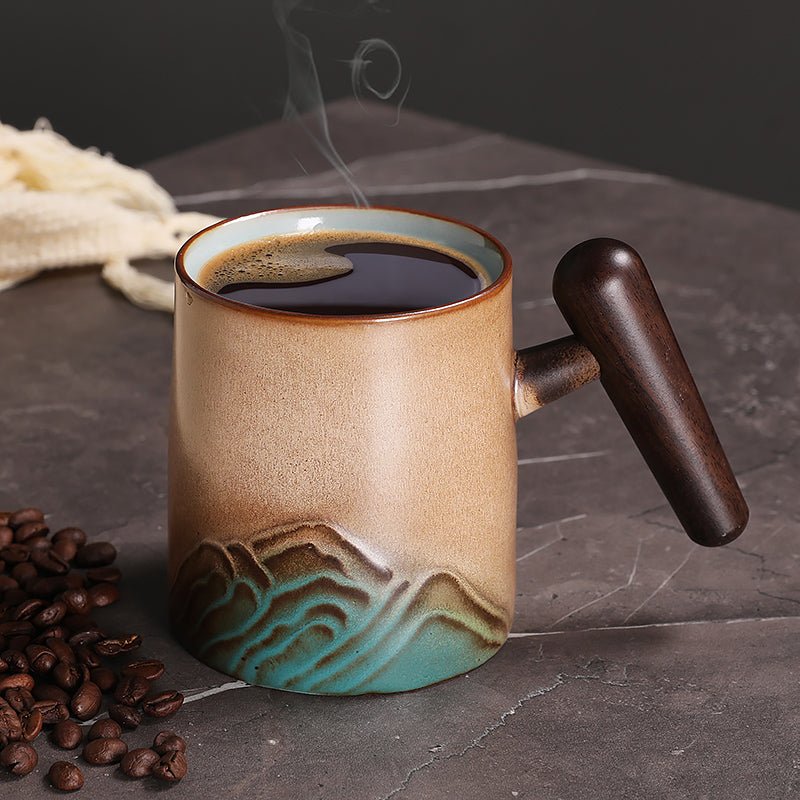
Big Coffee Mug Buyer's Guide: Size, Comfort, and Daily Use
A practical guide to choosing a big coffee mug that works at the counter, at the desk, and in the dishwasher. We cover size, material, handle shape, and the trade-offs that matter before you buy.
Подробнее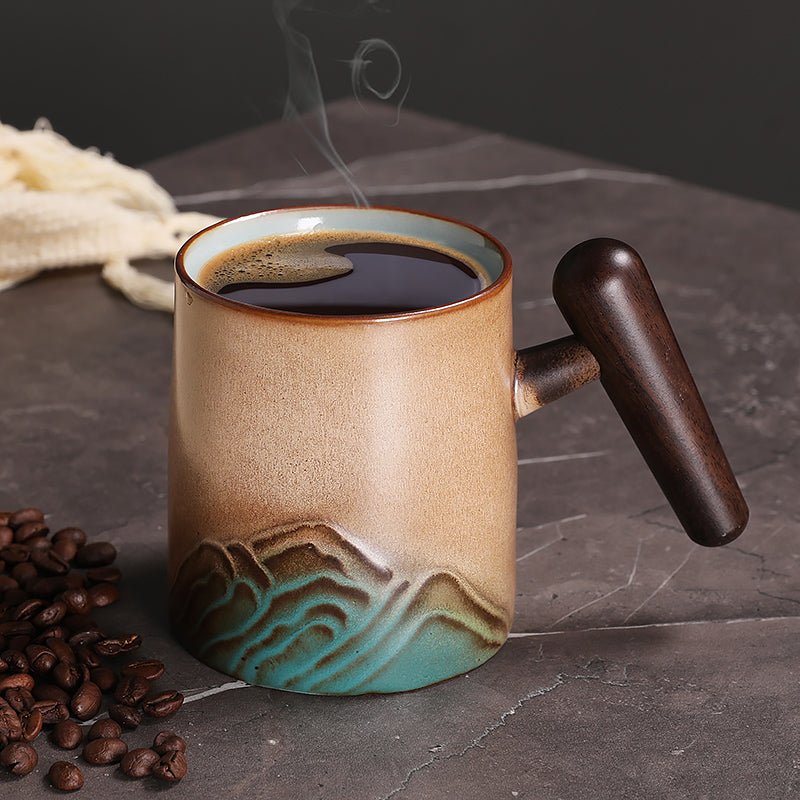
Extra Big Coffee Mugs: How to Choose the Right One for Daily Use
Extra big coffee mugs solve a real problem: one refill too many, a handle that is too small, or a cup that feels cramped on a desk. We break down what matters before you buy, from capacity and mate...
Подробнее
Оставить комментарий
Этот веб-сайт защищается hCaptcha. Применяются Политика конфиденциальности и Условия использования hCaptcha.