
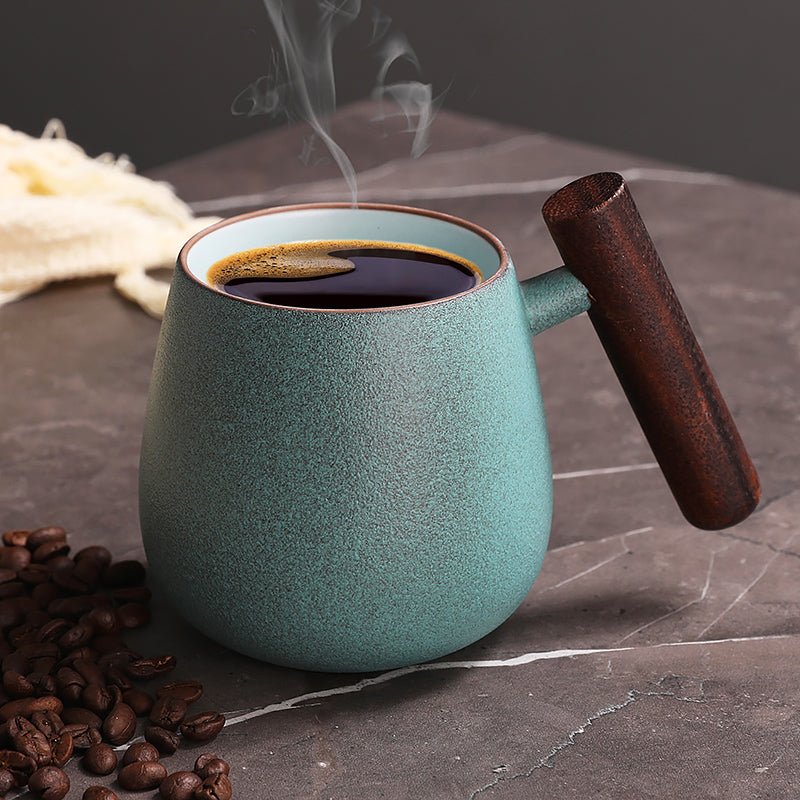
Otagiri Coffee Mugs: What Buyers Should Check Before They Buy
Reading time: about 9 minutes
We see the same pattern over and over: someone falls for the artwork on an Otagiri-style mug, then pauses when they notice a chip at the rim, a hairline crack in the glaze, or a handle that feels smaller than expected in the hand. That hesitation is justified. With otagiri coffee mugs, the difference between a nice shelf piece and a mug you reach for every morning usually comes down to a few concrete details.
At CoffeifyMug, we handle a lot of ceramic mugs that are bought for daily coffee, office desks, and gifts. In our experience, shoppers are happiest when they check size, condition, and care before they buy, not after the unboxing. If you want the practical version first, start by comparing our current mug collection at our full collection, then read on for what matters most in otagiri coffee mugs.
What makes otagiri coffee mugs different from ordinary ceramic mugs?
Otagiri coffee mugs are usually bought for their design language first. People look for vintage character, painterly decoration, scenic motifs, animals, florals, or novelty shapes that feel more collected than mass-market. That visual appeal is the main reason they stay popular, but it also means you should judge them a little differently from a plain everyday mug.
The most useful question is not just, “Do I like it?” It is, “Will I actually use it?” Some Otagiri-style mugs are perfectly practical. Others are more display-friendly than desk-friendly. A thick ceramic mug with a stable base and a comfortable handle is easier to live with than one that looks charming but feels awkward once filled with hot coffee.
We usually tell shoppers to look at three things right away:
- Material: most are ceramic or stoneware, which helps with heat retention but can add weight.
- Glaze and finish: an even glaze is a good sign; rough edges, pinholes, or crazing need a closer look.
- Handle shape: a decorative handle may look great, but it should still fit at least two fingers comfortably.
If you are still deciding whether the style fits your routine, our article Otagiri Coffee Mugs: What to Check Before You Buy goes deeper on the inspection points we use in our own store.
How do you tell if an Otagiri mug is worth buying?
Condition matters more than age alone. A clean vintage mug with a small amount of shelf wear can be a better buy than a prettier one with damage in the glaze or at the lip. We inspect the same problem areas buyers should check at home or in listings: the rim, the base, the handle joints, and the interior surface.
Here is the order we recommend:
- Check the rim first. Even a tiny chip can be uncomfortable on the mouth and often spreads over time.
- Look under the glaze and around the handle attachment. Hairline cracks often show up where the handle meets the body.
- Flip the mug over. A rough or uneven base can scratch tables and feel unstable on a desk.
- Inspect the interior. Staining is common in older mugs, but deep crazing or exposed crack lines are a caution sign.
We also pay attention to practical fit. A mug that feels good in the hand but is too narrow for a larger pour is not a daily-use mug for everyone. For shoppers who care more about capacity and workday comfort than decorative patterning, our guides on 12 oz Coffee Mugs: How to Choose the Right Mug for Daily Use and 16 oz Coffee Mugs: How to Choose the Right Mug for Daily Use are useful comparisons.
Not every mug that looks collectible is a smart daily carry. If the mug is too heavy for your grip, too tall for your cabinet, or too fragile for a dishwasher cycle, it may belong in a display rotation instead of your morning lineup.
Which details matter most for daily use?
Daily use is where a pretty mug either earns its keep or gets left behind. Our store sees the same failure points repeatedly: handles that trap heat uncomfortably, bases that feel unstable on a cluttered kitchen counter, and glaze surfaces that do not hold up well to frequent washing. For otagiri coffee mugs, the smallest functional details often decide whether the mug becomes a favorite.
| Detail | What to check | Why it matters |
|---|---|---|
| Weight | Lift the mug empty and full if possible | Heavy mugs feel substantial, but they can be tiring for long office days |
| Handle clearance | See whether your fingers fit without squeezing | A tight handle is annoying when the mug is hot |
| Rim thickness | Feel the lip with your finger | A smoother rim is usually more comfortable for everyday sipping |
| Base finish | Look for an even, unchipped foot ring | A rough base can mark wood desks and stone counters |
A good Otagiri-style mug should also feel balanced when filled. If the center of gravity sits too high, the mug can feel top-heavy on a cluttered desk or near the sink. That is one reason buyers sometimes choose a simpler mug shape for work and save the decorative mug for weekends.
If you want a more size-first approach before choosing a design, the comparison in our 14 Ounce Coffee Mugs: Size, Fit, and Buying Guide is helpful for shoppers who want a bit more capacity without jumping to oversized cups.
Are Otagiri-style mugs better as gifts or for everyday coffee?
They can work for both, but not equally well in every case. As gifts, otagiri coffee mugs do well because the design feels thoughtful and personal. They look finished right out of the box, which matters when you are gifting something small but specific. As everyday mugs, they only work if the recipient likes the weight, shape, and care requirements.
We have found these pairings work best:
- Gift use: decorative motifs, seasonal themes, and unusual shapes can make the mug feel special immediately.
- Desk use: a stable base and comfortable handle matter more than novelty.
- Home use: dishwasher-friendly construction is a major advantage if the mug will be washed often.
There is also a trade-off. The more collectible the mug looks, the more likely it is to have small handling limits. Some vintage mugs are best treated gently and washed by hand. If you need something that takes daily abuse, a sturdier modern mug may be the better purchase.
For shoppers comparing giftable styles against modern everyday silhouettes, a few of our current options are worth a look. The Planet Coffee Tea Mug has a bold, easy-to-gift look. The Rhombus Coffee Tea Mug is more geometric and restrained. The Handbag Coffee Tea Mug leans playful, which works well for a desk or a themed gift.
Those are not replacements for a true vintage Otagiri piece, but they are useful if you like the character and want a new mug with predictable condition.
What should you expect for care and durability?
Care depends on the individual mug, but the safe rule is simple: inspect the finish before you assume it is dishwasher-safe. Older decorative mugs can have delicate printed surfaces, metal accents, or glaze wear that makes frequent machine washing a bad idea. Even when a mug is sturdy, repeated high-heat cycles can gradually dull the surface or make tiny flaws more visible.
Our practical care checklist is straightforward:
- Wash by hand first if the mug is vintage, marked, or uncertain.
- Use a soft sponge rather than an abrasive pad on decorated surfaces.
- Dry fully before storage so moisture does not sit in small cracks or on the foot ring.
- Avoid sudden temperature swings, such as pouring boiling liquid into a cold mug straight from a cabinet.
Durability also has limits. If you are buying for a shared office kitchen, a daycare setting, or a busy household where mugs get stacked hard and washed often, a more modern, straightforward mug is usually the safer choice. Otagiri coffee mugs are at their best when the owner values style enough to give them a little extra care.
How do Otagiri mugs compare with modern mug shapes?
Modern mugs usually win on consistency. The dimensions are more predictable, the handles are often more ergonomic, and replacement is easier if one gets damaged. Otagiri mugs, by contrast, win on character. That is the trade-off. One is a dependable tool. The other is a useful object with personality.
If you are trying to choose between style and function, this is the simplest way to think about it:
- Choose Otagiri-style mugs if you want visual character, collectible appeal, or a gift that feels less generic.
- Choose a standard modern mug if you need stackability, easier replacement, or stronger confidence around dishwasher use.
- Choose a larger mug if you regularly make lattes, tea refills, or oversized pours and do not want to top up twice.
For buyers comparing broader size and fit choices, our guide to 16 Ounce Coffee Mugs: Size, Materials, and Fit Guide is a good next read. It helps if you are deciding between a decorative mug and something that behaves more like an everyday workhorse.
Frequently asked questions
Are otagiri coffee mugs safe for daily coffee use?
Yes, if the mug is in good condition and the finish is intact. Check for rim chips, handle cracks, and interior crazing before using it every day. If the mug is heavily worn or has unknown care history, we would treat it as a lighter-use piece.
How can I tell if an Otagiri mug is vintage or just vintage-style?
Look for maker marks, bottom stamps, and signs of age such as light glaze wear or gentle fading in the decoration. Vintage-style mugs often have a cleaner, more uniform finish and newer production markings. If you are unsure, condition clues matter as much as the mark itself.
Should otagiri coffee mugs go in the dishwasher?
Only if the specific mug is clearly marked for dishwasher use. Many older decorative mugs are better washed by hand because frequent machine cycles can wear the finish. If the mug has metallic accents or fragile printed art, hand washing is the safer choice.
What size is best if I want an Otagiri mug for office use?
A medium mug that feels stable in the hand is usually better than an oversized novelty shape. The goal is comfort, spill control, and enough capacity for a normal coffee break. If you want a larger drink, compare the mug to our 14 oz and 16 oz size guides before deciding.
What should I avoid when buying otagiri coffee mugs online?
Avoid listings that hide rim damage, show only one photo of the mug, or leave out the base and handle details. We also avoid anything with unclear care instructions if the mug is meant for daily use. A pretty photo is not enough if the piece is going to live on your desk and in your sink.
If you want the fastest path to a good buy, use this checklist: check the rim, inspect the handle, confirm the base sits flat, and decide whether you want a collectible mug or a daily-use mug. Then compare the styles in our full collection and pick the one that fits how you actually drink coffee.
Read more
Ceramic 20 oz Coffee Mug: What Buyers Should Check Before Ordering
A practical guide to choosing a ceramic 20 oz coffee mug for desk coffee, tea, and everyday use. We cover fit, heat retention, care, and the trade-offs that matter before you buy.
Подробнее
Porcelain Coffee Mug Buying Guide: Shape, Fit, and Care Tips
A porcelain coffee mug can feel clean, light, and giftable, but the right shape and rim matter more than the finish. Here is how we compare styles, size, and care before you buy.
Подробнее
Оставить комментарий
Этот веб-сайт защищается hCaptcha. Применяются Политика конфиденциальности и Условия использования hCaptcha.