
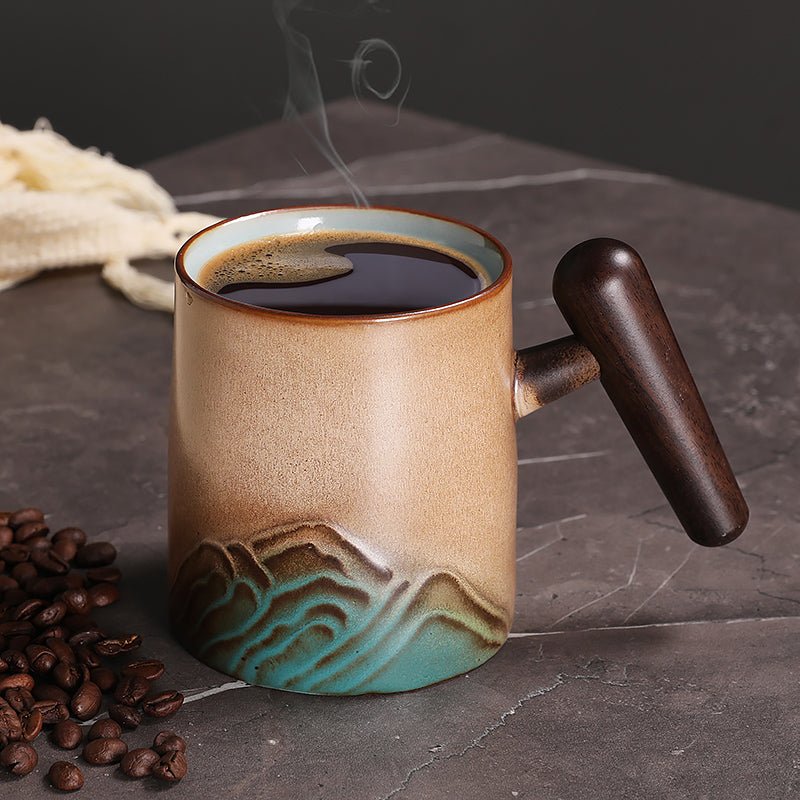
Non Toxic Coffee Mugs: What to Check Before You Buy
Reading time: about 9 minutes
A mug gets judged on the first sip and the tenth dishwasher cycle. If the rim feels rough, the handle pinches your fingers, or the glaze starts showing fine lines too soon, it stops being a daily mug and becomes a drawer problem.
That is why shoppers looking for non toxic coffee mugs usually want more than a pretty finish. They want a mug that feels solid in the hand, is easy to clean, and does not raise questions about the drinking surface. In our store, the first complaints we hear are rarely about the artwork. They are about the practical details: the handle, the weight, the mouth feel, and whether the mug was easy to keep clean after regular use.
What should a non toxic coffee mug actually guarantee?
At a minimum, a non toxic coffee mug should give you a food-contact surface that is meant for repeated drink use, with a glaze and decoration that are suitable for hot beverages. That sounds simple, but the details matter. A mug can look clean on the shelf and still have a bad rim, uneven glaze, or decorative accents that make it a poor fit for microwave use.
For buyers, the safest way to think about the phrase is this: it should not require guesswork. If the product page or packaging clearly states the mug is food-safe, and it explains care in a straightforward way, that is a better sign than vague marketing language. If a seller is specific about materials and finish, that is usually a better sign than a label that only says "safe" without context.
A mug can look clean and still fail the basics: crooked handle, rough rim, or a glaze with pinholes.
We also encourage shoppers to look at the whole use case. A mug for black coffee on a desk is not the same as a mug for tea, cocoa, or reheated drinks. If you use a mug every day, the non-toxic question includes cleaning, durability, and whether the mug can survive normal kitchen life without getting fussy.
Which materials make the best practical daily mug?
There is no single material that wins every category. The right choice depends on how you drink, wash, and store your mugs. Here is the practical breakdown we use when helping shoppers compare options.
| Material | What it does well | Trade-off | Best for |
|---|---|---|---|
| Porcelain | Smooth glaze, lighter feel, clean drinking surface | Can feel more delicate than thicker mugs | Desk use, tea, and shoppers who want a refined feel |
| Stoneware | Thicker walls, sturdy feel, good heat retention | Heavier and sometimes bulkier in the cabinet | Daily coffee drinkers who prefer a solid mug |
| Glass | Easy to inspect, no hidden glaze texture | Less insulating and more fragile | People who want to see the drink and rinse fast |
| Stainless steel | Tough and travel-friendly | Less like a classic mug and can affect the drinking experience | Travel, commute, and outdoors rather than the kitchen counter |
For most shoppers comparing non toxic coffee mugs for home use, ceramic types such as porcelain or stoneware are the most practical starting point. They are easy to live with, usually comfortable to drink from, and do not need special handling in the way some travel materials do. The downside is weight. A thicker stoneware mug may be a little heavier than you want if you only drink one cup and move around the house with it.
If you want to compare shapes and styles side by side, start with our all mugs collection. That makes it easier to compare giftable mugs, everyday desk mugs, and more decorative pieces without bouncing between unrelated products.
What details should you inspect before buying online?
Online mug shopping is mostly about reading the product page like a buyer, not like a browser. The picture can tell you the style. The description should tell you whether the mug is actually right for daily use.
- Check the rim. A good mug should have a smooth drinking edge with no visible chips, sharp spots, or obvious glaze breaks.
- Check the handle. It should allow a natural grip without pressing your knuckles against the cup body.
- Check the finish. Look for even glaze coverage, especially around the base, rim, and handle join.
- Check microwave and dishwasher notes. If the mug has metallic trim, gold accents, or unusual decorative elements, assume it may not belong in the microwave unless the seller says otherwise.
- Check the foot ring. A clean, stable base matters on smooth counters and office desks where mug wobble gets annoying fast.
One common defect mode is glaze crazing, which looks like a fine network of lines in the surface finish. It does not always mean a mug is unusable, but it is not something we would ignore on a mug meant for regular food contact. Another issue is a rough or uneven foot ring. That can scratch tables and make the mug feel unfinished, even if the design is attractive.
If a brand does not specify the material, glaze, or care instructions, ask before you buy. We treat that as a real gap, not a minor omission. A non toxic mug should not rely on the shopper guessing what touched the drinking surface.
Which size and shape work best for coffee, tea, and office use?
Capacity matters more than most people expect. A mug that is too small forces a refill. A mug that is too large cools slowly, takes up cabinet space, and can feel awkward if you only drink a short pour.
For compact daily use, the 12-ounce range is usually the cleanest fit. If you want to compare how that size behaves on a desk or in a kitchen routine, our article 12 oz Coffee Mugs: How to Choose the Right Mug for Daily Use is a useful starting point. If you prefer a middle-ground mug with a little more room, see 14 Ounce Coffee Mugs: Size, Fit, and Buying Guide. For bigger pours and longer sipping sessions, 16 Ounce Coffee Mugs: Size, Materials, and Fit Guide is the better comparison.
Shape matters just as much as capacity. A straight-sided mug can feel modern and stack neatly. A slightly tapered mug can be easier to hold and may feel better for tea. A wider mouth helps with cleaning and cooling, while a narrower mouth can hold heat longer. None of those are universally better. They just solve different problems.
In practice, we see three use cases come up again and again:
- Office desk mug: stable base, comfortable handle, moderate capacity, easy to clean.
- Home morning mug: good heat retention, no awkward rim, enough capacity for a full pour.
- Gift mug: distinctive look, sturdy feel, and a size that does not feel overly specialized.
If you are trying to narrow the choice further, our related size guide 16 oz Coffee Mugs: How to Choose the Right Mug for Daily Use is helpful for shoppers who know they want a larger everyday cup rather than a compact one.
Which mug styles are worth considering if you want something practical and giftable?
Some buyers want a mug that disappears into routine. Others want one that feels personal enough to gift without looking generic. That is where decorative mugs can work well, as long as the design does not get in the way of everyday use.
Our store carries pieces that fit that middle ground. The Elk and Moon Coffee Tea Mug has a calm, story-like look that works on a kitchen shelf or office desk. The Koi Fish Coffee Tea Mug is a stronger visual pick if you want something with movement and color. The The Crane Coffee Tea Mug feels more minimal and can suit buyers who want a cleaner, quieter design.
These are the kinds of mugs people keep if they like the way a cup looks as much as the way it pours. They are not the best choice if you want a plain white workhorse mug that disappears into a stack. They are also not the right pick if your top priority is maximum thermal insulation or a travel-safe lid. That trade-off matters. A giftable mug should still be comfortable to drink from, but it may not be the best mug for commuting, camping, or rough daily handling.
For shoppers comparing all available styles in one place, our all mugs collection is the easiest way to see what fits your table, your shelf, and your budget expectations before you commit.
How do you care for a mug so it stays safe and usable?
Good care does not make a bad mug good, but it can keep a good mug in circulation for a long time. The basics are simple: wash it before first use, avoid sudden temperature swings, and do not keep using a mug that develops chips on the drinking rim.
- Wash gently after first use. This removes any manufacturing dust or residue from packaging.
- Avoid thermal shock. Do not move a very cold mug straight into boiling liquid, or a hot mug onto a frozen counter.
- Dry fully before storage. That keeps the base and handle area from holding moisture in a cabinet.
- Retire chipped mugs. A chip on the rim changes both comfort and cleanliness.
If the product page gives specific care instructions, follow those first. That is especially true for decorated mugs, because printed or accented surfaces can have different wash tolerances than plain glaze. When care is unclear, hand-washing is the safer default for preserving the finish.
Frequently asked questions
How do I know if a mug is actually non toxic?
Look for clear product information about the food-contact surface, glaze, and care instructions. If a seller only uses vague language and does not explain materials, that is not enough for a careful purchase. A trustworthy listing should tell you enough to judge whether the mug fits normal daily use.
Are ceramic mugs always non toxic?
No. Ceramic is a material, not a safety guarantee. The glaze, decoration, and firing process matter too, which is why the product page needs to be specific about what touches your drink.
Can I put a decorative mug in the microwave?
Only if the seller says it is microwave safe. Metallic accents, gold trim, and some decorative finishes should be kept out of the microwave unless the product information clearly says otherwise.
What is the best mug shape for everyday coffee?
A comfortable handle, a stable base, and a size that matches how much you actually drink matter more than any single style trend. If you like a quick, easy pour, a medium-capacity mug is often the most forgiving choice.
What should I avoid if I want a mug for daily use?
Avoid mugs with rough rims, loose-feeling handles, or finishes that do not explain care clearly. If you want a workhorse mug, skip styles that are clearly meant for display only or for occasional use.
If you are comparing options now, use a short checklist: material, glaze detail, handle comfort, capacity, and care notes. Then compare the everyday shapes in our all mugs collection and narrow it down to the mug you would actually reach for on a busy morning.
Read more
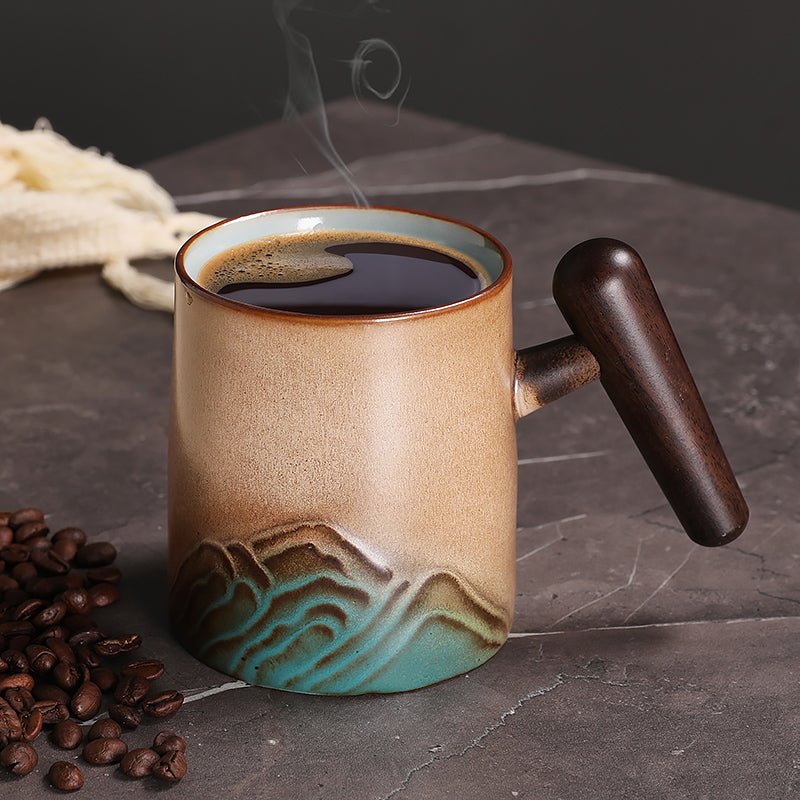
Large Ceramic Mugs: What Buyers Should Check First
Large ceramic mugs work best when the handle, rim, and base fit your routine, not just your coffee order. We break down what to check before you buy and which of our mugs fits each use case.
Подробнее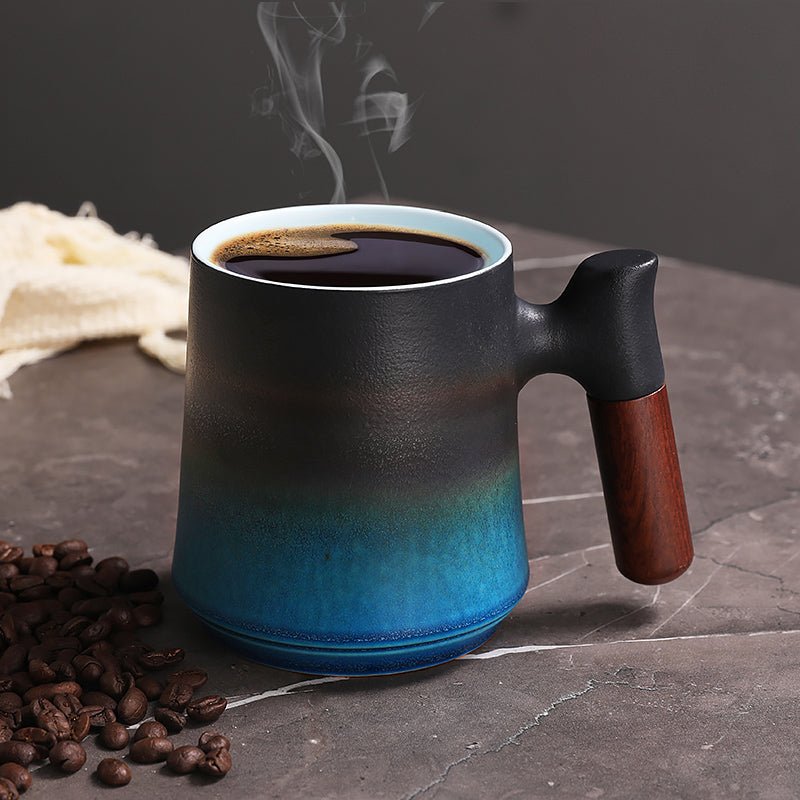
Giant Coffee Mugs: How to Choose the Right Size and Shape
Compare giant coffee mugs by shape, comfort, and daily use so you can pick one that fits your coffee routine, desk space, and cleanup habits.
Подробнее
Оставить комментарий
Этот веб-сайт защищается hCaptcha. Применяются Политика конфиденциальности и Условия использования hCaptcha.