
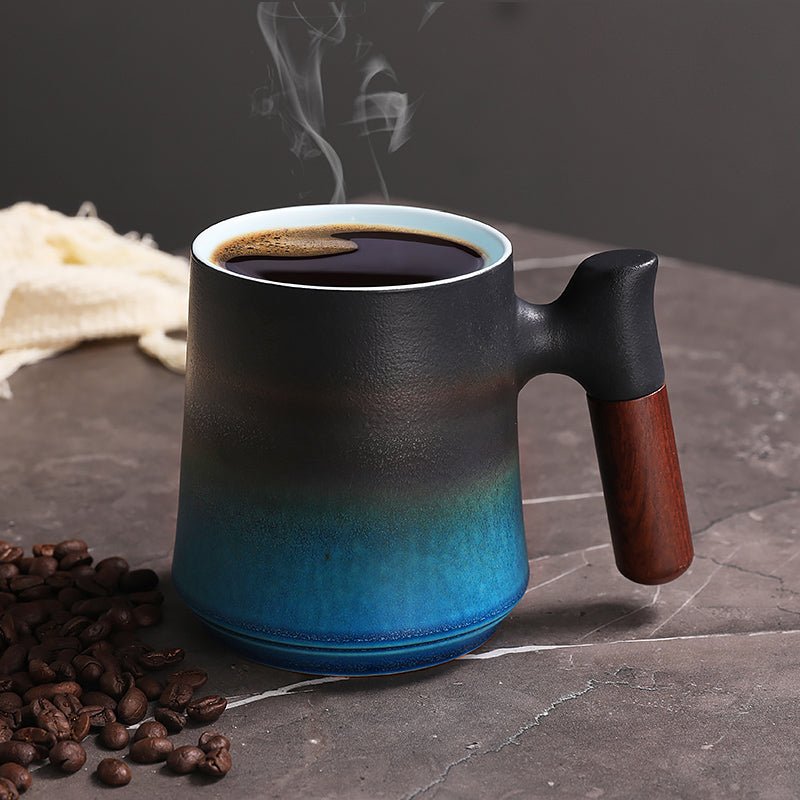
Non Breakable Coffee Mugs: Best Materials, Shapes, and Buying Tips
Reading time: about 7 minutes
A mug usually does not fail in one dramatic moment. It slips from the edge of the sink, taps the counter too hard, or takes one too many dishwasher cycles and starts showing a chip at the lip. That is the real buying problem behind non breakable coffee mugs: you are trying to reduce the ways a mug can fail in daily life, not just buy a nice-looking cup.
We handle this category as a mix of material choice, shape, and use case. If you want to browse our current mug styles first, start with our full collection. For shoppers comparing everyday shapes, the Retro Coffee Tea Cup, Ball Handled Coffee Tea Mug, and Pleated Coffee Tea Cup are good reference points for how grip, wall shape, and balance affect real use.
What does non breakable really mean in a coffee mug?
Strictly speaking, almost no coffee mug is truly non breakable. A better way to shop is to ask how resistant it is to the specific problems that happen in a kitchen, office, or gift box opening. Some mugs resist shattering. Some resist chips. Some survive drops better because the material flexes instead of cracking.
In practice, shoppers usually mean one of three things:
- Shatter resistance: a mug that is less likely to explode into pieces if it falls.
- Chip resistance: a mug that can take repeated contact with sinks, spoons, and cabinets without losing the rim.
- Everyday durability: a mug that keeps its shape, finish, and handle strength after regular washing and use.
That distinction matters. A stainless steel mug may handle drops well, but it is not the right choice for someone who wants the feel of ceramic at the lip. A ceramic mug may look and drink beautifully, but it is not the best pick if it lives on a crowded office desk or gets stacked in a busy family kitchen.
Our experience: the mug that lasts longest is usually the one matched to where it lives. Desk mug, sink mug, travel mug, and gift mug are not the same purchase.
Which materials hold up best around sinks, desks, and dishwashers?
The material does most of the work. Shape helps, but material sets the limit. If you are comparing non breakable coffee mugs, start here before you think about color or pattern.
| Material | What it does well | Main trade-off | Best fit |
|---|---|---|---|
| Stainless steel | Resists shattering and handles drops well | Can dent, may feel different at the lip, and is usually not microwave-safe | Kitchen drawers, patios, workbenches, and busy households |
| Silicone-sleeved or silicone-bodied mugs | Improves grip and adds a cushion against light knocks | Can hold onto moisture or odors if the design is poor | Home kitchens, family use, and desk setups where grip matters |
| Tempered or reinforced glass | Looks clean and can be more resistant than standard glass | Still breakable and can chip at edges | Shoppers who want a lighter visual profile and accept some risk |
| High-quality plastic or copolyester | Lightweight and less likely to shatter than ceramic | Can scratch, cloud, or absorb smells over time | Kids' spaces, shared offices, and low-risk daily drinking |
For most shoppers, the real decision is not 'hardest to break' but 'least annoying to live with.' Stainless steel is tough, but not everyone wants the taste, temperature feel, or look. Plastic is light, but some buyers dislike scratches and long-term wear. Silicone helps with grip, yet it can make a mug feel bulkier in the hand.
If you care about what touches your coffee as much as durability, our guide on Non Toxic Coffee Mugs: What to Check Before You Buy is the right companion read. Material safety and break resistance are different decisions, and shoppers often need both.
Which mug shapes are harder to tip or chip?
Shape changes durability more than most people expect. A wide, low mug with a broad base is harder to tip on a desk. A thick rim is usually less vulnerable to chipping than a thin, delicate edge. A handle with enough clearance is easier to hold without knocking the mug into a counter or faucet.
In our store, we pay close attention to how a mug behaves in the hand, not just how it looks on a shelf. The Ball Handled Coffee Tea Mug is the kind of shape many shoppers like if they want a more secure grip. The Retro Coffee Tea Cup has a classic profile that suits a desk or kitchen shelf. The Pleated Coffee Tea Cup adds texture, which some buyers like because it gives a more confident feel in the hand.
None of those shapes is drop-proof on its own. That is the trade-off. A sturdy profile can reduce accidental bumps, but if a mug is ceramic or glass, it can still chip or crack on a hard floor. If your main concern is repeated drops, material matters more than styling.
What should you check before you buy for daily use?
We recommend using a simple checklist before you buy. It keeps the decision practical and avoids the common trap of choosing by photos alone.
- Check the material first. If you need the highest drop resistance, start with stainless steel or a tough polymer rather than a decorative ceramic.
- Look at the rim and foot. Thin rims chip faster. A stable foot ring helps the mug sit better on crowded counters and desks.
- Inspect the handle connection. On ceramic mugs, the handle joint is one of the most common failure points after repeated washing and handling.
- Confirm care instructions. Dishwasher-safe does not always mean finish-safe. Repeated dishwasher cycles can dull prints, loosen decals, or leave hard-water marks.
- Think about heat behavior. Some materials stay cooler to the touch, while others transfer heat quickly. That changes comfort more than people expect.
Size matters here too. A mug that is too large can feel clumsy, especially if it is full and heavy. If you are trying to match capacity to daily routine, our 12 Ounce Coffee Mugs: Fit, Use, and Best Picks for Daily Coffee and 15 oz Coffee Mugs: How to Choose the Right One for Daily Use guides are useful side-by-side reads.
Which non breakable mug is best for office desks, kitchens, or gifts?
The right answer depends on where the mug lives. We see three common buying patterns.
For office desks: choose something stable, not too tall, and easy to grip with one hand. A mug that is less likely to tip is more useful than one that looks delicate. If you use a desk full of papers, keyboards, or laptop cables, a wide base matters.
For kitchens with kids or frequent guests: lighter, more forgiving materials are easier to live with. The mug will get knocked, stacked, and washed more often. Avoid designs with fragile-looking rims or small handles that are easy to slip through wet fingers.
For gifting: the mug has to survive unboxing, storage, and first use. This is where the finish, handle feel, and balance matter as much as durability. A mug that feels solid in the hand gives a better first impression than one that is oversized or awkward.
If you are still deciding between format and function, check the mug size guides on our blog before you buy. A durable mug that is too small gets replaced. A good-sized mug that is too fragile gets shelved. We prefer designs that solve both problems without pretending that 'non breakable' means indestructible.
Frequently asked questions
Are non breakable coffee mugs really unbreakable?
No. The phrase usually means shatter-resistant or more durable than standard ceramic or glass. Even tough mugs can dent, crack, chip, or wear down at the rim over time, so the safer goal is choosing the right material for how you use it.
Can I put a non breakable coffee mug in the microwave?
Sometimes, but not always. Stainless steel should not go in the microwave, and some plastic or silicone designs are not suitable for high heat. Always check the care instructions before you heat anything.
What is the most durable material for everyday coffee use?
For pure drop resistance, stainless steel is usually the most durable option. For a more familiar drink feel, some shoppers prefer reinforced or thicker-walled materials, but those still involve trade-offs in heat, weight, or microwave use.
Do non breakable mugs keep coffee hot longer?
Some do, but not automatically. Double-wall stainless steel usually holds heat better than thin ceramic, while lightweight plastics and open ceramic mugs lose heat faster. If heat retention matters, pay attention to wall construction as much as the material.
What should I choose if I hate heavy mugs?
Choose a lighter material and a shape with a comfortable handle opening. Heavy mugs can feel secure, but they are not always the best pick for people who drink at a desk or carry the mug room to room.
If you want the shortest path to a better purchase, start with your use case: desk, kitchen, or gift. Then compare material, rim thickness, handle comfort, and care instructions. If you want to browse durable everyday styles now, go back to our collection and compare the mugs that fit the way you actually drink coffee.
Read more
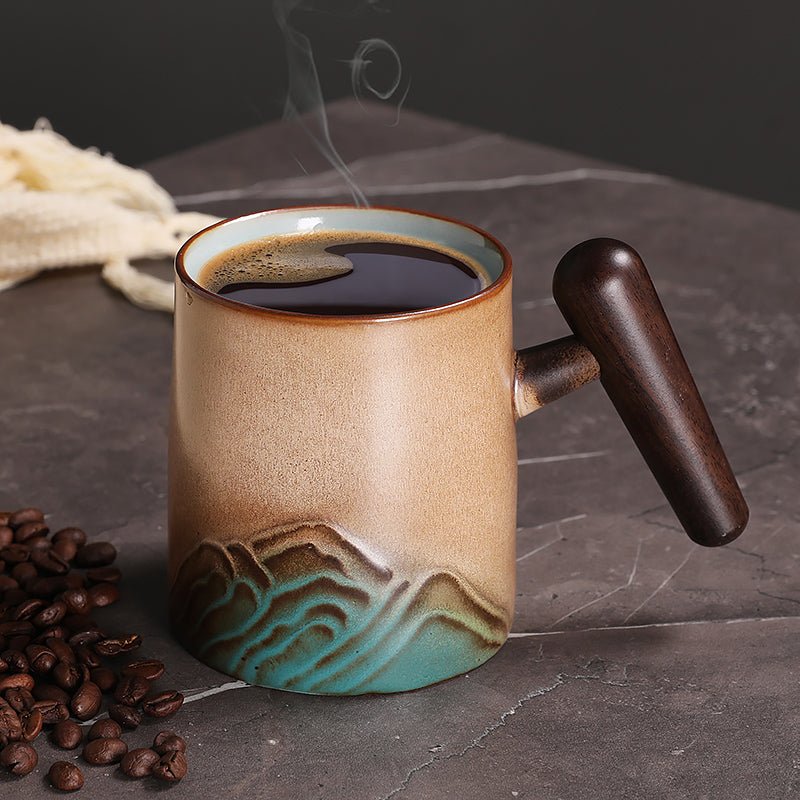
Mimi Coffee Mug: What to Check Before You Buy One
A mimi coffee mug works best when you want a smaller, balanced mug for desk coffee, tea, or shorter pours. This guide covers the checks that separate a useful everyday mug from one that just looks ...
Подробнее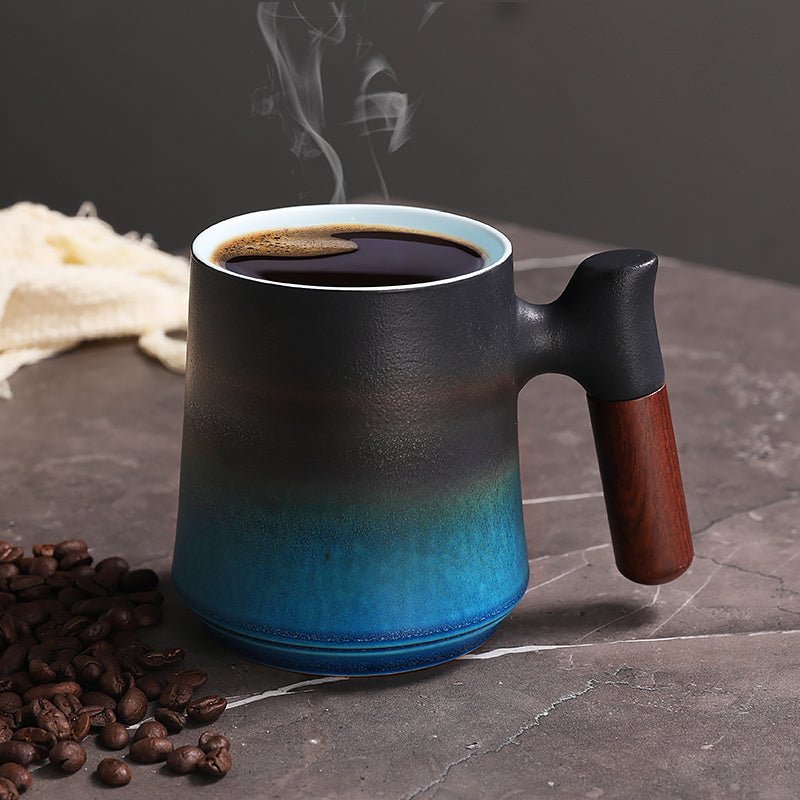
Coffee Mugs and Stand: How to Choose a Practical Set
Coffee mugs and stand setups only work well when the mugs sit securely, feel good in hand, and fit your counter space. We break down real trade-offs, care needs, and the best picks for daily use.
Подробнее
Оставить комментарий
Этот веб-сайт защищается hCaptcha. Применяются Политика конфиденциальности и Условия использования hCaptcha.