
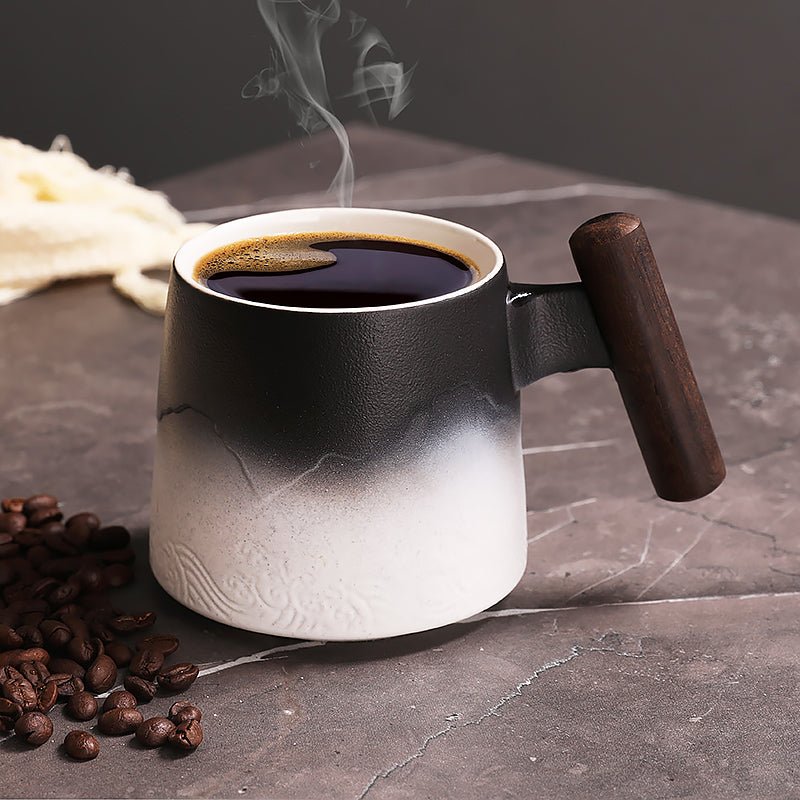
National Park Coffee Mugs: What to Check Before You Buy
Reading time: about 9 minutes
A park-shop mug looks right in a photo, then feels wrong on a kitchen counter the first time you pour coffee into it. The handle is tight, the base rocks a little, or the print starts to look fragile after a few dishwasher runs. That is why national park coffee mugs are worth comparing the same way we compare any mug that has to survive daily use, gift wrapping, and real cleanup.
In our store, we see two types of buyers over and over: people who want a souvenir that feels tied to a specific trip, and people who want a dependable mug that just happens to have a park-style look. If you want a cleaner mug shape to pair with a park-themed gift, start with our Planet Coffee Tea Mug, Rhombus Coffee Tea Mug, and Handbag Coffee Tea Mug, then compare the rest of your options in our all collection.
What should you check first on a national park coffee mug?
The best first pass is simple: look past the artwork and check how the mug will actually behave at home, at work, or in a gift box. A strong design can still be a poor buy if the mug feels awkward in hand or if the finish looks delicate enough to baby forever.
- Capacity: Make sure the mug matches the way the drinker pours coffee. A smaller cup suits a straight morning drip, while a larger one works better for tea, lattes, or longer desk sessions.
- Handle clearance: A handle should leave enough room for fingers without pinching. If the opening looks tiny in the product photos, it will usually feel tiny in person.
- Base stability: Look for a flat, even base that sits cleanly on a counter. A mug that wobbles on a table gets annoying fast.
- Finish and print placement: Artwork that sits too close to the rim or handle can wear unevenly. Centered graphics usually age better.
- Care instructions: If you want low-maintenance daily use, check whether the mug is dishwasher safe, microwave safe, or hand wash only.
Those are the details that matter after the unboxing moment is over. A mug can feel like a great souvenir and still be the wrong mug for a shared office kitchen or a busy home dishwasher.
Which mug size works best for daily coffee?
Size is where a lot of buyers get tripped up. A national park mug can be sentimental first and practical second, but if the capacity is off, it will stay in the cabinet instead of getting used.
| Size | Best for | Main trade-off |
|---|---|---|
| 10 oz | Smaller coffee servings, espresso-based drinks, tighter cabinets | Less room for milk, foam, or a long refill-free morning |
| 12 oz | Balanced everyday use, standard drip coffee, most gift buyers | Not as roomy if the drinker likes a very large pour |
| 14 oz+ | Desk mugs, tea drinkers, long work sessions, bigger hands | Heavier on the wrist and takes more storage space |
If you want a deeper sizing guide, our 10 oz Coffee Mugs: How to Choose the Right One for Daily Use covers smaller daily pours, our 12 oz Coffee Mugs: What to Check Before You Buy is the best quick comparison for most shoppers, and our 15 oz Coffee Mugs: Size, Fit, and Buyer Checklist helps if you know the drinker wants a bigger cup.
For national park coffee mugs specifically, 12 oz is often the safest middle ground. It usually feels normal in a kitchen cabinet, works for coffee or tea, and does not look oversized in a gift box. Bigger mugs make sense if the recipient treats coffee like a desk companion, not a quick refill.
What materials and finishes hold up best?
Most park-style mugs are ceramic or stoneware, and that is not accidental. Those materials feel substantial, hold heat reasonably well for a normal coffee break, and give you a smooth surface for printed art or a glazed design. They are also the easiest to stack and gift-wrap compared with some novelty materials.
There are trade-offs, though. Ceramic and stoneware are not the right choice if the mug needs to live in a backpack, get knocked around in a campsite bin, or travel in a car cupholder all day. For that use case, an insulated travel vessel makes more sense than a souvenir mug.
- Ceramic: Good for a classic mug feel and clean printed art. It can chip if it is banged against sinks or crowded dish racks.
- Stoneware: Often feels a little heavier and more rustic. That works well for a park-themed shelf display, but some people find it too weighty for every morning.
- Insulated metal: Better for travel and outdoor use. It is not the same experience as a ceramic souvenir mug, so it is not ideal if you want a traditional park gift.
If the mug has detailed artwork, check whether the decoration is printed, wrapped, or applied as a decal. Printed designs can hold up well, but they still need sensible care. We usually tell shoppers to keep harsh scrub pads away from decorated mugs and to avoid stacking them rim-to-rim if the finish is delicate.
A good souvenir mug should be useful first and decorative second. If it only works on a shelf, most buyers end up regretting the purchase after a few weeks.
Which shapes make the best gifts?
Shape matters more than most people expect. The same artwork can look sharp on one mug and awkward on another if the body is too narrow, too tall, or too novelty-heavy for the buyer.
For gift shopping, we usually think in three lanes. A rounded mug looks familiar and easy to use. A geometric mug feels more design-forward. A novelty shape works when the recipient likes something playful, but it is usually less versatile for daily coffee.
- Rounded mugs: Best for broad appeal and everyday handling.
- Geometric mugs: Better if you want the mug to stand out without looking gimmicky.
- Novelty mugs: Fun for a themed gift, but they can be harder to store and may not fit the person’s hand as cleanly.
If you are building a park-themed gift set, the mug should not compete with the story. It should support it. A clean silhouette, sturdy handle, and readable artwork usually matter more than an overly elaborate shape.
What problems show up after the first few uses?
This is the part buyers do not always see in product photos. A mug can look perfect online and still develop annoyances once it starts living on a dish rack.
- Hairline glaze flaws: Tiny surface lines may not affect use, but they can make the finish look cheaper than expected.
- Uneven foot rings: If the bottom is not ground evenly, the mug may sit slightly tilted.
- Cramped handles: A handle that looks fine in a listing can feel too tight once you add a hot drink and want a secure grip.
- Rim thickness: Very thick rims can feel bulky, while very thin rims can feel less comfortable and less durable.
- Print wear near the rim: Artwork placed too high can fade or chip faster where lips, spoons, and dish racks make contact.
These are the failure modes we pay attention to because they affect repeat use. A mug is not really a win if it gets pulled out for the first week and then pushed to the back of the cupboard.
If your main reference point is a park destination purchase rather than a general gift mug, our Yellowstone National Park Coffee Mugs: What to Check Before You Buy goes deeper on what shoppers usually compare in that category.
Are national park coffee mugs better for gifts or daily use?
They can work for both, but not always with the same mug. A strong gift mug needs recognizable styling, clean packaging, and a size that feels safe to give to someone whose coffee habits you do not know well. A daily-use mug needs comfort, durability, and a shape that disappears into routine.
If you are buying for a gift, think about the unboxing moment. The mug should look good without extra explanation. If you are buying for yourself, think about the boring part: loading the dishwasher, reaching for it before work, and setting it down on a desk full of papers. That is where the better mug earns its keep.
National park coffee mugs are not the best choice for every buyer. They are not ideal for backpacking, rough travel, or anyone who wants a spill-proof lid. They are also not the best fit for people who want the lightest possible cup. For those cases, a travel mug or insulated tumbler is the smarter buy.
If the goal is a keepsake that still gets used, you want a mug that balances memory and utility. That means readable art, a handle that feels easy to hold, and a size that does not force the drinker to choose between a souvenir and a practical cup.
Frequently asked questions
Are national park coffee mugs dishwasher safe?
Sometimes, but you should always check the care notes for the specific mug. Printed or decal-style designs often last longer with gentler washing, especially if you want the artwork to stay crisp. If you are buying the mug as a gift, assume hand washing is the safer default unless the listing clearly says otherwise.
What size national park coffee mug is best for everyday use?
For most people, 12 oz is the easiest all-around choice. It gives enough room for a standard pour without feeling bulky in a cabinet or on a desk. If the drinker likes larger servings or long tea sessions, 14 oz can make more sense.
Are ceramic mugs a good choice for outdoor trips?
Not usually. Ceramic is better for kitchen use, office desks, and gift displays than for camping or hiking packs. If the mug needs to travel rough, an insulated metal tumbler is the more practical option.
How can I tell if the print will wear off quickly?
Look at where the design sits on the mug and what kind of finish it has. Artwork that runs close to the rim, handle, or base often sees more contact and may wear faster. A centered print with clear care instructions is generally the safer buy.
What is the best gift option if I am not sure about the buyer's coffee size?
A mid-size mug is the safest move. It is easier to gift than a very small or very large mug because it works for coffee, tea, and hot chocolate without forcing a specific drinking habit. If you still want help comparing sizes, the easiest follow-up is our 12 oz buying guide.
Use the checklist above, then compare your shortlist in our all collection. If you want the safest everyday size, pair that with our 12 oz Coffee Mugs: What to Check Before You Buy; if you know you want a larger desk mug, our 15 oz Coffee Mugs: Size, Fit, and Buyer Checklist is the faster next step.
Read more
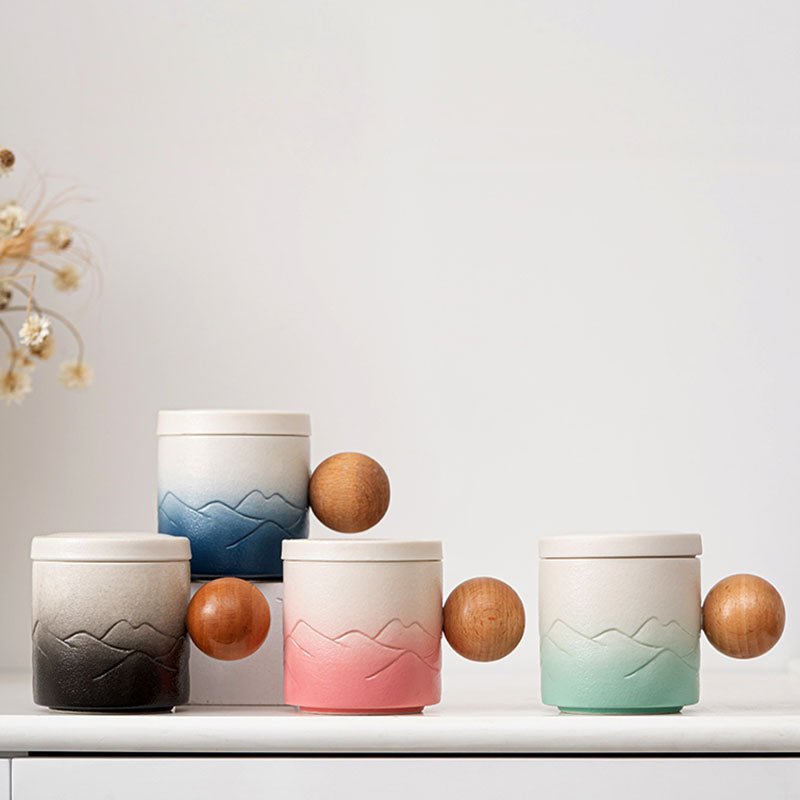
Viking Coffee Mug: How to Choose a Daily-Use Mug That Feels Right
A good viking coffee mug should feel sturdy in the hand, hold the right amount for your routine, and survive real kitchen use. We break down what to check before you buy, plus where a more everyday...
Подробнее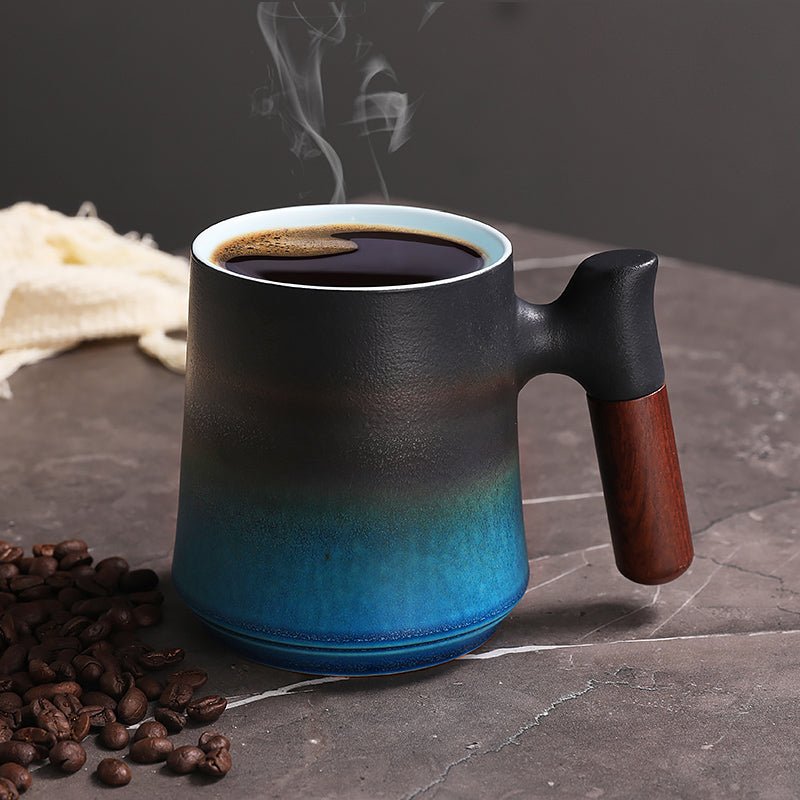
Polish Pottery Coffee Mugs: How to Choose the Right One
Practical guide to polish pottery coffee mugs with real buying trade-offs, care notes, and style comparisons. See which shapes work best for daily coffee, gifting, and display.
Подробнее
Оставить комментарий
Этот веб-сайт защищается hCaptcha. Применяются Политика конфиденциальности и Условия использования hCaptcha.