
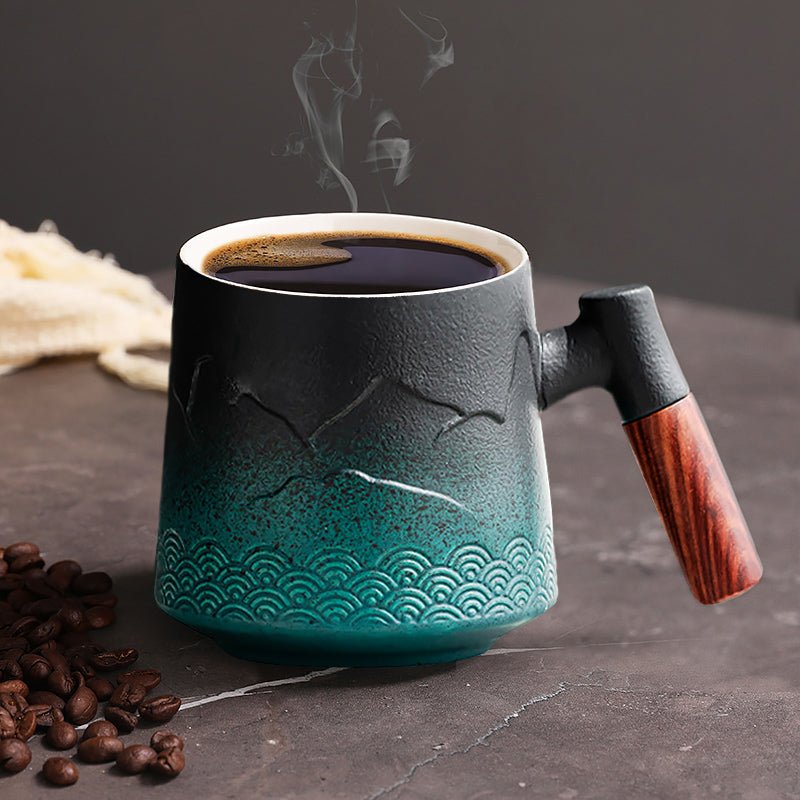
Mug Wooden Buying Guide: What Buyers Should Check First
Reading time: about 9 minutes
Why does a wooden mug feel different the first time you hold it?
A wooden mug changes the whole hand feel of a drink. It usually feels warmer to the touch than ceramic, lighter than many stoneware mugs, and less slippery on a desk or kitchen counter. That makes it appealing for slow coffee mornings, gift boxes, and anyone who wants something more tactile than a standard cup.
We see two kinds of buyers in our store. One wants a mug that looks natural on a shelf and feels comfortable in the hand. The other wants a daily-use cup and is trying to avoid the common frustrations of a mug that stains, chips, or feels too hot to hold. A mug wooden can fit either need, but only if the build is right.
The key is not just the look. It is how the mug is finished, how thick the wall is, whether the interior is sealed, and how the size matches your pour. If you want more category context, our Wooden Mug Buying Guide: What to Check Before You Buy goes deeper into the structural details.
What should you check before buying a wooden mug?
We recommend checking the same core points every time, because these are the things that affect daily use most:
- Interior finish: The inside should be clearly sealed for drink use. If the finish is rough, overly porous, or left uncertain, the mug is harder to clean and more likely to absorb odors.
- Wall thickness: A thicker wall usually feels more stable in the hand and helps with heat comfort, but excessive thickness can make the mug bulky.
- Rim shape: A smooth, even rim matters. A sharp rim or uneven edge can make sipping less comfortable, especially with black coffee or tea.
- Handle comfort: If the mug has a handle, check that two fingers fit comfortably and that the grip does not force your wrist into a strange angle.
- Capacity: Match the mug to the drink you actually pour. A 10 oz cup suits shorter drinks and espresso-based drinks with less volume, while a 15 oz or 16 oz format is better for larger pours and longer desk sessions. For a side-by-side look at common sizes, our 10 oz Coffee Mug: Size, Fit, and What to Check Before You Buy and 16 Ounce Coffee Mug Buyer’s Guide: Size, Material, and Fit are useful comparisons.
- Care instructions: Wooden mugs are often hand-wash only. If you want something for the dishwasher every day, a wooden mug is usually not the best choice.
Those checks are basic, but they are what separate a pleasant mug from a decorative one that stays in the cabinet. In our experience, the biggest disappointment happens when the mug looks right online but feels too light, too shallow, or too delicate in use.
Which wood details matter most for daily use?
Not every wooden mug behaves the same. The wood species, grain pattern, finish, and construction method all affect the way it performs at the counter, at a desk, or in a gift unboxing.
Grain and surface finish are the first things to inspect. A smoother finish is easier to wipe clean and feels better in hand. A rough or uneven finish can collect residue along the rim or body, especially if you drink coffee with milk or sweetener. Visible grain is part of the appeal, but grain should not mean splintery edges or open pores on the drinking surface.
Sealing matters even more. A properly sealed interior reduces absorption, which helps with taste retention and cleanup. If a mug is only lightly finished, it may pick up coffee aroma over time. That is not always a deal-breaker, but buyers should know it before they choose.
Shape and balance matter on real surfaces. A mug that looks elegant in a studio photo may feel top-heavy on a crowded office desk. We like checking the base width, because a stable base helps on uneven tables and makes the mug less likely to tip when there is a laptop, notebook, or phone nearby.
If you are comparing wooden options against other materials, our Wooden Coffee Mug Buying Guide: What to Check Before You Buy is a good match for buyers who want a broader overview of the category.
Is a wooden mug good for hot coffee, tea, or iced drinks?
Yes, but with trade-offs. A wooden mug can work well for hot coffee and tea if the mug is built for drink use and the finish is intact. It can also be a nice choice for iced drinks because the material does not feel cold and hard like some glassware. The important part is to match the mug to the drink instead of assuming every wooden mug behaves the same.
For hot drinks, comfort in the hand is the main benefit. Wooden walls can feel less harsh to hold than some ceramic mugs straight out of the dishwasher. The downside is that a wooden mug is usually not the best option if you need long heat retention. Ceramic and insulated travel mugs generally perform better there.
For iced drinks, wooden mugs can be pleasant, but condensation is worth thinking about. If the finish is not well sealed, moisture can linger. That is one reason we tell shoppers to check the care notes carefully and not treat wooden drinkware like a disposable novelty item.
For office use, a wooden mug is best if the mug stays at one desk and gets washed by hand. It is not a great fit for shared kitchen sinks where items get stacked, soaked, or sent through a dishwasher. It is also not the first choice if you want to reheat drinks in a microwave. If that is your routine, ceramic is usually the safer fit.
| Material | Best for | Trade-off |
|---|---|---|
| Wooden mug | Natural look, comfortable hand feel, gifting | Usually hand-wash only; less heat retention |
| Ceramic mug | Daily coffee, easy cleaning, microwave use | Heavier; can chip if dropped |
| Insulated travel mug | Long commutes, desk work, heat retention | Less relaxed drinking experience |
How do you choose the right size without guessing?
Size is one of the easiest ways to avoid buyer regret. A mug that looks generous in photos may feel too small in real use, while an oversized cup can make a short drink feel lost at the bottom.
We suggest choosing based on your actual routine:
- 10 oz: better for shorter pours, cappuccino-style drinks, and buyers who do not want a large mug on the desk.
- 11 oz to 12 oz: a balanced everyday size for drip coffee or tea, especially if you prefer a moderate cup without excess bulk.
- 15 oz to 16 oz: better for long mornings, larger coffee servings, and people who do not want to refill as often.
If you want a deeper comparison, our 11 oz Coffee Mug: Size, Fit, and What to Check Before You Buy and 12 oz Coffee Mug: Size, Fit, and What to Check Before Buying are useful if you are deciding between mid-size cups. For larger drinkers, the 15 oz Coffee Mug: Size, Fit, and What Buyers Should Check and 16oz Coffee Mug Buyer’s Guide: Size, Material, and Fit can help narrow the choice.
One practical rule from our own handling experience: if you like to fill a mug close to the rim, choose a size with a little extra headroom. That gives you fewer spills when you carry it across the kitchen or move it from counter to desk.
What care routine keeps a wooden mug looking good?
Wooden drinkware needs simpler, gentler care than ceramic. That does not mean it is fragile. It means the finish does better with the right routine.
- Wash it by hand with mild soap and warm water.
- Do not leave it soaking in the sink for long periods.
- Dry it promptly with a soft towel instead of air-drying while wet on one side.
- Avoid dishwasher cycles unless the maker explicitly says otherwise.
- Keep it away from microwaves and direct high heat if the material is not rated for that use.
Those steps sound simple, but they matter. The most common problems we see with poorly cared-for wooden mugs are dulling of the finish, faint beverage staining near the rim, and small cracks from repeated soaking or heat stress. A good mug should age, but it should not warp or start feeling rough after a few washes.
That said, a wooden mug is not the best option for buyers who want zero-maintenance drinkware. If your current routine depends on dishwasher cycles, stackable cabinet storage, and daily microwave reheats, ceramic or stainless steel is the more practical path.
Where should you shop if you want a wooden mug that fits your setup?
Start with the product page and then compare it with the rest of the collection. That is the simplest way to check whether the mug looks right for your counter space, your drink size, and your care habits. Our product selection is the best place to review what is currently available, and the full collection helps if you want to compare a wooden mug against other mug styles before deciding.
We suggest thinking about the purchase in the same order we handle store inquiries:
- Confirm the mug size first.
- Check whether the interior is sealed and what the care instructions say.
- Decide if you want a mug for daily coffee, gifting, or display.
- Choose wooden only if the hand feel and maintenance match your routine.
That last point is the real one. A wooden mug is best when you want warmth, texture, and a more natural look. It is not the best choice if you want a workhorse mug that lives in the dishwasher and survives every kind of use without thought.
Frequently asked questions
Is a wooden mug safe for hot coffee?
It can be, if the mug is made for beverage use and the interior is properly sealed. The finish should be smooth, stable, and intended for contact with drinks. If the product page is vague about care or finish, we would treat that as a warning sign.
Can you put a wooden mug in the dishwasher?
Usually no. Most wooden mugs should be hand-washed only, because dishwasher heat and long water exposure can damage the finish or cause warping. If you want a mug you can throw in the dishwasher every day, ceramic is the safer choice.
Does a wooden mug keep coffee hot as long as ceramic?
Usually not for long. Wooden mugs are chosen more for comfort in hand and visual appeal than for heat retention. If keeping coffee hot for a long time is your priority, an insulated mug will do a better job.
What size wooden mug should I buy for daily coffee?
For most buyers, 11 oz to 12 oz is the most flexible everyday range. It is large enough for a normal cup without feeling oversized on a desk. If you drink larger pours or want fewer refills, move up to 15 oz or 16 oz.
What is the biggest mistake buyers make with wooden mugs?
Buying for the look and ignoring the finish and care routine. A wooden mug that seems attractive online can still be a poor fit if it is hard to clean, too small, or not meant for the way you drink coffee. We always tell shoppers to check those details before they click buy.
If you are narrowing the choice now, use a simple test: size, seal, care, and daily routine. If the mug passes all four, it is worth considering. If not, compare it against the rest of our collection and choose the material that fits your kitchen or desk without extra work.
Read more
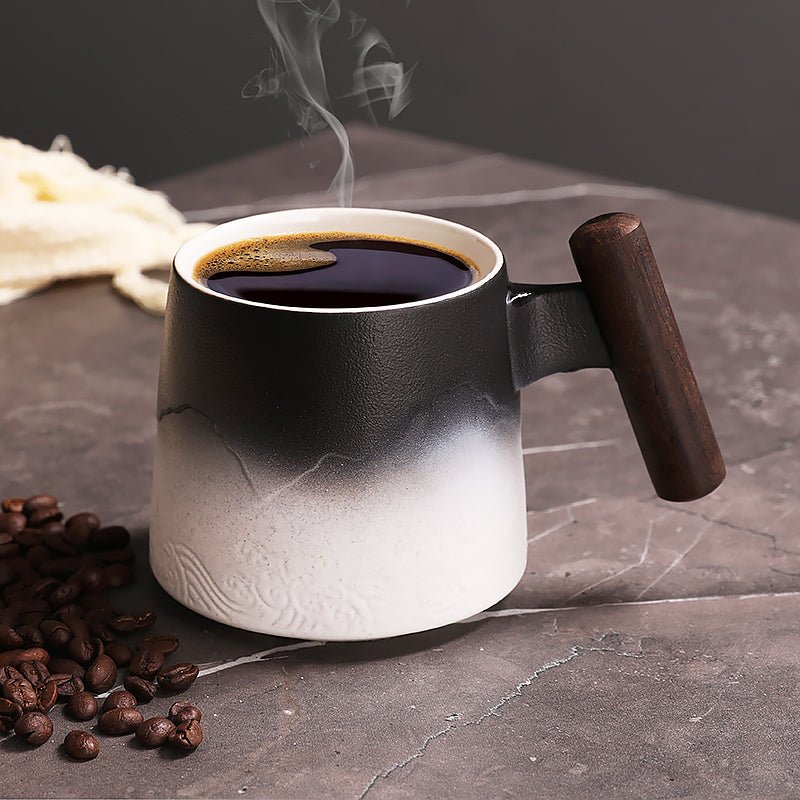
Chrismtas Mug Buyer's Guide: What to Check Before You Buy
This chrismtas mug buyer's guide focuses on the details that matter in real use: size, handle comfort, finish quality, and care. We also flag the trade-offs so you can choose a mug that works after...
Подробнее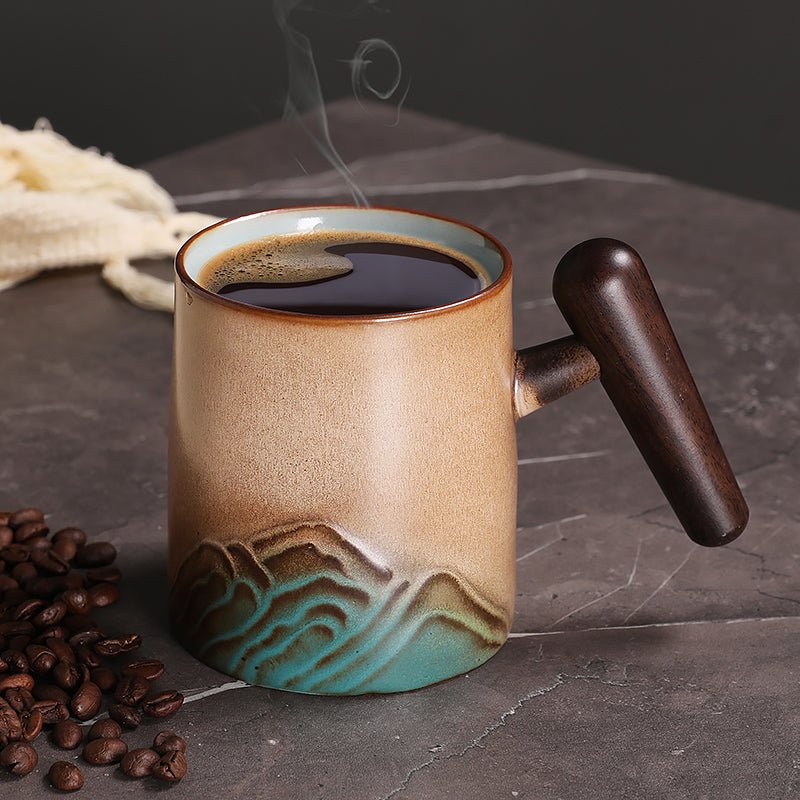
Extra Large Coffee Mug Buying Guide for Daily Use
An extra large coffee mug changes the whole routine: fewer refills, more room for milk or tea, and a better fit for long desk sessions. This guide explains what size, shape, and material details ma...
Подробнее
Оставить комментарий
Этот веб-сайт защищается hCaptcha. Применяются Политика конфиденциальности и Условия использования hCaptcha.