
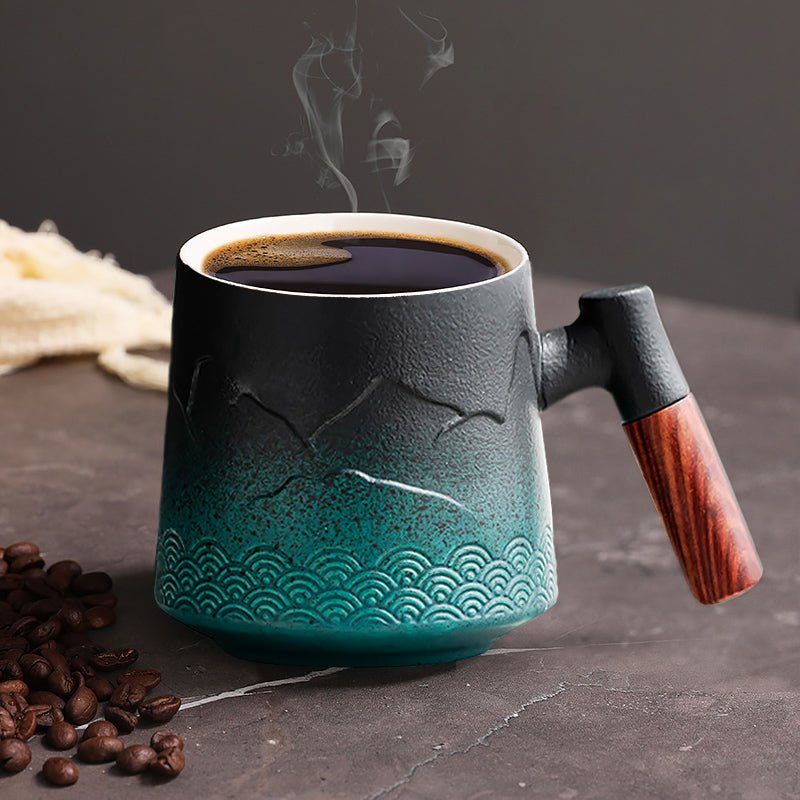
Mug Wood Buying Guide: Materials, Care, and What to Check
Reading time: about 9 minutes
The first thing people notice about mug wood is not the label. It is the feel in the hand. A wooden mug changes how a morning coffee setup looks and how it behaves on a desk, in a cabin kitchen, or in a gift box waiting to be opened.
Our team sees the same questions from shoppers again and again: will it hold heat, how should it be washed, and is wood actually practical for daily use? Those are the right questions. Wood can be a strong choice, but only if you know what you are buying and what trade-offs come with it. If you are comparing options in our store, you can start with our main products page or browse the full collection after you finish this guide.
What does a mug wood option actually feel like in daily use?
Wood changes the drinking experience in small but noticeable ways. It usually feels lighter than stoneware of the same size, and the handle or body can feel warmer to the touch. That matters on a kitchen counter at 6 a.m. or at an office desk where you do not want a mug that feels cold straight out of the cabinet.
In our experience, shoppers often choose wood for three reasons: the look, the grip, and the table feel. A wooden mug can make a coffee setup look less industrial and more natural. It also tends to be comfortable to hold if the shape is rounded and the finish is smooth.
The trade-off is simple. Wood is not as carefree as glazed ceramic or stainless steel. It usually asks for hand washing, careful drying, and a little more attention around very hot liquids. If you want a mug that can live in the dishwasher every day, wood is usually not the first choice.
Which materials and finishes should you check before buying mug wood?
Not all wooden drinkware is built the same. The wood species, the finish, and the interior treatment make a bigger difference than many shoppers expect. A pretty exterior can hide a weak seal or a surface that wears quickly at the rim.
Here are the details we recommend checking before you buy:
- Wood type: Dense hardwoods generally handle daily handling better than softer woods. The exact species affects grain, weight, and how the mug ages.
- Interior finish: The inside should be sealed for liquid contact. An unfinished interior is not suitable for regular coffee or tea use.
- Rim smoothness: Run a careful finger around the lip in product photos or upon arrival. A rough rim is uncomfortable and usually signals weak finishing.
- Handle or body shape: Some wooden mugs are carved with a handle, while others use a cupped form. The shape affects grip and washing ease.
- Wall thickness: Thicker walls can help insulation, but overly thick pieces may feel heavy or awkward in smaller hands.
That last point matters more than people think. A thick-walled mug can keep a drink comfortable to hold, but it may also reduce usable capacity. If size is your main concern, our size guides for 10 oz coffee mugs, 11 oz coffee mugs, and 12 ounce coffee mugs are useful comparisons before you decide whether a wooden style fits your routine.
Is mug wood good for hot coffee, tea, or everyday desk use?
For many buyers, yes, but with limits. Wood can work well for coffee and tea if the mug is properly sealed and intended for beverage use. It is especially appealing for moderate sipping, slow mornings, and tabletop presentation.
Where wood can fall short is in situations that punish the material. Very frequent dishwasher use, long soaking, and rough handling in a crowded sink are all poor matches. If you often fill a mug to the brim with very hot coffee and carry it around the house, you will want to be sure the shape is stable and the finish is made for that use.
We also see wooden mugs chosen for gift giving. The presentation is strong. The unboxing feels thoughtful, especially if the surface has a natural grain pattern. Just be honest about the recipient’s habits. If they toss mugs into the dishwasher without thinking, a wood option may frustrate them.
If you are comparing sizes alongside material, it may help to read our other mug size guides, especially the 14 oz coffee mug, 15 oz coffee mug, and 16 ounce coffee mug articles. A larger size can be more practical than wood if your main priority is capacity over presentation.
What are the real care instructions for a wooden mug?
Wooden drinkware needs a little routine care if you want it to last. We recommend treating it more like a finished natural product than a standard everyday ceramic mug. That means gentle washing and prompt drying.
- Wash by hand with mild soap and lukewarm water.
- Do not soak it in the sink.
- Dry it immediately with a soft towel.
- Let it air dry fully before storing it in a closed cabinet.
- Avoid abrasive scrubbers that can dull the finish.
That routine sounds simple because it is. The part people miss is storage. Putting a damp wooden mug away in a tight cupboard can create lingering odors or surface wear over time. We have seen that happen after just a few careless washes in everyday kitchens.
A wooden mug is also not the right choice if you want microwave convenience. If reheating is non-negotiable, ceramic is the safer pick. If you want more durability with less maintenance, stainless steel may be the better fit.
What defects or wear should you check before buying?
We inspect drinkware for the same small issues our customers notice once the package opens on a kitchen counter. With mug wood, the common problem areas are easy to miss if you only look at the front of the product photo.
Watch for these signs:
- Hairline cracks: Small cracks can spread faster once the mug is washed and dried repeatedly.
- Uneven sealing: Dull or patchy spots may mean the finish was not applied consistently.
- Rough edges: Pay attention to the rim, handle transitions, and base edge.
- Warping: A mug that does not sit flat can wobble on a table and signal moisture issues.
- Strong odor: A harsh chemical smell is a warning sign if it does not fade quickly.
These are not cosmetic nitpicks. They affect use. A rough lip makes the drink less pleasant. A warped base can be annoying on a desk. A weak seal shortens the life of the mug and makes routine care more difficult.
Our advice is to favor straightforward construction over gimmicks. A clean, well-finished mug with a steady base usually serves a buyer better than an overly decorative piece that looks fragile. If you want to browse all current styles in one place, the all collections page is the easiest starting point.
How do wooden mugs compare with ceramic and stainless steel?
Shoppers often compare wood against the two most common alternatives. The right choice depends on where the mug will live most of the time: kitchen, office, travel bag, or gift shelf.
| Material | Best for | Main trade-off |
|---|---|---|
| Wood | Natural look, warm feel, gifting, display-forward use | Needs gentler care and usually hand washing |
| Ceramic | Everyday coffee, easy cleaning, microwave use in many cases | Can chip or crack if dropped |
| Stainless steel | Durability, travel, temperature retention | Less traditional feel and can change the drinking experience |
We like wood for shoppers who want something distinctive without going overboard on novelty. Ceramic remains the everyday workhorse. Stainless steel is better if the mug will get knocked around, packed, or carried often. If the buyer wants a mug that can handle aggressive daily use with zero fuss, wood is usually not the best fit.
Who should buy mug wood, and who should skip it?
Mug wood makes sense for buyers who care about presentation, natural texture, and a warmer visual style on the table. It also suits someone who drinks at a calm pace, hand washes their drinkware, and likes the idea of a mug that feels a little more personal than standard mass-market options.
It is probably not the best match if you want:
- dishwasher-only convenience
- microwave reheating
- heavy travel use
- a mug that can be tossed into a sink pile without concern
That honest line matters. We would rather help you choose the right style than sell you a beautiful mug that does not fit your routine. In our store, we see better satisfaction when buyers match the material to the way they actually drink coffee, not the way they imagine they will drink it on a perfect morning.
If you are buying as a gift, wood is strong when the recipient appreciates design and texture. If the gift is for someone who only wants a practical office mug, a well-sized ceramic option may be the safer choice. For reference, our size-focused guides on 12 oz mugs and 16 oz mugs can help narrow the fit before you commit.
Frequently asked questions
Is mug wood safe for hot coffee?
It can be safe if the mug is made for beverage use and the interior is properly sealed. The key is not the look of the wood, but the finish and construction. If the product does not clearly state it is intended for drinks, we would skip it.
Can I put a wooden mug in the dishwasher?
We do not recommend it. Dishwasher heat, long water exposure, and strong detergents can damage the finish and shorten the mug’s life. Hand washing is the better option for mug wood.
Does mug wood keep drinks hot longer than ceramic?
Wood can feel warmer to the touch and may offer some insulating benefit, but it is not the same as a vacuum-insulated tumbler. If temperature retention is your main goal, insulated stainless steel is usually the stronger choice.
What size wooden mug should I buy?
Pick the size based on your usual pour, not just the appearance. If you drink a standard mug of coffee at home, 10 oz to 12 oz is a common range; if you like larger pours, check 14 oz to 16 oz options. Our size guides can help you compare fit before buying.
How do I keep a wooden mug from smelling musty?
Wash it gently, dry it right away, and let it air dry completely before storage. Musty smells usually come from trapped moisture, not the wood itself. If the mug still smells after proper drying, that can point to a finish or sealing problem.
What should you check before adding mug wood to cart?
Before you buy, use a simple checklist. It saves returns and avoids disappointment.
- Is the mug clearly meant for beverages?
- Is the interior sealed?
- Does the rim look smooth and comfortable?
- Is hand washing acceptable for your routine?
- Will the size fit your usual pour?
- Does the style suit a desk, kitchen, or gift setting?
If the answer is yes to the practical points and no to dishwasher or microwave dependence, mug wood can be a smart buy. If not, ceramic or stainless steel may suit you better.
Start by comparing the wood style you like against the rest of our drinkware on the products page, then use the checklist above to decide whether the shape, finish, and care fit your daily routine.
Read more
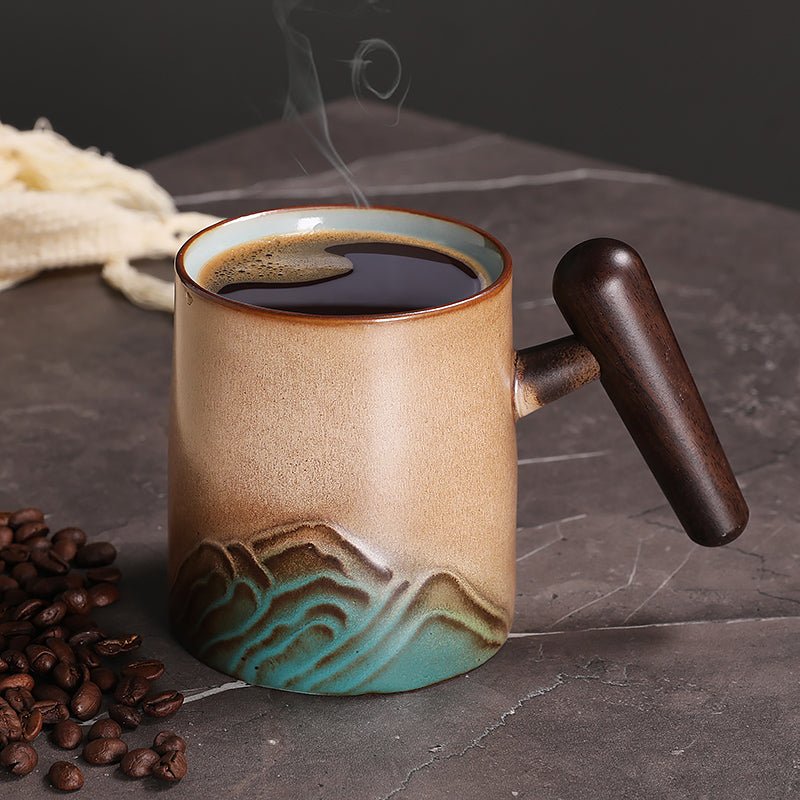
Big Tea Cup Buying Guide: Size, Material, and Daily Use
A big tea cup can be right for long pours, office desks, and slower mornings, but size alone is not enough. We break down capacity, material, handle comfort, care, and the trade-offs that matter be...
Подробнее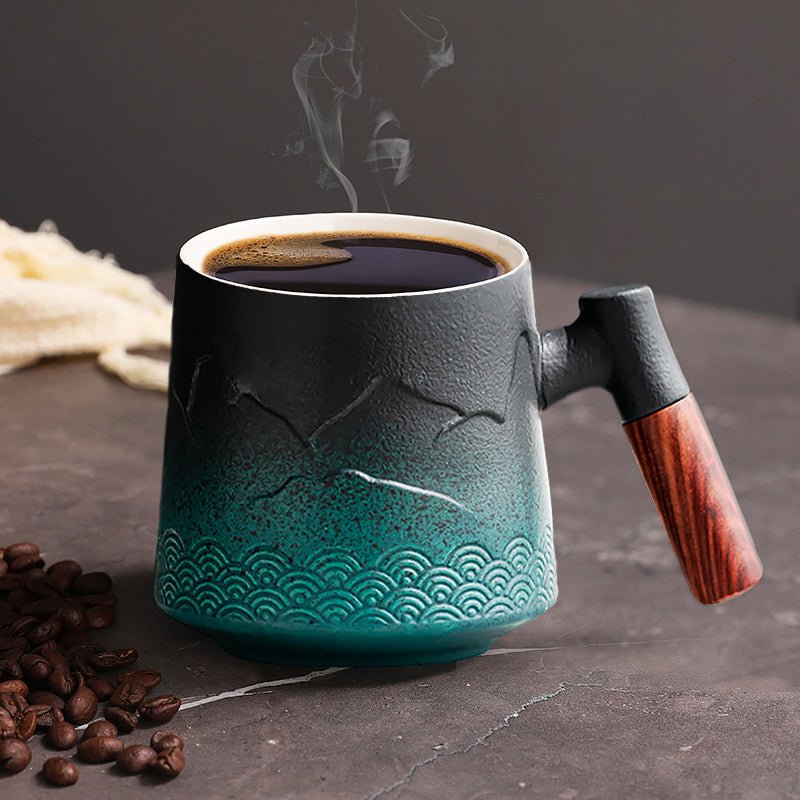
Handle Cup Buying Guide: What Matters Before You Buy
A handle cup only works well if the grip, size, and material match how you actually drink. We break down the practical trade-offs so you can choose a cup that feels right on a desk, in the kitchen,...
Подробнее
Оставить комментарий
Этот веб-сайт защищается hCaptcha. Применяются Политика конфиденциальности и Условия использования hCaptcha.